What a Conveyor Bend Pulley Does
A conveyor bend pulley is the redirecting drum that changes the path of a conveyor belt without driving it. Mounted at a take-up station, a vertical curve, or a transition between sections, it guides the belt around a corner and helps maintain wrap on the drive pulley. It is a separate component from the drive pulley and the tail pulley, and the three are not interchangeable: the drive pulley transmits torque, the tail pulley supports the belt at the loading end, and the bend pulley simply steers it. In a quarry or a cement plant, a well-positioned bend pulley can shorten the structural span and keep the belt aligned through an incline.
Construction and Surface Options
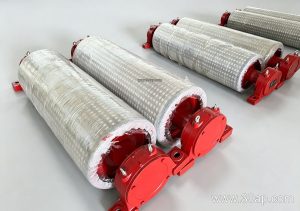
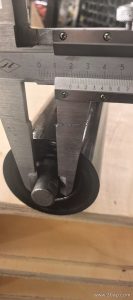
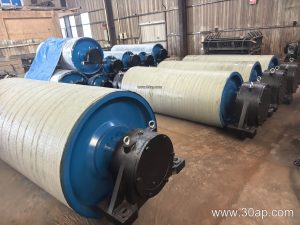
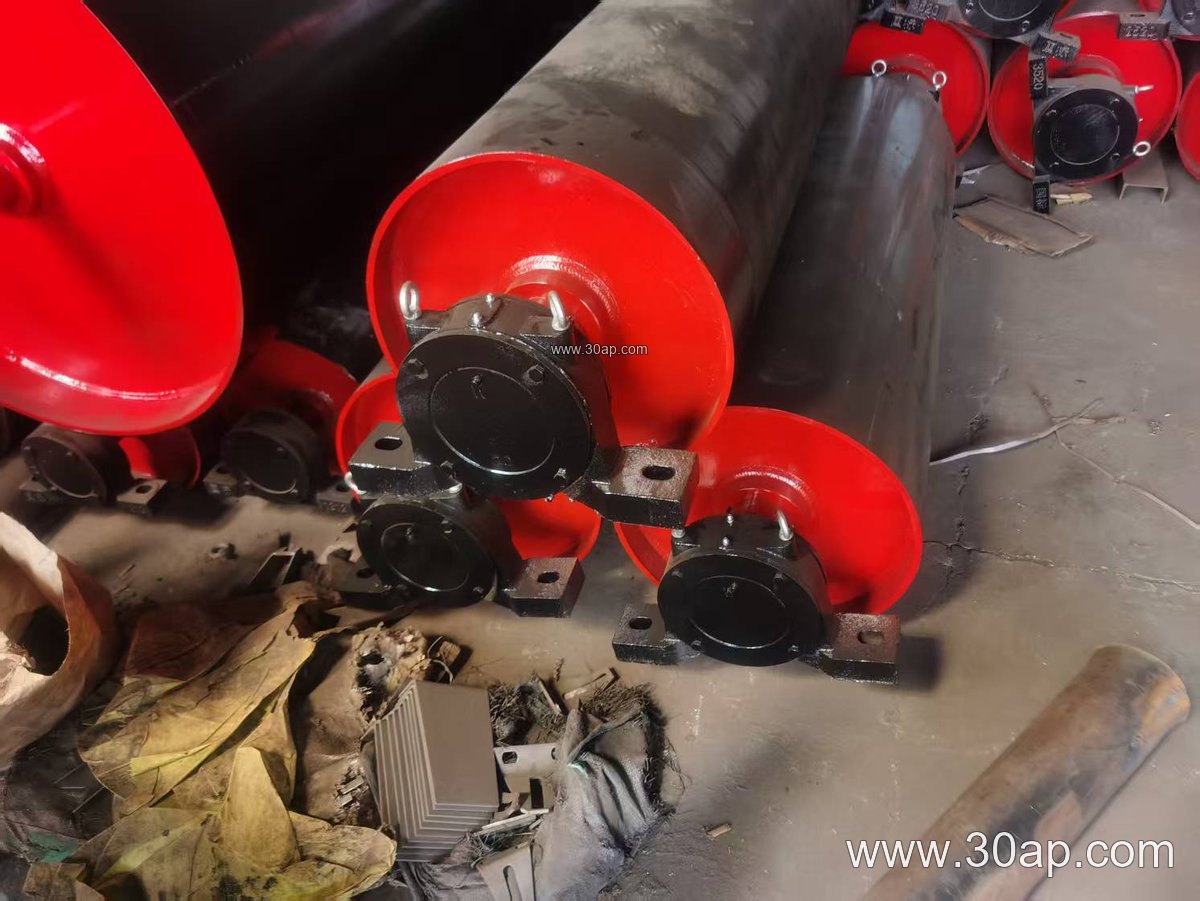
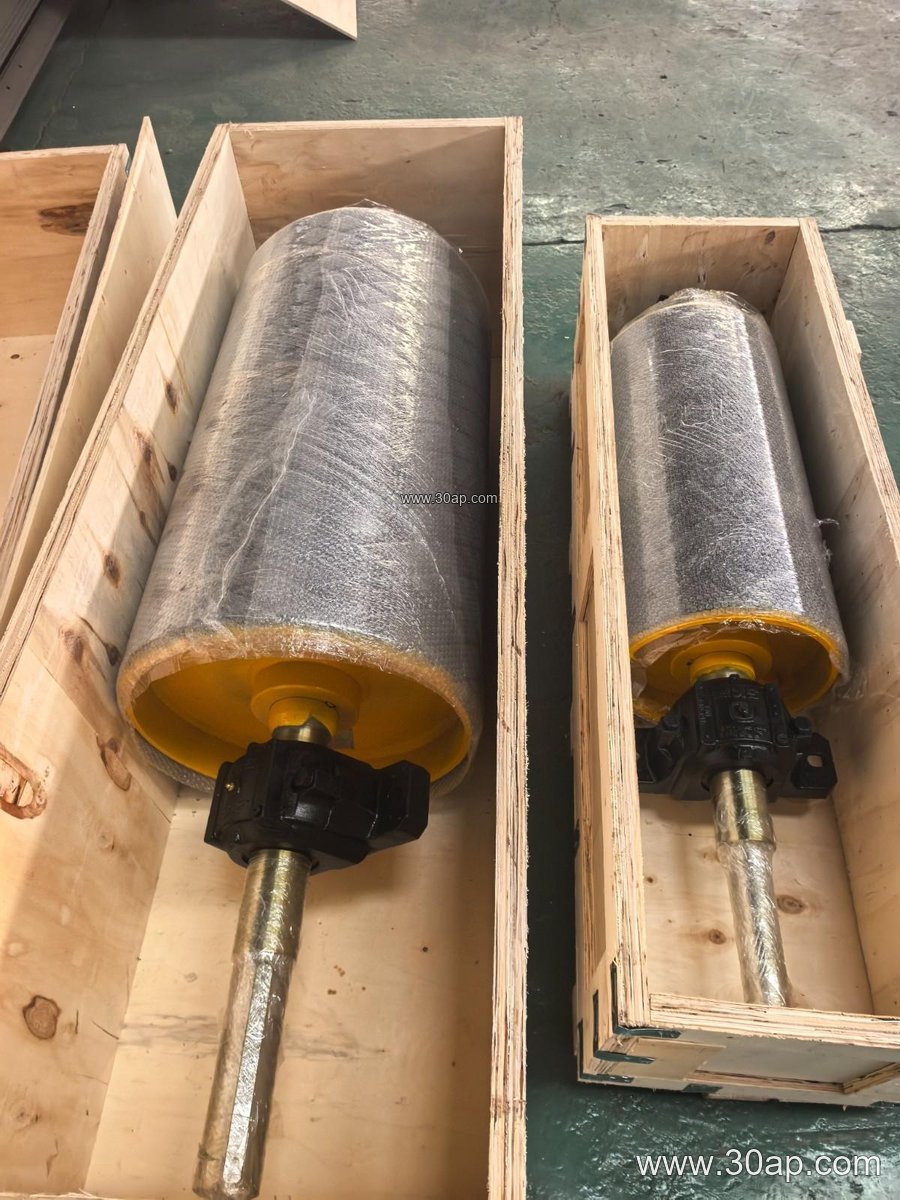
The drum body is usually a welded steel shell with machined end discs and a through shaft. Common diameters include Ø200, Ø250, Ø315, Ø400, Ø500, Ø630, Ø800 and larger units up to Ø1000 or Ø1250 where belt tension and space allow. Face width normally runs slightly wider than the belt, for example about 500 mm for B400, 950 mm for B800, 1150 mm for B1000 and 1400 mm for B1200. Shaft diameter is determined by torque and bearing load, not by belt width alone, and typical sizes range from Ø50 to Ø200.
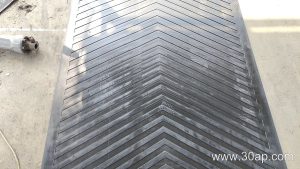
Surface treatment depends on the job. A plain face suits light contact and clean alignment duties. Rubber lagging applied by cold bonding or hot vulcanizing improves grip and protects the shell, while diamond or herringbone patterns help shed water and fines. Ceramic lagging is chosen where abrasive dust is constant, such as an iron ore or copper ore transfer point. Lagging thickness is commonly 8, 10, 12, 15 or 20 mm, and the right figure comes from the belt tension and the local wear pattern.
Where It Fits in the Conveyor Layout
Bend pulleys appear at gravity take-ups, screw take-ups, and angle stations where the belt must turn upward or downward. In a coal mining conveyor or an underground coal mining installation, a compact bend pulley helps route the belt around a low seam without a long straight run. In aggregate and sand making plants, they redirect the belt between a crusher conveyor and a screen feed. Power plant coal handling and port bulk terminals also use them to follow the belt through transfer towers.
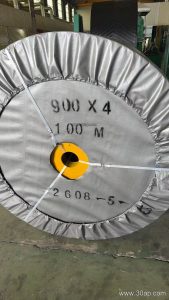
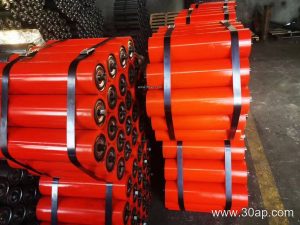
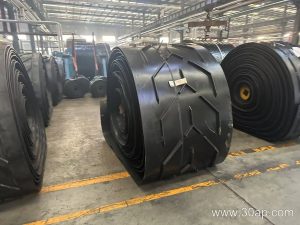
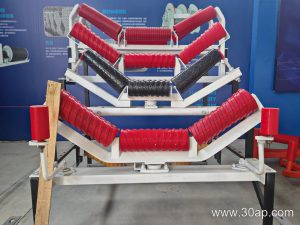
The pulley works with the conveyor belt, the conveyor pulley set, and the conveyor bracket that fixes the bearing housing to the frame. Alignment of the bracket and the drum axis matters more than many operators expect, because a small skew will make the belt track to one side and wear the lagging unevenly. When the installation uses a fabric core conveyor belt or an EP conveyor belt, the bend pulley diameter should be checked against the belt’s minimum bending radius; a steel cord conveyor belt usually needs a larger drum relative to its thickness.
Matching the Pulley to the Belt and Duty
There is no fixed rule that ties one belt width to one drum diameter. A B800 conveyor might use Ø500 in a short run and Ø630 or Ø800 in a long, heavily loaded line. The following reference combinations are common starting points for discussion, not universal specifications:
- B500 with Ø315 or Ø400, face about 600 mm
- B650 with Ø400 or Ø500, face about 750 mm
- B800 with Ø500 or Ø630, face about 950 mm
- B1000 with Ø630 or Ø800, face about 1150 mm
- B1200 with Ø800 or Ø1000, face about 1400 mm
- B1400 with Ø800 or Ø1000, face about 1600 mm
Buyers should also state the belt type and service conditions. A heat resistant conveyor belt in a sinter or clinker line may need a heat-tolerant lagging and a bearing arrangement that allows for expansion. A flame retardant conveyor belt used underground calls for careful material selection on the drum and its lagging. Abrasion resistant conveyor belts in a stone crushing line put more stress on the shell than a smooth food grade conveyor belt in a grain silo.
Buyer Checklist
Before ordering, confirm the belt width, the required redirect angle, the available space, the shaft and bearing size, and the lagging pattern. Ask for the drum balance and runout tolerance, the welding quality of the shell, and the bearing type. Specify whether the unit will sit in a dusty quarry, a wet wash plant, or a cold climate, since a cold resistant conveyor belt and its pulley may need different clearances. Spare parts such as the conveyor bracket and bearing housing should be listed with the same drawing number as the drum. Finally, plan a maintenance interval to check lagging wear, bolt tightness, and belt tracking around the bend pulley, because this small drum often decides how smoothly the whole conveyor runs.