What Is a Mining Fire Resistant Conveyor Belt
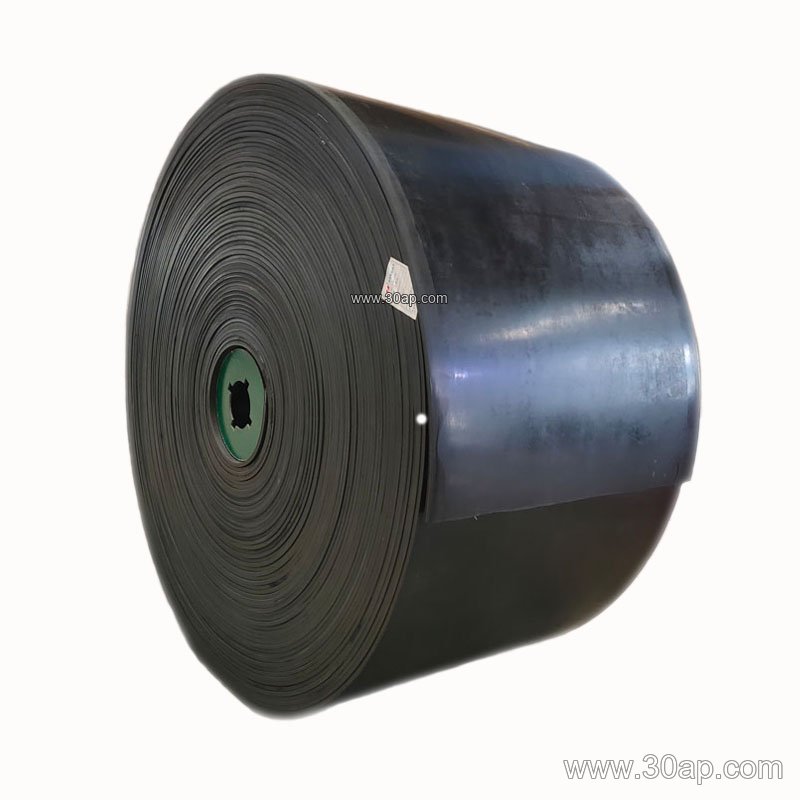
A mining fire resistant conveyor belt is a heavy-duty rubber belt engineered to resist ignition and limit flame spread in underground and surface mining operations. Often referred to as a flame retardant conveyor belt, it is designed for environments where coal dust, methane, or hot debris could create a fire risk. Unlike standard rubber belts, this belt uses special cover compounds and sometimes antistatic additives to reduce the chance of sparks and to self-extinguish if a flame is removed.
The belt is not a single product but a family of constructions. The core can be fabric (EP or NN) or steel cord, and the cover grade is selected for fire resistance while still meeting the abrasion and impact demands of the mine. In coal mining, a fire resistant conveyor belt is often a critical safety component on main haulage and panel belts.
Construction and Key Components
A typical mining fire resistant conveyor belt combines several layers. The carcass provides strength and troughability, while the cover protects the carcass from wear and fire. Common constructions include:
- Fabric core — EP (polyester/nylon) or NN (nylon/nylon) plies, often 2 to 6 layers, for moderate tension and good flexibility.
- Steel cord — for long distances and high tension, with a single layer of steel cords.
- Fire resistant cover — usually a rubber compound with flame retardant additives, available in grades for different severity levels.
- Antistatic properties — to dissipate static electricity that can build up on fast-moving belts.
Cover thickness is often specified in millimeters, such as 4+2 or 6+2, where the first number is the top cover and the second is the bottom cover. The belt width can range from 650 mm to 2000 mm or more, depending on the conveyor design. A 1200mm wide conveyor belt is common in main haulage, while wider belts like 1800mm or 2000mm are used in high-capacity systems.
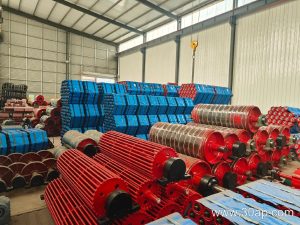
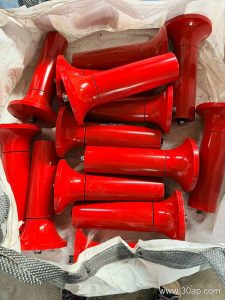
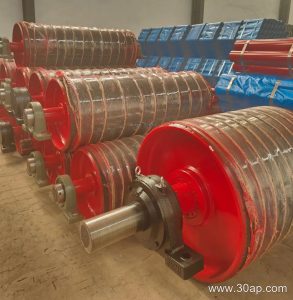
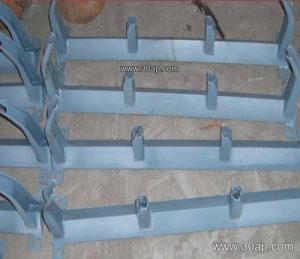
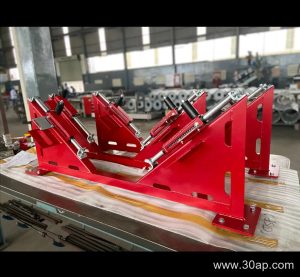
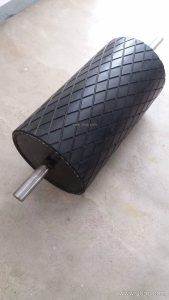
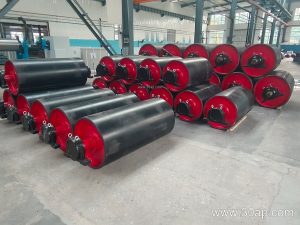
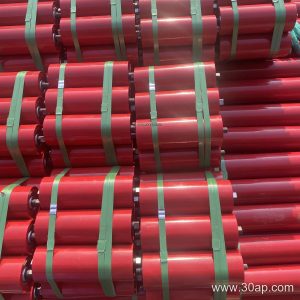
Supporting components such as idler rollers, conveyor pulleys, and conveyor brackets must be matched to the belt’s tension and troughability. The drive pulley, tail pulley, and bend pulley each play a distinct role and are not interchangeable terms; correct alignment and lagging help prevent belt damage and reduce fire risk from friction.
Where It Is Used
Mining fire resistant conveyor belts are found in underground coal mining, where methane and coal dust are present, as well as in surface mines, cement plants, power plants, and quarries that handle combustible materials. In coal mining, the belt is often part of an underground coal mining conveyor system that transports raw coal to the surface. In power plants, it may carry coal from stockyard to boiler. In cement and aggregate operations, fire resistance is sometimes specified for belts near hot clinker or in enclosed galleries.
Other industries such as steel plants, ports, and recycling facilities may also use flame retardant belts where fire safety regulations apply. For example, a quarry conveyor belt handling dry stone may not need fire resistance, but a belt in a coal-fired power plant often does.
Specifications and Selection Guide
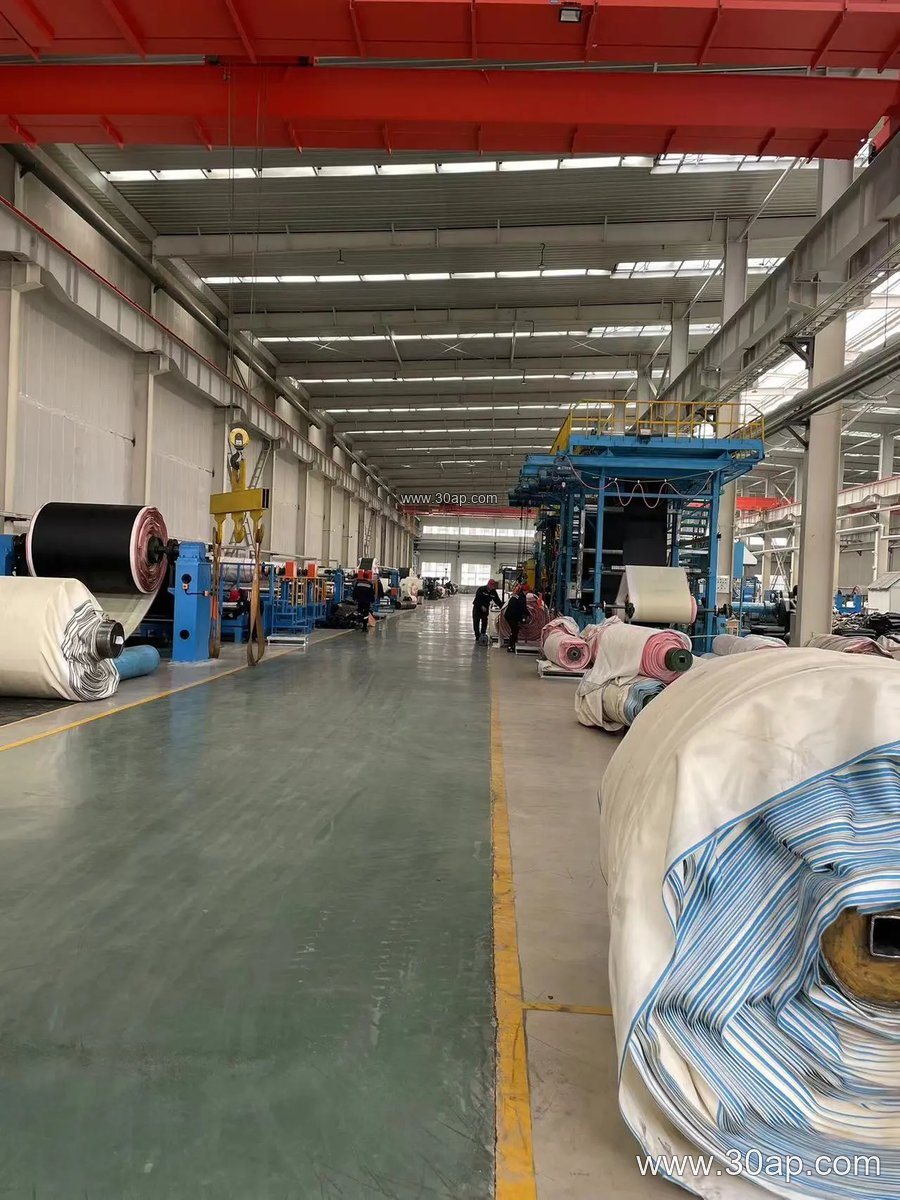
When selecting a mining fire resistant conveyor belt, buyers should consider the following parameters. The table below shows common reference values; actual specifications should be confirmed with the manufacturer based on the conveyor design.
| Parameter | Common Options |
|---|---|
| Belt type | EP fabric core, NN fabric core, steel cord |
| Strength grade (EP) | EP200, EP315, EP400, EP500, EP630, EP800, EP1000, EP1250 |
| Strength grade (steel cord) | ST1000, ST1250, ST1600, ST2000 |
| Belt width | 650 mm, 800 mm, 1000 mm, 1200 mm, 1400 mm, 1600 mm, 1800 mm, 2000 mm |
| Cover thickness | 3+1.5 mm, 4+2 mm, 5+2 mm, 6+2 mm, 8+3 mm |
| Number of plies | 2 to 6 (fabric core) |
| Fire resistance grade | According to application (e.g., underground coal mining, surface) |
Selection depends on the material being conveyed, the conveyor length, the incline, and the environment. For example, a high abrasion resistant conveyor belt may be needed in a crusher conveyor belt application where sharp rock is present, while a heat resistant conveyor belt may be required near clinker coolers. A chevron conveyor belt or corrugated sidewall conveyor belt might be used on steep inclines, but these are different subtypes and not a replacement for fire resistance where required.
Buyers should also consider belt thickness, pulley diameters, and the type of idler roller used. A thick conveyor belt may require larger pulley diameters to avoid excessive bending stress. The drive pulley, tail pulley, and bend pulley should be sized according to the belt’s tension rating, not just its width. For instance, a 1200mm wide conveyor belt does not automatically dictate a specific pulley diameter; the conveyor designer calculates that based on tension and belt construction.
Maintenance and Safety Notes
Regular inspection helps maintain the fire resistance and overall performance of the belt. Check for worn covers, exposed carcass, and damaged edges. Keep idler rollers turning freely and aligned; seized rollers can cause friction heating. Ensure conveyor pulleys are lagged and aligned to prevent belt slippage. Clean accumulated coal dust and debris from the conveyor structure, as these can fuel a fire.
Store spare belts in a dry, ventilated area away from heat sources. When splicing, use the correct splice method and materials recommended for fire resistant belts. Avoid using a standard rubber conveyor belt as a substitute in underground coal mining; the fire resistant designation is a safety requirement, not an optional feature.
For more information on mining conveyor belts, flame retardant conveyor belts, and related components such as idler rollers and conveyor pulleys, consult a qualified supplier and review the conveyor design requirements.