What a Galvanized Conveyor Bracket Does on the Line
A galvanized conveyor bracket is the steel support that holds idler rollers in the correct position under or over a conveyor belt. It carries the roller shaft, sets the trough angle, and keeps the belt profile stable from the loading point to the discharge. In a quarry, coal preparation plant, or cement kiln feed line, these brackets are the quiet link between the belt and the frame. The zinc coating is not decoration: it slows rust in wet washing areas, dusty tunnels, and coastal yards, so the bracket stays true and the idlers keep spinning freely.
How the Bracket Is Built
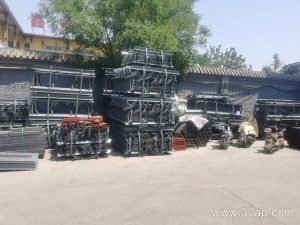
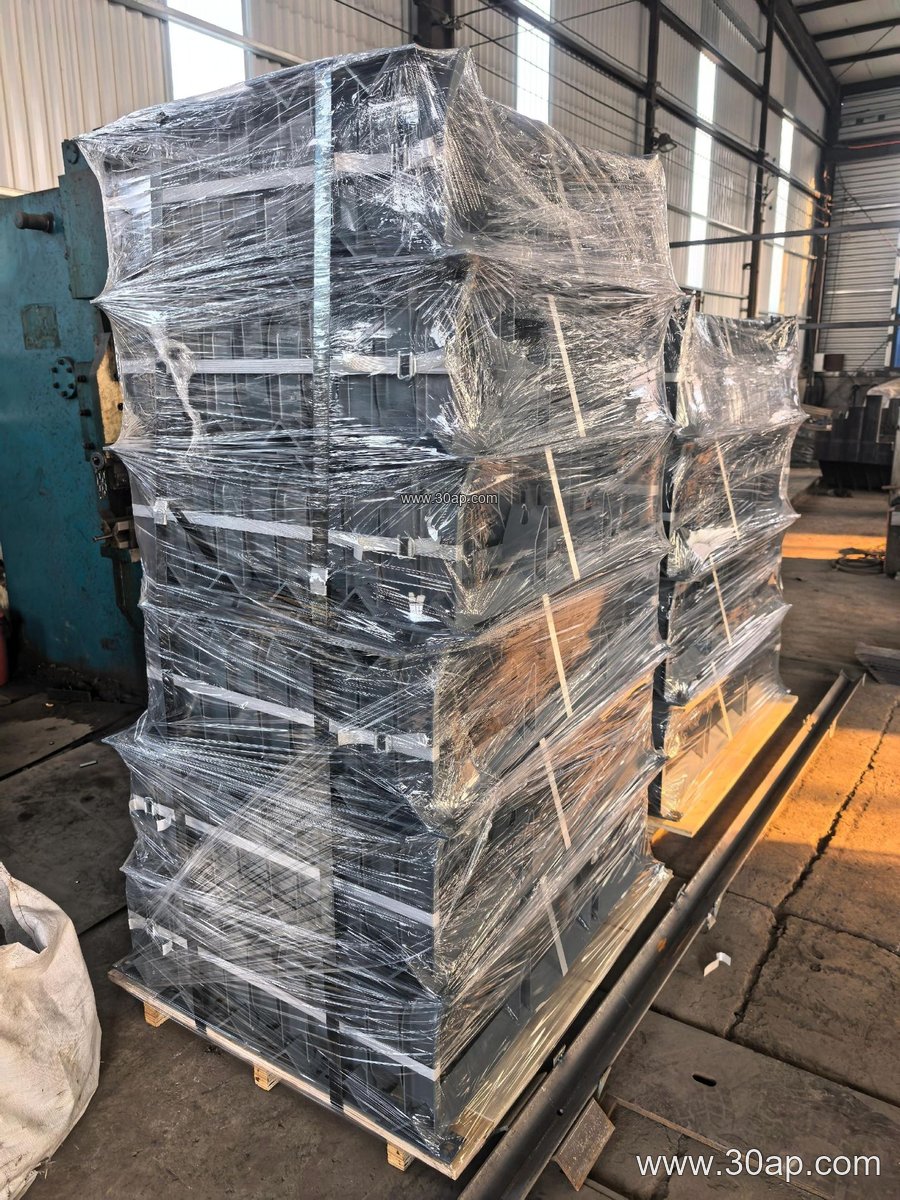
Most brackets start as angle steel, channel steel, or folded steel plate. After cutting and drilling, the parts are welded or bolted into a rigid frame, then hot-dip galvanized or pre-galvanized. The mounting slots follow the belt width and trough angle, so a bracket for a 800mm belt is not the same as one for a 1200mm belt. Common roller diameters include Ø89, Ø108, Ø133, Ø159, and Ø194, and the bracket cradle must match the chosen roller end. A well-made galvanized conveyor bracket has clean weld seams, uniform zinc coverage, and hole spacing that lines up with the conveyor frame without forcing the roller.
Trough Angle and Roller Fit
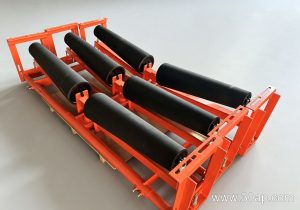
Trough angles of 20, 30, 35, and 45 degrees are common. A shallow angle suits wide, flat loads, while a deeper trough helps contain lumpy material on a fast belt. Adjustable brackets let maintenance teams change the trough angle within that range when the material or belt loading changes. Fixed brackets are simpler and cheaper, and they hold a set angle for the life of the frame. Matching bracket, roller, and belt is a design exercise: a B1000 belt may run 35 degrees with Ø133 rollers on one conveyor and a different combination on another. There is no single correct pairing for every belt width.
Where These Brackets Are Used
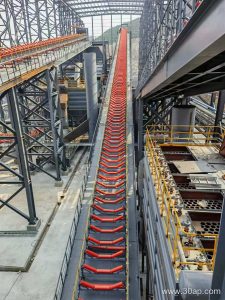
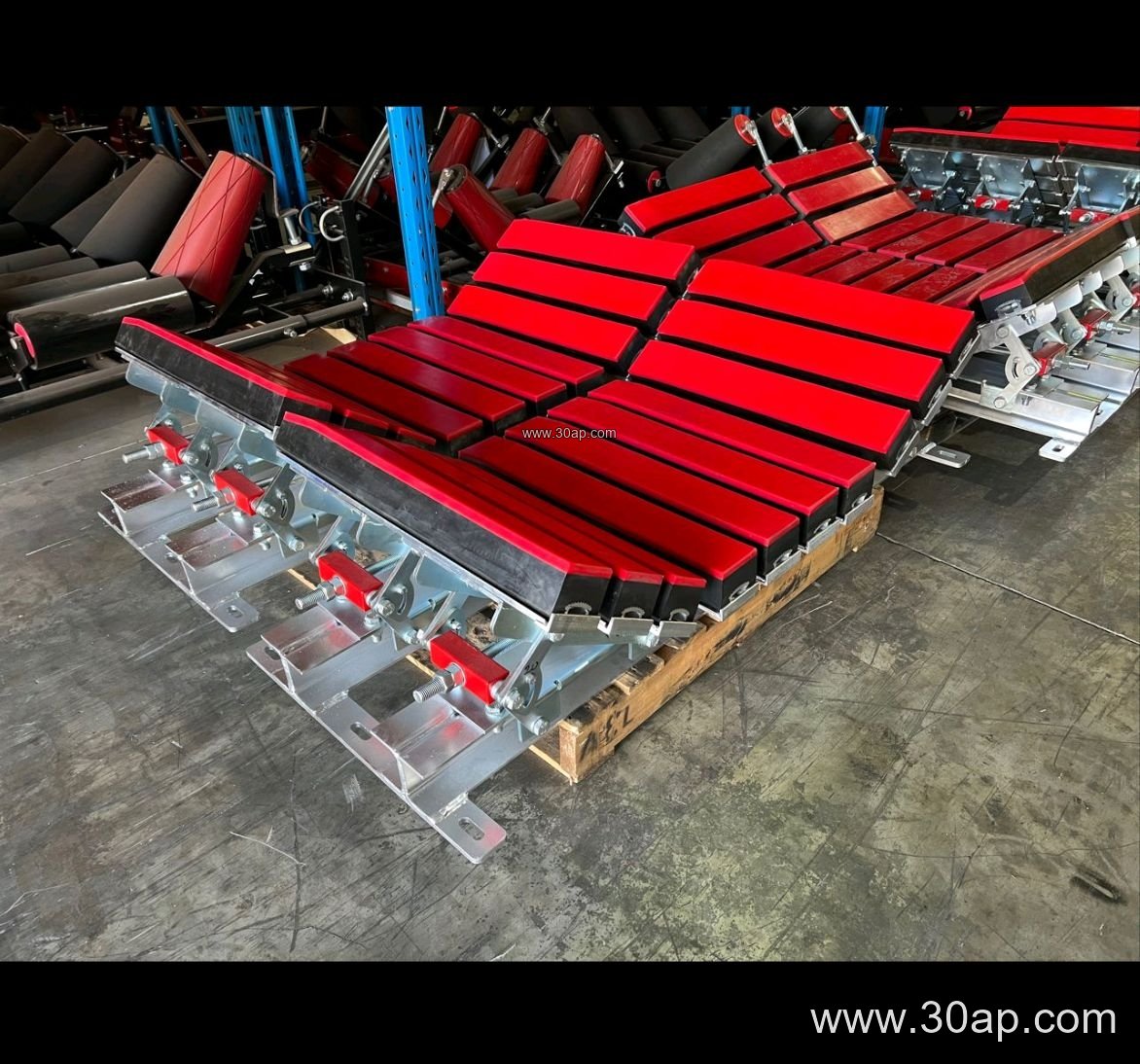
You will find them in stone crushing and screening lines, iron ore and limestone mines, coal wash plants, power station coal yards, and port loading systems. In a sand and gravel plant, an upper trough bracket supports the carrying idlers, while a return bracket or V-return bracket holds the belt on its way back. A transition bracket near the head or tail pulley guides the belt from flat to troughed without stressing the edges. Impact brackets with rubber cushions sit under the loading chute, where falling rock hits the belt. The same galvanized conveyor bracket family also appears in fertilizer plants and grain silos, where dust and damp air are routine.
Matching the Bracket to the Conveyor
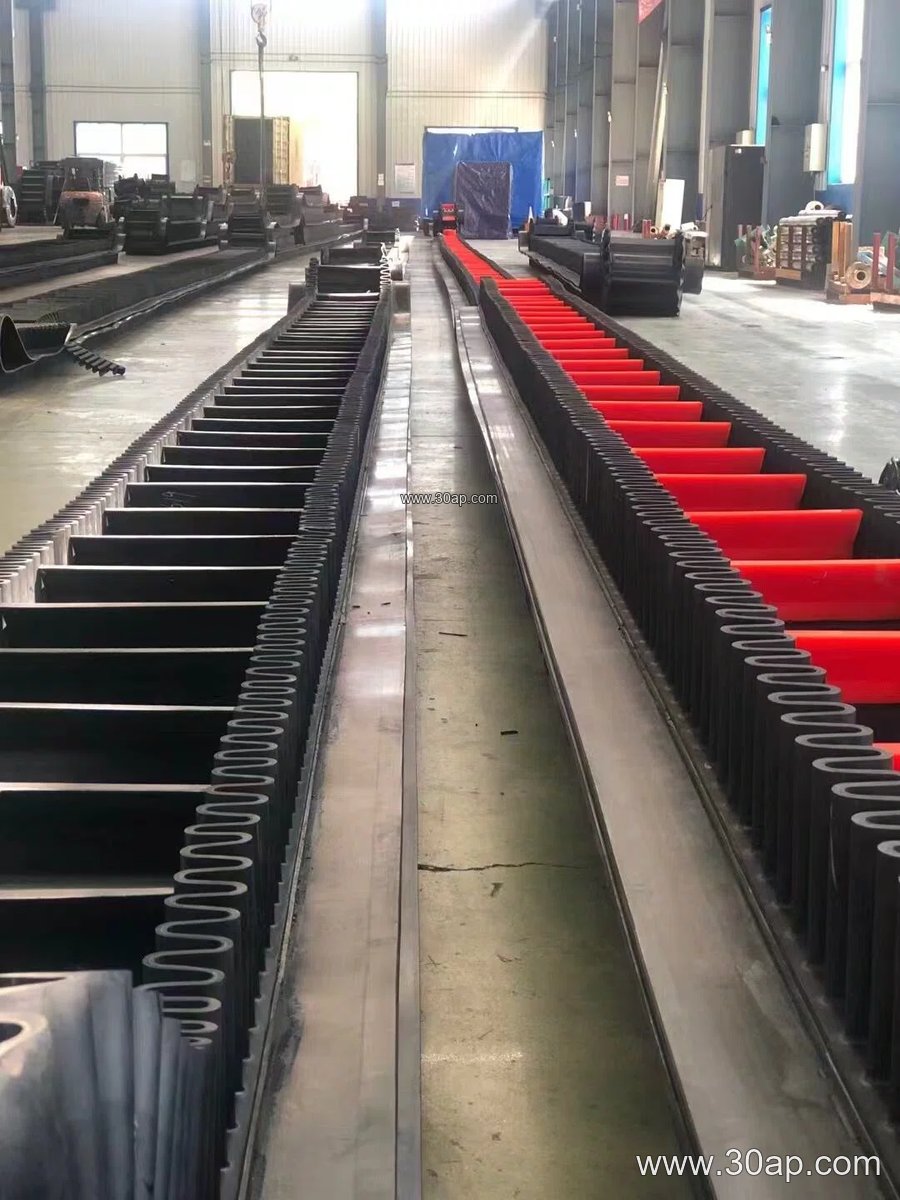
Before ordering, check the belt width, the roller diameter, the trough angle, and the frame hole pattern. Belt widths from B500 to B2200 are used across bulk handling, and the bracket length changes with each width. A bracket that is too short will not reach the frame; one with the wrong slot pitch will twist the roller and shorten bearing life. Also confirm the mounting height, because a transition bracket often sits at a different level from a standard carrying bracket. For heavy-duty mining conveyor belt duty, thicker rollers and reinforced brackets reduce flex under load. Where a steel cord conveyor belt carries high tension, the frame and brackets must be stiff enough to keep the belt line straight.
Buyer Checklist and Maintenance Notes
Ask for the zinc coating thickness, the steel grade, and a drawing with hole spacing. Check that the bracket accepts the roller you plan to use, and whether the design is fixed or adjustable. On site, inspect for loose bolts, bent ears, and white rust after wet seasons. A rusted bracket can tilt an idler roller, which then wears the belt edge and causes tracking problems. Replacing a single bracket is quick when the hole pattern matches; a mismatched part can stop a whole transfer line.
- Confirm belt width and roller diameter before quoting.
- State the trough angle and whether adjustment is needed.
- Check frame hole pitch and mounting height.
- Verify galvanizing method and coating condition on delivery.
- Keep spare brackets for loading zones and transition points.
Used with the right idlers and a well-tracked belt, a galvanized conveyor bracket is a low-cost part that protects the whole conveyor structure. For more on belt, roller, and frame matching, visit beltconveyorpro.com and review the pulley and bracket options before finalizing a layout.