What a High Impact Resistant Idler Does
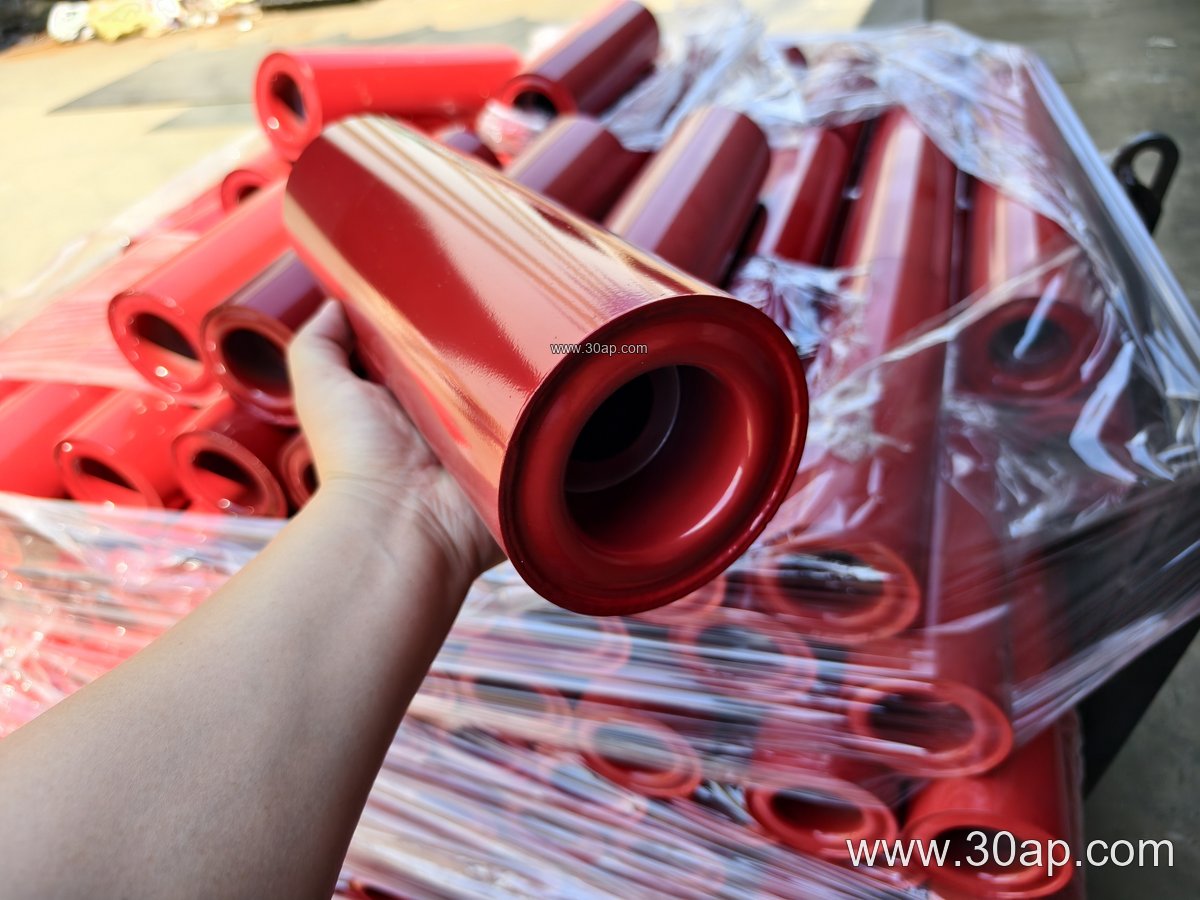
A high impact resistant idler is the roll assembly placed where a conveyor belt receives its heaviest load. Instead of a plain steel shell, this idler carries rubber rings or a reinforced rubber surface that absorbs the fall of lumpy material. It is a buffer idler in function, but the name emphasizes what it is built to survive: direct impact from rock, ore, clinker or coal dropping onto the belt.
The point of the design is simple. Every transfer chute introduces energy that a standard carrying idler passes into the belt, the frame and the bearings. A high impact resistant idler takes much of that energy into its rubber elements first, protecting the belt cover and extending the working life of the idler station itself. See related conveyor components at www.xuanxuanconveyor.com.
How the Idler Is Built
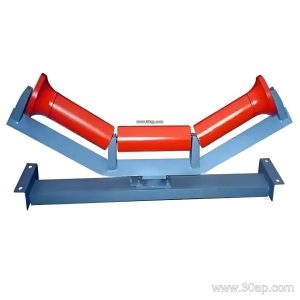
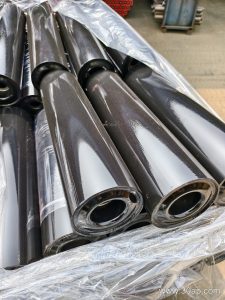
The usual construction pairs a steel tube body with a set of rubber discs or a continuous rubber sleeve. The rubber rings are spaced along the shell so that the belt is supported between them, while the rings themselves flex under load. Shaft ends run in sealed bearing housings, commonly 6205, 6305, 6306 or 6308 depending on roll diameter and load, and the whole unit drops into a conveyor bracket or a buffer idler frame.
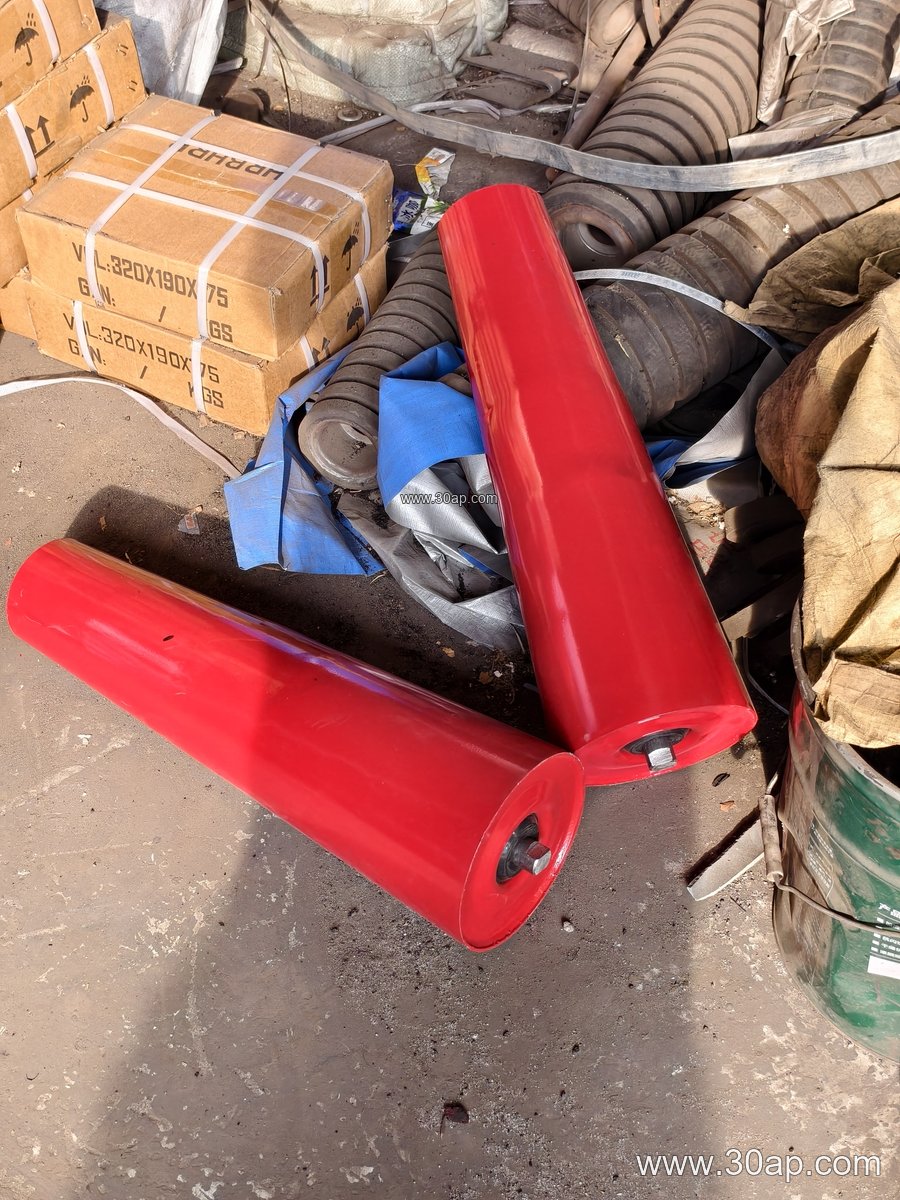
- Shell: steel tube, often with a thicker wall at impact stations
- Surface: rubber rings or rubber sleeve, sometimes vulcanized to the shell
- Bearing: sealed deep groove ball bearing, size matched to the duty
- Seal: labyrinth or contact seal to keep dust and water out
- Mounting: fixed bracket or flexible buffer frame
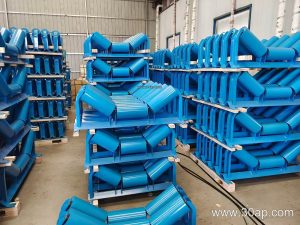
Common roll diameters for this duty include Ø89, Ø102, Ø108, Ø127, Ø133 and Ø159 mm. Larger diameters are used where lumps are heavy and the belt is wide. The idler is normally installed as a three-roll or two-roll troughing set at the receiving point, with a trough angle of 30 or 35 degrees, and sometimes 45 degrees where the belt is very wide.
Where It Fits on the Conveyor
The impact zone is usually the first few metres after the loading chute. In a quarry or aggregate line, crushed rock falls from a screen or crusher onto a belt fitted with a high impact resistant idler set. In a coal handling plant, the same arrangement sits under the transfer point where coal leaves one belt and lands on the next. Power plant coal yards, cement plants and iron ore terminals all use buffer idlers at the same kind of station.
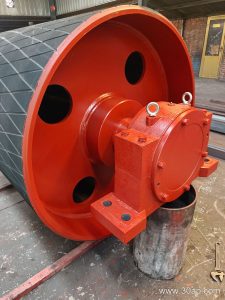
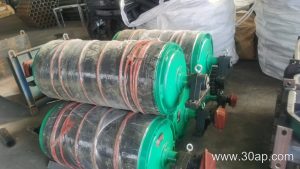
The idler is not a substitute for a drive pulley, tail pulley or bend pulley. Those are conveyor pulleys that transmit motion or change belt direction. The impact idler is a carrying roll, and its job is support and shock absorption. A conveyor pulley at the head end and a set of impact idlers at the load point work together, but they are not interchangeable.
Matching the Idler to the Belt and the Load
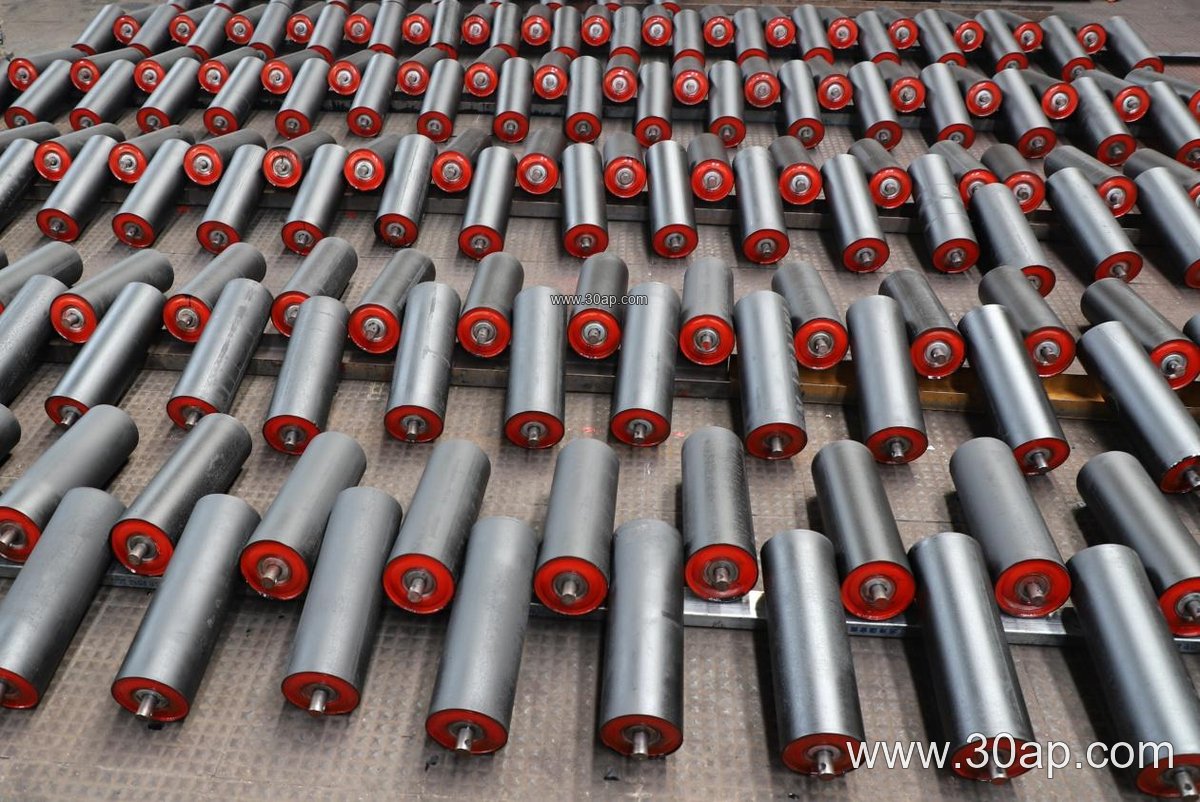
Selection starts with belt width. Typical widths run from B500 and B650 up to B1200, B1400 and B1800, and the roll length of a troughing set changes with width and trough angle. A three-roll set at B800 commonly uses rolls around 315 mm long, while a B1200 set is closer to 465 mm. These are examples, not fixed rules, and side rolls may differ from the centre roll.
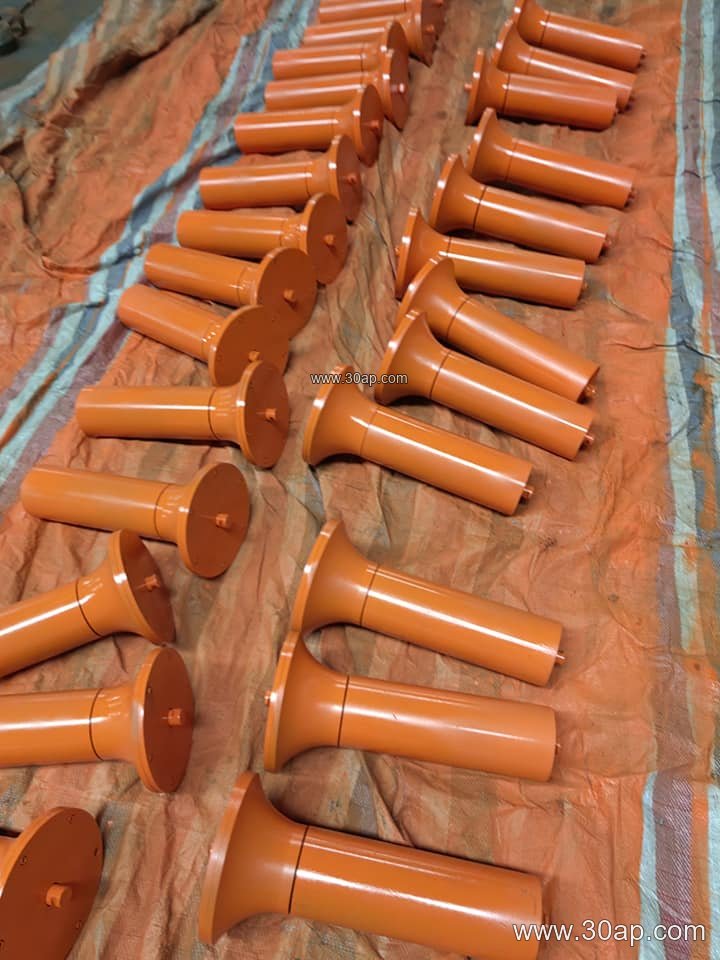
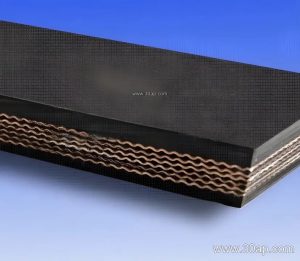
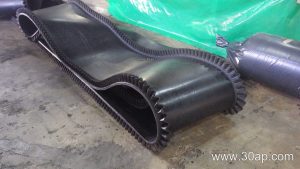
The belt itself matters too. An abrasion resistant conveyor belt or a heavy-duty mining conveyor belt can carry large lumps, but the cover still needs protection at the loading point. A steel cord conveyor belt handles high tension over long distances, while an EP conveyor belt or NN conveyor belt is common on plant conveyors. Where the material is hot, a heat resistant conveyor belt changes the rubber compound chosen for the idler rings.
| Parameter | Common Range | Note |
|---|---|---|
| Roll diameter | Ø89 to Ø159 mm | Larger sizes for heavy lumps |
| Belt width | B500 to B1800 | Roll length follows the set design |
| Trough angle | 20, 30, 35, 45 degrees | Selected by belt and material |
| Bearing | 6205, 6305, 6306, 6308 | Matched to diameter and load |
| Surface | Rubber rings or sleeve | Shock absorption layer |
What Buyers Should Check
Ask how the rubber is attached, because a bonded sleeve and loose rings behave differently under repeated impact. Confirm the bearing seal type, since dust at a transfer point is the main cause of early failure. Check that the idler frame or conveyor bracket can absorb movement, and that the roll spacing suits the lump size so the belt does not sag between rings.
Finally, keep the whole conveyor in view. A high impact resistant idler protects the belt at the load zone, but the belt still needs correct tracking from the carrying and return idlers, and the conveyor pulley lagging must match the drive duty. Buyers comparing suppliers can review buffer idler options at www.xuanxuanconveyor.com and belt and pulley data at www.xuanxuanconveyor.com.