What a Food Grade Conveyor Belt Is
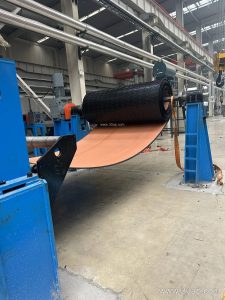
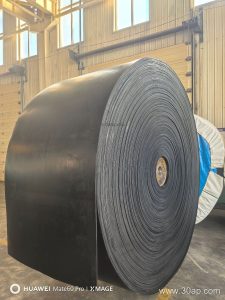
A food grade conveyor belt is a belting product designed for conveying food, food ingredients, and food-contact packaging where hygiene and cleanability matter. In practice it is a conveyor belt built from materials and surface constructions that can be cleaned between production runs, resist moisture and common cleaning agents, and avoid loose or flaking surfaces that could contaminate the product stream. Buyers often describe the same product as a food-safe conveyor belt or a hygienic food conveyor belt; these are equivalent names for the same category, not different products.
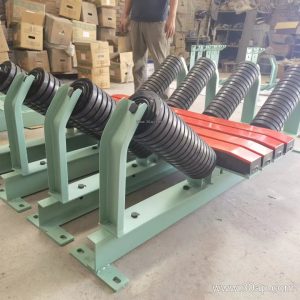
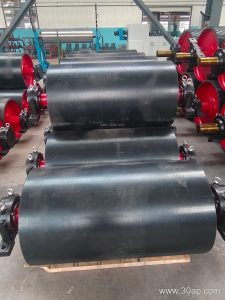
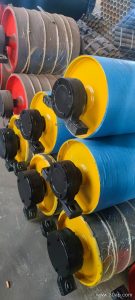
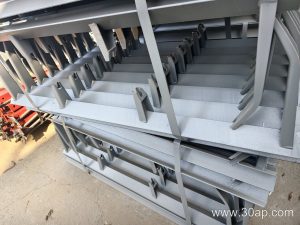
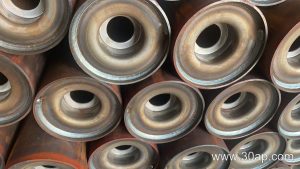
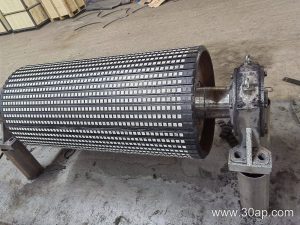
It is important to separate the belt from the hardware around it. The belt runs over a conveyor pulley at the drive and tail positions, supported by idler rollers and mounted on conveyor brackets. Those components have their own food-area requirements, but they are not interchangeable with the belt itself.
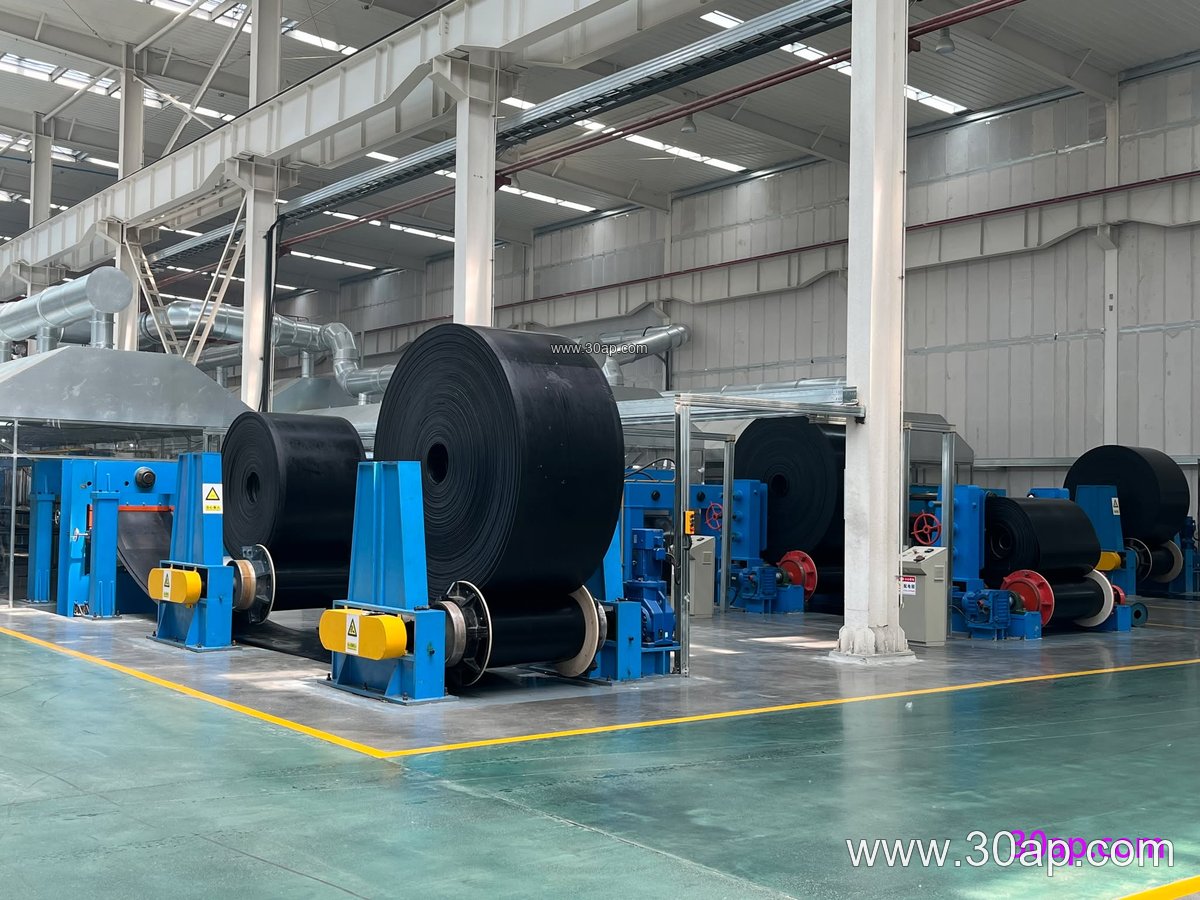
How the Belt Is Built
Most food duty belts use a fabric core construction rather than a heavy steel cord carcass. A typical build includes a carcass of two to six plies of fabric, a food-contact top cover, and a bottom cover selected for the pulley side. Thermoplastic grades, including PVC and polyurethane surfaces, are common where washdown and wipe-down cleaning are frequent; rubber covers are chosen where grip and flexibility are priorities and the cleaning regime allows them.
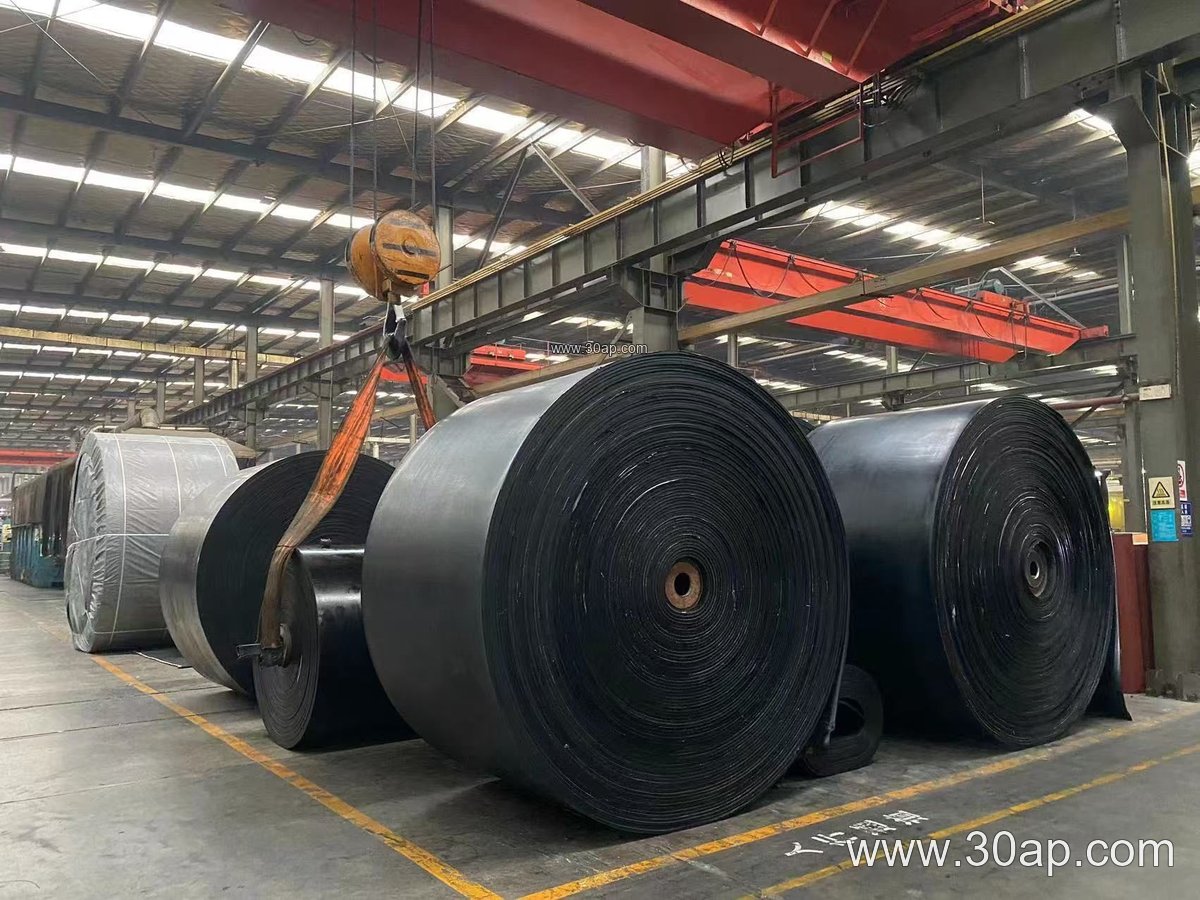
Surface form matters as much as material. Smooth covers are easy to scrape and rinse. A chevron conveyor belt profile or a corrugated sidewall conveyor belt design is chosen when the belt must incline or contain loose product, but these profiles create crevices that need more attention during cleaning. Belts intended for enclosed routing may use a pipe conveyor belt design, while short transfer runs may use an endless conveyor belt that is joined at the factory to avoid a mechanical splice.
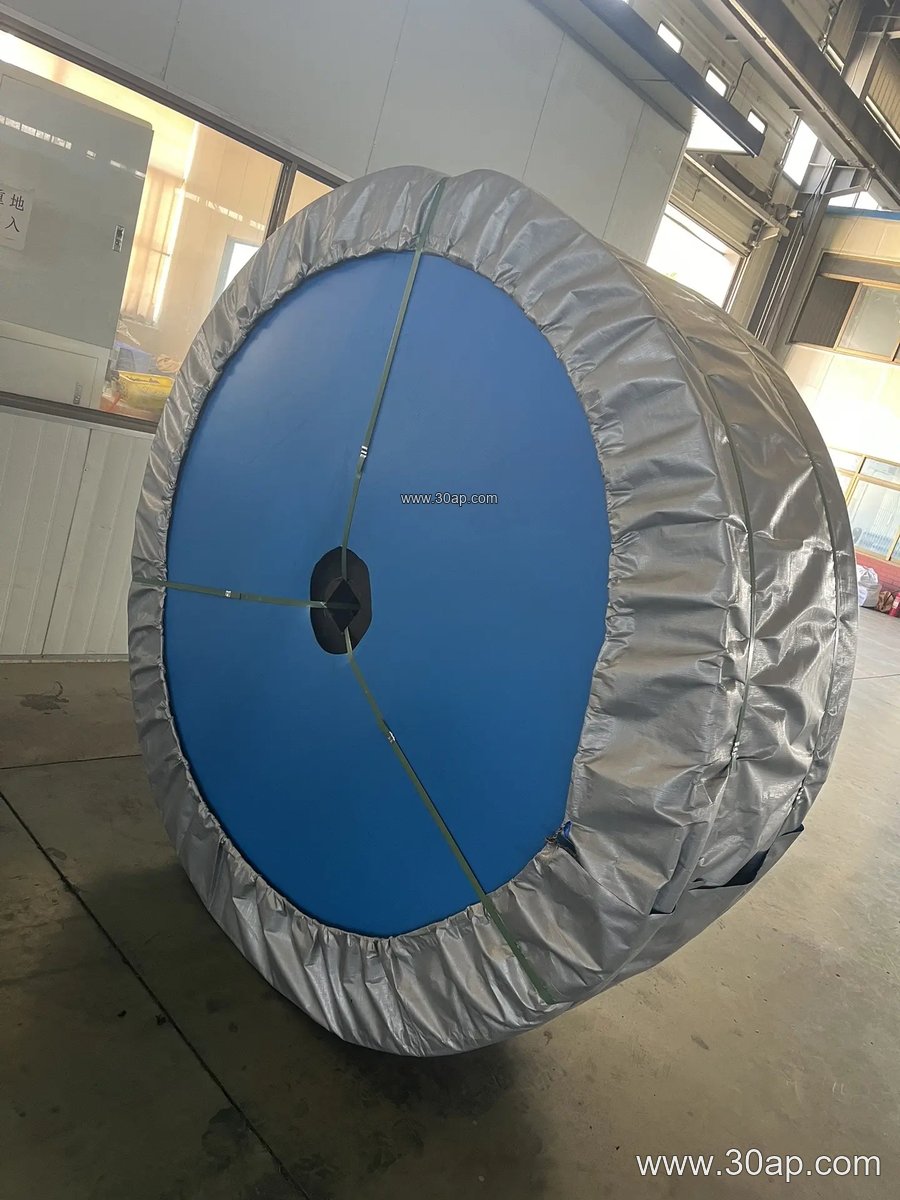
Example Construction Reference
The figures below are common reference ranges only; actual specifications are set by the belt designer and may differ between manufacturers.
| Item | Common reference |
|---|---|
| Cover thickness | 3+1.5 mm, 4+2 mm, 5+2 mm, 6+2 mm |
| Carcass plies | 2 to 6 plies |
| Belt width | B500, B650, B800, B1000, B1200 |
| Surface form | Smooth, chevron, corrugated sidewall |
| Cover material | PVC, polyurethane, rubber grades |
Width and pulley diameter are matched during conveyor design; a given belt width does not dictate one fixed pulley diameter, and shaft size follows the pulley and load calculation rather than the belt alone.
Where It Fits on the Line
Food grade belting appears in bakeries, snack and confectionery lines, fruit and vegetable handling, meat and dairy areas, beverage plants, and packaged-goods transfer points. It is also used at the food side of bulk intake, where ingredients arrive in sacks or totes and are metered onward. Outside the food room, plants sometimes use a PVC mining conveyor belt or a heavy abrasion resistant conveyor belt in the same facility for raw material intake, but those belts are not substitutes for food-contact belting and should be kept on separate circuits.
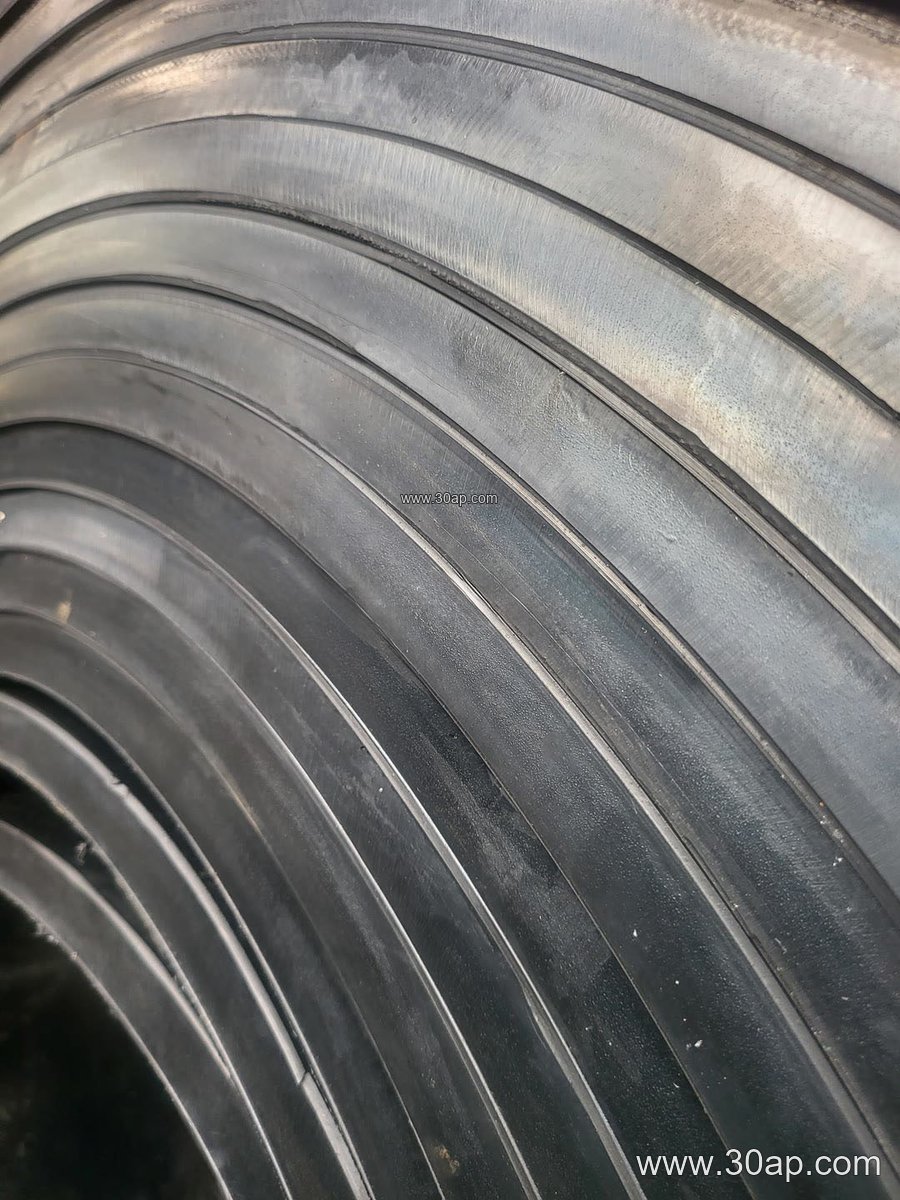
Fabric core grades such as EP conveyor belt and NN conveyor belt constructions are widely used in general industry, and food versions follow similar carcass logic with covers and finishes chosen for hygiene. Steel cord conveyor belt designs are normally reserved for long, high-tension haulage in mining, cement, and power plant service, not for food-contact runs. Where the surrounding plant is a quarry, crusher, or aggregate operation, the belting on those circuits is usually an abrasion resistant or impact resistant grade, and the food grade belt stays on the packaging and ingredient side.
What Buyers Should Check
- Confirm the intended contact type: direct food contact, incidental contact, or packaged product only.
- Ask for the cover compound and color, and confirm the cleaning chemicals and temperatures the belt will see.
- Check the splice method. An endless belt avoids a mechanical fastener that can trap residue.
- Review the pulley and idler roller arrangement, including lagging and bearing sealing, since the belt alone does not make a line hygienic.
- Verify belt width, cover thickness, and ply count against the actual conveyor design rather than a catalog default.
- Plan a cleaning and inspection routine for profiles, edges, and the return side.
For buyers sourcing at scale, a sensible approach is to specify the belt by function first, then by construction: contact requirement, cleaning regime, incline, load, and pulley layout. A belt that suits a bakery transfer may be wrong for a washdown dairy line even when both are sold as food grade. Matching the belt to the conveyor pulley, idler roller, and bracket layout at the design stage avoids later rework and keeps the hygiene plan practical.