What a Custom Conveyor Bracket Really Does
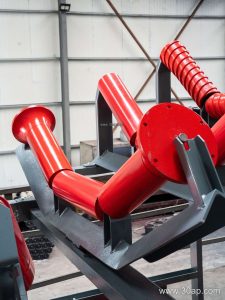
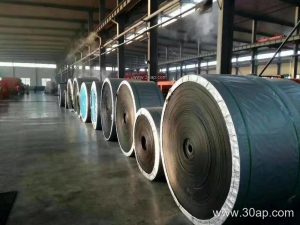
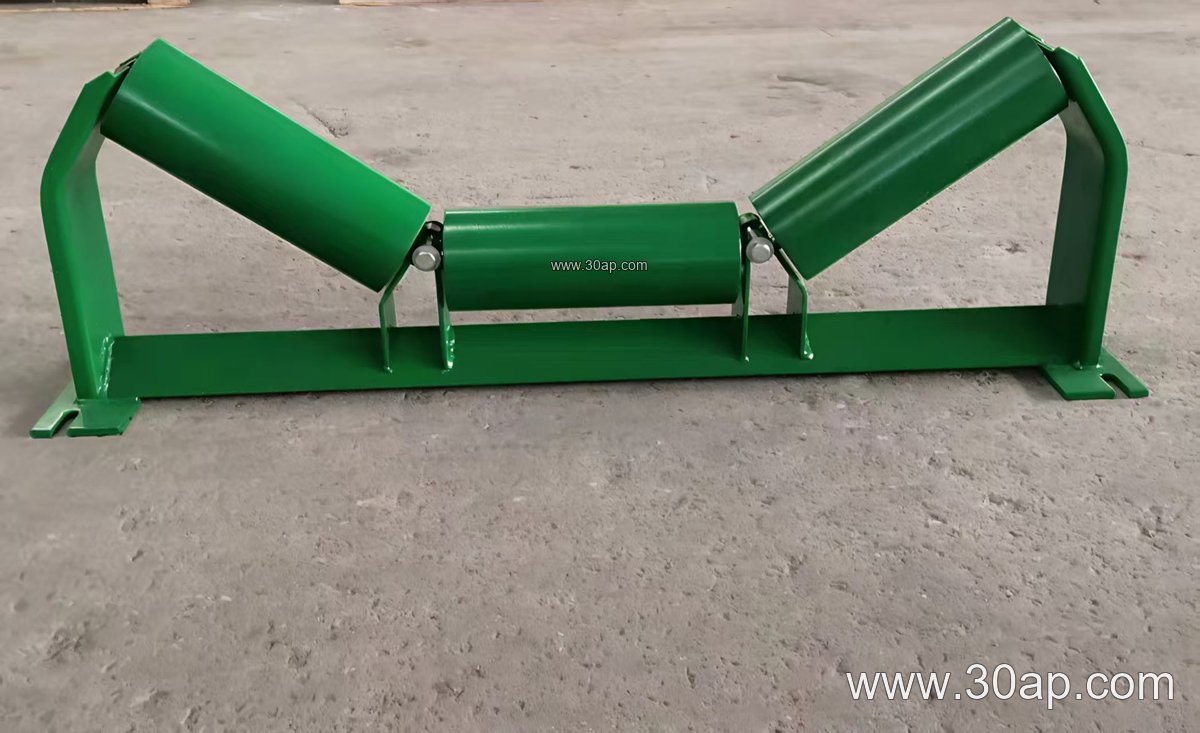
In a quarry, a cement plant, or a coal handling system, the conveyor bracket is the quiet workhorse that holds every idler roller in place. A custom conveyor bracket is not an off-the-shelf part; it is designed and fabricated to match your specific belt width, trough angle, roller diameter, and structural interface. Whether you are upgrading an existing line or building a new one, the bracket determines how well the belt tracks, how evenly the load is carried, and how quickly maintenance can be performed. For operators dealing with abrasion resistant conveyor belt in a crusher circuit or a flame retardant conveyor belt in a coal mine, the bracket must also withstand vibration, dust, and occasional impact.
Construction and Material Choices
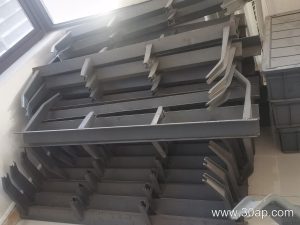
Most custom brackets are formed from angle steel, channel steel, or bent steel plate. The choice depends on the load and the environment. In a sand and gravel line, a lighter angle-steel bracket may be sufficient, while a steel plant or iron ore application often calls for reinforced channel construction. The bracket’s geometry—base plate, mounting holes, and roller seats—is cut and drilled to suit the conveyor frame. Adjustable versions allow the trough angle to be set between common values such as 20, 30, 35, or 45 degrees, which helps when a single conveyor must handle different materials or when belt training needs fine-tuning.
Where Custom Brackets Fit in the System
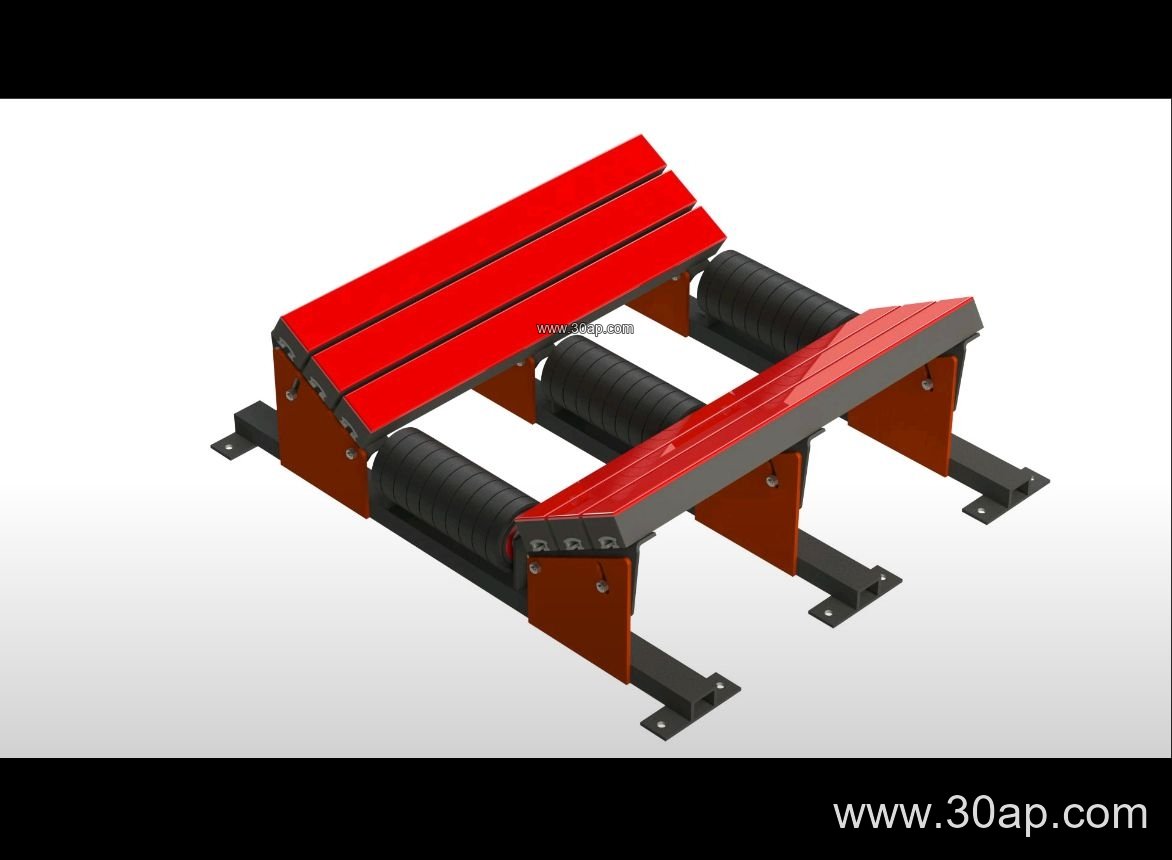
Custom brackets appear at the carrying side (troughing brackets), the return side (flat or V-return brackets), and at transition zones where the belt changes shape. They are also used with impact brackets under loading points and with self-aligning brackets in areas prone to belt misalignment. In a typical limestone mine, you might see a B1000 belt running at 35 degrees with Ø108 idlers, all supported by custom troughing brackets. In a power plant coal yard, a B1200 belt at 45 degrees with Ø133 rollers may use heavier brackets to resist material buildup. The bracket must be matched to the conveyor pulley layout and the conveyor belt path, but it is never a substitute for the pulley itself—drive, tail, and bend pulleys serve different functions and are not interchangeable with brackets.
Key Parameters Buyers Should Confirm
When specifying a custom conveyor bracket, the following details should be agreed with the fabricator. Values are typical and should be confirmed by design:
| Parameter | Common Range / Example |
|---|---|
| Belt width (B) | B500, B650, B800, B1000, B1200, B1400, B1600, B1800, B2000 |
| Trough angle | 20°, 30°, 35°, 45° (adjustable brackets cover a range) |
| Idler diameter | Ø89, Ø108, Ø133, Ø159, Ø194 |
| Material | Angle steel, channel steel, bent steel plate |
| Mounting hole spacing | Determined by belt width and frame design |
Notice that a single belt width can be paired with different trough angles and roller diameters depending on the load and belt speed. For example, a B800 belt might run at 30° with Ø89 rollers in a light-duty application, or at 35° with Ø108 rollers in a heavier one. The bracket’s crossbeam length and hole pattern change accordingly, so there is no universal fixed dimension.
Selection Tips for Different Industries
In a coal preparation plant, brackets should be easy to clean and resistant to corrosion; a PVC mining conveyor belt or PVG800S conveyor belt may be used alongside them. In an aggregate operation, impact brackets under the crusher discharge protect the belt and the idlers. For a port terminal handling EP conveyor belt or steel cord conveyor belt, custom brackets may need extra stiffness to handle high tension and wind loads. Always match the bracket’s load rating to the idler roller and the belt’s weight, and consider future maintenance access—bolted connections are easier to replace than welded ones in the field.
Installation and Maintenance Notes
Proper alignment is critical. Install brackets so that all idlers sit at the same height and angle, and check that the belt runs centered through the transition zones. Adjustable brackets can correct minor misalignment, but they are not a fix for a poorly aligned frame. Inspect brackets for loose bolts, bent steel, or corrosion during scheduled shutdowns. In dusty environments such as a cement plant or a lime kiln feed line, clean accumulated material from the bracket seats to prevent the idlers from seizing. Replacing a worn bracket is usually straightforward if the original hole pattern is recorded—another reason to keep drawings for every custom part.
Buyer Checklist
- Confirm belt width, trough angle, and idler diameter with your conveyor layout.
- Specify material and surface treatment (painted, galvanized, or bare) based on the environment.
- Request drawings showing mounting hole spacing and crossbeam length.
- Clarify whether brackets are fixed or adjustable, and the adjustment range.
- Check compatibility with your existing conveyor frame and idler roller types.
- Plan for spare brackets for critical zones such as loading points and transitions.
A well-made custom conveyor bracket may be a small component, but it keeps the entire belt system running straight and stable. Whether you are working with a heat resistant conveyor belt in a foundry or a corrugated sidewall conveyor belt in a fertilizer plant, the right bracket design pays off in uptime and safety.