What a 2000mm Conveyor Belt Is
A 2000mm conveyor belt is a wide belt designed for conveyor systems that need to move large volumes of bulk material in a single pass. The 2000mm figure refers to the belt width, which is among the wider standard sizes used in heavy industries such as mining, coal preparation, cement plants, power stations, and large quarry and aggregate operations. This width is often chosen when a single conveyor must handle high tonnage without excessive belt speed, helping to reduce spillage and wear on other components like idler rollers and conveyor pulleys.
Construction and Material Options
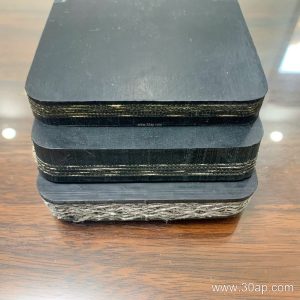
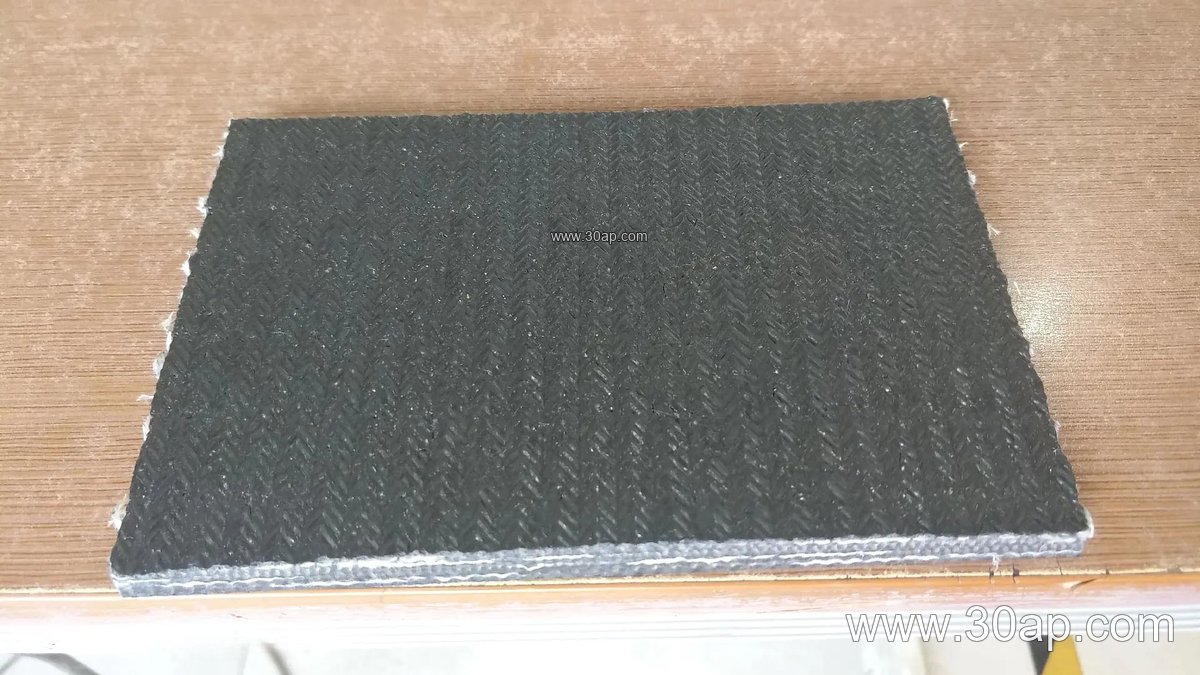
The construction of a 2000mm conveyor belt follows the same principles as narrower belts but places higher demands on the carcass and cover compounds. Common carcass types include EP conveyor belt (polyester-nylon), NN conveyor belt (nylon-nylon), and steel cord conveyor belt for the most demanding tension and impact conditions. Fabric core conveyor belts may use multiple plies, typically two to six layers, depending on the required strength. Cover rubber grades are selected for the specific environment: abrasion resistant conveyor belt for sharp rock and ore, heat resistant conveyor belt for cement clinker or sinter, flame retardant conveyor belt for coal mining and underground coal mining conveyor belt systems, oil resistant conveyor belt for certain industrial feed streams, and cold resistant conveyor belt for low-temperature operations.
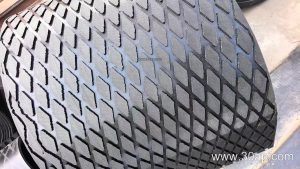
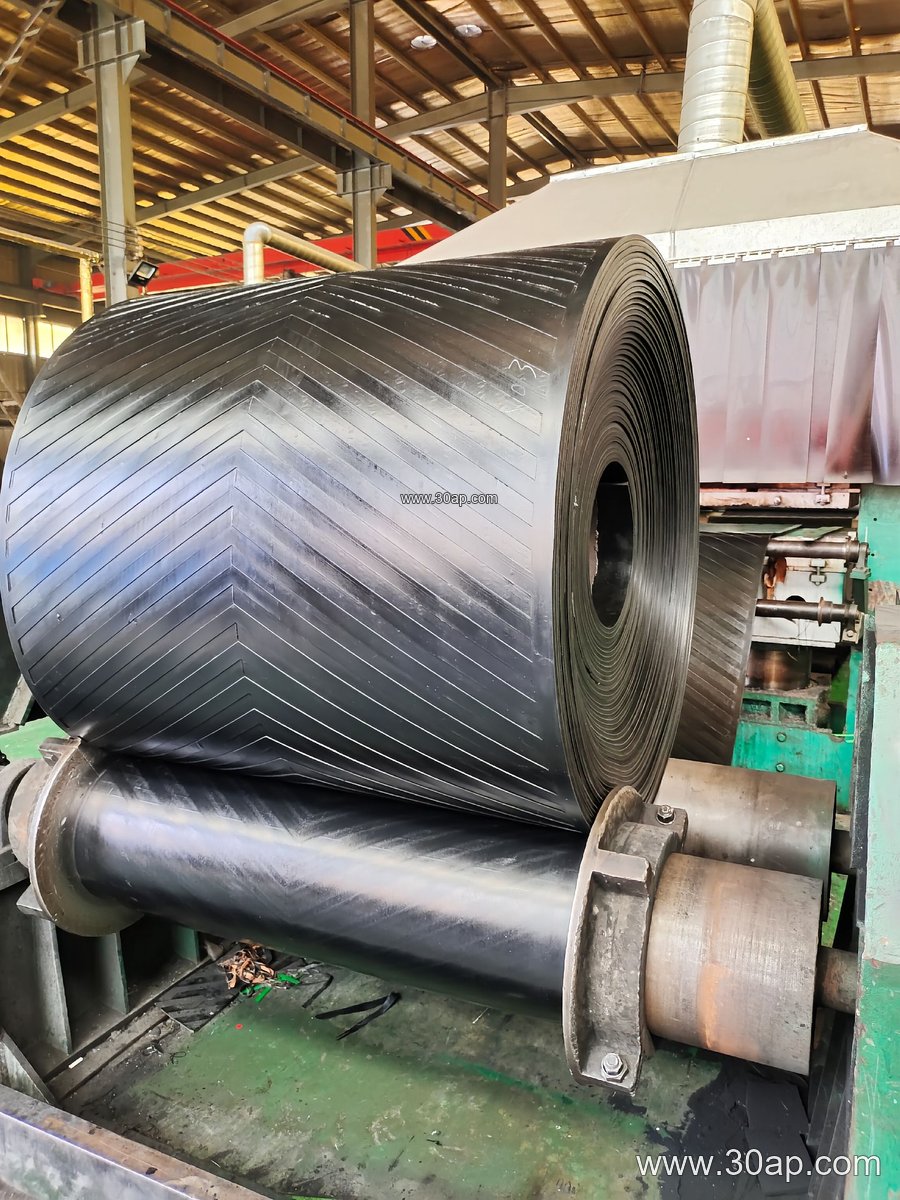
Special constructions such as chevron conveyor belt, skirted conveyor belt, and corrugated sidewall conveyor belt can be produced in 2000mm width where the application requires inclined transport or material containment. However, these are distinct subtypes and should be specified only when the conveyor design calls for them.
Typical Specifications and Reference Data
When specifying a 2000mm conveyor belt, buyers usually work from the required tensile strength, number of plies, cover thickness, and rubber quality. The table below gives common reference values; actual supply should be confirmed with the manufacturer based on the conveyor design.
| Parameter | Common Reference Range |
|---|---|
| Belt width | 2000 mm (B2000) |
| Carcass type | EP, NN, steel cord |
| Strength grade (EP/NN) | EP200 to EP2000, NN100 to NN400 |
| Steel cord grade | ST1000 to ST3150 |
| Number of plies | 2 to 6 (fabric core) |
| Cover thickness | 3+1.5 mm, 4+2 mm, 5+2 mm, 6+2 mm, 8+3 mm |
| Special properties | abrasion resistant, heat resistant, flame retardant, oil resistant, anti-static, cold resistant |
These values are indicative only. A 2000mm belt does not automatically dictate a specific pulley diameter or shaft size; those are determined by the conveyor designer based on belt tension, load, and safety factors.
Where 2000mm Belts Are Used
Wide belts are common in high-capacity bulk material conveyor belt systems. In the mining industry, they may appear in ore conveyor belt lines for iron ore, copper ore, or gold mining operations, as well as in heavy-duty mining conveyor belt circuits. Coal mining conveyor belt and underground coal mining conveyor belt systems sometimes use wide flame retardant or anti-static belts to meet safety requirements. Cement plants use heat resistant and abrasion resistant belts for clinker and raw material transport. Power plants rely on wide belts for coal handling, while quarry conveyor belt and aggregate conveyor belt operations use them to move crushed rock and sand. Port and ship loading facilities also use wide belts for fast loading and unloading of bulk cargo.
Buyer Checklist
Before ordering a 2000mm conveyor belt, confirm the following:
- Required tensile strength and carcass type (EP, NN, or steel cord).
- Cover rubber grade and thickness for the material and environment.
- Whether flame retardant or anti-static properties are mandatory for the site.
- Belt splice method and whether an endless conveyor belt is preferred.
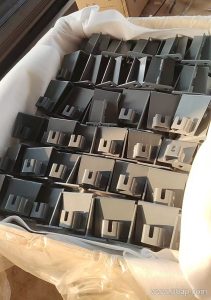
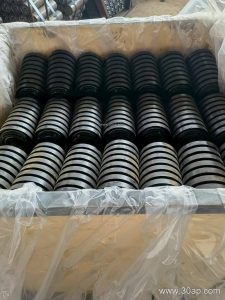
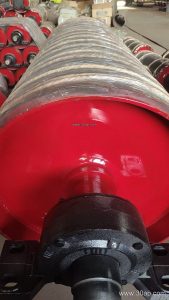
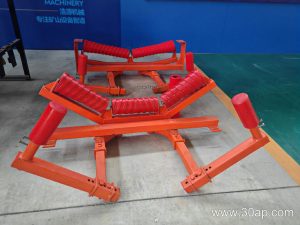
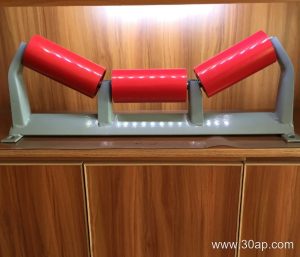
- Compatibility with existing idler roller, conveyor pulley, and conveyor bracket dimensions.
- Minimum bend radius and pulley sizes specified by the conveyor designer.
For assistance with wide belt selection, visit montagne.com/2000mm-conveyor-belt or explore related components such as montagne.com/conveyor-idler-roller and montagne.com/conveyor-pulley.
Maintenance Notes
Wide belts require attention to tracking and load distribution. Misalignment can cause edge damage and accelerated wear on idler rollers and pulleys. Regular inspection of the belt surface, splice condition, and cleaner performance helps extend service life. In dusty or abrasive environments, keeping the conveyor structure and brackets free of buildup supports smooth operation.