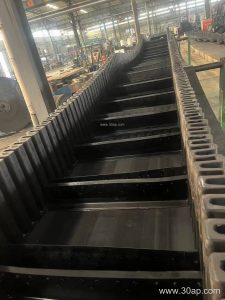
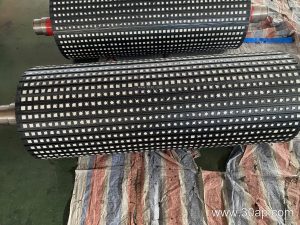
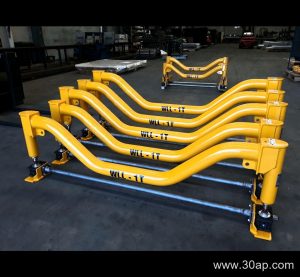
What a Heavy-Duty Conveyor Bracket Does
A heavy-duty conveyor bracket is the structural support that holds the idler roller or conveyor pulley assembly in the correct position along a conveyor frame. In practice, the term usually refers to a reinforced idler bracket or conveyor bracket built from angle steel, channel steel, or folded steel plate, designed to carry the weight of a loaded conveyor belt without flexing or loosening. On a quarry conveyor or a cement plant feed line, this bracket is the quiet component that decides whether the belt tracks smoothly or wanders off centre.
The bracket is not a wear part in the same sense as a roller, but it is the anchor for every roller and pulley arrangement above and below the belt. When brackets are undersized, troughing angles drift, idlers tilt, and belt edges begin to rub.
Construction and Mounting Positions
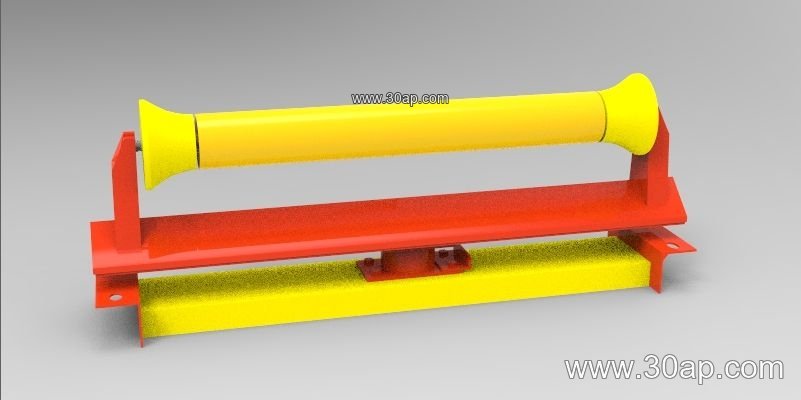
Most heavy-duty conveyor brackets are welded or bolted frames. The main body is often C-channel or angle steel, with drilled mounting slots for the idler roller shaft. A well-built bracket keeps the roller axis square to the belt path, which matters on inclined haulage in an iron ore mine or a coal mining conveyor line.
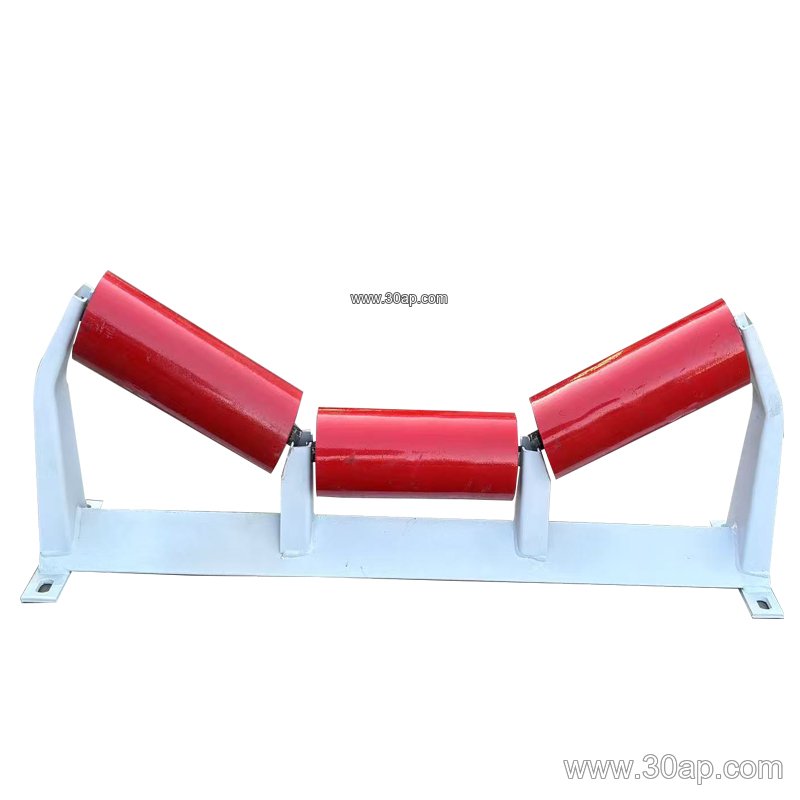
Brackets appear in several positions along one conveyor:
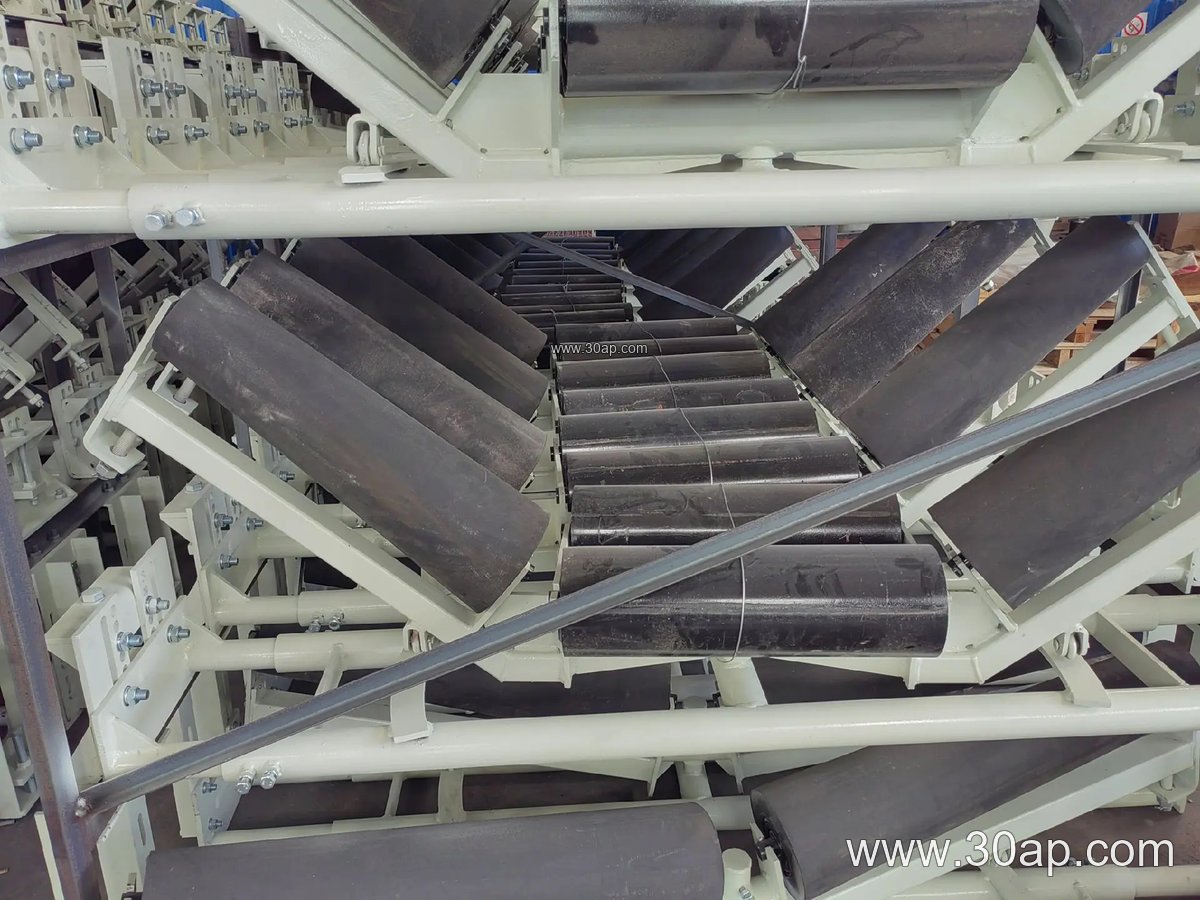
- Troughing brackets carry the loaded belt on the upper run, usually as a set of three rollers.
- Transition brackets sit near the head and tail, guiding the belt from flat to troughed profile.
- Return brackets support the empty belt, including flat and V-return forms.
- Impact brackets are reinforced for loading zones under a crusher or transfer chute.
- Self-aligning brackets allow small lateral corrections where the belt tends to drift.
The drive pulley and tail pulley are separate assemblies with their own bearing housings; they are not interchangeable with idler brackets, and a bracket designed for a troughing idler should never be used to mount a pulley.
Common Reference Dimensions
Bracket geometry follows belt width, troughing angle, and roller diameter. The values below are typical reference ranges, not fixed pairings. A wider belt does not automatically require one specific troughing angle, and shaft size is set by the roller and load design, not by belt width alone.
| Parameter | Common reference values |
|---|---|
| Belt width | B500, B650, B800, B1000, B1200, B1400, B1600, B1800, B2000, B2200 |
| Troughing angle | 20°, 30°, 35°, 45°; adjustable brackets can be set within this range |
| Roller diameter | Ø89, Ø108, Ø133, Ø159, Ø194 |
| Material | Angle steel, channel steel, folded steel plate |
| Forward tilt (where used) | about 1.5° to 2° |
Typical combinations such as B800 with 35° and Ø108, or B1200 with 45° and Ø133, are common starting points rather than rules. Hole spacing and crossbeam length change with belt width and troughing angle, so brackets are usually ordered against a drawing.
Where These Brackets Are Used
Heavy-duty conveyor brackets suit abrasive and high-tonnage duty. In a limestone quarry, impact brackets under the primary crusher discharge absorb constant stone loading. In a power plant coal yard, flame retardant conveyor belt runs on troughing brackets that must stay aligned through long transfer houses. The bracket itself does not care what it carries, but its stiffness and corrosion protection should match the site.
On a crushed stone line, a heavy-duty conveyor bracket paired with a multi-ply fabric core conveyor belt and sturdy idler rollers reduces edge damage. Where the belt is a steel cord conveyor belt on a long overland run, bracket spacing and alignment become even more critical because belt tension is higher.
Adjustable Versus Fixed Designs
Fixed troughing brackets are simple and rigid, and they are the usual choice on conveyors with a stable, known profile. Adjustable brackets let maintenance staff change the troughing angle or fine-tune roller contact without replacing the frame. Self-aligning and forward-tilt brackets are a separate family: they rotate slightly to steer the belt, and they should be chosen for tracking problems rather than as a general replacement for fixed troughing brackets.
Buyer Checklist
- Confirm belt width, required troughing angle, and roller diameter before requesting a quote.
- Ask for a drawing showing hole spacing and crossbeam length, since these vary by design.
- Specify the loading zone so impact brackets can be reinforced where needed.
- Match surface protection to the site: wash-down, humidity, or abrasive dust.
- Check that bracket height suits the conveyor pulley and belt line, not just the idlers.
- Plan spare brackets for transition and impact positions, which see the most stress.
A heavy-duty conveyor bracket is a small line item with a large effect on belt life. Getting the troughing angle, roller size, and mounting detail right at the ordering stage is cheaper than correcting a mistracking belt later.