What a Conveyor Bracket Quotation Covers
A conveyor bracket quotation is a priced breakdown of the support frames that hold idler rollers and carry the belt along a conveyor line. Buyers often call this item a belt conveyor idler support frame or roller bracket, and the quotation should make clear which of these names the supplier is pricing. The bracket is not the pulley, the roller, or the belt itself; it is the structure that positions them. Drive pulleys, tail pulleys, and bend pulleys are separate components with their own quotations, and they should never be treated as interchangeable with a bracket.
Because a bracket set is usually fabricated rather than catalogued as one fixed part number, a useful quotation describes the drawing, material, and duty rather than offering a single generic figure.
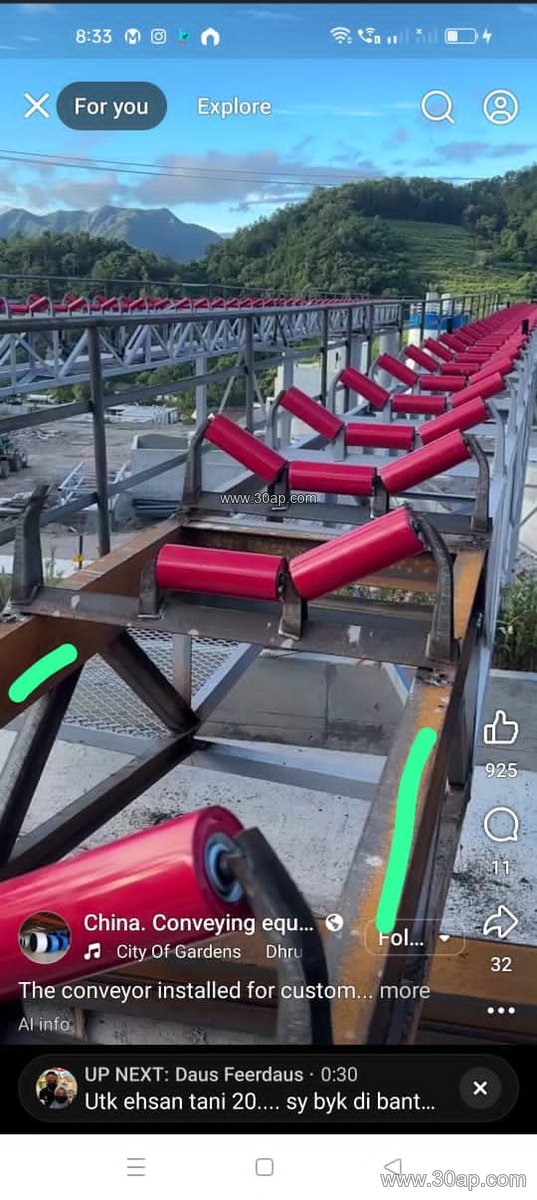
How the Bracket Is Built
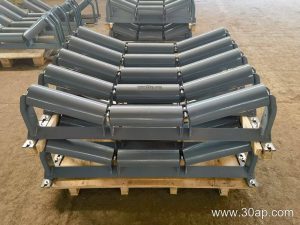
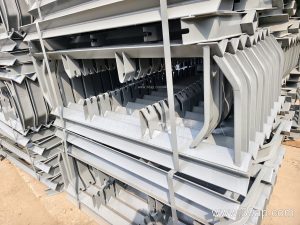
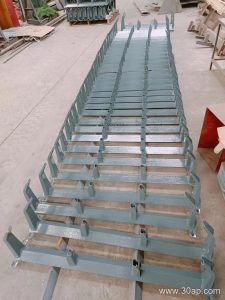
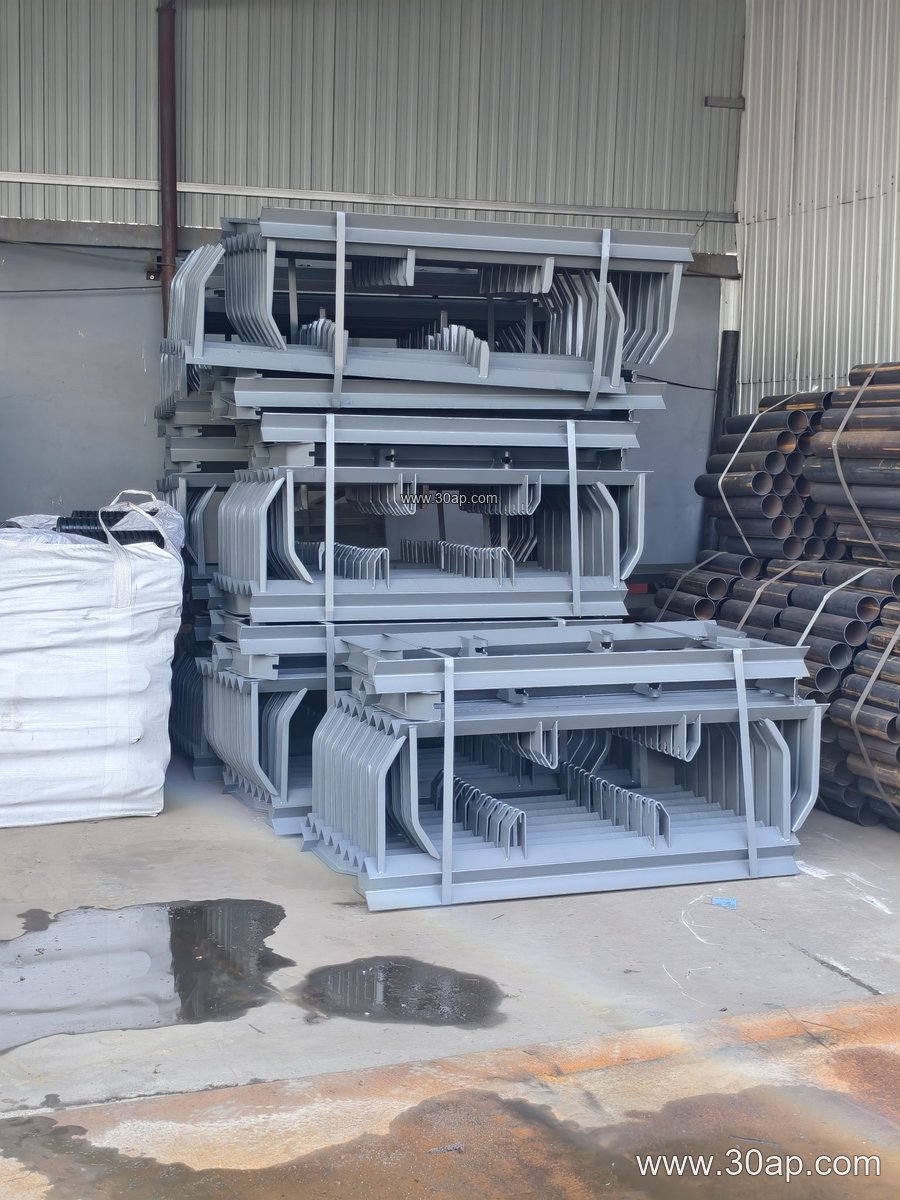
Most conveyor brackets are made from angle steel, channel steel, or folded steel plate, welded or bolted into a frame that matches the conveyor width and trough angle. A typical quotation separates the frame types so the buyer can see where the cost sits:
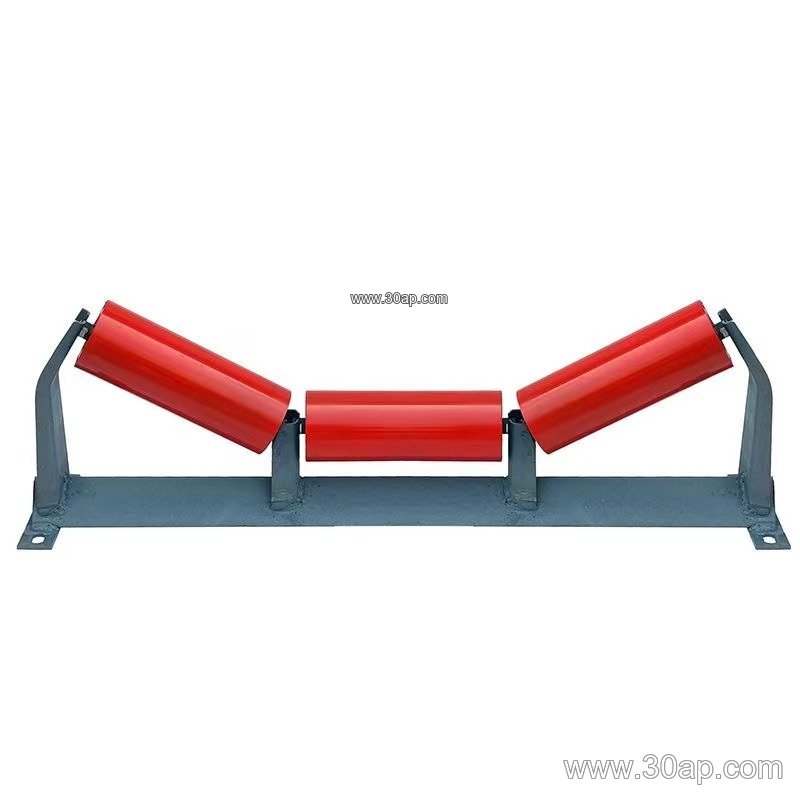
- Troughing bracket set for carrying idlers, with fixed or adjustable trough angle
- Transition bracket near the loading and discharge points
- Return bracket, including flat return and V-return designs
- Impact bracket for buffer idlers under the loading zone
- Self-aligning and forward-leaning bracket variants
Surface treatment matters too. Paint, hot-dip galvanizing, and powder coating are quoted differently, and the buyer should confirm which finish is included rather than assuming a default.
Matching the Bracket to Belt Width and Roller Diameter
The frame length and mounting hole spacing follow the belt width and trough angle, so these dimensions are normally confirmed per design rather than taken from a single standard table. Common belt widths in bracket quotations include B500, B650, B800, B1000, B1200, B1400, B1600, B1800, B2000, B2200, and beyond. Roller diameters such as Ø89, Ø108, Ø133, Ø159, and Ø194 appear alongside them. A bracket does not lock one belt width to one roller diameter; the same width can be quoted with different roller sizes depending on load and belt speed.
Trough angles of 20, 30, 35, and 45 degrees are frequently requested, and adjustable brackets allow the angle to be changed on site. Forward-leaning frames are commonly set around 1.5 to 2 degrees. The table below shows how a quotation might be organized. Values are indicative and should be confirmed against the actual drawing.
| Bracket Type | Typical Belt Width | Trough Angle | Common Roller Diameter |
|---|---|---|---|
| Troughing bracket, fixed | B800 | 35 degrees | Ø108 |
| Troughing bracket, adjustable | B1200 | 30 to 45 degrees | Ø133 |
| Transition bracket | B1000 | 20 to 35 degrees | Ø108 / Ø133 |
| V-return bracket | B1400 | Not applicable | Ø133 / Ø159 |
| Impact bracket | B1600 | 35 degrees | Ø159 |
Where These Brackets Are Used
Support frames appear wherever a belt conveyor runs, but the duty differs by site. In a limestone quarry or a crushing and screening line, impact brackets under the feed point protect the belt from lump shock, and a high abrasion resistant conveyor belt is often specified together with heavy frames. In a coal preparation plant or a power plant coal yard, flame retardant and anti-static requirements usually extend to the whole support structure, including the bracket finish and grounding path. In a cement plant or a port ship-loading system, long spans call for stable troughing frames and well-aligned return brackets to keep the belt tracking.
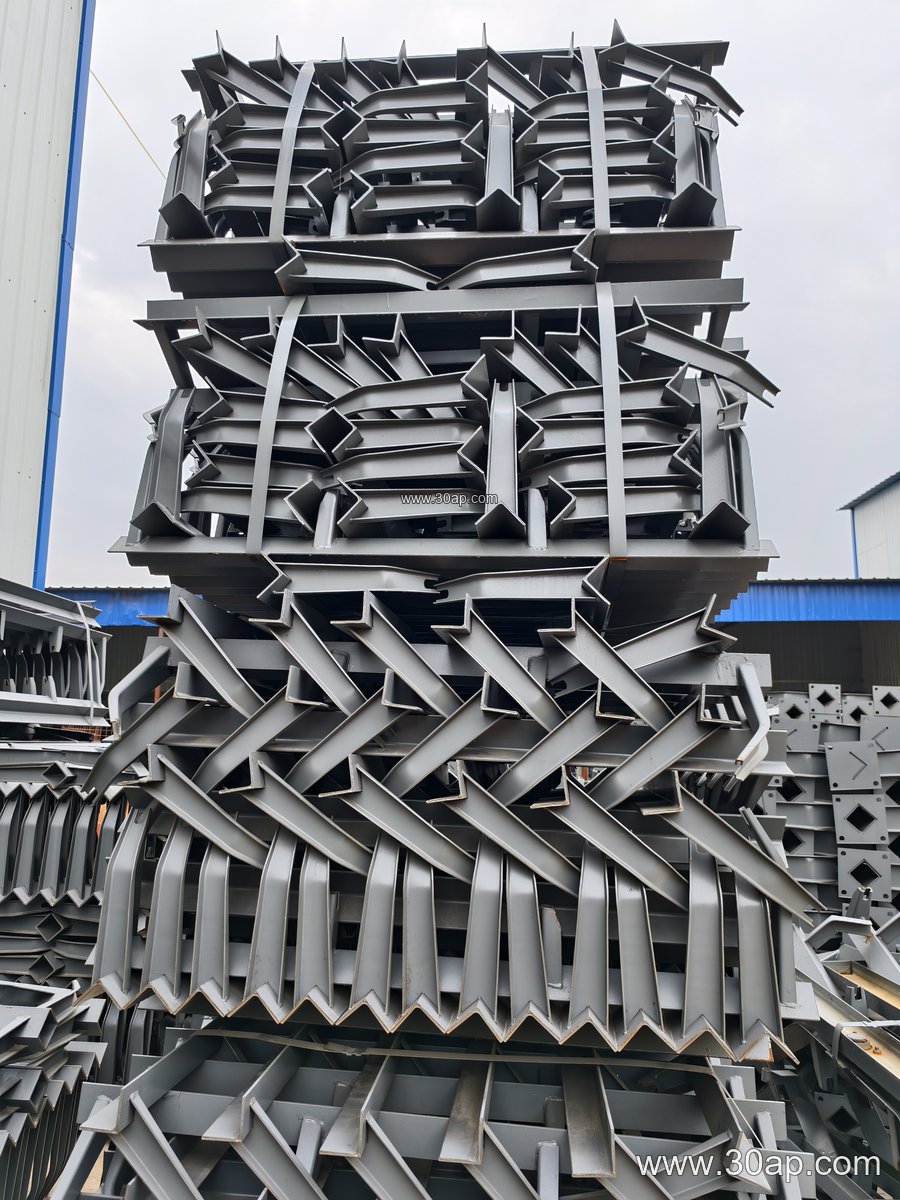
Other industries such as fertilizer granulation, grain silos, and tunnel muck removal have their own preferences for galvanized or painted frames, and the quotation should reflect the site condition rather than a generic package.
What to Check Before Accepting the Price
A clear quotation should state the drawing revision, material grade and thickness, welding standard, surface treatment, and the number of pieces per set. Ask whether fasteners, mounting bolts, and idler mounting plates are included. Confirm whether the price covers only the bracket or also the conveyor pulley alignment check and the conveyor belt installation advice. For an EP conveyor belt or a steel cord conveyor belt line, the bracket load rating should match the belt and material weight, not just the width.
Finally, request a per-unit and per-set breakdown so that later additions, such as extra self-aligning brackets or a change from fixed to adjustable trough angle, can be priced consistently. For reference drawings and bracket options, see conveyor bracket and related conveyor pulley information.