What an Aggregate Conveyor Pulley Does
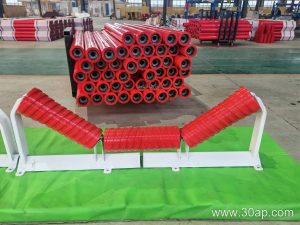
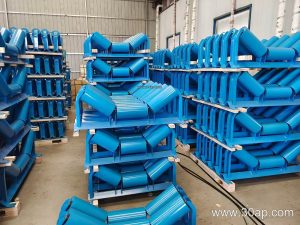
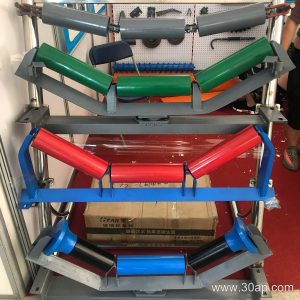
An aggregate conveyor pulley is the rotating drum at the heart of a belt conveyor, transferring motion to the belt or guiding it along its path. In a sand and gravel pit or a crushing and screening circuit, these drums sit at the head, tail, and intermediate points of the conveyor frame, working alongside the conveyor belt, idler roller, and conveyor bracket to keep material moving. The term covers several distinct positions, and each one has its own duty, so a head pulley, tail pulley, and bend pulley should not be treated as interchangeable parts.
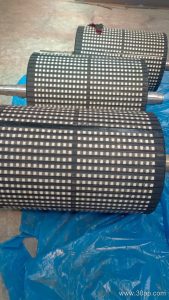
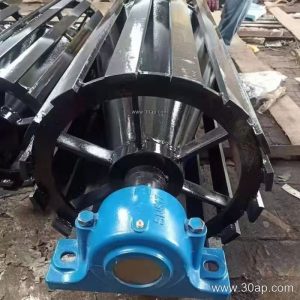
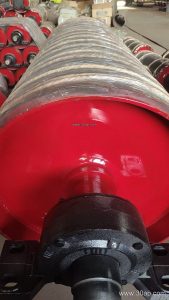
The pulley is usually built as a cylindrical shell with end discs, a shaft, and bearing housings mounted on the frame. The shell may be plain steel, or it may carry a rubber, ceramic, or grooved lagging to improve grip or shedding of sticky fines. The shaft diameter is determined by torque and load, not simply by belt width, so two conveyors of the same width can use quite different shaft sizes.
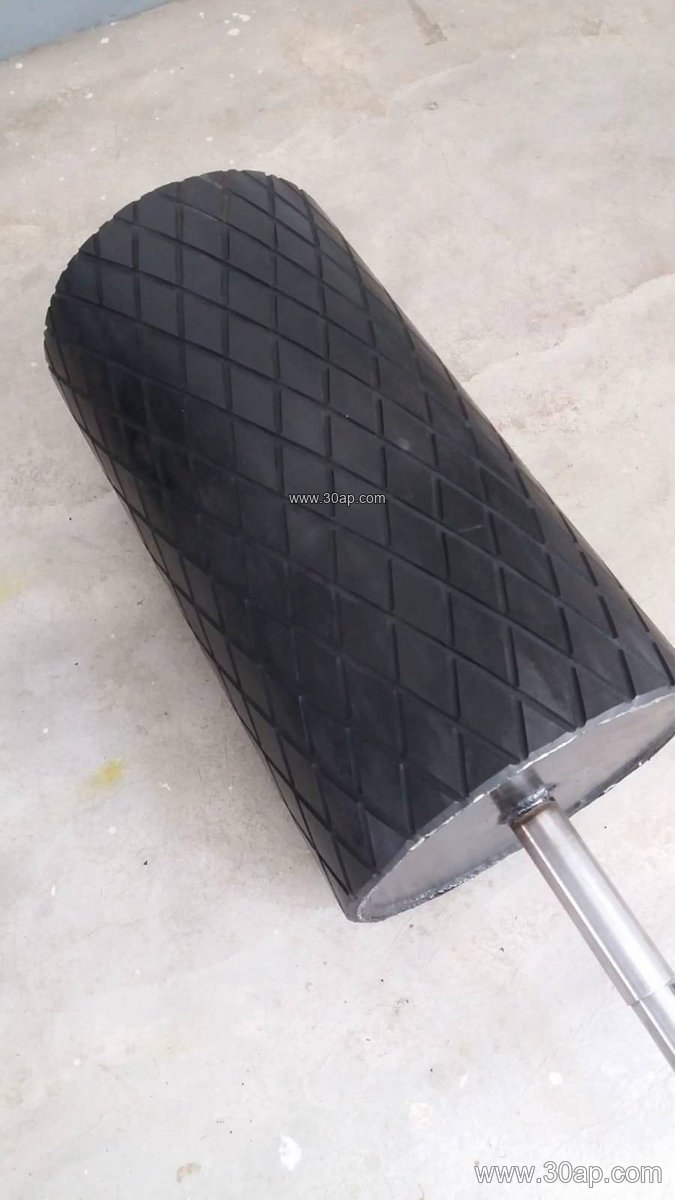
Construction and Surface Options
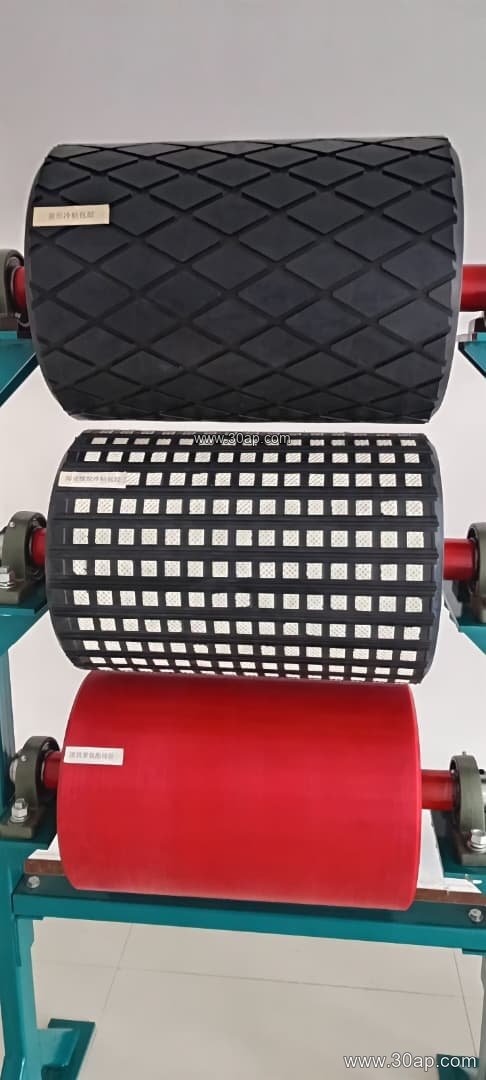
In aggregate service, abrasive rock dust and constant impact wear the shell. Common surface treatments include plain finish, cold-bonded rubber, hot-vulcanized rubber, diamond lagging, herringbone lagging, and ceramic lagging. Lagging thickness is often 8, 10, 12, 15, or 20 mm depending on the duty. The right choice depends on whether the pulley needs grip, self-cleaning, or wear protection.
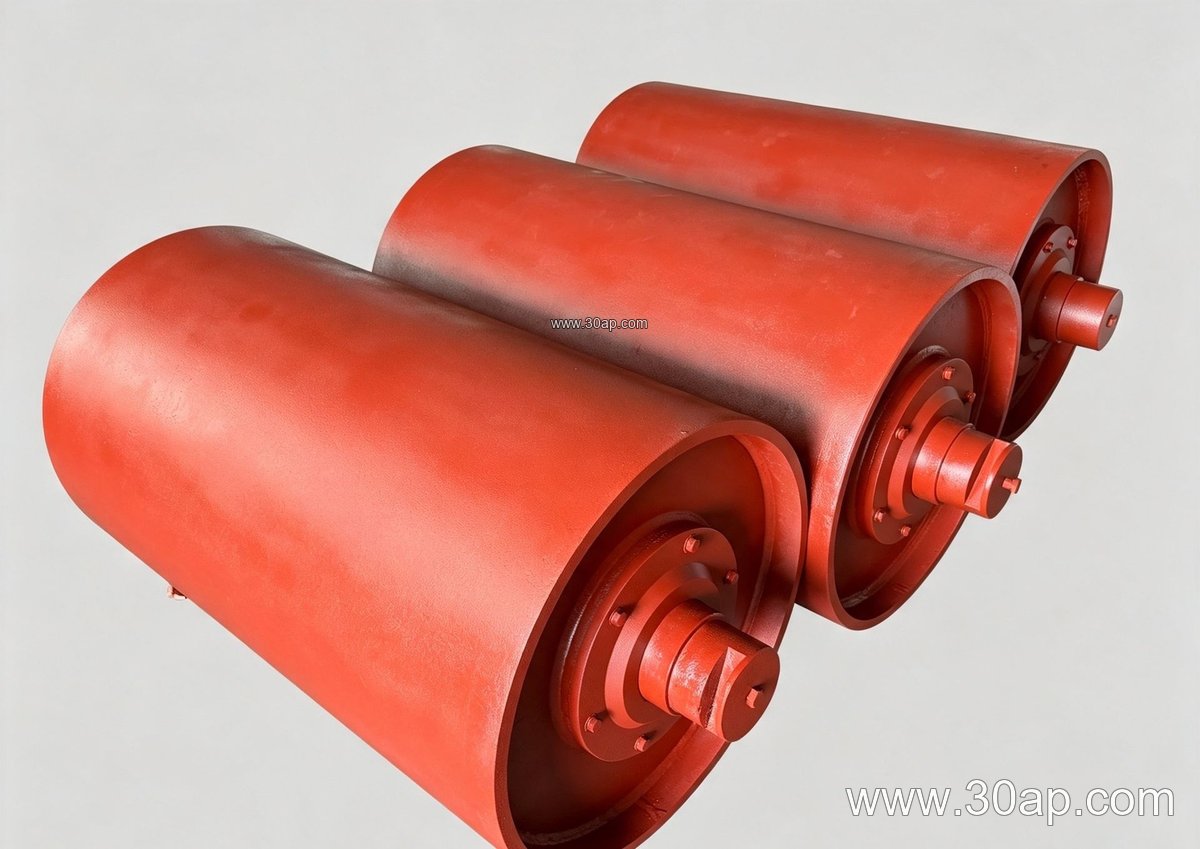
Typical reference data
| Item | Common range |
|---|---|
| Belt width (B) | B400, B500, B650, B800, B1000, B1200, B1400, B1600, B1800, B2000 |
| Pulley diameter | Ø200, Ø250, Ø315, Ø400, Ø500, Ø630, Ø800, Ø1000, Ø1250, Ø1400 |
| Shaft diameter | Ø50, Ø60, Ø70, Ø80, Ø90, Ø100, Ø120, Ø140, Ø160, Ø180, Ø200 |
| Face width | Usually wider than the belt, e.g. B800 approx. 950 mm, B1200 approx. 1400 mm |
These values are references, not fixed pairings. A B1200 × Ø1000 head drum and a B800 × Ø500 tail drum are both normal, and a B1400 × Ø800 arrangement may suit a short transfer. Always confirm the actual combination against the conveyor design.
Where It Fits in the Plant
In a quarry or limestone mine, the head pulley drives the discharge end of a crusher conveyor belt, while the tail pulley keeps the return strand aligned. A bend pulley changes direction where space is tight, and a take-up pulley maintains tension. Similar drums appear in cement plants handling clinker, in power plant coal yards, and in iron ore or copper ore handling lines. The same hardware also turns up in a concrete batching plant or a tunnel mucking system, where dust and moisture demand careful sealing.
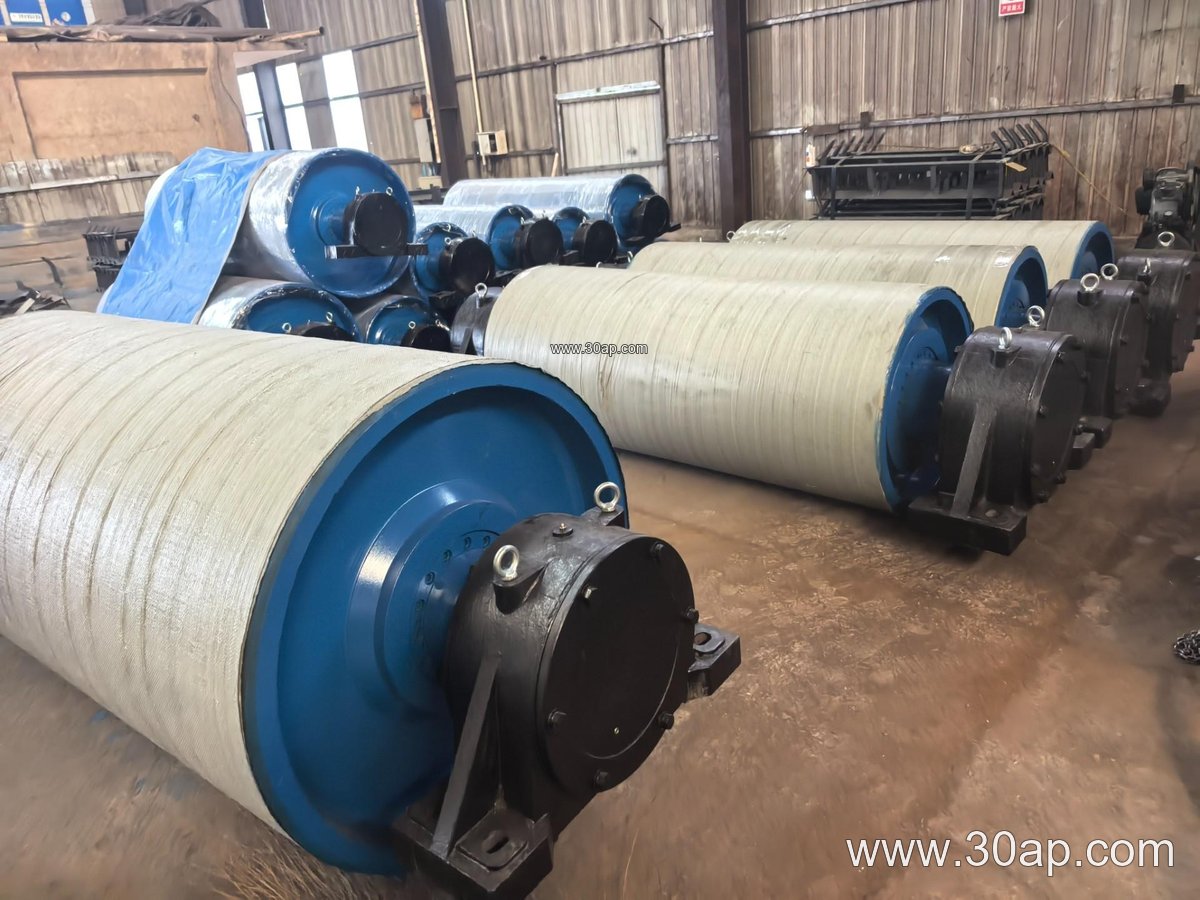
Because the pulley works with the conveyor belt, matching the drum face and lagging to the belt type matters. A heavy-duty mining conveyor belt or an abrasion resistant conveyor belt may call for thicker lagging, while an EP conveyor belt or a multi-ply fabric core conveyor belt running at moderate tension may work well with a standard rubber surface. In coal mining, a flame retardant conveyor belt is often specified, and the pulley lagging should be selected with the same fire-conscious approach.
Buyer Checklist
- Confirm the position: head, tail, bend, take-up, or snub, since the duty differs.
- Check shell diameter against belt speed and wrap angle, not belt width alone.
- Match lagging type and thickness to the material: wet, sticky, abrasive, or hot.
- Verify shaft size from torque and bearing load calculations.
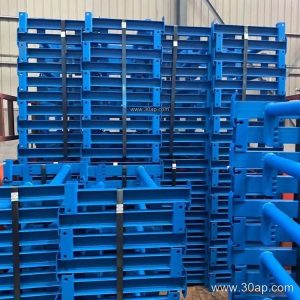
- Confirm face width and bearing centers fit the existing conveyor bracket.
- Ask about balance, runout, and bearing sealing for dusty aggregate conditions.
A well-specified aggregate conveyor pulley reduces belt slip and misalignment, and it protects the whole conveyor from premature wear. Buyers who compare position, surface, and shaft data rather than a single dimension will get a drum that fits the job.