What a Stainless Steel Pulley Does on a Conveyor
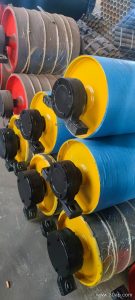
A stainless steel pulley is a rotating drum that carries and guides the conveyor belt at the head, tail, or intermediate points of a conveyor. In a coal mining conveyor line, a quarry conveyor, or a port bulk handling system, this component is often specified in stainless steel when washdown, humidity, or mildly corrosive dust is part of daily operation. It is still a conveyor pulley in function, but the shell, hubs, and often the shaft are made from stainless grades rather than painted carbon steel.
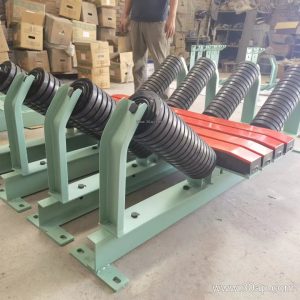
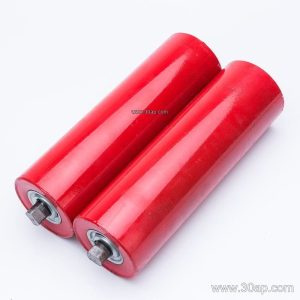
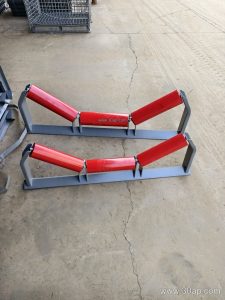
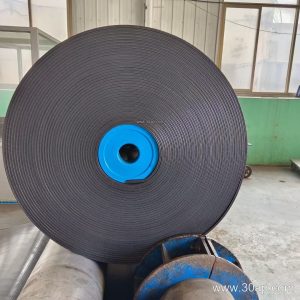
The pulley works together with the conveyor belt and the conveyor idler roller set. The belt wraps the drum, friction transfers torque, and the pulley diameter affects the bending stress in the belt carcass. A stainless steel pulley does not change that basic mechanics, but it does change how the drum behaves in wet or chemically exposed service.
How the Pulley Is Built
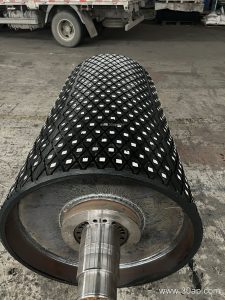
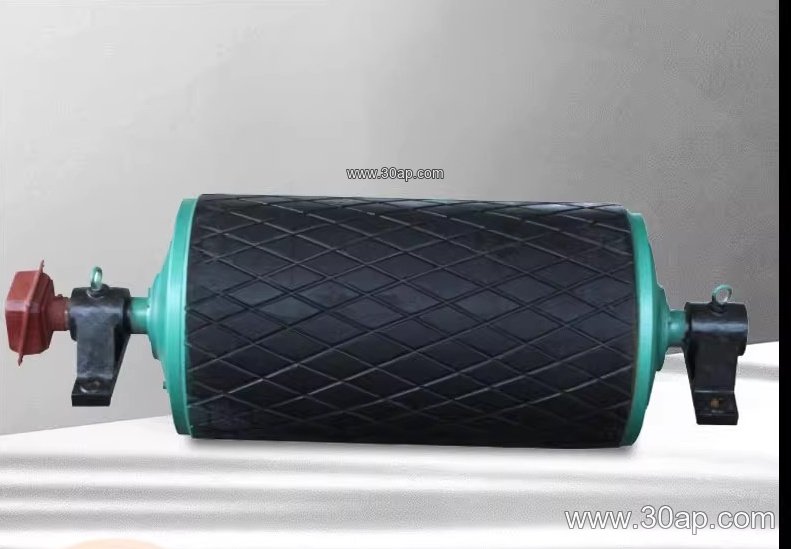
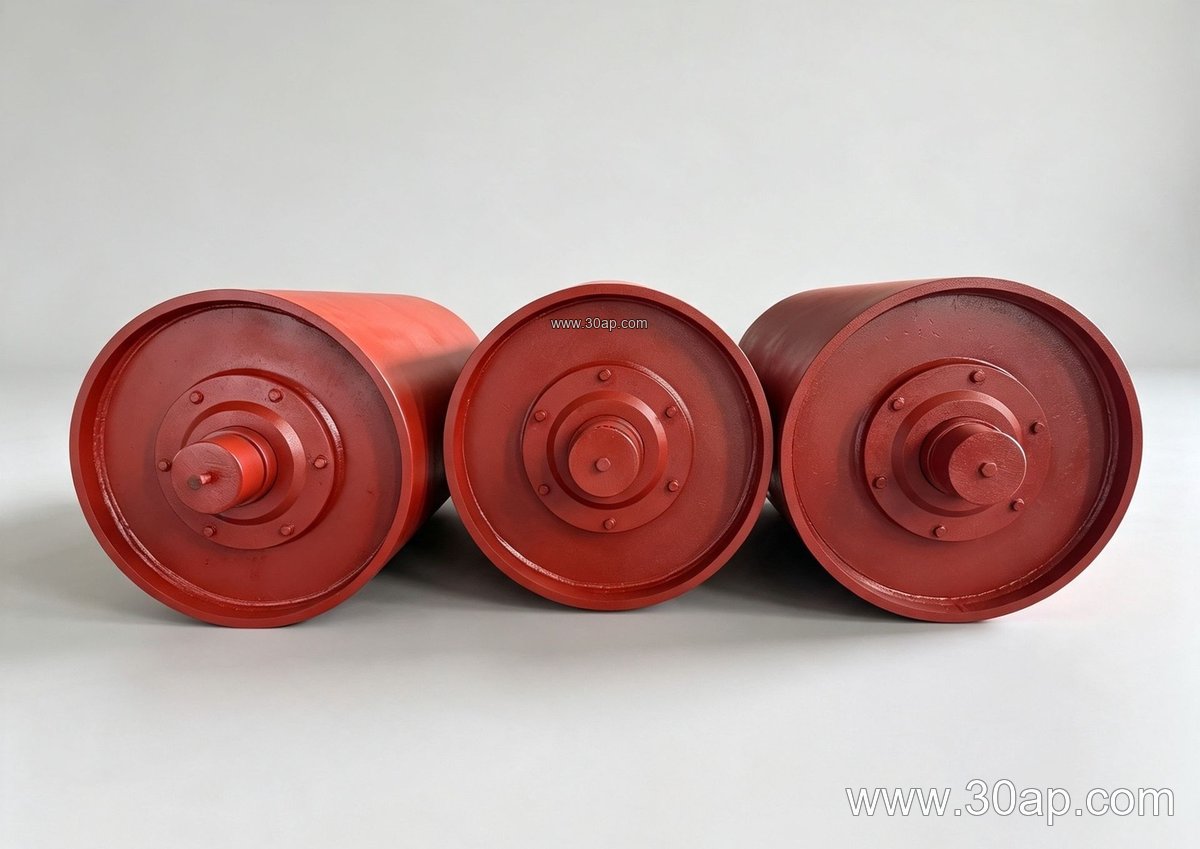
A typical stainless steel pulley has a cylindrical shell, two end discs, a hub, and a shaft. Some designs use welded construction; others use machined end plates and bolted hubs. The shell may be smooth or covered with rubber lagging for grip. Common surface forms include plain finish, cold-bonded rubber, hot vulcanized rubber, diamond grooving, and ceramic lagging. Lagging thickness is often 8, 10, 12, 15, or 20 mm depending on the duty.
Drive, tail, and bend pulleys are not interchangeable names. A drive pulley transmits torque from the gearbox to the belt. A tail pulley turns at the loading end. A bend pulley changes belt direction without driving. Each position places different loads on the shaft and bearings, so the stainless steel pulley should be selected for its actual role rather than treated as a generic drum.
Common Reference Dimensions
The table below shows reference data, not a fixed supply list. Final dimensions are set by the conveyor design, belt tension, and shaft torque.
| Belt width | Typical pulley face width | Example diameter range |
|---|---|---|
| B400 | about 500 mm | Ø200 to Ø315 |
| B650 | about 750 mm | Ø250 to Ø400 |
| B800 | about 950 mm | Ø315 to Ø500 |
| B1000 | about 1150 mm | Ø400 to Ø630 |
| B1200 | about 1400 mm | Ø500 to Ø800 |
| B1600 | about 1800 mm | Ø630 to Ø1000 |
| B2000 | about 2200 mm | Ø800 to Ø1250 |
Shaft diameters commonly range from Ø50 to Ø200, but the shaft size is determined by torque and load, not by belt width alone. A B800 pulley with a heavy load may need a larger shaft than a lightly loaded B1200 unit.
Where Stainless Steel Pulleys Fit
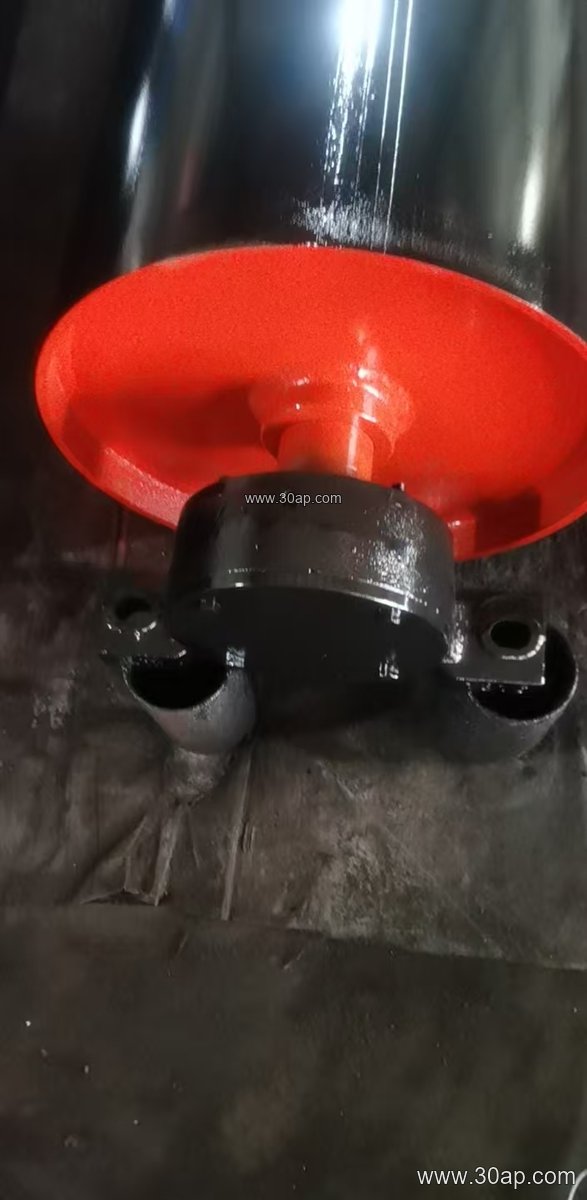
Stainless steel pulleys are often used in fertilizer plants, food and grain silos, coastal ports, and water treatment areas where carbon steel would rust quickly. In a limestone quarry or a cement plant, they may appear at washdown points or in dusty zones where moisture collects. They can also serve in a power plant coal handling line where belt cleaning sprays are used.
The pulley should match the belt. A heavy-duty mining conveyor belt with a steel cord carcass needs a different diameter and lagging than a lightweight fabric core belt. For abrasive ore, ceramic lagging can improve grip and wear life. For oily material, an oil resistant conveyor belt and a suitable lagging surface may be needed. In underground coal mining, flame retardant conveyor belt and anti-static properties are also important, and the pulley must be specified to suit the same environment.
Buyer Checklist
- Confirm the pulley position: drive, tail, bend, take-up, or snub.
- State the belt type, such as EP conveyor belt, NN conveyor belt, or steel cord conveyor belt, and the belt width.
- Give the required diameter, face width, shaft diameter, and bearing type.
- Choose the lagging: plain, diamond, ceramic, or rubber with a stated thickness.
- Confirm the stainless grade and whether the shaft is also stainless.
- Check the conveyor bracket and bearing housing interface before ordering.
A stainless steel pulley is only one part of the conveyor, but it influences belt tracking, belt life, and maintenance intervals. Matching the drum to the belt, the load, and the working environment is more useful than choosing a size from a table alone.