What a 2000mm Conveyor Belt Is
A 2000mm conveyor belt is a wide-width belt built for conveyor systems that must move large volumes of bulk material in a single pass. With a nominal width of two meters, it sits at the upper end of common belt widths, well above the 1200mm, 1400mm and 1600mm sizes often seen in general plant service. It is sometimes called a 2000mm wide conveyor belt, or simply a two-meter belt, and it is normally specified as part of a wide conveyor belt or extra-wide conveyor belt system.
The extra width pays off where tonnage per hour matters more than fine positioning: primary crushing stations, port loading lines, stockyard feed conveyors and large transfer points. It also suits plants that want to reduce the number of parallel conveyor lines by consolidating flow onto one wide belt.
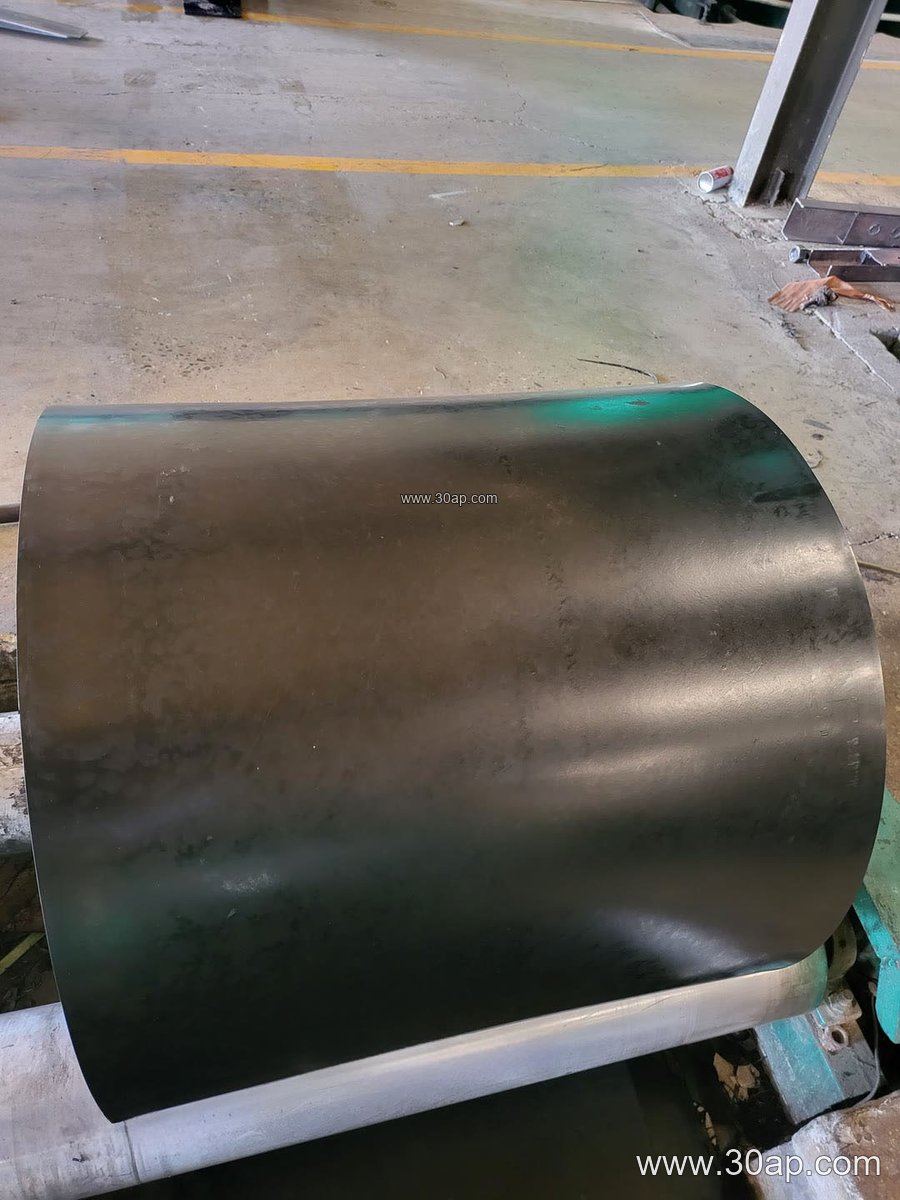
Construction and Core Options
Width alone does not define the belt. A 2000mm belt is usually built around a fabric core or a steel cord core, and the choice affects tension rating, splice method and pulley compatibility.
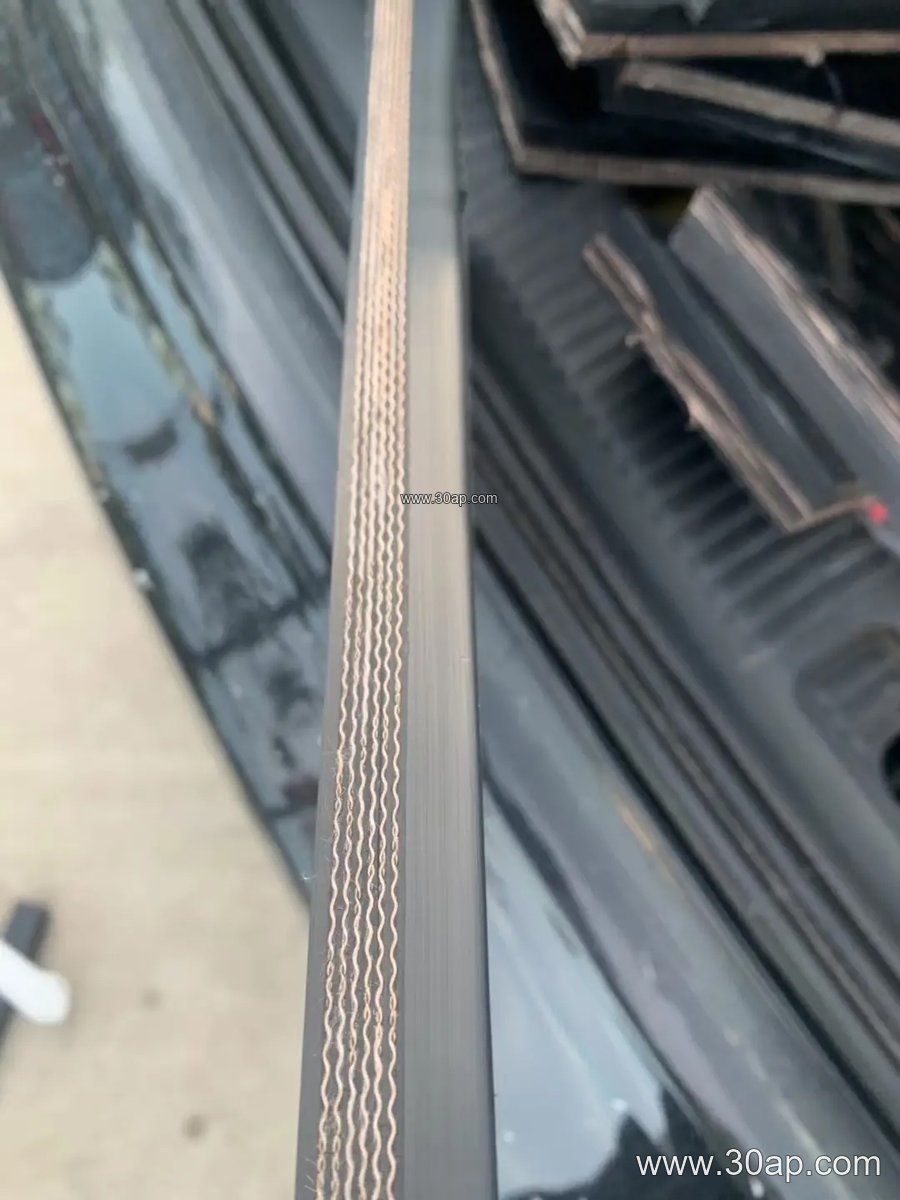
- Fabric core: EP conveyor belt (polyester warp, nylon weft) and NN conveyor belt (nylon warp and weft) are common. Multi-ply fabric core conveyor belt constructions usually run from 2 to 6 plies depending on duty.
- Steel cord: Steel cord conveyor belt is used where very high tension and long center distances are involved; ST ratings such as ST1600, ST2000 or ST2500 may appear in such designs, confirmed per project.
- Solid-woven and special cores: PVC conveyor belt and PVG conveyor belt are seen in underground coal mining conveyor belt service, often with flame retardant conveyor belt properties.
Cover compounds are selected by duty: abrasion resistant conveyor belt for ore and rock, heat resistant conveyor belt for cement and sinter, oil resistant conveyor belt for fuel-contaminated loads, cold resistant conveyor belt for freezing climates, and anti-static conveyor belt where static buildup is a concern.
Typical Specifications at This Width
Values below are common reference points, not fixed supply promises. Actual construction is confirmed by design and by the manufacturer.
| Parameter | Common reference |
|---|---|
| Belt width | B2000 (2000mm) |
| Fabric core grades | EP400, EP630, EP800, EP1000, EP1250, EP1600 |
| Steel cord grades | ST1600, ST2000, ST2500 (project-specific) |
| Number of plies | Usually 3 to 6 for fabric cores |
| Cover thickness | Common 6+2, 8+3 mm; other builds by design |
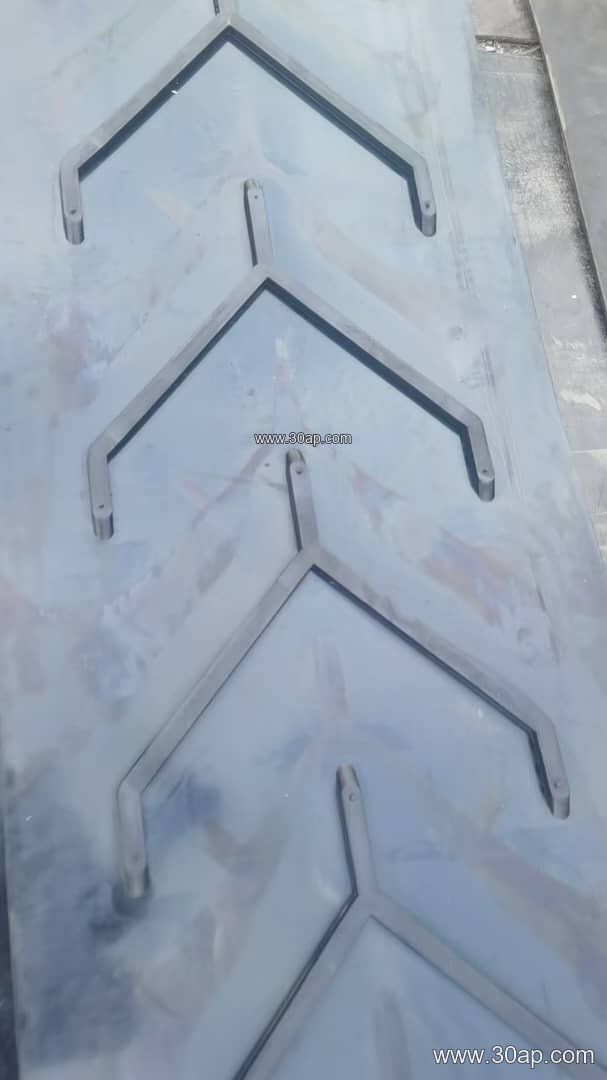
| Surface forms | Smooth, chevron conveyor belt, skirted conveyor belt, corrugated sidewall conveyor belt |
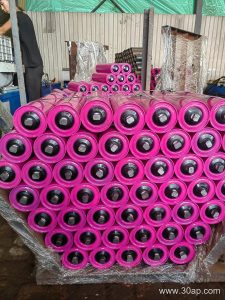
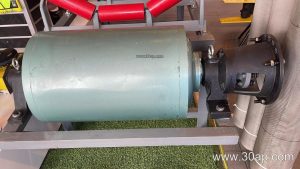
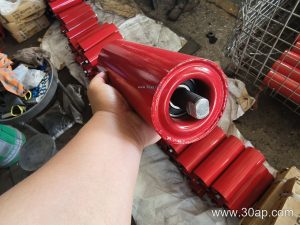
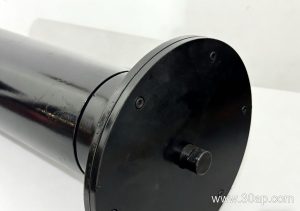
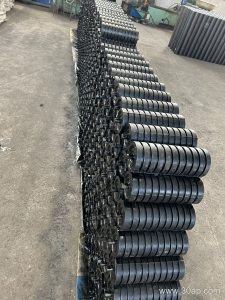
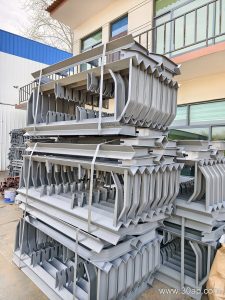
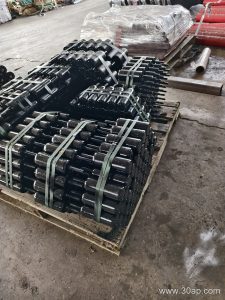
A 2000mm belt is not automatically matched to one pulley diameter. Drive pulley, tail pulley and bend pulley sizes follow tension, belt thickness and splice requirements, and the shaft diameter is calculated from the pulley design, not from belt width alone. Idler roller spacing and conveyor bracket layout also need review at this width, because a wider belt needs proper support to keep training stable.
Where It Fits in the Field
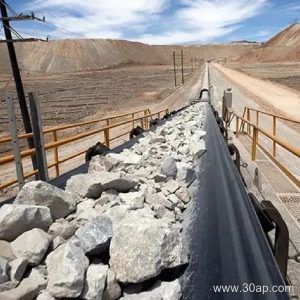
Wide belts appear across heavy industries. In mining conveyor belt duties, a 2000mm belt may carry run-of-mine ore from a crusher conveyor belt discharge. Quarry conveyor belt and aggregate conveyor belt lines use wide belts to handle high throughput with fewer stoppages. Cement plant conveyor belt systems use them for clinker and raw meal, while power plant conveyor belt and steel plant conveyor belt installations move coal and coke. Port conveyor belt and ship loading conveyor belt projects often favor extra width for fast vessel loading.
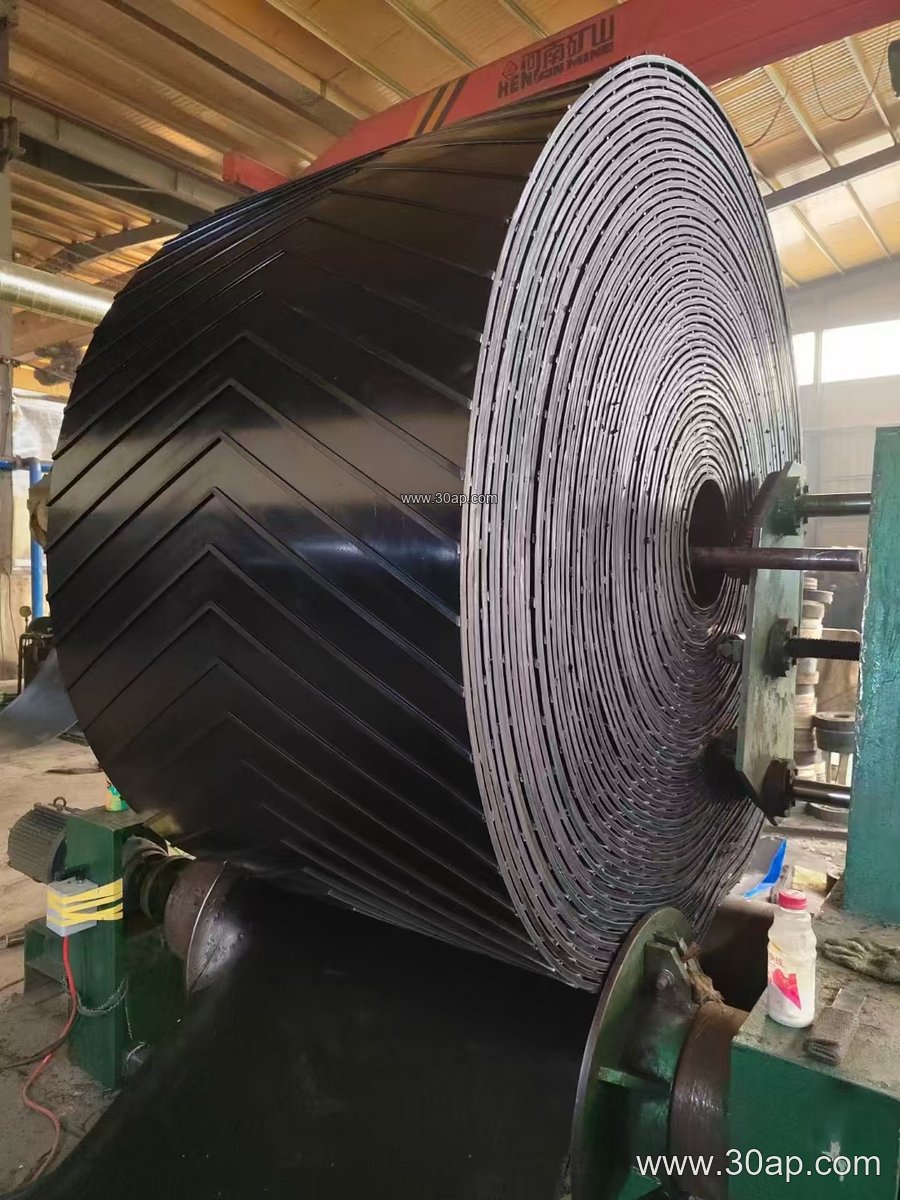
For abrasive iron ore or copper ore, an abrasion resistant conveyor belt with a sturdy cover is a sensible starting point. Underground coal mining conveyor belt service usually calls for flame retardant and anti-static properties, and PVG800S conveyor belt is one example of a grade seen in such work.
Buyer Checklist
- Confirm the required belt grade and tension rating, not just the width.
- State the material, lump size, temperature and moisture so the cover compound can be chosen correctly.
- Ask how the belt will be spliced; wide belts need adequate splice length and press capacity.
- Review pulley diameters, idler roller selection and conveyor bracket spacing together with the belt supplier.
- For steep inclines, consider chevron conveyor belt or corrugated sidewall conveyor belt rather than a smooth surface.
- Check that the requested width is available in the chosen core type and cover build.
A 2000mm conveyor belt is a serious piece of equipment, and the specification should be treated as an engineering decision rather than a catalog pick.