What an Iron Ore Conveyor Idler Does on the Line
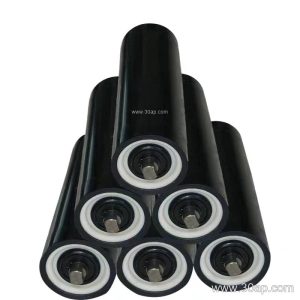
An iron ore conveyor idler is the rotating support that carries the loaded belt along the carrying side of a bulk handling conveyor. In a typical iron ore transfer circuit, the belt may run from a primary crusher to a stockpile, or from a train unloader to a sinter plant. The idler roller keeps the belt in a stable trough, limits sag between frames, and helps the belt track without spillage. Because iron ore is dense and often sharp-edged, the idler assembly must resist impact, abrasion, and fine dust ingress at the same time.
The same component appears under several accurate names. Buyers may ask for a troughing idler, a carrying idler, or a belt idler roller, but they are describing the same product family. The term iron ore conveyor idler is simply the application-specific name for this roller set.
Construction Details That Matter Underground and Outdoors
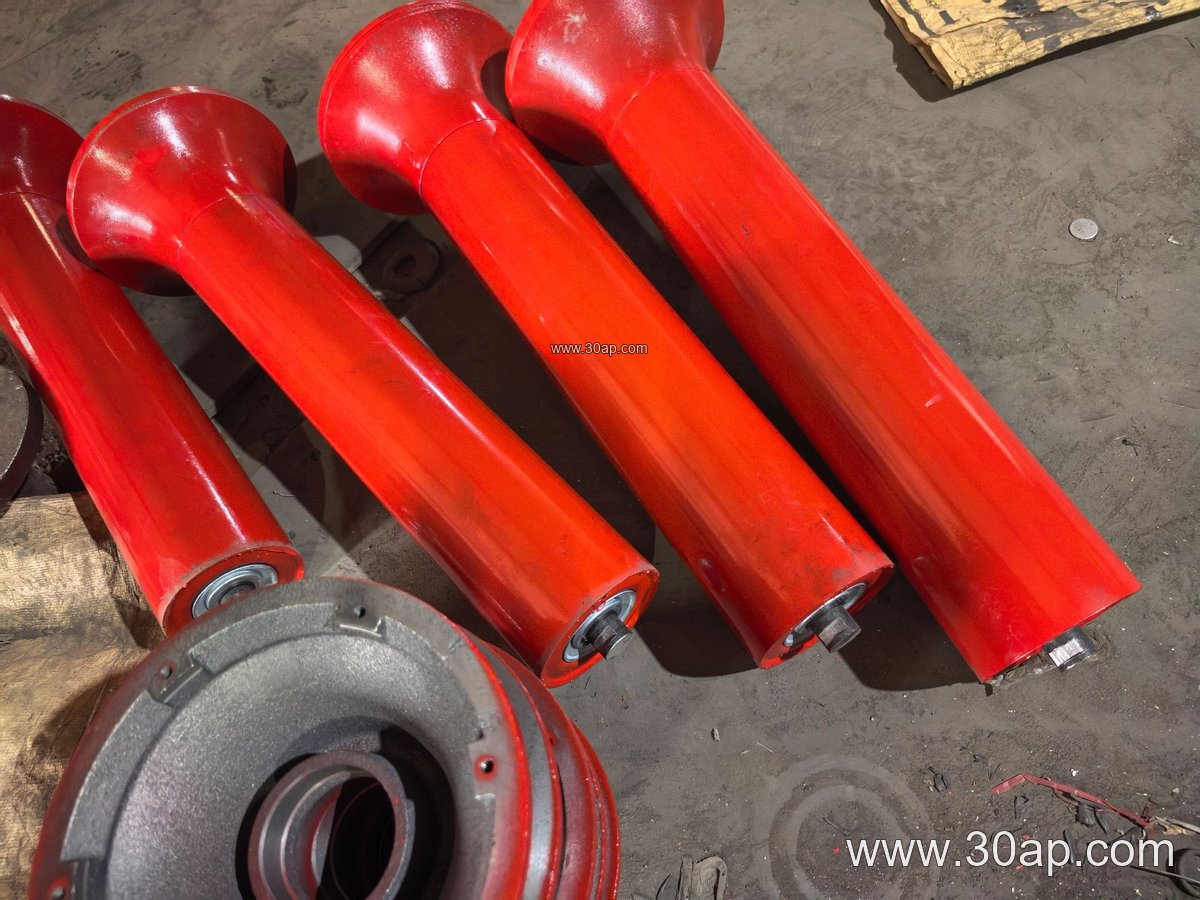
A typical iron ore conveyor idler combines a steel tube shell, pressed bearing housings, a shaft, and sealed bearings. The roller surface may be plain steel, nylon-coated, ceramic-lined, or fitted with rubber rings for impact absorption. Bearing selection is usually matched to load and speed rather than to belt width alone; common bearing numbers include 6204, 6205, 6305, 6306, 6308, and 6310. The seal design matters in dusty iron ore plants, because fine hematite or magnetite dust can shorten bearing life if it reaches the raceway.
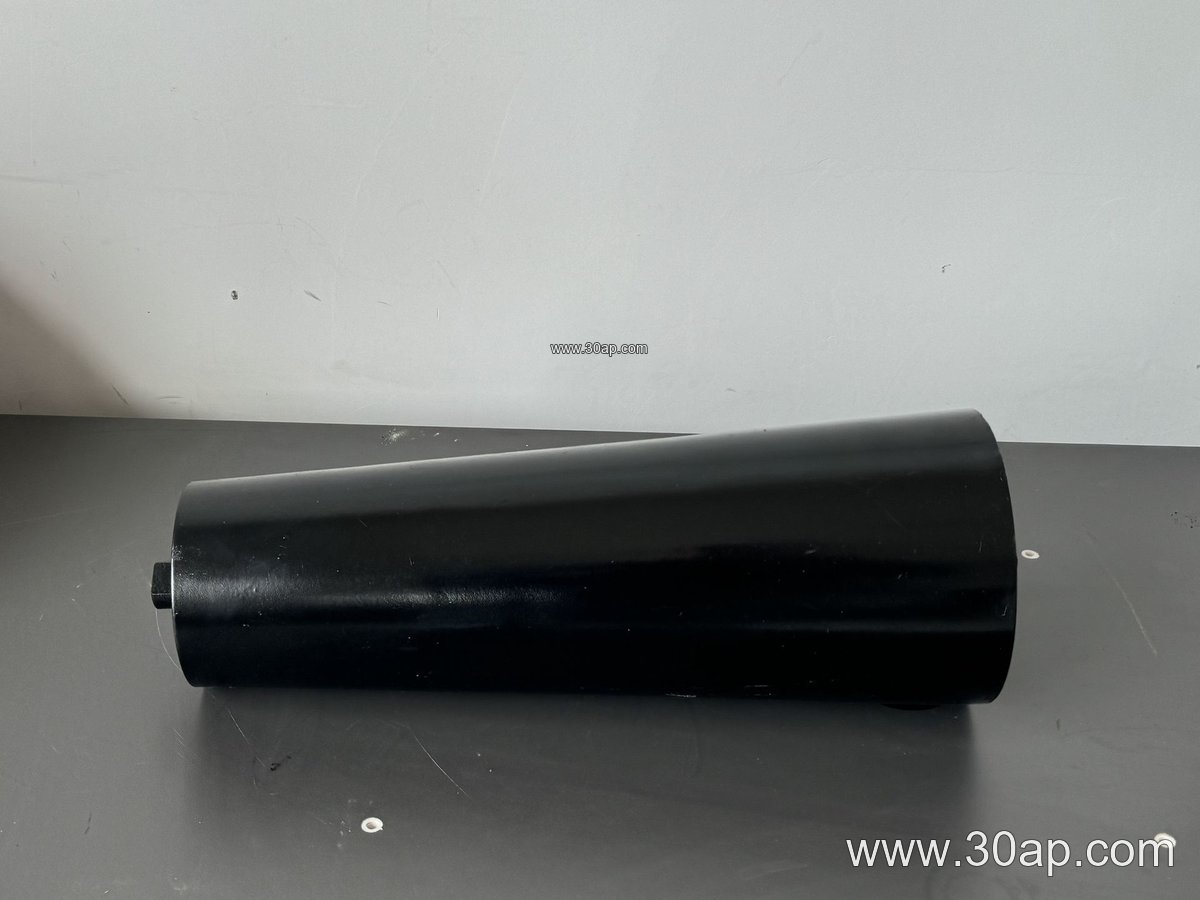
Roller diameter is usually chosen from a range such as Ø63, Ø76, Ø89, Ø102, Ø108, Ø127, Ø133, Ø159, Ø178, Ø194, and Ø219 mm, depending on belt tension and load. The shell length follows the belt width, trough angle, and idler arrangement. For a three-roll troughing set, common roller lengths are roughly 200 mm for B500, 250 mm for B650, 315 mm for B800, 380 mm for B1000, 465 mm for B1200, 530 mm for B1400, 600 mm for B1600, 670 mm for B1800, and 750 mm for B2000. These figures are examples, not fixed matches; side rollers and center rollers can differ, and the final length should be confirmed by the conveyor design.
Where It Fits in Iron Ore Handling
Iron ore conveyors usually run in one of two settings: an open stockyard or a enclosed transfer house. In a stockyard, the iron ore conveyor idler faces rain, sun, and windblown dust. In a transfer house or underground tunnel, the same idler may face high humidity, fines, and limited access for maintenance. Both environments reward a robust seal and a shell that resists wear from the belt cover.
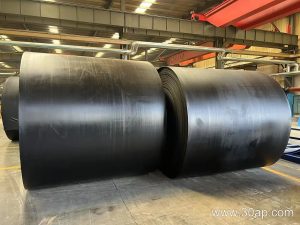
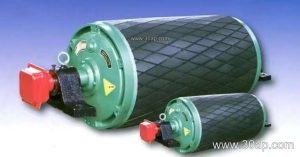
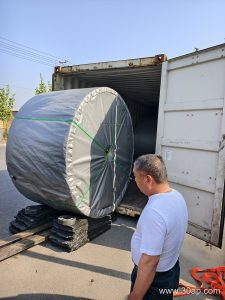
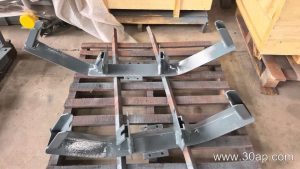
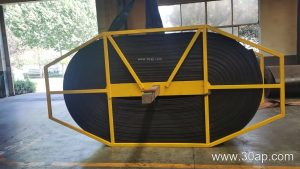
Related equipment in the same circuit includes the conveyor belt, conveyor pulley, and conveyor bracket. The belt might be a heavy-duty mining conveyor belt or an abrasion resistant conveyor belt, while the pulleys at the drive and tail ends remain separate components. The idler is not a substitute for a drive pulley, tail pulley, or bend pulley; each has a different role in transmitting tension and changing belt direction.
Choosing the Right Idler for the Duty
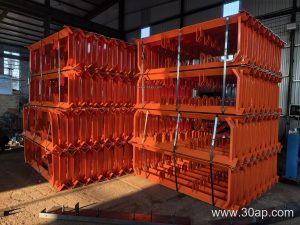
Selection starts with the belt width and the expected load. A three-roll troughing set at 20, 30, 35, or 45 degrees is common, and the trough angle affects how the iron ore sits on the belt. A transition idler may be used near a pulley to ease the belt from flat to troughed. On the return side, a flat return idler or V-return idler supports the empty belt. Impact idlers with rubber rings are often placed under a loading point where ore drops onto the belt.
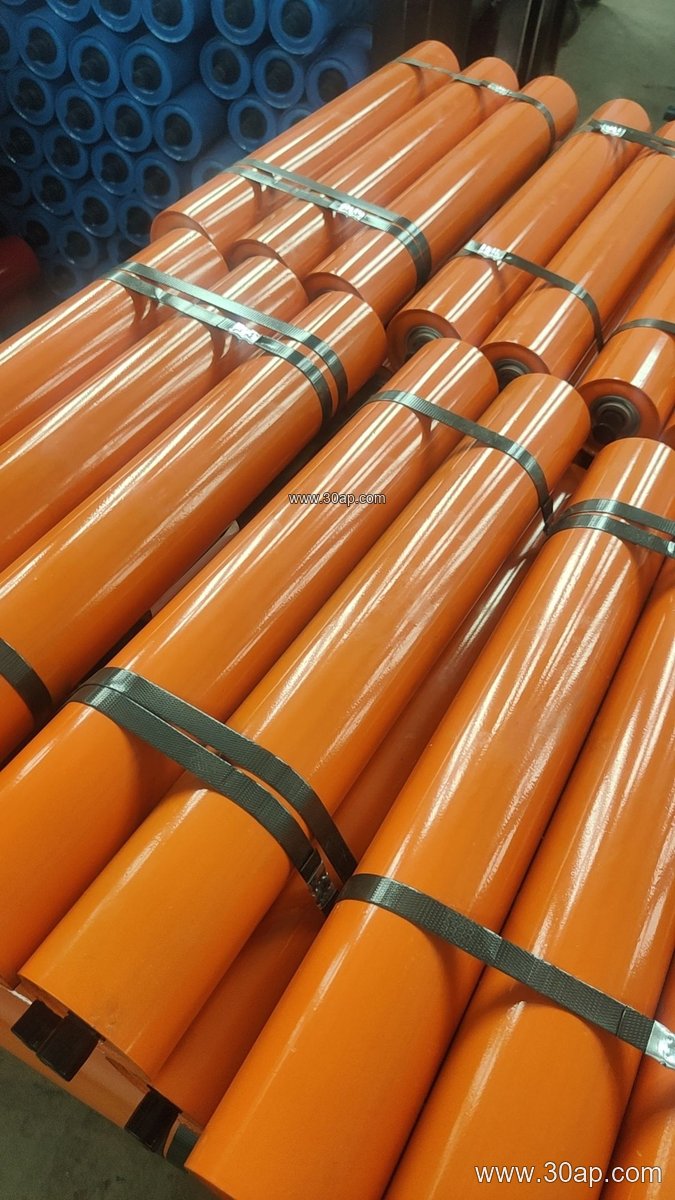
Buyers should ask for the shaft diameter, bearing number, seal type, and roller wall thickness rather than assuming a size from belt width. A 1200 mm wide conveyor belt does not automatically dictate one pulley diameter or one shaft size; the conveyor designer sets those values from tension and load calculations. For reference, common belt widths in iron ore service include B650, B800, B1000, B1200, B1400, B1600, and B1800, and wider belts such as B2000 and B2200 appear in high-capacity port and stockyard systems.
Maintenance Notes for Dusty Iron Ore Circuits
An iron ore conveyor idler should be checked for shell wear, seal leakage, and free rotation. A roller that stops turning can flat-spot the belt and increase power draw. In a pellet plant or sintering plant, heat resistant conveyor belt grades may be used nearby, but the idler itself still needs a bearing lubricant suited to the ambient temperature. Spare rollers should match the original mounting dimensions and bracket type, because a mismatched idler can cause belt misalignment at the frame.
For anyone sourcing components, the practical checklist is simple: confirm the belt width, trough angle, roller diameter, bearing number, and seal class, then match the idler to the conveyor bracket and frame. Whether the plant is a copper mine, a coal washing plant, a cement works, or a port terminal, the iron ore conveyor idler remains a small but critical part of keeping the belt turning.