What a Multi-Ply Fabric Core Conveyor Belt Is
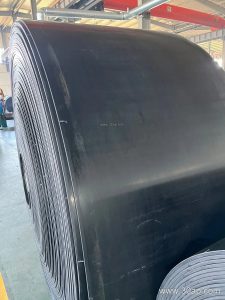
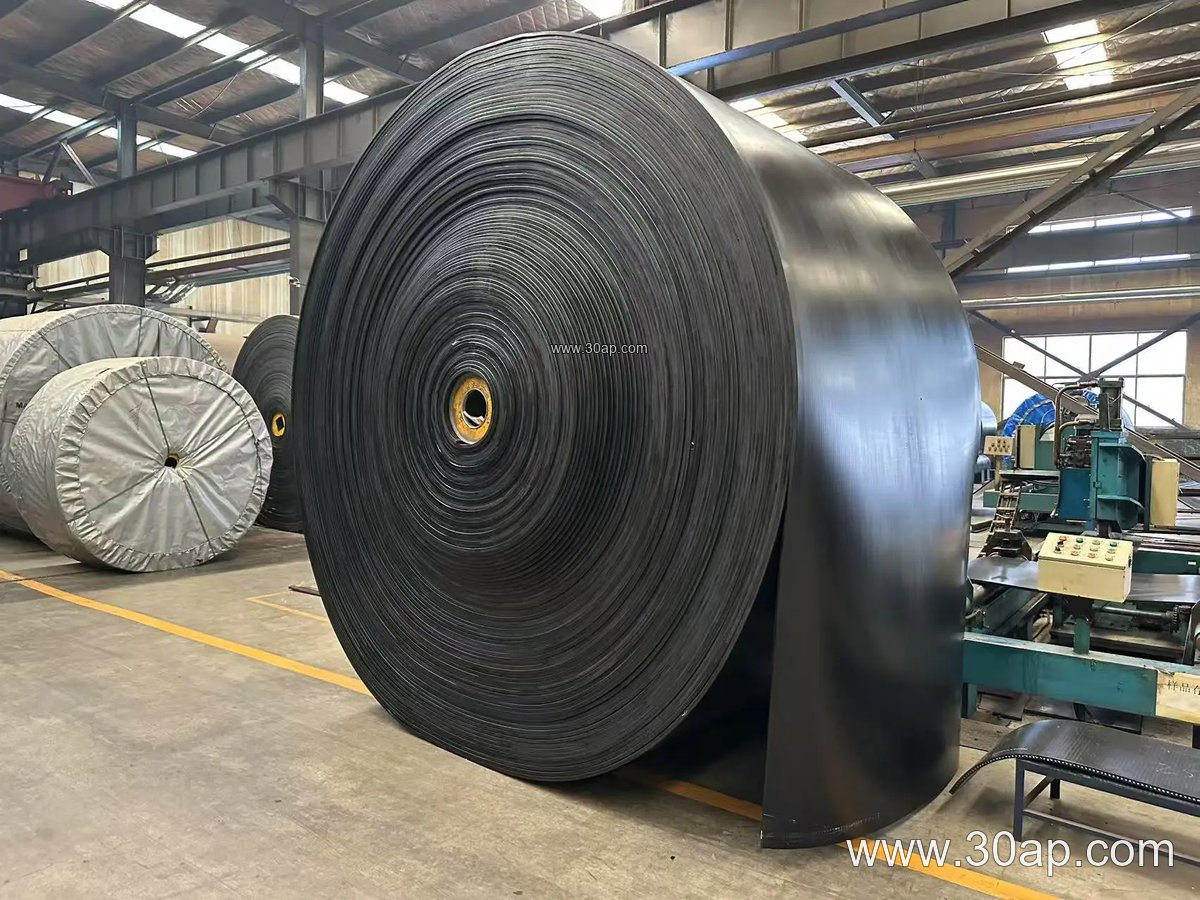
A Multi-Ply Fabric Core Conveyor Belt is a rubber belt built around several layers of woven fabric, usually called plies, that are bonded together with rubber and protected by top and bottom cover compounds. The plies carry the tensile load, while the covers handle abrasion, impact, heat, oil, or moisture depending on the compound chosen. Because the carcass is made from fabric rather than steel cables, this belt type is often a practical choice for medium to long conveying runs where flexibility and resistance to repeated flexing matter. It is one of the most widely used forms of Fabric Core Conveyor Belt in mining, quarrying, cement, power generation, and port handling.
How the Carcass and Covers Are Built
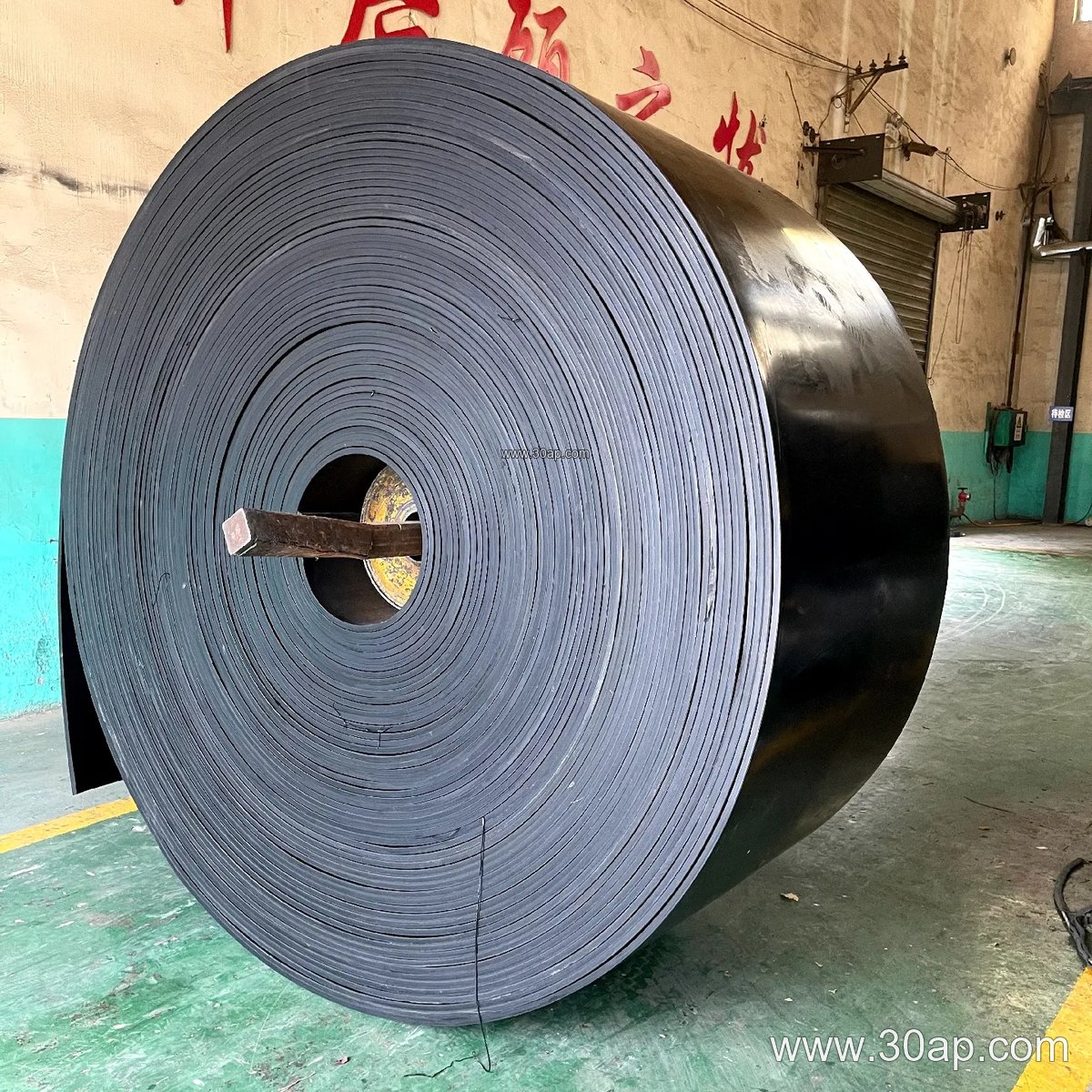
The strength of the belt comes from its fabric plies. Common constructions use two to six plies, with EP (polyester and nylon) or NN (nylon and nylon) fabrics being the most familiar. EP fabric offers low elongation and good dimensional stability, while NN fabric is known for high strength and excellent resistance to fatigue. Rubber skim layers separate and bond the plies, and the whole carcass is then covered with rubber on both faces. Cover thickness is usually described as a pair of numbers, such as 4+2 mm or 6+2 mm, meaning the top cover and bottom cover in millimetres. Buyers often see strength grades written as EP200, EP400, EP630, EP1000, or EP1600, and these grades indicate the nominal tensile strength of the belt rather than a fixed working load.
Common Specifications and Reference Values
The table below shows typical reference ranges. Actual values depend on the manufacturer and the design of each conveyor, so they should be treated as a starting point for discussion, not as guaranteed supply data.
| Parameter | Typical Reference |
|---|---|
| Fabric type | EP or NN, 2 to 6 plies |
| Strength grades | EP200, EP315, EP400, EP500, EP630, EP800, EP1000, EP1250, EP1600, EP2000 |
| Belt width | B500, B650, B800, B1000, B1200, B1400, B1600, B1800, B2000 |
| Cover thickness | 3+1.5 mm, 4+2 mm, 5+2 mm, 6+2 mm, 8+3 mm |
| Special grades | Abrasion Resistant, Heat Resistant, Oil Resistant, Flame Retardant, Anti-Static, Cold Resistant |
For example, an EP1000 belt at 1200 mm width with 6+2 mm covers is a common combination in heavy bulk handling, but the same width may also be supplied with other strength grades and cover thicknesses. Belt width and pulley diameter are matched through conveyor design calculations, so a given width does not dictate one fixed pulley size.
Where This Belt Fits in Real Operations
Multi-ply fabric belts are at home in stone crushing plants, aggregate yards, cement works, coal preparation facilities, and power station coal yards. They move crushed rock, clinker, limestone, sand, gravel, and ore along inclined or level runs. In underground coal mining, flame retardant and anti-static grades are frequently specified for safety reasons, while above-ground Coal Mining Conveyor Belt installations may use abrasion resistant covers to handle sharp lump sizes. Heat Resistant Conveyor Belt grades suit clinker and sinter handling, and Oil Resistant Conveyor Belt grades are chosen where oily materials or lubricant contamination are expected.
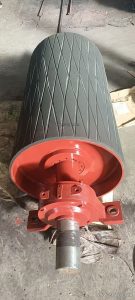
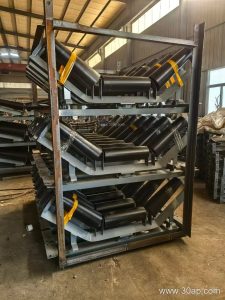
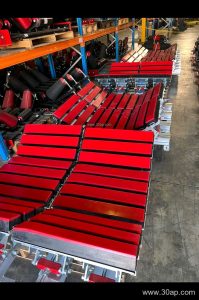
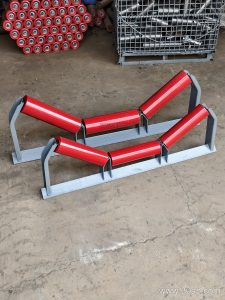
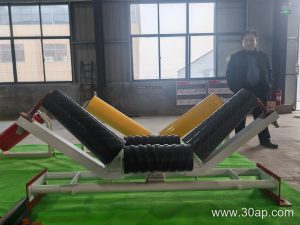
The belt works together with conveyor pulleys, idler rollers, and conveyor brackets. A drive pulley pulls the belt, a tail pulley returns it, and bend pulleys guide the path; these are distinct components and are selected separately from the belt itself. Proper alignment of idler rollers and brackets helps prevent edge damage and tracking problems.
Selection and Maintenance Notes
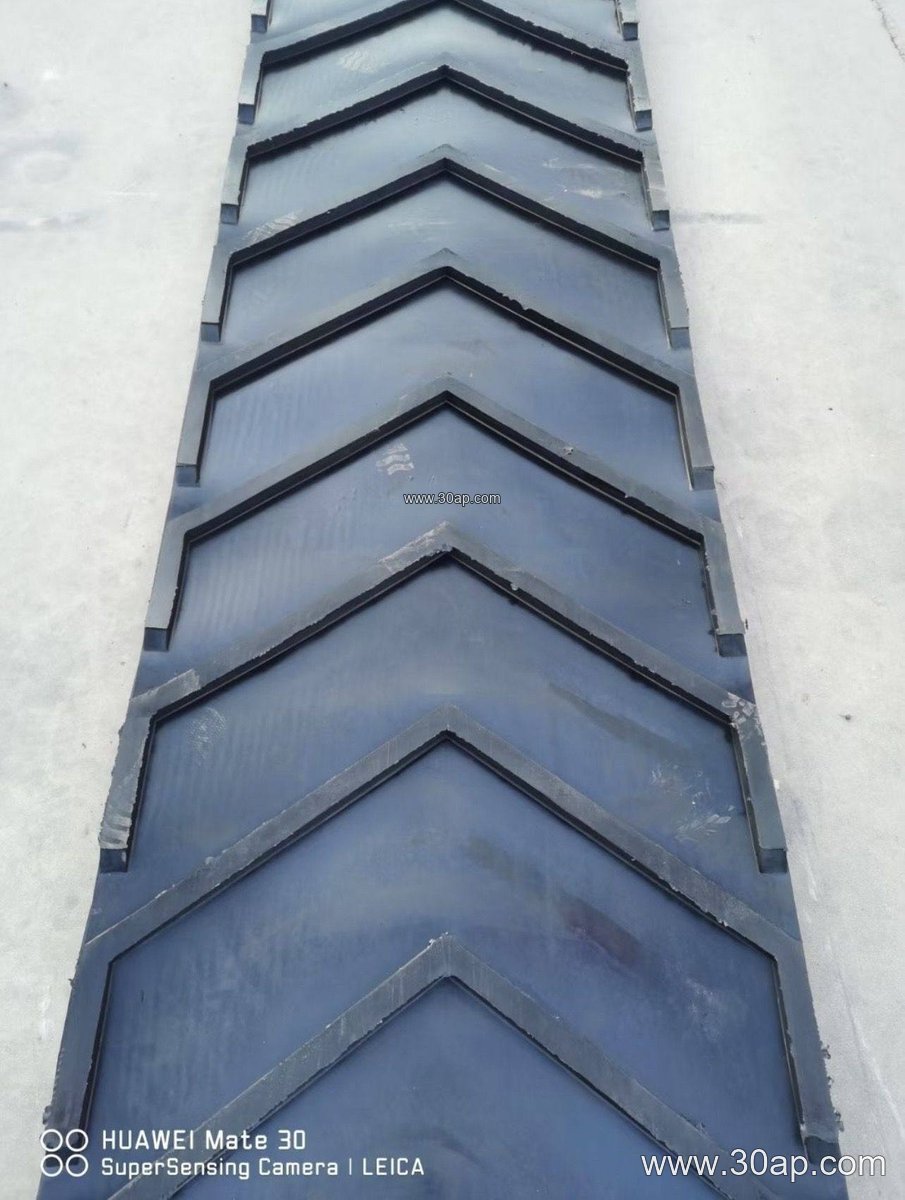
When choosing a Multi-Ply Fabric Core Conveyor Belt, consider the material being carried, lump size, loading impact, troughability, and the ambient conditions. A belt with more plies is not automatically better; too stiff a carcass can reduce troughing performance on small pulleys. Cover compound selection matters as much as strength grade, because abrasion, heat, and oil attack different parts of the belt and require different rubber formulations.
- Check cover wear regularly at loading points and near skirt boards.
- Inspect splices for ply separation, especially on high-tension runs.
- Keep idler rollers turning freely to avoid localized cover wear.
- Confirm pulley diameters and belt flexibility during the design stage.
- Store spare belts away from sunlight, ozone sources, and standing water.
For harsh duties such as primary crushing or high-impact ore transfer, a heavier carcass or a Steel Cord Conveyor Belt may be compared during design, but the multi-ply fabric option remains a flexible and serviceable choice for many conveying duties. Matching the belt grade, cover compound, and conveyor hardware to the actual duty keeps a system running efficiently over its service life.