What a Conveyor Leg Does on a Belt System
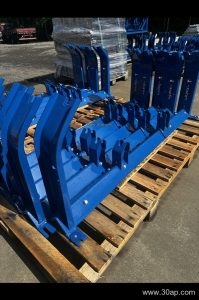
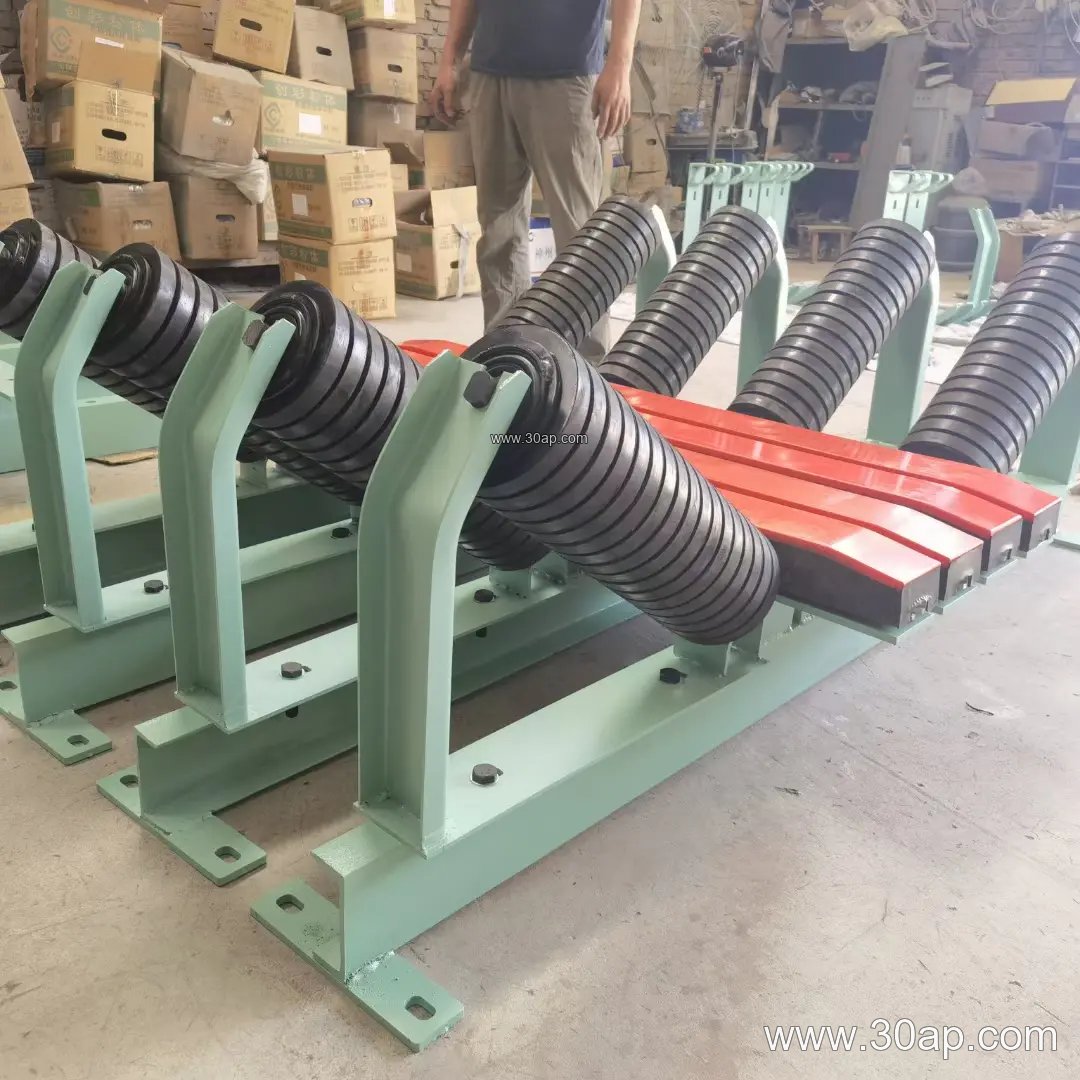
A conveyor leg is the vertical support member that carries the load of the idler frames, belt, and material down to the floor or foundation. In a typical trestle or stringer arrangement, the leg works together with a cross beam and a conveyor bracket to hold the idler roller at the correct height and trough angle. Get the leg right and the belt runs steady; get it wrong and the whole frame starts to sway, sag, or vibrate.
These supports are used across quarry lines, coal preparation plants, cement works, power station coal yards, and port loading systems. In a crushing and screening circuit, for example, a heavy-duty conveyor leg under a discharge zone must resist both the static weight of a wide belt and the dynamic shock of falling rock.
How the Leg Is Built
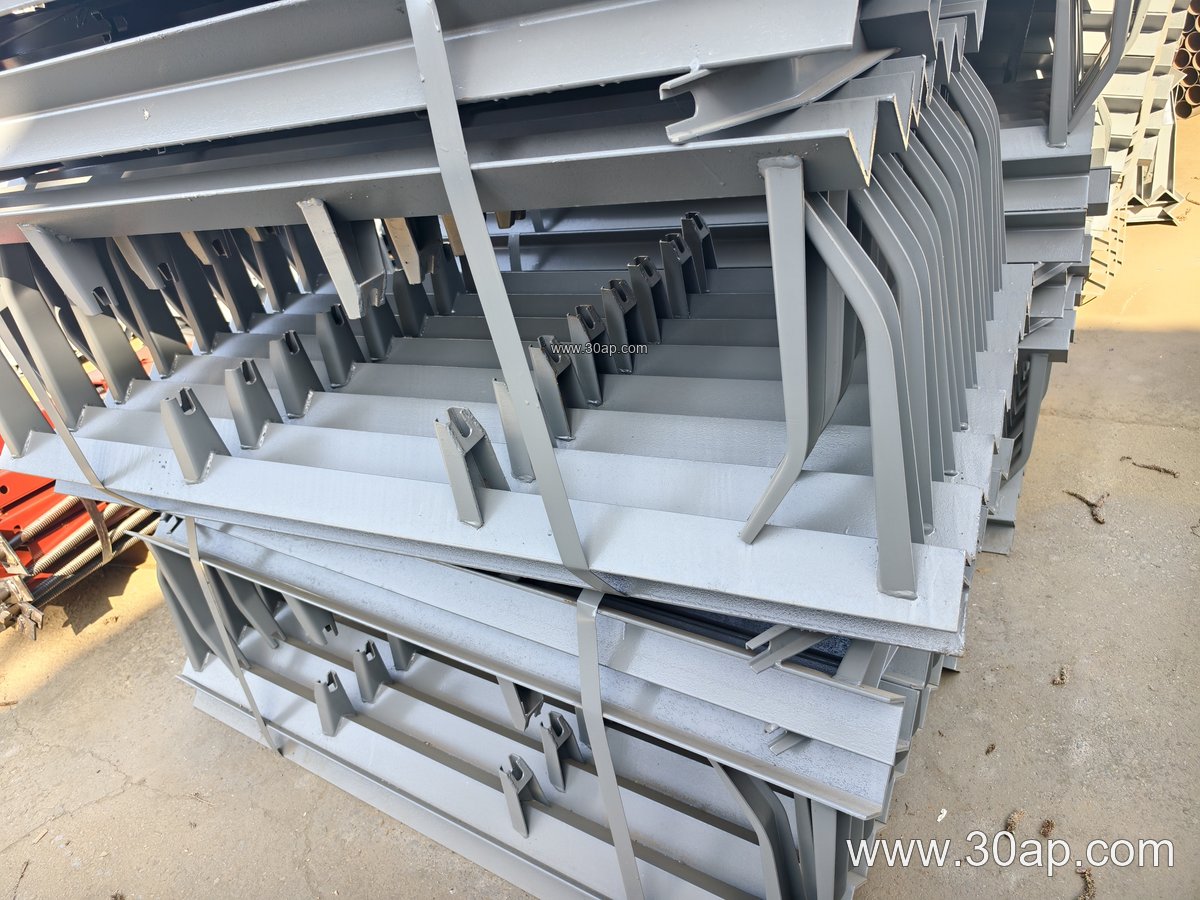
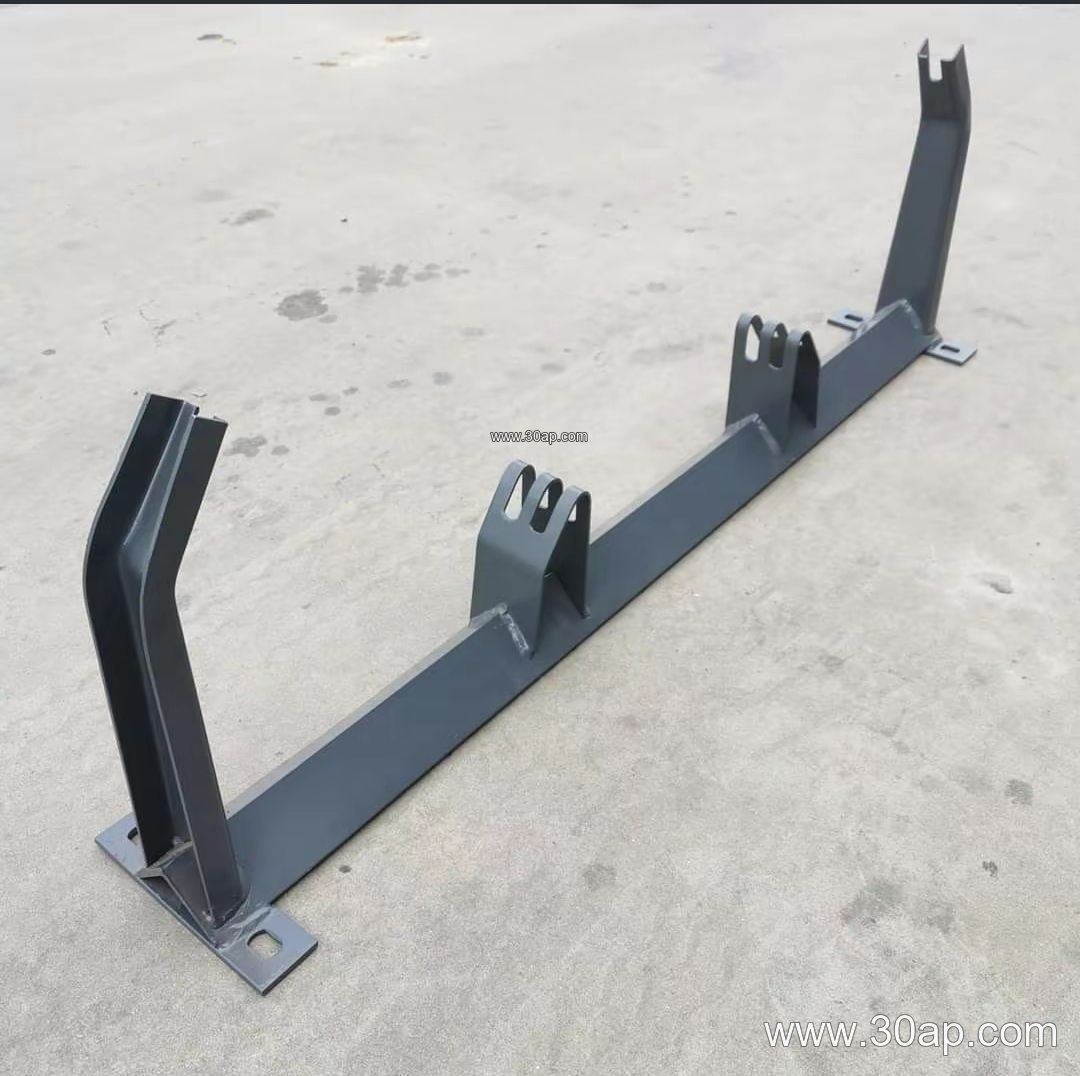
Most legs are fabricated from angle steel, channel steel, or folded steel plate. The choice depends on load and height: a light gallery frame may use folded plate, while a transfer tower base often uses channel sections welded into a braced column. Key construction points include:
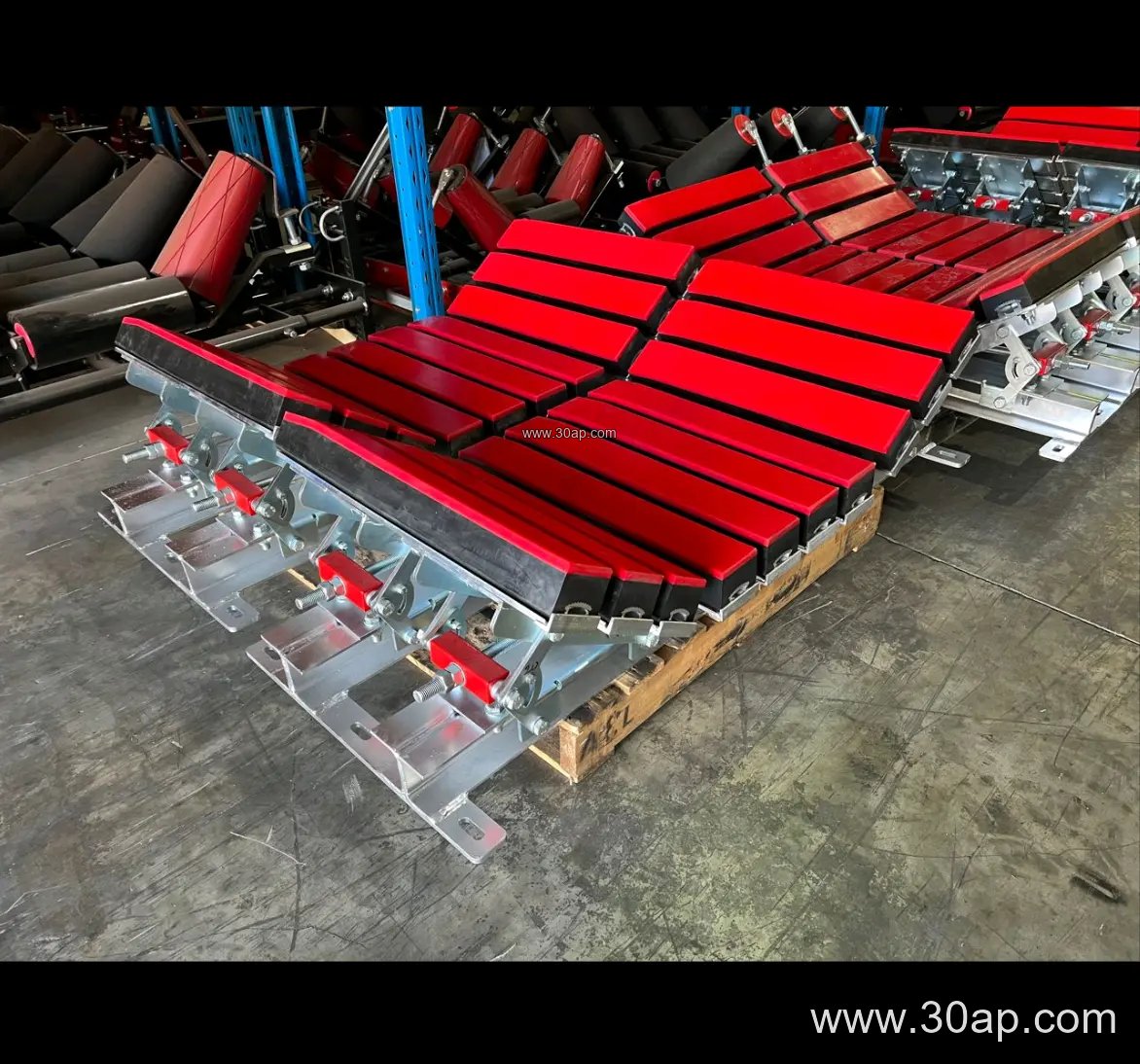
- Base plate with bolt holes for anchoring to concrete or steel
- Top connection matched to the stringer or cross beam
- Bracing or gussets where the leg meets the beam
- Adjustable height versions with slotted or telescopic sections
Fixed and adjustable legs are not the same product. A fixed leg is cut and welded to a set height, while an adjustable conveyor leg allows the frame to be leveled on uneven ground or raised during belt tensioning. On a long overland run, mixing the two is common: fixed legs along the straight, adjustable legs near the drive and tail pulleys.
Matching the Leg to Belt Width and Idler Size
Leg spacing and beam length follow the belt width and the trough angle rather than a single fixed figure. The table below shows common reference combinations; actual mounting hole spacing and beam length are determined by the design.
| Belt width | Trough angle | Idler diameter | Typical leg role |
|---|---|---|---|
| B650 | 30 degrees | Ø89 | Light aggregate line |
| B800 | 35 degrees | Ø108 | General quarry duty |
| B1000 | 35 degrees | Ø133 | Cement plant transfer |
| B1200 | 45 degrees | Ø133 | Coal yard main line |
| B1400 | 45 degrees | Ø159 | Power plant coal handling |
| B1600 | 35 degrees | Ø159 | Iron ore primary haul |
| B1800 | 45 degrees | Ø194 | Port ship loading |
Do not assume one belt width can only match one pulley diameter or one trough angle. A B1200 frame may run at 35 or 45 degrees depending on material surcharge, and the idler roller diameter is chosen from load and speed, not width alone. Shaft diameter and bearing size also come from the idler manufacturer’s calculation.
Where Legs Matter Most
In a limestone mine, legs along a curved gallery must handle side loads from belt misalignment, so a slightly wider base plate helps. In an underground coal mining conveyor, low headroom pushes designers toward short, braced legs that still clear the return strand. At a port terminal, tall legs under a ship loading boom face wind and vibration, and heavier sections are usually specified.
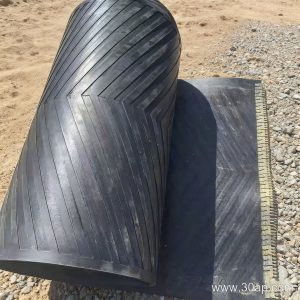
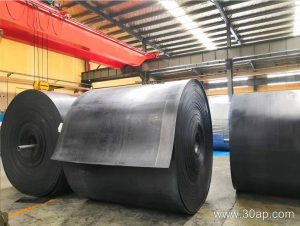
The leg also interacts with the belt itself. A skirted conveyor belt or corrugated sidewall belt adds weight and edge load, so the frame and legs need extra stiffness. Where a chevron conveyor belt is used on an incline, the legs must follow the slope and keep the trough consistent through the transition.
Buyer Checklist
- Confirm belt width, trough angle, and idler diameter before ordering
- State fixed or adjustable height and the required adjustment range
- Give anchor bolt pattern and foundation type
- Specify surface treatment for the environment, such as wet coal yards or dusty cement plants
- Ask for the leg-to-beam connection detail so it matches the existing stringer
A well-specified conveyor leg is a small item with a large effect on belt tracking, frame life, and maintenance access. Buyers who match it to the idler frame and belt load, rather than treating it as a generic post, get a smoother running line from crusher to stockpile.