What a Coal Mine Belt Conveyor Idler Does Underground
In a coal mine, the belt conveyor is the lifeline that moves raw coal from the face to the surface. The coal mine belt conveyor idler is the rotating component that supports the conveyor belt and the material load along the entire route. Unlike a drive pulley or a tail pulley, which transmit power and change belt direction, the idler roller is a passive support element. It must handle constant abrasion, fine coal dust, humidity, and occasional impact from lump coal. A well-chosen idler keeps the belt tracking straight, reduces energy consumption, and extends the service life of the entire conveyor system.
Construction Details That Matter
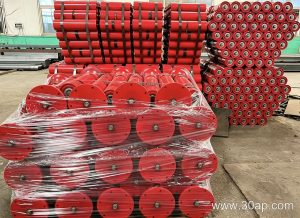
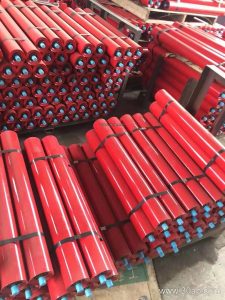
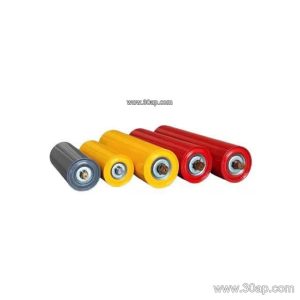
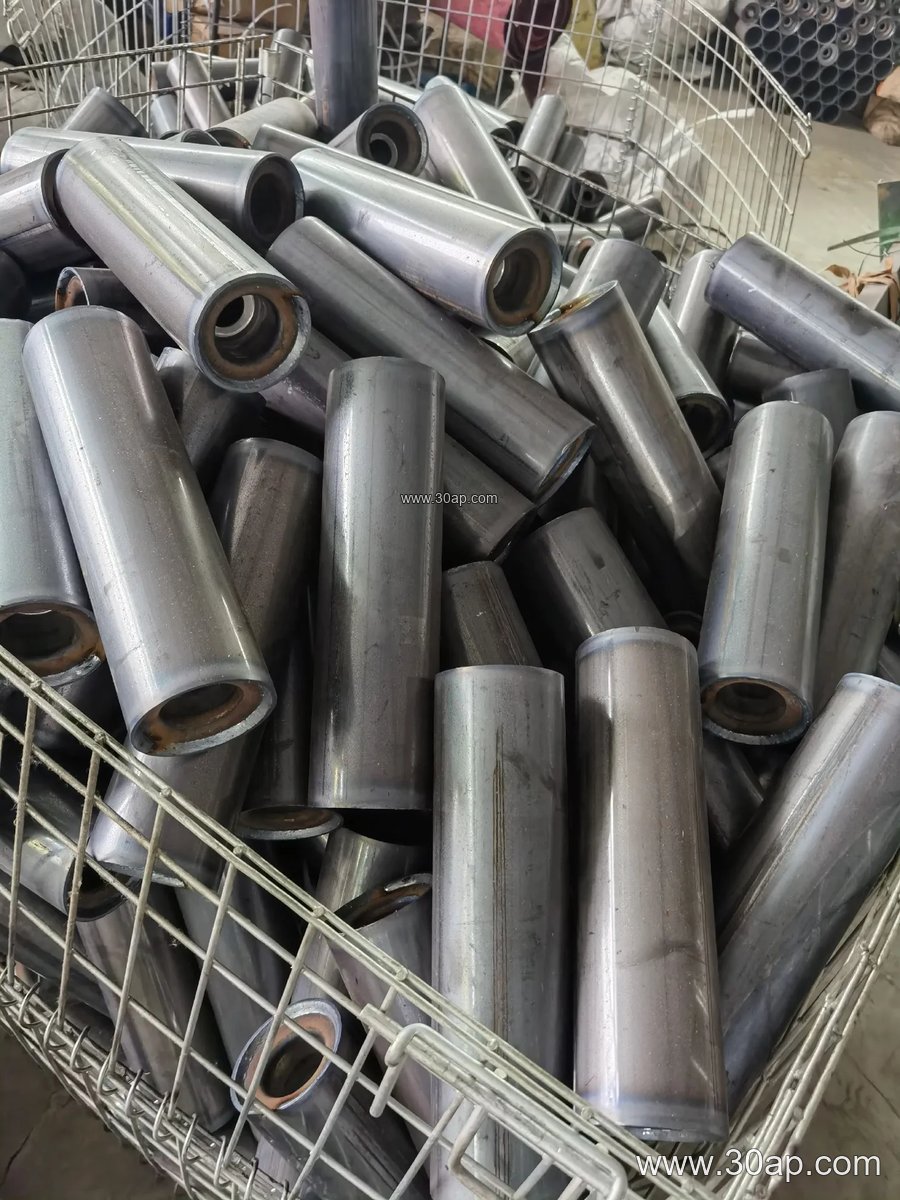
A typical coal mine belt conveyor idler consists of a steel tube shell, bearing housings, a shaft, and a sealing system. The shell is often made from seamless steel pipe, but nylon, ceramic, or rubber-covered surfaces are available for specific duties. Rubber rings are common on impact idlers at transfer points, while ceramic lagging may be used where sticky material builds up. Bearing selection is critical: common sizes include 6204, 6205, 6305, 6306, 6308, and 6310. The seal design—usually a combination of labyrinth and contact seals—determines how well the idler resists coal dust and water ingress. A good seal keeps grease in and contaminants out, which directly affects bearing life.
Common Idler Types in Coal Mining
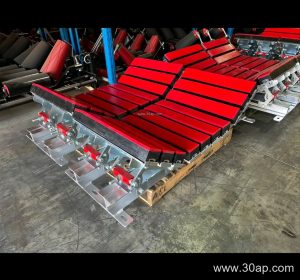
The carrying side of a coal conveyor typically uses three-roll troughing idlers with trough angles of 20, 30, 35, or 45 degrees. A 35-degree trough is a frequent choice for high-tonnage main lines. Return side idlers are often flat or V-shaped to support the empty belt. Transition idlers with smaller trough angles are placed near pulleys to smooth the belt path. Impact idlers with rubber rings absorb the shock of coal dropping from a crusher or transfer chute. Self-aligning idlers, including friction and conical types, help correct belt misalignment on long curves. Spiral idlers can reduce material buildup on the return side. Each type serves a distinct purpose, and none replaces the drive or tail pulley.
Matching Idler Dimensions to Belt Width
Idler diameter and roll length are not arbitrary. They follow the belt width, trough angle, and load. Common roll diameters range from Ø63 mm to Ø219 mm. For a three-roll troughing set, typical roll lengths are roughly 200 mm for B500, 250 mm for B650, 315 mm for B800, 380 mm for B1000, 465 mm for B1200, 530 mm for B1400, 600 mm for B1600, 670 mm for B1800, and 750 mm for B2000. These are common examples, not fixed rules; side rolls and center rolls can differ. The table below shows typical reference dimensions for coal mine idlers.
| Parameter | Common Range / Example | Note |
|---|---|---|
| Roll diameter | Ø63, Ø76, Ø89, Ø102, Ø108, Ø127, Ø133, Ø159, Ø178, Ø194, Ø219 mm | Selected by load and belt speed |
| Belt width | B400 to B2400 | Match to conveyor design |
| Trough angle | 20°, 30°, 35°, 45° | Higher angle for higher capacity |
| Roll length (three-roll set, common example) | B500: ~200 mm; B800: ~315 mm; B1200: ~465 mm; B1600: ~600 mm; B2000: ~750 mm | Side and center rolls may vary |
| Bearing size | 6204, 6205, 6305, 6306, 6308, 6310 | Not tied to one diameter |
| Roll surface | Steel, nylon, ceramic, rubber ring | Rubber for impact; ceramic for buildup |
Note that belt width and pulley diameter are independent choices. A 1200 mm wide conveyor belt can work with different idler diameters depending on load and speed. Do not assume a fixed shaft diameter from belt width alone.
Where Coal Mine Idlers Are Used
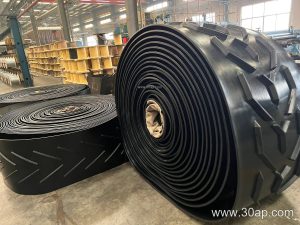
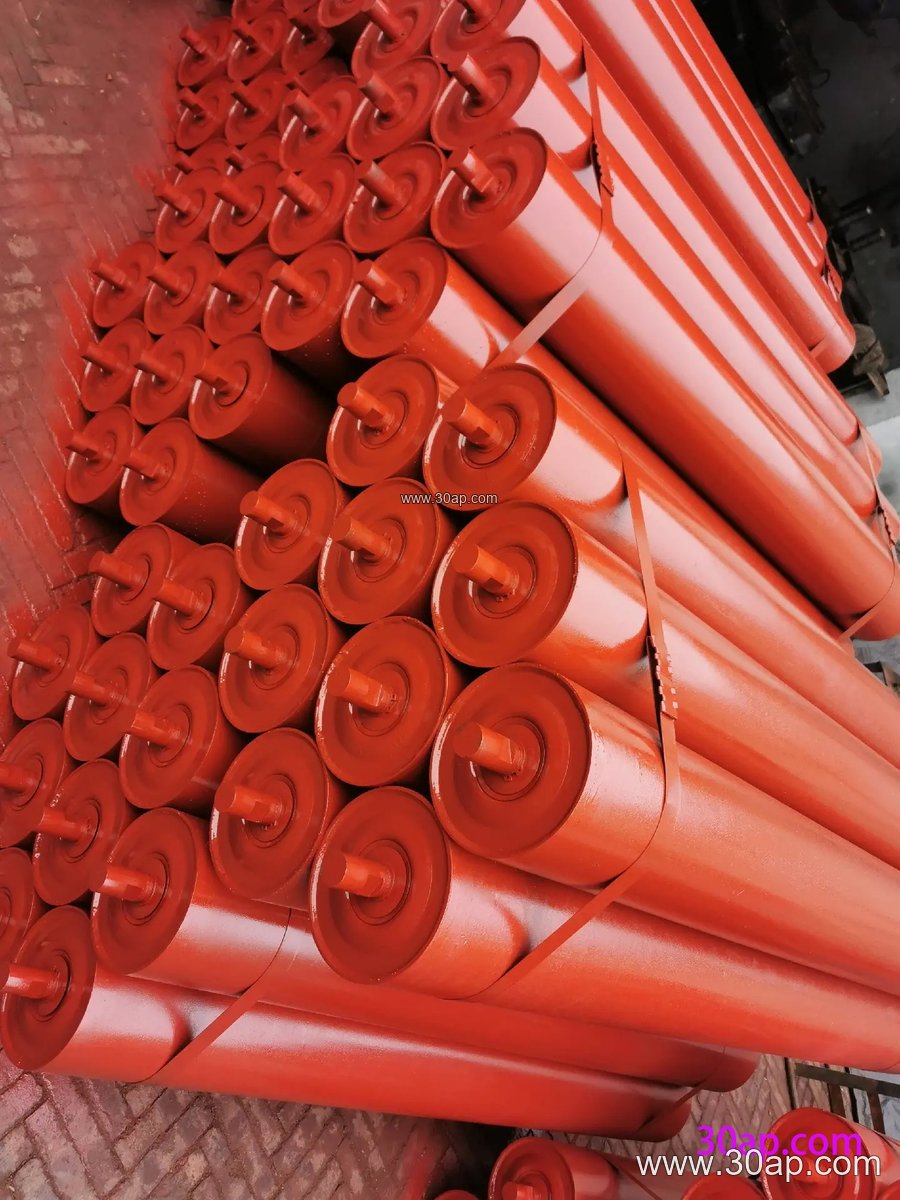
These idlers appear in underground coal mining conveyor belts, surface coal handling plants, and wash plants. They also serve in power plant coal yards, cement plants handling raw coal, and port coal terminals. In a typical coal preparation plant, troughing idlers carry run-of-mine coal while return idlers support the clean side. Impact idlers sit below crusher discharge points. Self-aligning idlers keep the belt centered on long overland sections. For dusty and wet conditions, sealed-for-life idlers reduce maintenance stops. A coal mining conveyor belt often uses flame retardant and anti-static properties, and the idler must be compatible with that belt surface without causing excessive wear.
Buyer Checklist for Coal Mine Idler Procurement
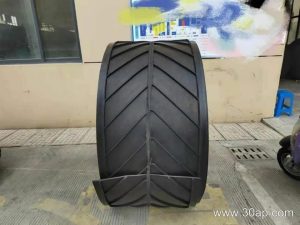
Before ordering, confirm the belt width, trough angle, and idler arrangement (single, two-roll, or three-roll). Check the required roll diameter and bearing size against the load and speed. Specify the roll surface: standard steel for general use, rubber rings for impact zones, or ceramic for sticky coal. Ask about seal type and grease retention. Verify that the shaft and bearing housing dimensions match your conveyor bracket. For underground use, consider idlers with enhanced corrosion protection. Also review the compatibility with your conveyor belt type—whether it is an EP conveyor belt, steel cord conveyor belt, or PVG conveyor belt. A mismatched idler surface can shorten belt life. Finally, request dimensional drawings and sample inspection before bulk delivery.
Maintenance Practices That Extend Idler Life
Regular inspection prevents small idler problems from becoming belt damage. Listen for squealing bearings, check for seized rolls, and look for material buildup on return idlers. Replace worn rubber rings on impact idlers before they expose the steel shell. Keep the conveyor belt aligned; misalignment overloads idler edges. Lubricate only where the design allows, and use the recommended grease. In coal mines, wash-down water and fine dust can penetrate poor seals, so choose idlers with proven labyrinth seals. A planned idler replacement schedule based on operating hours is more effective than reactive maintenance. Remember that drive pulleys, tail pulleys, and bend pulleys require separate inspection; idlers are only one part of the conveyor system.