What a Steel Plant Conveyor Idler Does
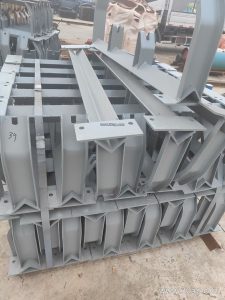
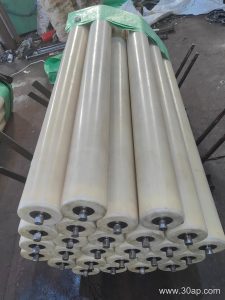
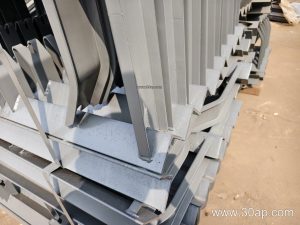
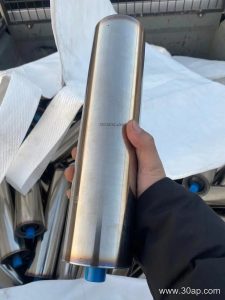
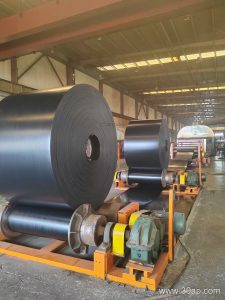
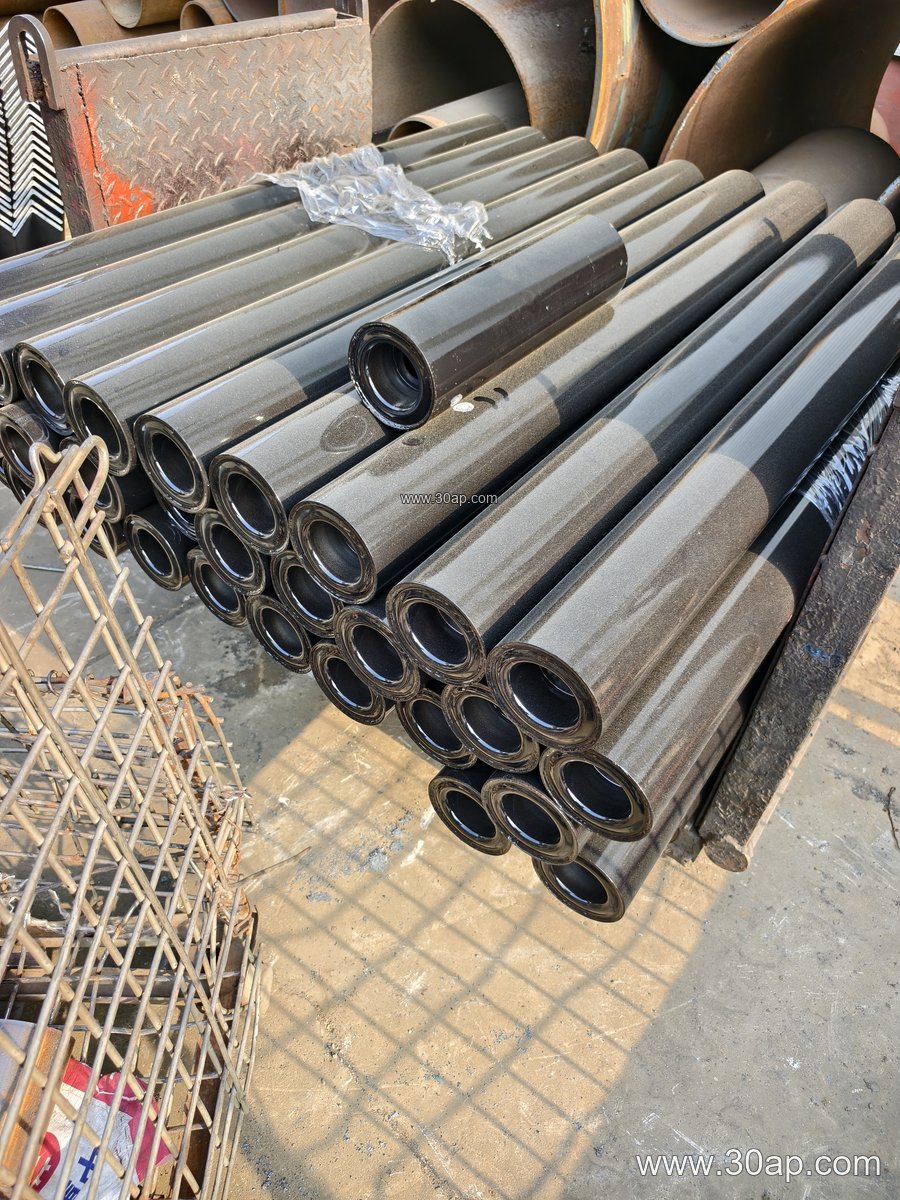
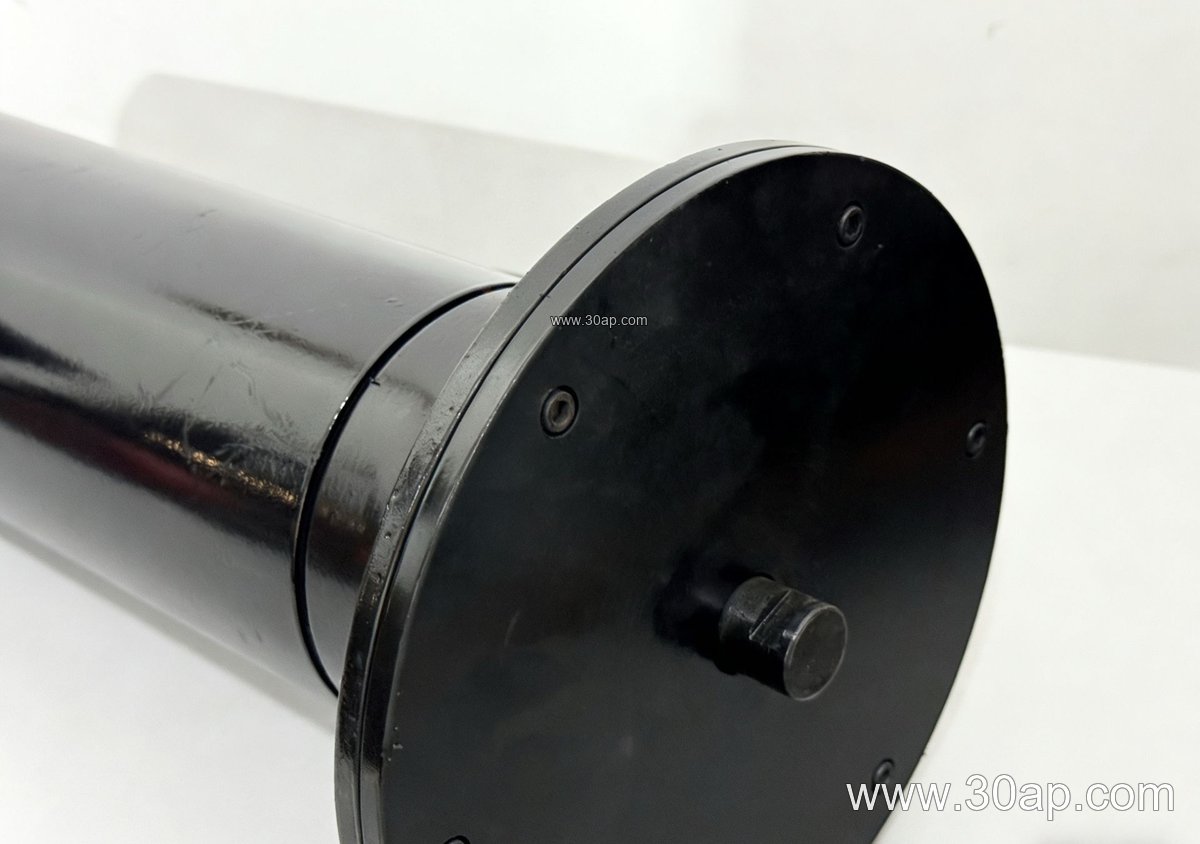
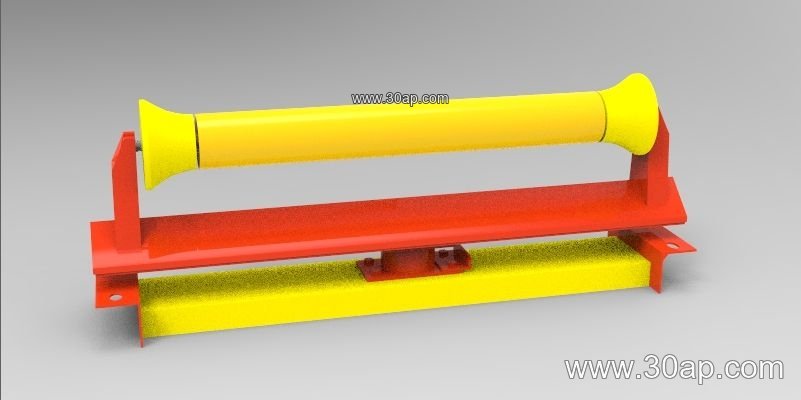
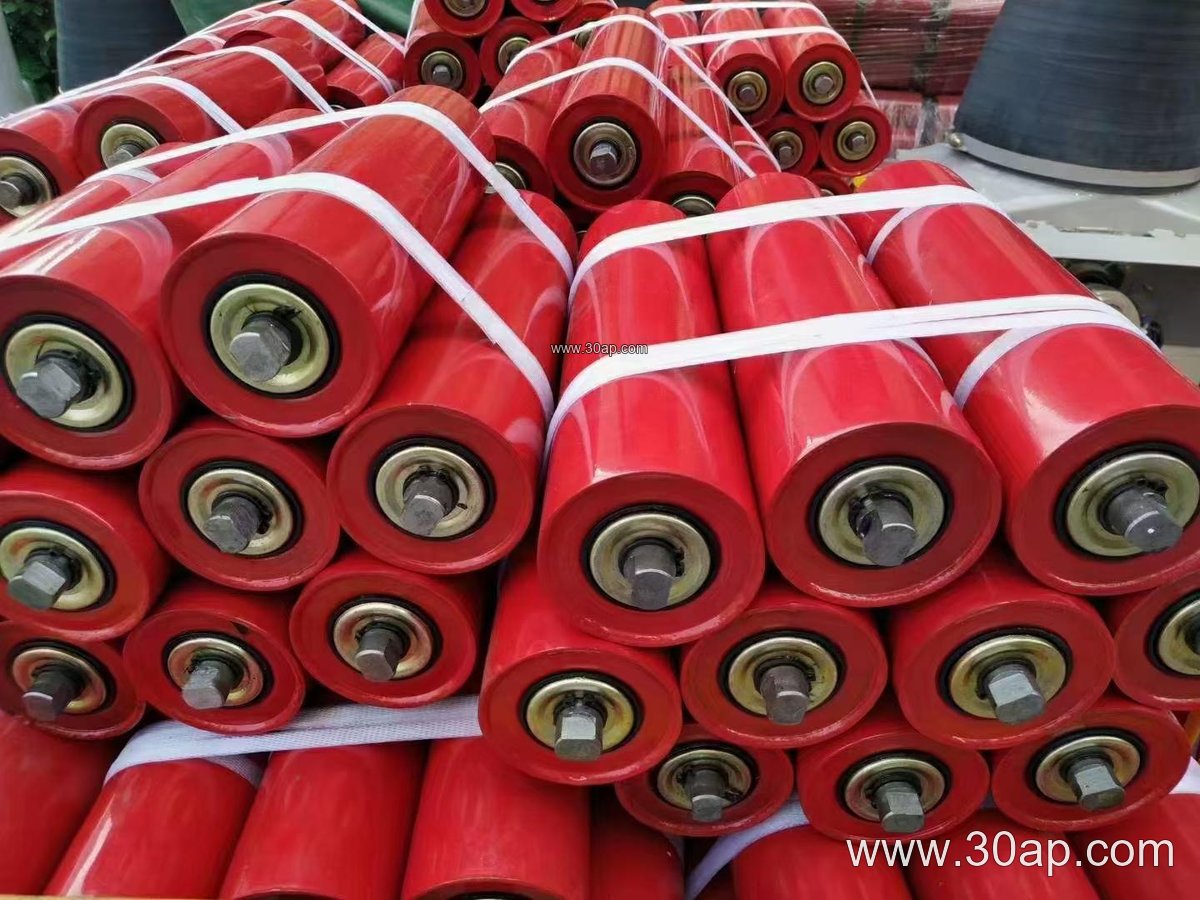
A steel plant conveyor idler is the rotating support that carries the conveyor belt along its route. In sinter plants, coke handling, and slag transport, the idler must tolerate heat, dust, and heavy loads while keeping the belt tracking true. The idler roller is usually a steel tube fitted with sealed bearings and a shaft, mounted in a conveyor bracket or frame. Unlike a conveyor pulley, which drives or redirects the belt at the ends, the idler supports the belt between those points. Drive, tail, and bend pulleys serve different functions and are not interchangeable with idlers.
Construction and Common Configurations
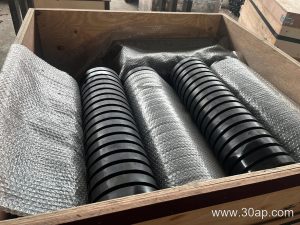
Most steel plant conveyor idlers use a steel tube shell, though nylon, ceramic, or rubber-disc surfaces appear where impact or buildup is a concern. Bearing sizes such as 6204, 6205, 6305, 6306, 6308, and 6310 are common, and the correct bearing depends on load and speed rather than on roller diameter alone. A three-roll troughing set is typical for carrying bulk material, with roll lengths that vary with belt width and trough angle. For example, a B800 belt might use rolls around 315 mm long in a 35-degree trough, while a B1200 belt might use rolls near 465 mm. These are common references, not fixed pairings. Return strands often use a flat or V-return idler to support the empty belt.
Where It Fits in Steel Plant Material Flow
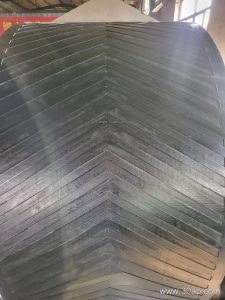
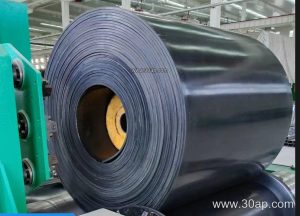
Steel plants move sinter, coke, limestone, iron ore, and additives on conveyor belts that run through dusty, hot, and sometimes wet conditions. A steel plant conveyor idler is found on the carrying side under the loaded belt and on the return side under the empty belt. In sinter and coke areas, heat-resistant conveyor belts and abrasion-resistant conveyor belts are often used together with idlers that can handle elevated temperatures. In raw material yards, an EP conveyor belt, NN conveyor belt, or steel cord conveyor belt may run over the same idler frame, so the idler selection should match the belt load and speed. The idler also works with the conveyor bracket and conveyor pulley to keep the belt centered and stable.
Parameters That Matter to Buyers
When specifying a steel plant conveyor idler, the following reference values are useful. They are common examples, not universal specifications.
| Parameter | Common Reference |
|---|---|
| Roller diameter | Ø63, Ø76, Ø89, Ø102, Ø108, Ø127, Ø133, Ø159, Ø178, Ø194, Ø219 mm |
| Belt width | B400, B500, B650, B800, B1000, B1200, B1400, B1600, B1800, B2000, B2200, B2400 |
| Trough angle | 20°, 30°, 35°, 45° |
| Roll surface | Steel tube, nylon, ceramic, rubber disc |
| Bearing | 6204, 6205, 6305, 6306, 6308, 6310 (common examples) |
| Troughing set | Single roll, two-roll, three-roll |
Roll length changes with belt width, trough angle, and the type of idler set. A three-roll troughing set for B500 might use rolls around 200 mm long, while a B2000 set might use rolls near 750 mm. Side rolls and center rolls can differ. Do not assume that one belt width matches only one pulley diameter or one shaft diameter. Selection should follow the actual belt load, speed, and material conditions.
Selecting and Maintaining Idlers in Steel Plants
In a steel plant, idler choice should consider heat exposure, dust, and impact from lump material. Buffer idlers with rubber discs are sometimes used at transfer points to absorb impact, while training idlers help correct belt misalignment. Sealing and bearing protection matter because fine dust and water can shorten idler life. Regular inspection of idler rotation, shell wear, and bracket alignment helps prevent belt damage. When replacing idlers, confirm the roller diameter, roll length, bearing size, and mounting dimensions rather than relying on the belt width alone.
For related conveyor components, steel plant operators also review the conveyor belt type, such as flame retardant conveyor belt or heat resistant conveyor belt, and the condition of the conveyor pulley and conveyor bracket. A well-matched idler set supports the belt, reduces wear, and keeps material moving through the plant.