What a 1200mm Conveyor Belt Is
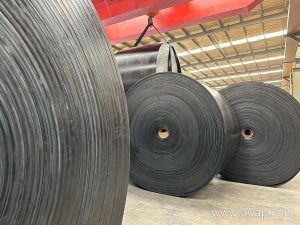
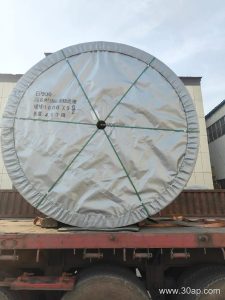
A 1200mm conveyor belt is a belt with a nominal width of 1200 millimeters, commonly written as B1200. It sits in the mid-to-large end of standard belt widths, above 1000mm and below 1400mm, and it is widely used where a single conveyor must move a substantial tonnage without becoming excessively wide. The 1200mm Wide Conveyor Belt format is a practical compromise between capacity and structural cost, which is why it appears in so many bulk handling circuits.
Width alone does not define the belt. A 1200mm Conveyor Belt is specified by its carcass, cover grade, cover thickness, and any special construction such as chevron or sidewall profiles. Buyers should treat the width as the starting point, not the whole specification.
How the Belt Is Built
Most belts at this width use a fabric carcass or a steel cord carcass. Fabric constructions include EP Conveyor Belt (polyester-nylon), NN Conveyor Belt (nylon-nylon), and Multi-Ply Fabric Core Conveyor Belt with two to six plies. Steel Cord Conveyor Belt is chosen for long centers and high tension. Cover rubber is selected for the duty: Abrasion Resistant Conveyor Belt in quarries and crushing plants, Heat Resistant Conveyor Belt near kilns and sinter plants, Oil Resistant Conveyor Belt in recycling and machine shops, and Flame Retardant Conveyor Belt or Anti-Static Conveyor Belt in coal handling and underground work.
Edge construction matters at 1200mm because a wider belt carries more edge stress. Cut edges, molded edges, and reinforced edges are all available, and the choice should follow the pulley alignment and training conditions on site.
Common Specifications
The table below shows typical reference values for a 1200mm belt. These are common ranges, not universal guarantees, and final values are confirmed by design and by the manufacturer.
- Nominal width: B1200 (1200mm)
- Fabric carcass types: EP200, EP315, EP400, EP500, EP630, EP800, EP1000, EP1250
- Nylon carcass types: NN100, NN200, NN300, NN400
- Steel cord types: ST1000, ST1250, ST1600, ST2000
- Cover thickness examples: 4+2mm, 5+2mm, 6+2mm, 8+3mm
- Ply count: usually 2 to 6 for fabric core
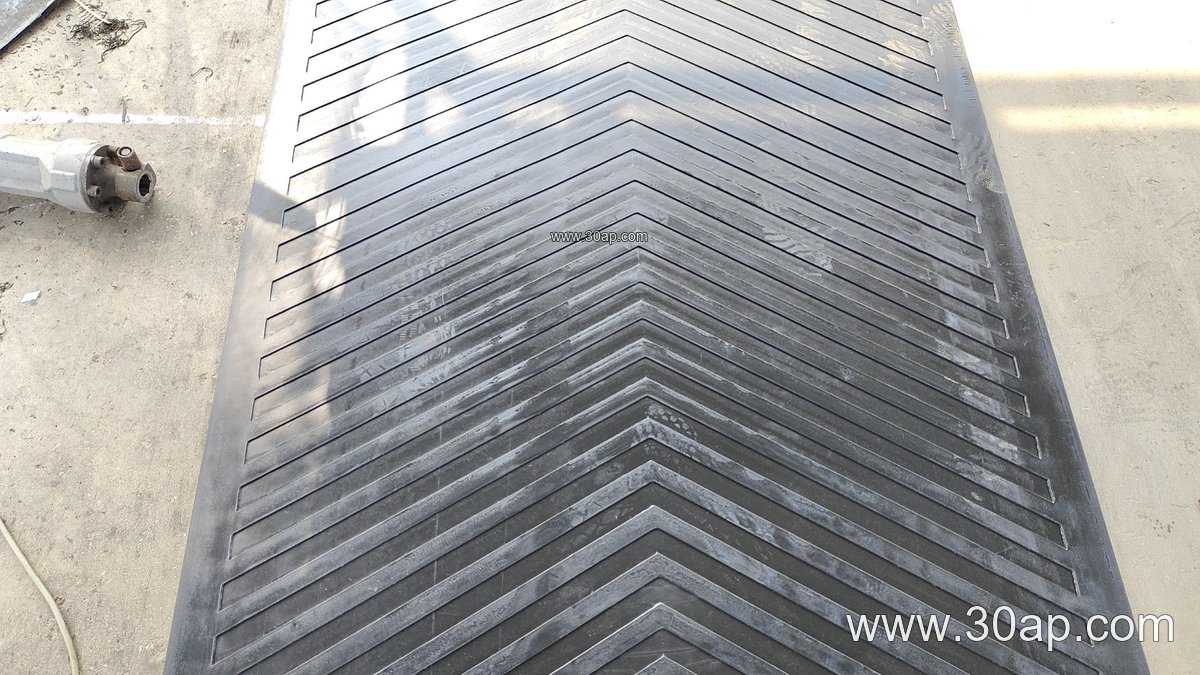
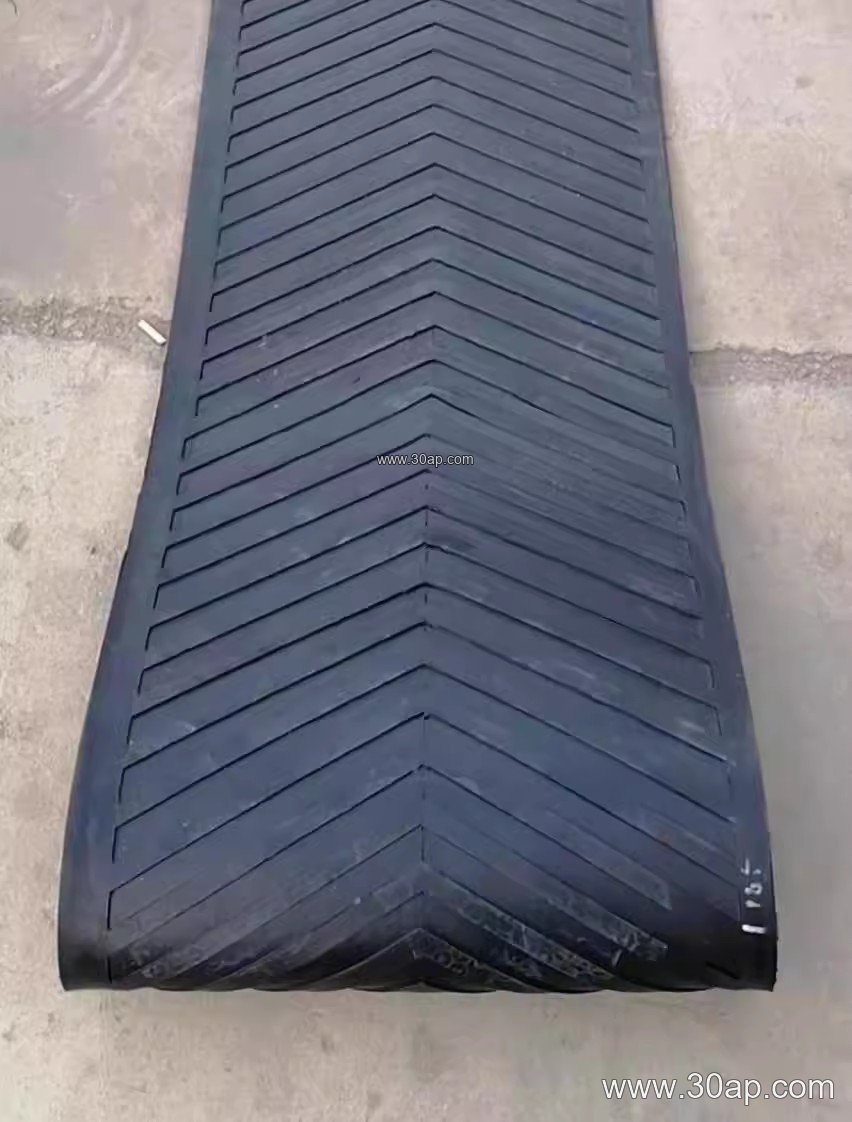
- Surface forms: plain, Chevron Conveyor Belt, Skirted Conveyor Belt, Corrugated Sidewall Conveyor Belt
Where It Fits in the Plant
In a mine or coal preparation plant, a 1200mm belt often serves as a main haulage or transfer belt feeding a crusher or a stockpile. In a cement plant it can carry clinker, limestone, or raw meal between sections. Power plants use it on coal yards and boiler feed lines. Sand and gravel operations, ports, and ship loading systems also favor this width because it matches the discharge openings of many crushers and screens.
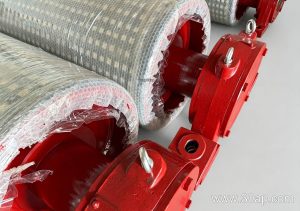
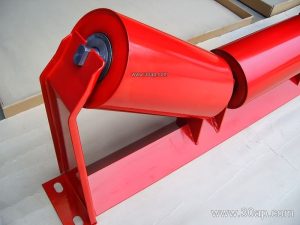
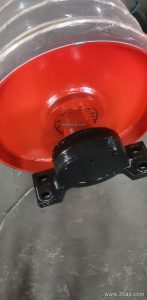
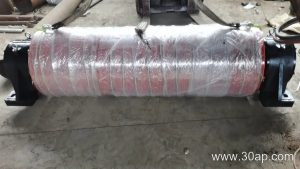
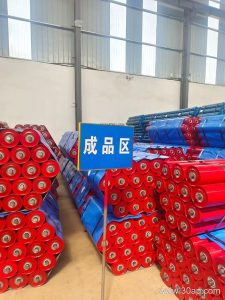
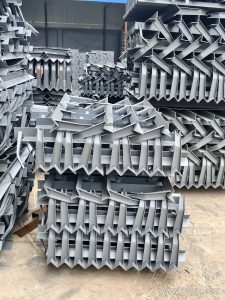
The belt runs on a set of conveyor pulleys, usually a drive pulley at the head, a tail pulley at the loading end, and bend pulleys or take-up pulleys along the return run. Idler roller sets support the carrying side, and conveyor bracket assemblies hold the idlers in alignment. None of these parts should be treated as interchangeable: a drive pulley, a tail pulley, and a bend pulley perform different jobs and are selected separately.
Selection Points for Buyers
Start with the actual tonnage, lump size, and incline. A 1200mm belt on a steep incline may need a Chevron Conveyor Belt or a Corrugated Sidewall Conveyor Belt to prevent material rollback. If the load point drops material from height, an Impact Resistant Conveyor Belt with a heavier top cover reduces damage. For cold climates, Cold Resistant Conveyor Belt compounds stay flexible at low temperature. For food or clean handling, Food Grade Conveyor Belt is a separate family and should not be mixed with heavy mining grades.
Check the pulley face width and the transition distance. A wider belt needs a longer transition from trough to flat, and the idler roller trough angle affects how the belt seats. Do not assume a fixed pulley diameter or shaft size from the belt width alone; those come from the conveyor design and the tension calculation.
Installation and Maintenance Notes
Alignment is the most common source of trouble on a 1200mm Conveyor Belt. Check that the tail pulley and drive pulley are square to the centerline, that idler roller frames are level, and that the conveyor bracket bolts are tight before tensioning. Store spare belting rolled and shaded, away from ozone sources and sharp edges. Inspect splice areas, edge wear, and cover gouges at regular intervals, and track cover thickness so replacement is planned rather than reactive.
For long overland runs, an Endless Conveyor Belt or a properly vulcanized splice reduces the risk of joint failure. For dusty coal service, a Flame Retardant Conveyor Belt combined with good belt cleaning keeps the system safer. Whatever the duty, the 1200mm width should be matched to the pulley, idler, and support structure as one system, not as isolated parts.