What a Corrosion-Resistant Idler Does
A corrosion-resistant idler is a conveyor roller built to survive moisture, salt, acid, and other aggressive substances that would quickly ruin a standard roller. In a quarry, a coal washing plant, or a port handling bulk material, the idler roller sits under the conveyor belt and supports it while allowing free rotation. When the environment attacks steel, the corrosion-resistant version keeps the belt tracking smoothly and reduces downtime.
The design goal is simple: keep the rotating parts turning and the frame intact despite chemical exposure. This is not a single material or shape; it is a family of rollers where the shell, bearing housing, seals, and shaft treatment are selected to resist corrosion.
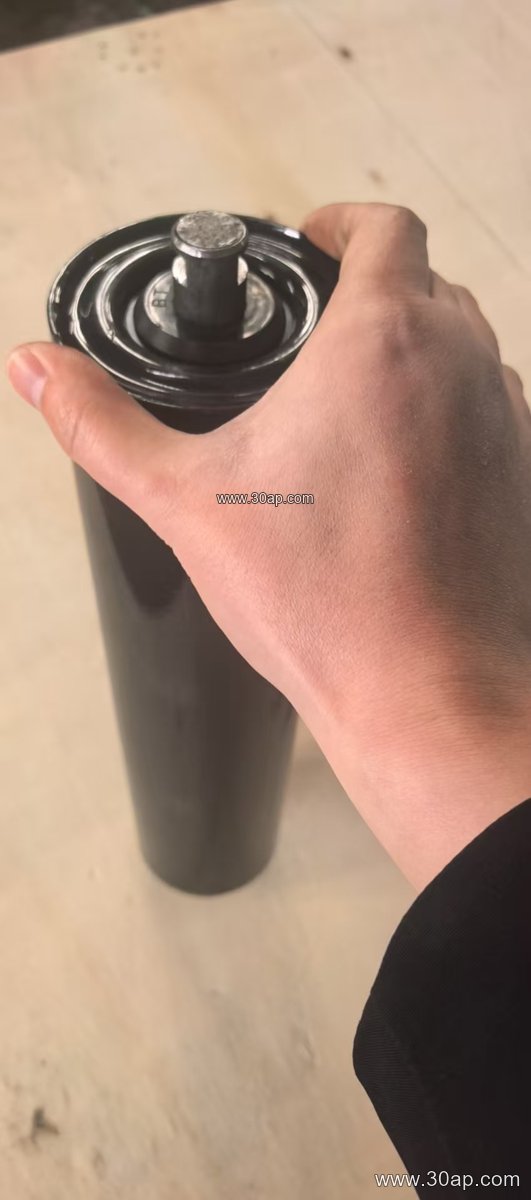
How It Is Built
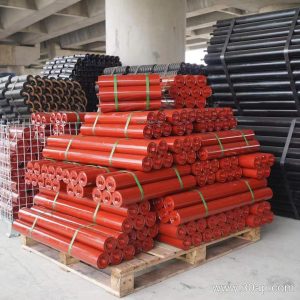
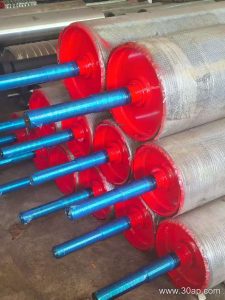
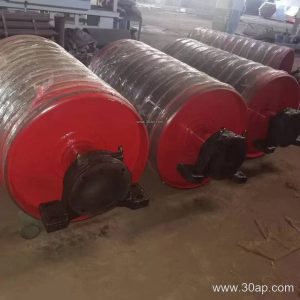
Most corrosion-resistant idlers start with a steel tube or a polymer shell. Common roller diameters include Ø89, Ø108, Ø127, and Ø159, with larger sizes such as Ø178 and Ø194 used in heavy-duty mining conveyors. The roller surface may be plain steel, nylon, ceramic, or rubber-covered, depending on whether abrasion or impact is also a concern.
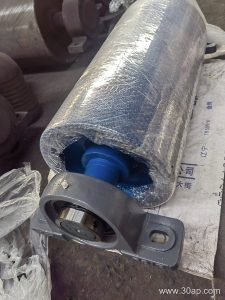
Seals are the critical detail. A multi-labyrinth seal with corrosion-resistant end caps keeps water and fine particles away from the bearing. Bearings such as 6204, 6205, 6305, 6306, 6308, and 6310 are common, but the bearing number alone does not define the idler’s corrosion resistance; the housing and seal arrangement matter just as much. Shafts are often stainless steel or treated carbon steel, and fasteners are galvanized or coated.
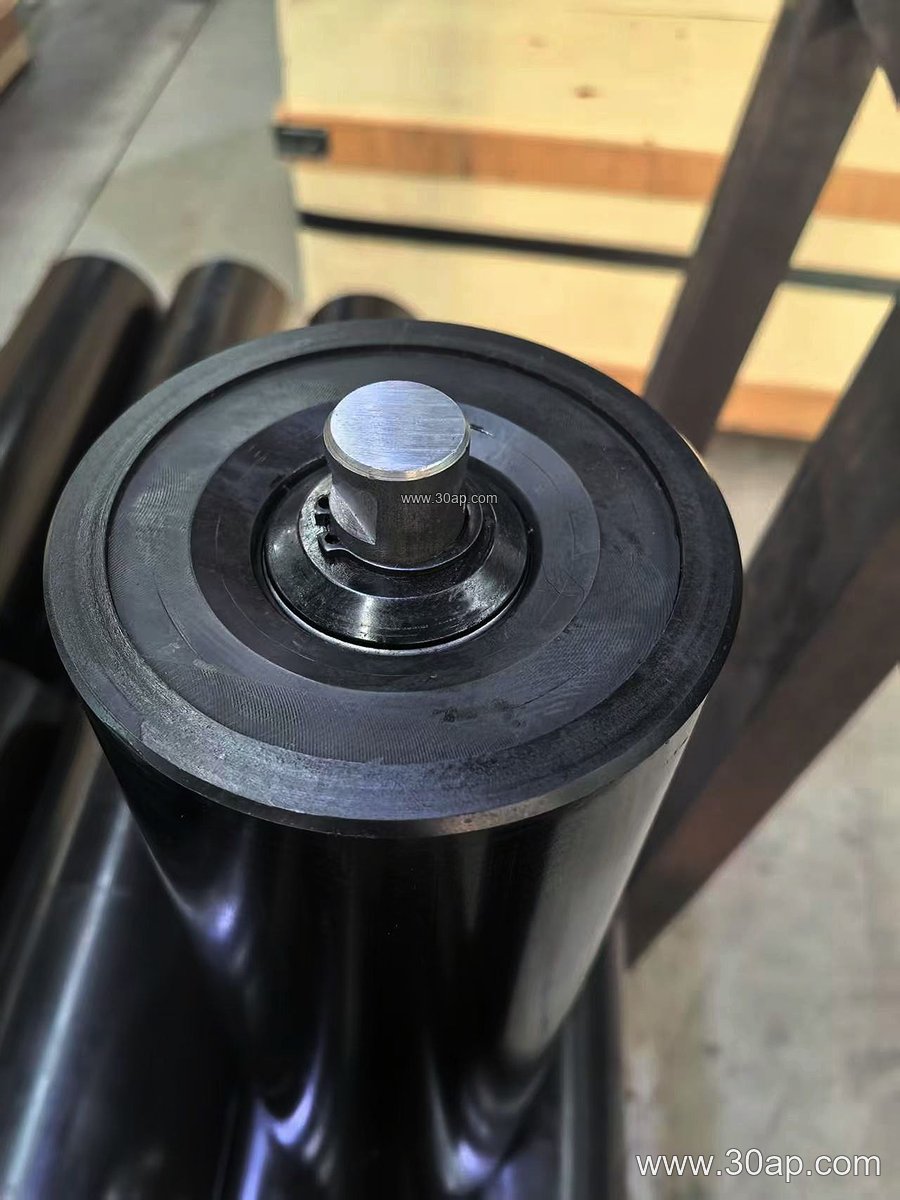
Where It Fits on the Conveyor
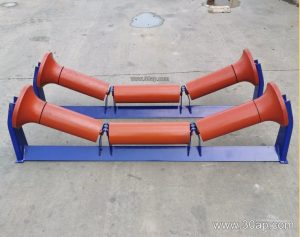
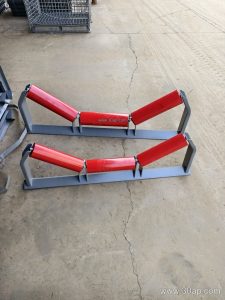
Corrosion-resistant idlers appear in troughing sets, return sets, and transition positions. For a three-roll troughing set on a B800 conveyor belt, the common roller length is around 315 mm, while a B1200 belt typically uses about 465 mm. These are reference examples, not fixed rules. Side rollers and center rollers can differ, and the trough angle (20°, 30°, 35°, or 45°) changes the geometry.
In a wash plant or fertilizer handling line, a corrosion-resistant return roller supports the empty belt and keeps it from sagging. In a port loading facility, the same roller may face salt-laden air. The roller is chosen for the environment, not just the belt width.
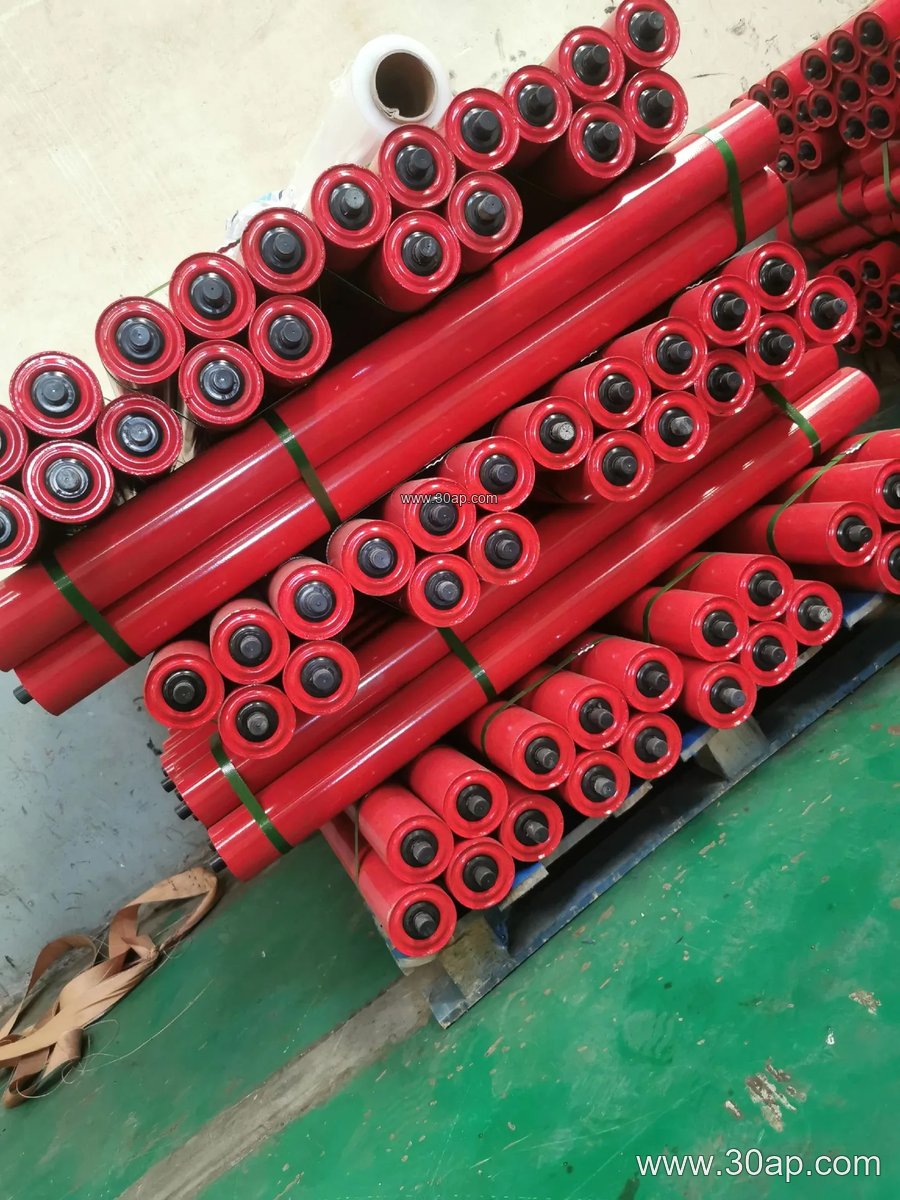
Applications Across Industries
You will find corrosion-resistant idlers in coal preparation plants, cement plants, power plant coal yards, and limestone quarries where wash water and humidity are constant. They are also used in fertilizer production, where chemical dust attacks mild steel, and in tunnel muck handling where groundwater is present. In each case, the idler roller works with a conveyor belt that may itself be a rubber conveyor belt, an EP conveyor belt, or a flame retardant conveyor belt selected for the same environment.
For abrasive cargo such as iron ore or copper ore, a corrosion-resistant roller with a rubber or ceramic surface can combine chemical protection with wear resistance. In food or grain facilities, a smooth, cleanable shell may be preferred, and the idler must not shed particles.
Buyer Checklist
- Confirm the belt width and trough angle so roller lengths match the conveyor bracket spacing.
- Specify the roller diameter (for example Ø108 or Ø127) and the bearing size separately; one does not fix the other.
- Ask about seal type and end cap material, since these determine real corrosion resistance.
- Match the roller surface to the load: plain steel for light duty, rubber or ceramic for abrasive bulk material.
- Check that the shaft and fasteners are compatible with the wash-down or chemical exposure at the site.
Pair the idler with a suitable conveyor pulley at the drive and tail positions, and keep the belt tension correct. A well-chosen corrosion-resistant idler protects the conveyor belt, reduces friction, and extends service life in wet, salty, or chemical environments.