What a High-Strength Pulley Is
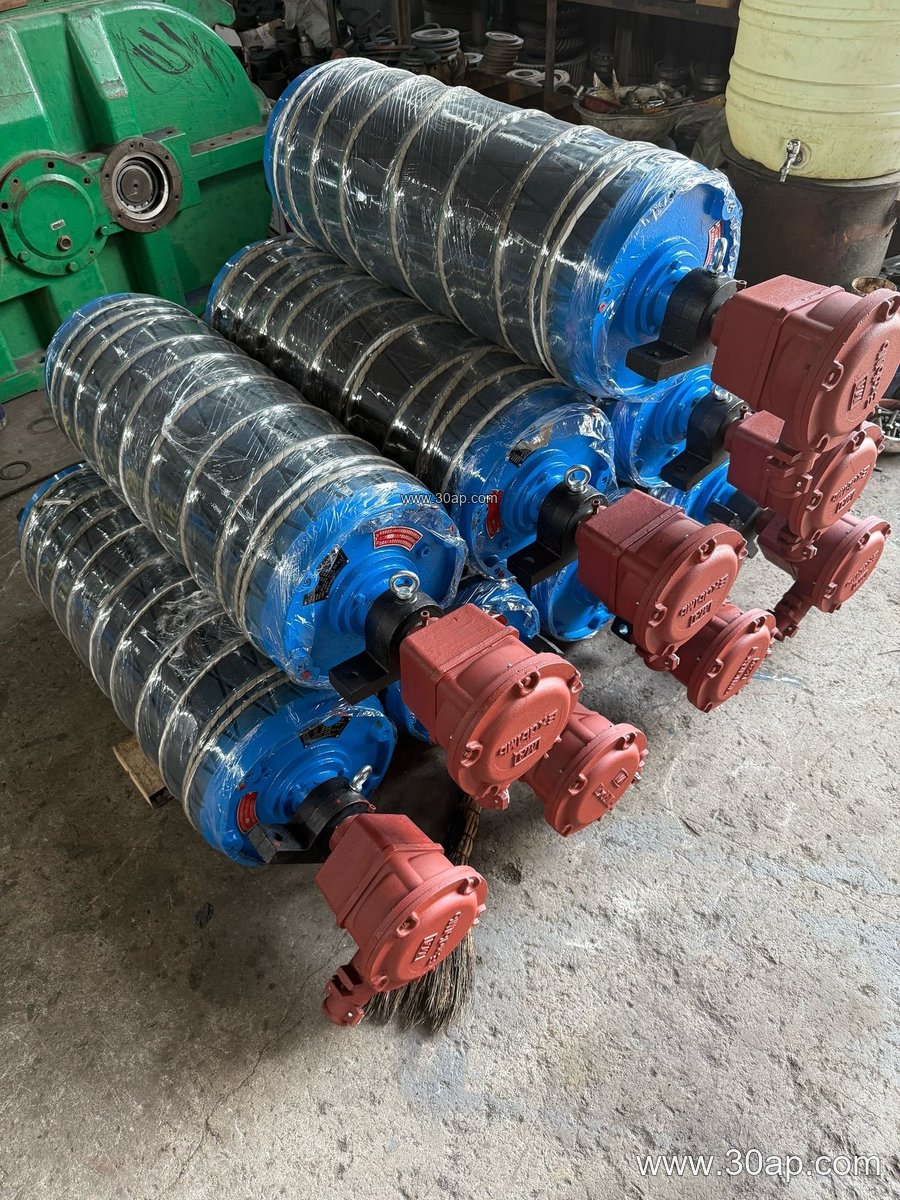
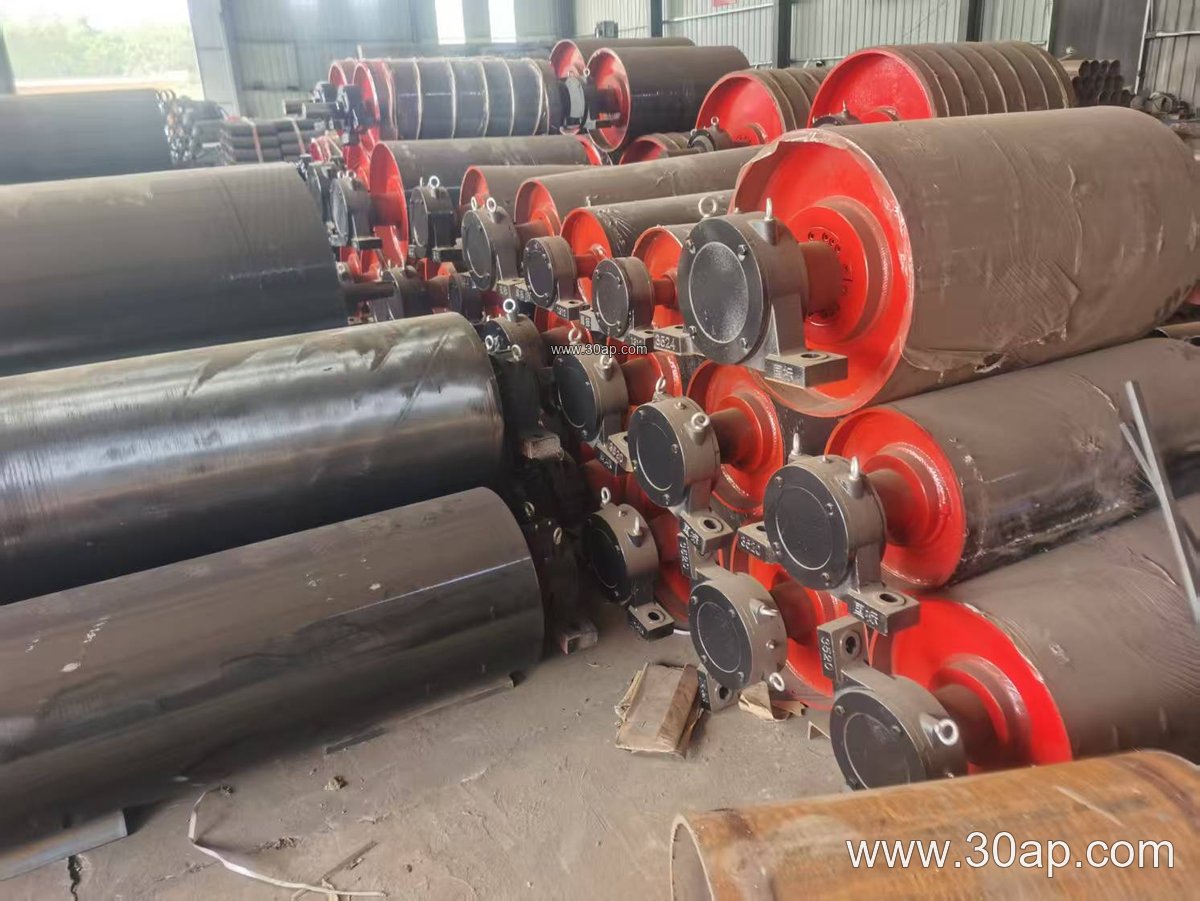
A high-strength pulley is the robust drum at the heart of a conveyor drive, tail or bend station, built to carry high belt tension without flexing out of shape. In plant language it is often simply called a heavy-duty conveyor pulley, and the two terms describe the same component: a welded or cast drum with a shaft, hub and lagging that transfers motion to the belt or redirects it. The emphasis on strength matters because a standard drum can deflect under load, which shortens bearing life and lets the belt track poorly.
The strength comes from the shell, the end discs, the hub-to-shaft connection and the shaft itself. A heavier shell, properly spaced internal stiffening discs and full-penetration welds keep the drum round under tension. Shaft diameter is chosen from torque and radial load, not from belt width alone, so two conveyors with the same belt width may use very different shafts.
Where It Fits on the Conveyor
Position decides the job. A drive pulley transmits power and needs lagging with enough friction to avoid slip. A tail pulley turns the belt at the loading end and often carries a self-cleaning or wing profile. A bend pulley changes belt direction and may be plain-faced. These roles are not interchangeable, and a high-strength pulley should be specified for the position it will actually occupy.
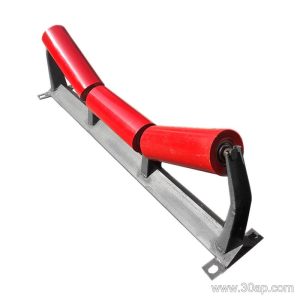
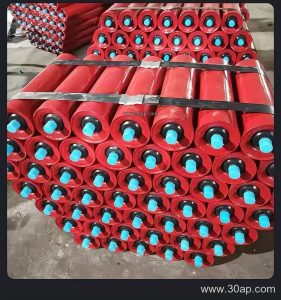
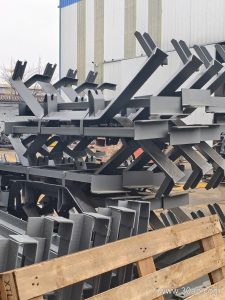
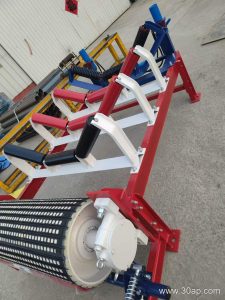
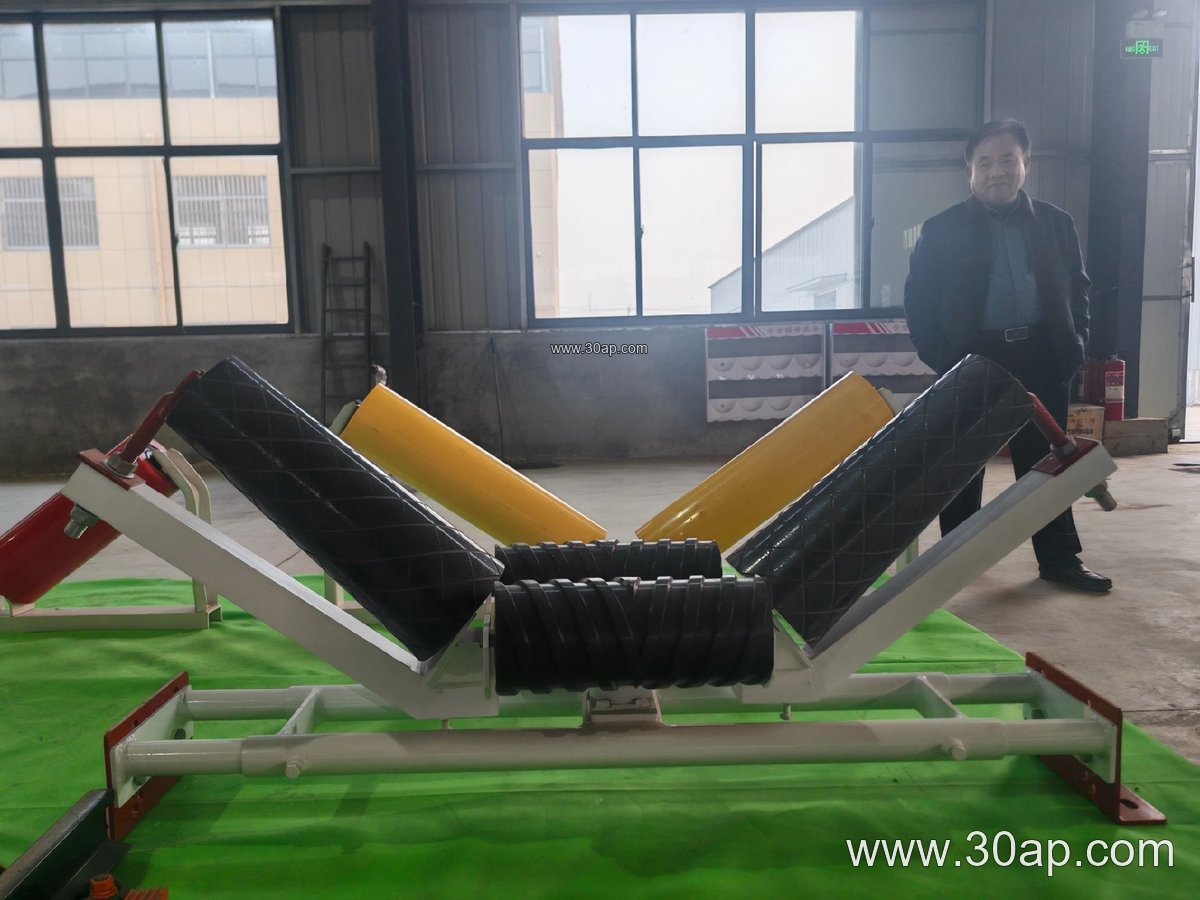
Typical duty sites include a quarry transfer tower, a coal washing plant, a cement clinker line, a power station coal yard and a port bulk terminal. In each, the drum works alongside the conveyor belt, idler roller sets and conveyor brackets, so alignment across the whole frame matters as much as drum strength.
Build Details and Surface Options
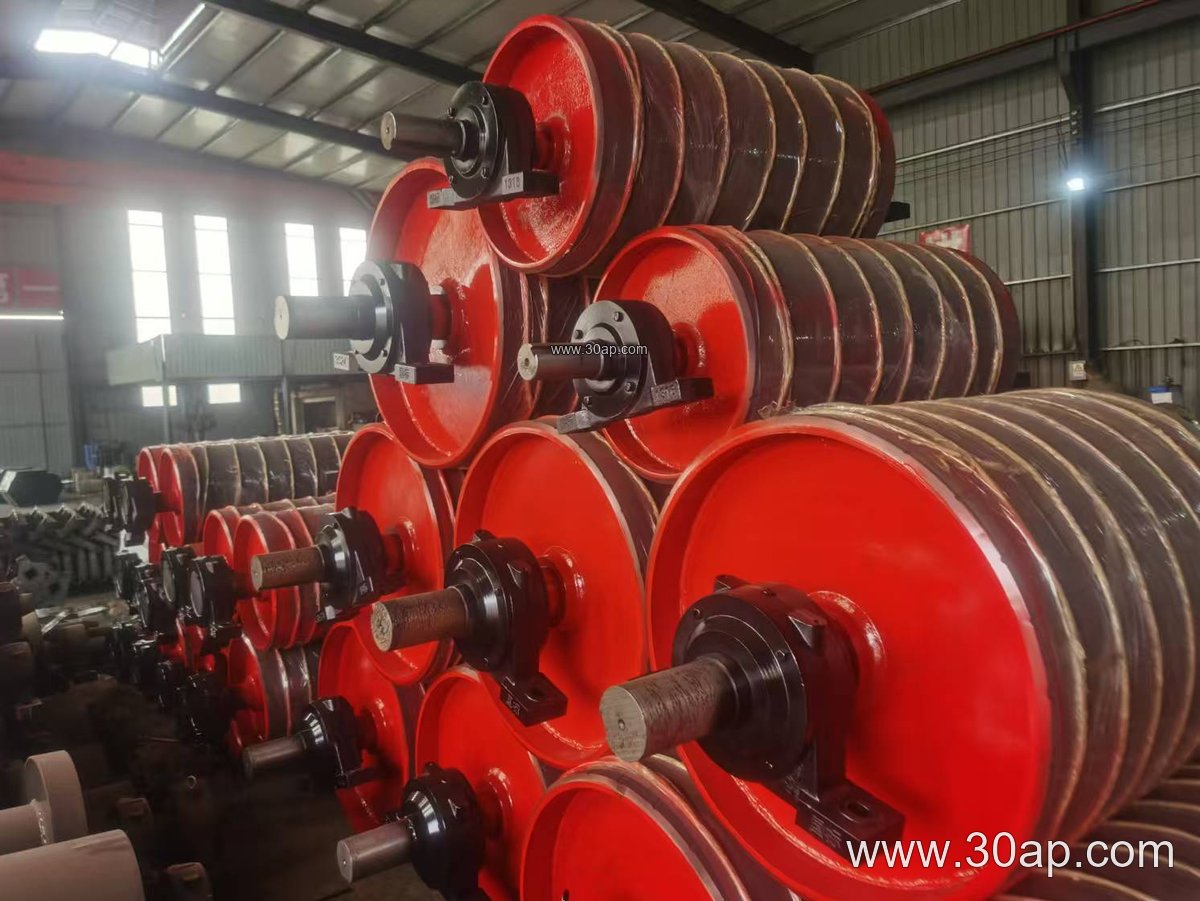
Shells are usually rolled steel; hubs are keyed or shrink-fitted to the shaft. Lagging can be plain, cold-bonded rubber, hot-vulcanized rubber, diamond grooved, herringbone grooved or ceramic. Grooved and ceramic surfaces suit wet or oily drive positions, while a plain face is often enough for a bend station. Common lagging thicknesses are 8, 10, 12, 15 and 20 mm, chosen with the duty rather than copied from a neighbour’s drawing.
Reference dimensions below show how shell face width usually runs wider than the belt. They are examples, not fixed pairings.
- B500 belt — shell face around 600 mm
- B800 belt — shell face around 950 mm
- B1000 belt — shell face around 1150 mm
- B1200 belt — shell face around 1400 mm
- B1400 belt — shell face around 1600 mm
- B1600 belt — shell face around 1800 mm
Diameter ranges commonly seen run from Ø200 up to Ø1600 and beyond on large drives. A B800 × Ø500 drum and a B1200 × Ø1000 drum are both normal combinations; the diameter follows belt tension, wrap angle and space, not width alone.
Matching the Drum to the Belt
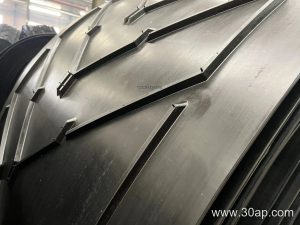
The belt and the drum are a pair. A heavy abrasion resistant conveyor belt on a primary crusher discharge needs a drive drum with good traction lagging, while a flame retardant conveyor belt in an underground coal mining conveyor must be matched with a drum surface that will not slip and overheat. On long overland lines a steel cord conveyor belt or a high strength conveyor belt such as EP1000 or ST2000 grade may call for a larger diameter to keep bending stress low. Where a pipe conveyor belt or corrugated sidewall conveyor belt runs, check the drum face and any guide components carefully.
For buyers, the useful checklist is: duty position, belt type and width, calculated belt tension, wrap angle, shaft load, lagging preference and environmental conditions. Ask for the shaft calculation, not just a drawing.
Installation and Care
Check squareness to the frame, tighten bearing bolts to the maker’s figure and confirm the belt runs centred before loading. Inspect lagging for wear and glazing, listen for bearing noise and re-torque fasteners at scheduled stops. A well-chosen high-strength pulley, kept aligned with its idler roller and bracket set, will usually outlast the belt it carries.