What a Conveyor Bracket Actually Does
A conveyor bracket is the structural interface between the belt line and its rotating parts. It holds idler rollers at the correct trough angle, keeps the belt profile stable between pulleys, and transfers load into the conveyor frame. In a quarry, a cement plant, or a power plant coal yard, the bracket is often the least discussed item on the bill of materials, yet it decides how evenly the belt sits and how long rollers last. Procurement therefore deserves more attention than a simple count of steel pieces.
Buyers usually meet the product under several names, such as idler frame, roller support bracket, or conveyor bracket assembly. These refer to the same family of parts; the exact wording differs between suppliers and drawing sets.
Construction and Common Forms
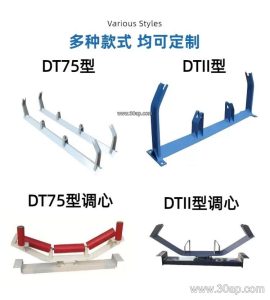
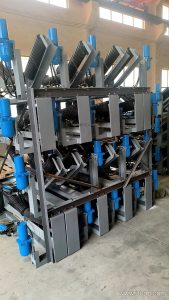
Most brackets are fabricated from angle steel, channel steel, or folded steel plate, then drilled or punched for roller shafts and frame bolts. Galvanized or painted finishes are common in outdoor installations. The shape follows the duty: a trough bracket carries three rollers in a V or U profile, a return bracket supports the lower run, and a transition bracket eases the belt from flat to troughed.
Typical configurations include:
- Troughing brackets for the carrying side, fixed or adjustable
- Return brackets, including V-type and flat lower frames
- Impact brackets placed under loading points
- Self-aligning and forward-leaning brackets for belt tracking
- Suspended brackets for lighter or mobile structures
Adjustable versions let maintenance staff change the trough angle within a range, while fixed brackets lock one geometry for the life of the line.
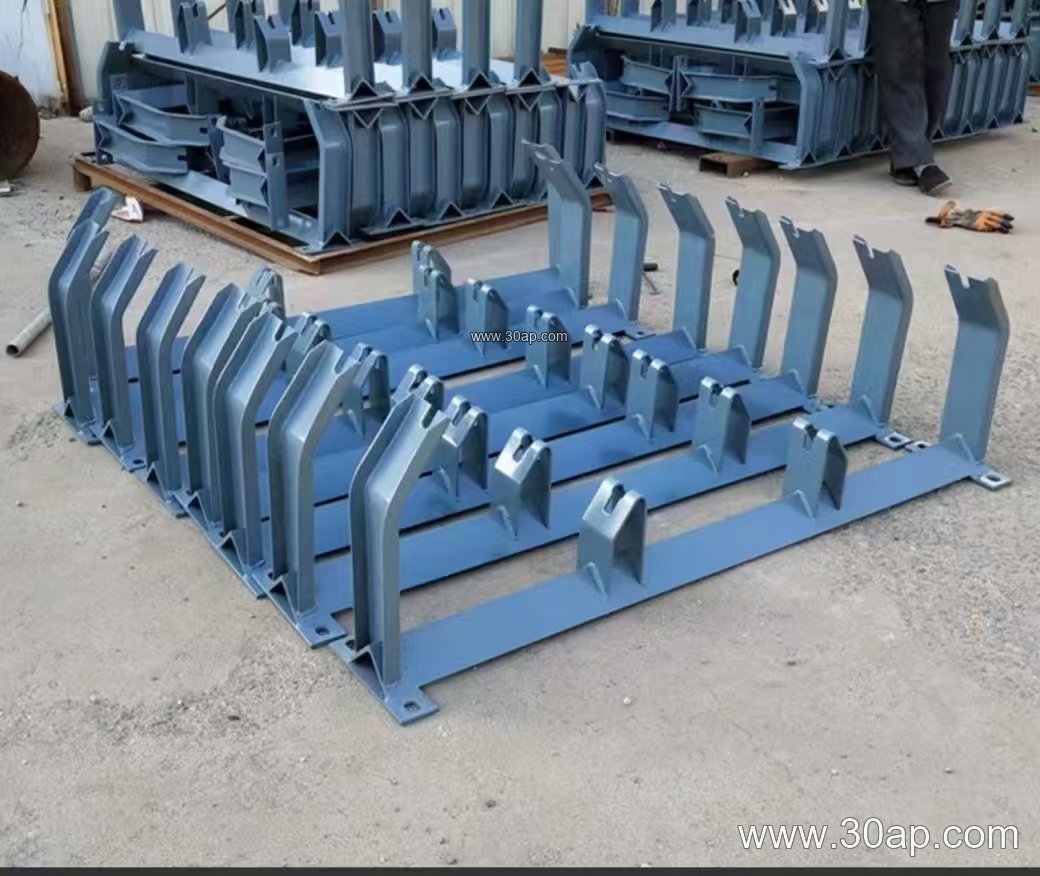
Matching Brackets to Belt Width and Roller Diameter
Three values drive most enquiries: belt width, trough angle, and roller diameter. They are related but not locked together. A B800 line may run at 30 or 35 degrees with Ø108 rollers, and a B1200 frame might use 45 degrees with Ø133 or Ø159 rollers depending on load and belt stiffness. Installation hole spacing and crossbeam length change with width and angle, so these should be confirmed on the drawing rather than assumed.
| Reference item | Common range | Note |
|---|---|---|
| Belt width | B500 to B2200 | Match frame length to the belt, not the other way round |
| Trough angle | 20, 30, 35, 45 degrees | Adjustable brackets cover a range |
| Roller diameter | Ø89, Ø108, Ø133, Ø159, Ø194 | Selected by load and belt speed |
| Forward lean | About 1.5 to 2 degrees | Used for tracking on the carrying side |
These figures are reference data for discussion, not universal specifications. Final values come from the conveyor design.
Where the Part Earns Its Keep
In a limestone mine or a crushing and screening line, brackets sit under heavy, abrasive loads and must resist vibration. In a cement plant, dust and heat shorten roller life, so bracket alignment matters even more. Coal handling at a power plant adds flame retardant requirements to the belt, and the bracket must keep that belt centred through transfer points. Similar logic applies in a fertilizer plant or a grain silo, where spillage and belt wander are costly.
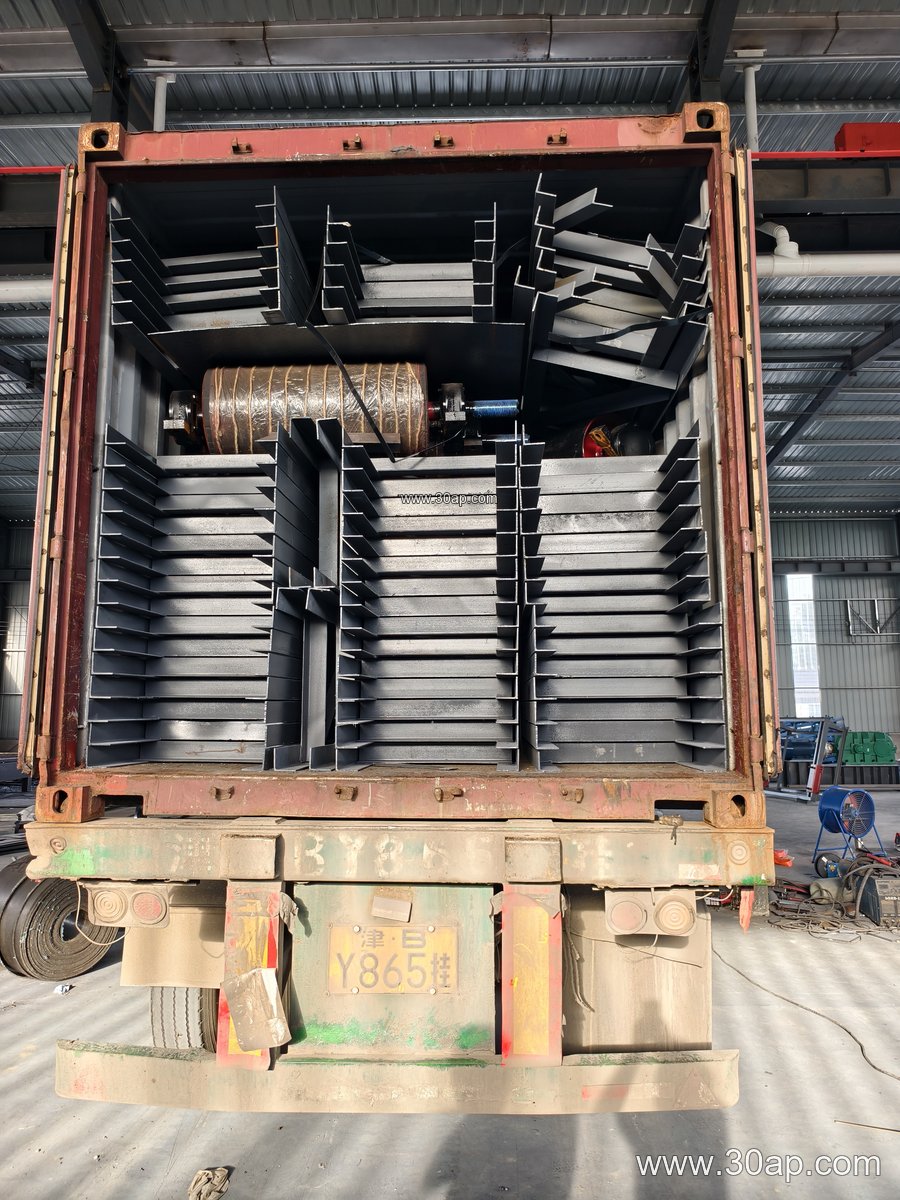
The bracket works together with the conveyor belt, the idler roller, and the conveyor pulley. A misaligned frame loads the belt edge, and the damage often appears first at the drive or tail pulley rather than at the bracket itself.
Procurement Checklist
Before issuing a purchase order, confirm the following:
- Belt width and required trough angle for each position
- Roller diameter and shaft end type
- Fixed or adjustable design, and the adjustment range
- Material and surface finish for the site conditions
- Hole pattern and mounting dimensions against the frame drawing
- Quantity by position, not just a total
Ask for dimensional drawings with the quotation. A bracket that fits the frame but not the roller is a common and avoidable delay. For heavy-duty mining conveyor belt lines, specify thicker sections and check weld quality; for lighter aggregate conveyor belt duties, standard channel sections are usually enough. Buyers sourcing through a supplier of conveyor components can often combine brackets with roller and pulley orders to simplify logistics.
Spare parts planning is part of procurement too. Keeping a small stock of the most loaded troughing brackets and one or two adjustable frames reduces downtime during a shutdown. Record the belt width, angle, and roller size on the store label so the right part is picked without measuring on site.
Closing Note
Good conveyor bracket procurement is mostly about matching drawings to reality: belt width, trough angle, roller diameter, and frame hole pattern. Get those four right, confirm the material for the environment, and the belt line will run straighter for longer.