What a High Impact Resistant Idler Does
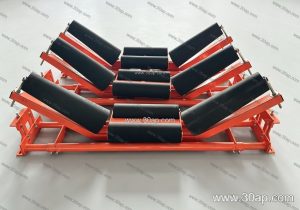
A High Impact Resistant Idler is a conveyor idler roller built to absorb the shock of large, heavy, or sharp material hitting the belt at a transfer point. Instead of a rigid steel shell taking the full blow, this impact idler uses a cushioned surface that spreads the force over a wider area of the conveyor belt. In a quarry, a coal preparation plant, or a crushing circuit, the difference between a standard carrying idler and an impact resistant roller often decides how long the belt and the idler frame last.
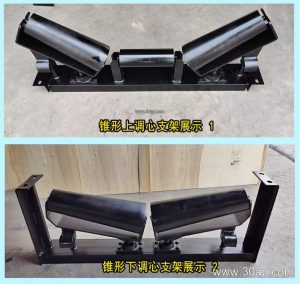
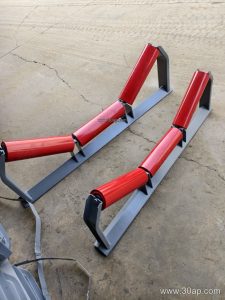
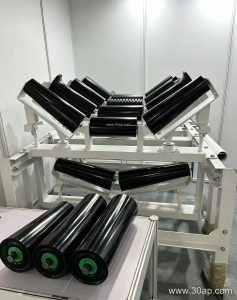
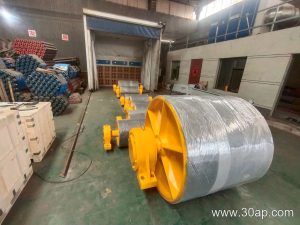
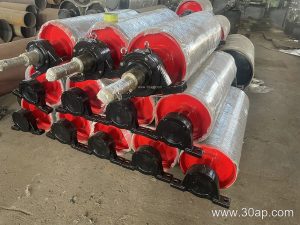
This is still a carrying idler, usually mounted in a three-roll troughing set under the loading zone. It is not a drive, tail, or bend pulley, and it cannot be swapped for one. The conveyor pulley handles power transmission and belt direction; the high impact resistant idler handles shock absorption on the carrying side.
How the Roller Is Built
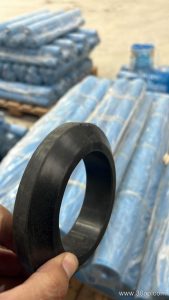
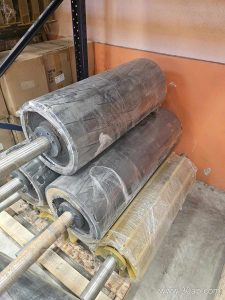
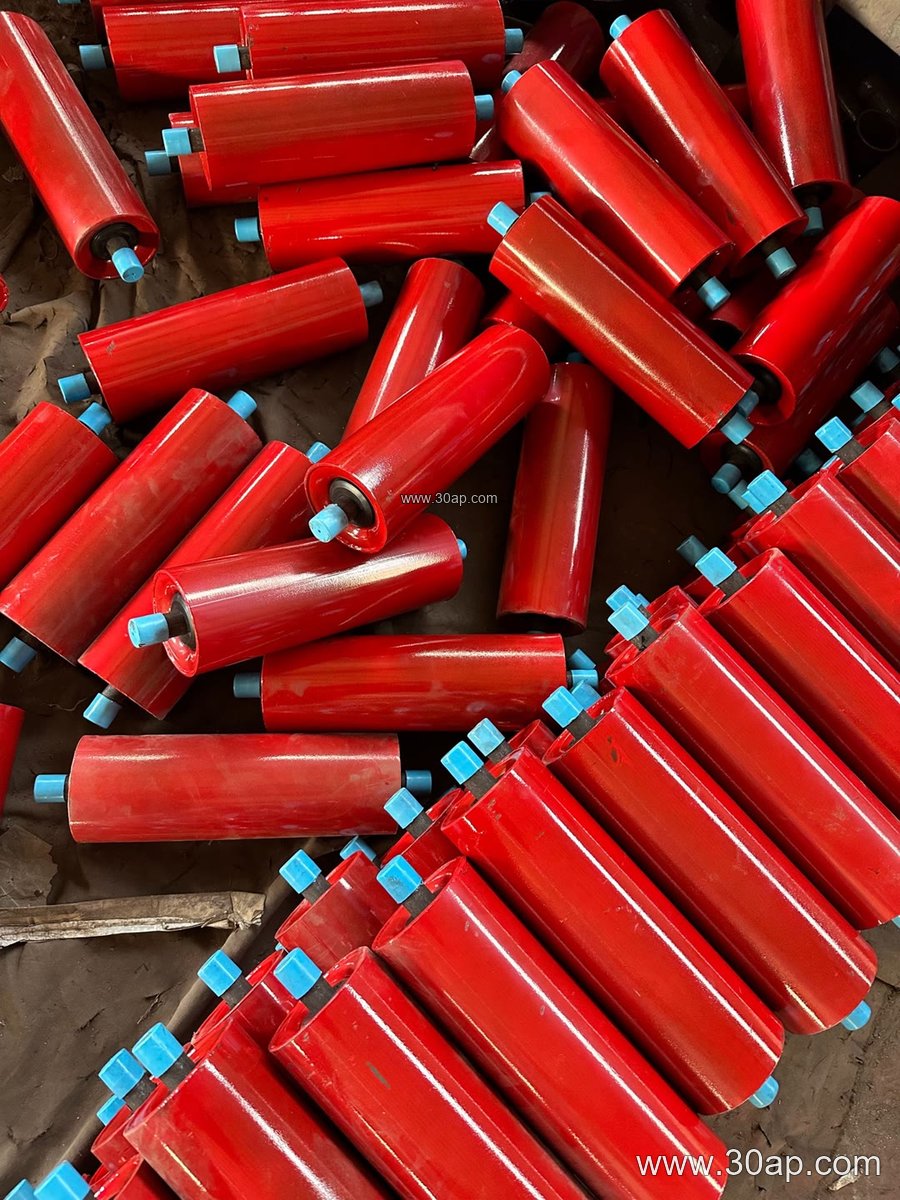
The core is a steel tube with welded bearing housings, fitted with deep groove ball bearings and a multi-stage seal. What separates an impact idler from an ordinary troughing idler is the outer layer: rubber rings, rubber discs, or a heavy rubber sleeve pressed onto the shell. Some designs add a reinforced shell and thicker shaft for rocky duty. The rubber compresses on impact, then recovers, so the belt is not pinched against a hard steel surface.
- Rubber ring impact idler: individual rubber rings spaced along the shell, easy to replace.
- Rubber disc impact idler: wider discs for very lumpy feed.
- Reinforced steel shell with rubber sleeve: for extreme drop heights and dense ore.
Bearing selection follows load and speed rather than belt width alone. Common sizes include 6205, 6305, 6306, and 6308, with larger bearings on heavier frames. Sealing quality matters as much as rubber thickness in dusty, wet, or washdown conditions.
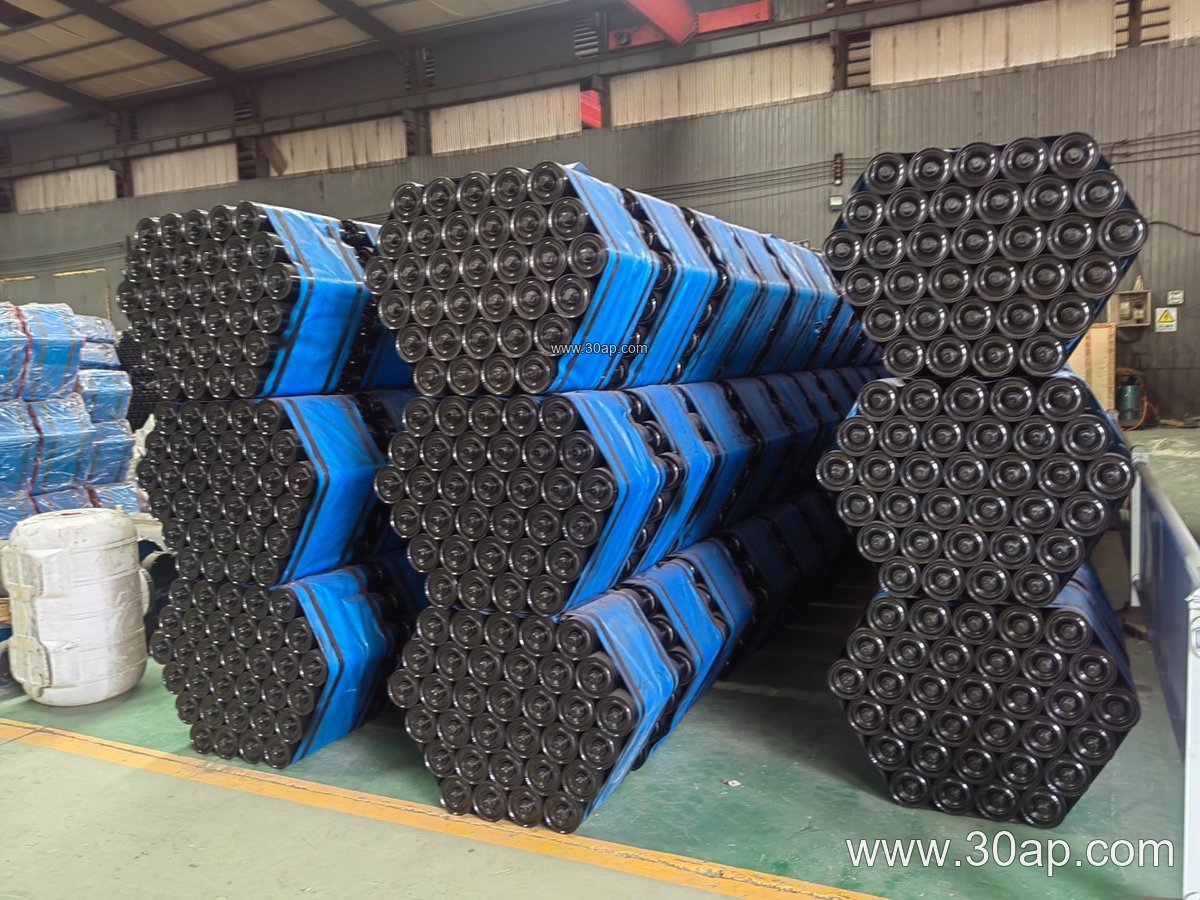
Where It Fits on the Conveyor
The usual position is directly below the chute or crusher discharge, where a conveyor belt receives material with the greatest vertical speed. A short run of impact idlers, often three to five sets, is placed on closer spacing than the rest of the line, then followed by standard troughing idlers. In a limestone mine or aggregate plant, this zone takes constant punishment from rock; in a power plant coal yard, the lumps are softer but the drop can still be severe.
Impact rollers also appear after a primary crusher, at truck dump hoppers, and at the head of a yard conveyor. Where fines and moisture are present, the same position may call for a self-cleaning or spiral return idler further along, but the loading point itself stays with the impact type.
Dimensions and Matching the Belt
Roll diameter and length are set by belt width, trough angle, and frame design. Typical roller diameters for impact service run from about 89 mm to 159 mm, with larger diameters used where the belt is wide and the load is heavy. Belt widths from B500 to B1800 are common in mining and bulk handling, and trough angles of 20, 30, 35, or 45 degrees change the side roll length. The table below shows common values for reference only; actual figures are confirmed by the conveyor design.
| Belt width | Typical three-roll troughing idler length | Common trough angle |
|---|---|---|
| B500 | about 200 mm | 20 to 35 degrees |
| B650 | about 250 mm | 20 to 35 degrees |
| B800 | about 315 mm | 30 to 35 degrees |
| B1000 | about 380 mm | 30 to 35 degrees |
| B1200 | about 465 mm | 30 to 45 degrees |
| B1400 | about 530 mm | 30 to 45 degrees |
| B1600 | about 600 mm | 35 to 45 degrees |
| B1800 | about 670 mm | 35 to 45 degrees |
Side and center rolls can differ in length, and a wider belt does not lock the installation to one pulley diameter or one shaft size. Always match the idler to the conveyor bracket and frame drawing.
Buyer Checklist
Before ordering, confirm the belt width, trough angle, roller diameter, shaft ends, and frame spacing. State the material type, lump size, and drop height so the rubber thickness and shell strength can be chosen sensibly. Ask about bearing brand, seal type, and whether the rubber rings are replaceable. For abrasive ore or heavy rock, a high abrasion resistant conveyor belt and a properly sized impact idler work as a pair; for coal with fire risk, a flame retardant conveyor belt is the usual companion. Buyers often pair these rollers with an EP conveyor belt or steel cord conveyor belt depending on tension and distance.
Inspection is simple: watch for flattened rubber, loose rings, seized bearings, and belt tracking drift near the load zone. Replacing worn impact idlers early protects the belt cover and avoids downtime at the busiest point of the line.