What a High-Strength Pulley Is
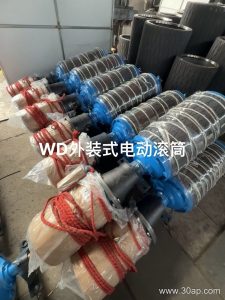
A high-strength pulley is a heavy-duty conveyor pulley engineered to transmit torque and support belt tension in demanding bulk material handling applications. Often referred to as a high-strength conveyor pulley, it serves as the mechanical interface between the conveyor belt and the drive system, guiding and driving the belt along its path. Unlike standard pulleys, high-strength units are built with thicker shells, reinforced shafts, and robust bearing assemblies to withstand high radial loads, shock loading, and continuous operation in harsh environments.
These pulleys are critical in industries such as mining, coal preparation, cement plants, power generation, and quarrying, where conveyor systems move large volumes of abrasive or heavy materials. Whether used as a drive pulley, tail pulley, or bend pulley, the high-strength design ensures reliable performance and extended service life.
Construction and Key Features
The construction of a high-strength pulley focuses on durability and load capacity. Common design elements include:
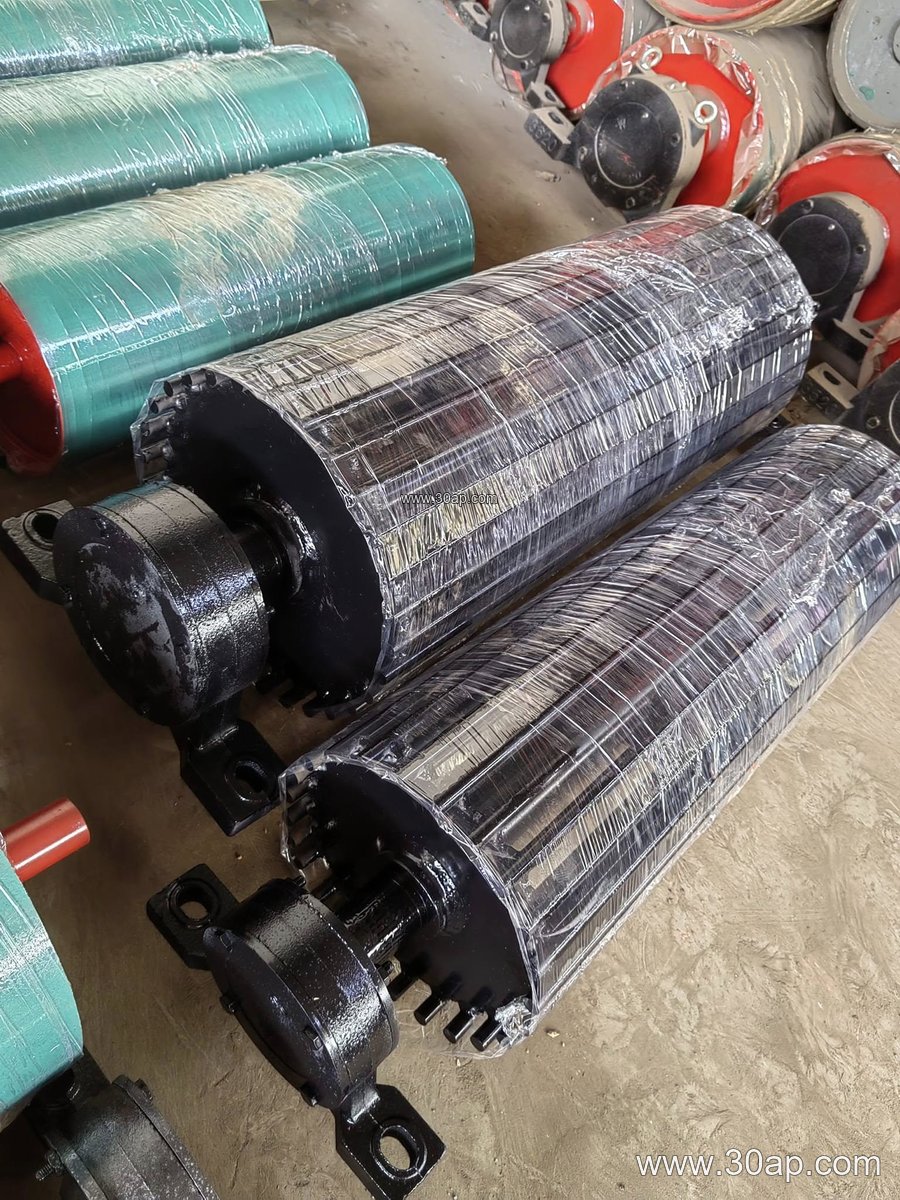
- Heavy-duty shell: Made from thick steel plate, often rolled and welded, to resist bending and fatigue under high belt tension.
- Reinforced shaft: Sized according to torque and load requirements, with common shaft diameters ranging from Ø50 to Ø200 mm or more, depending on the application.
- Bearing housings: Robust cast or fabricated housings with tapered roller bearings for high radial and axial load support.
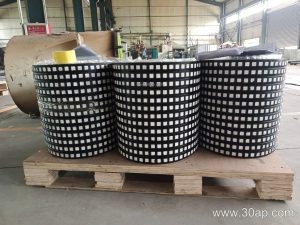
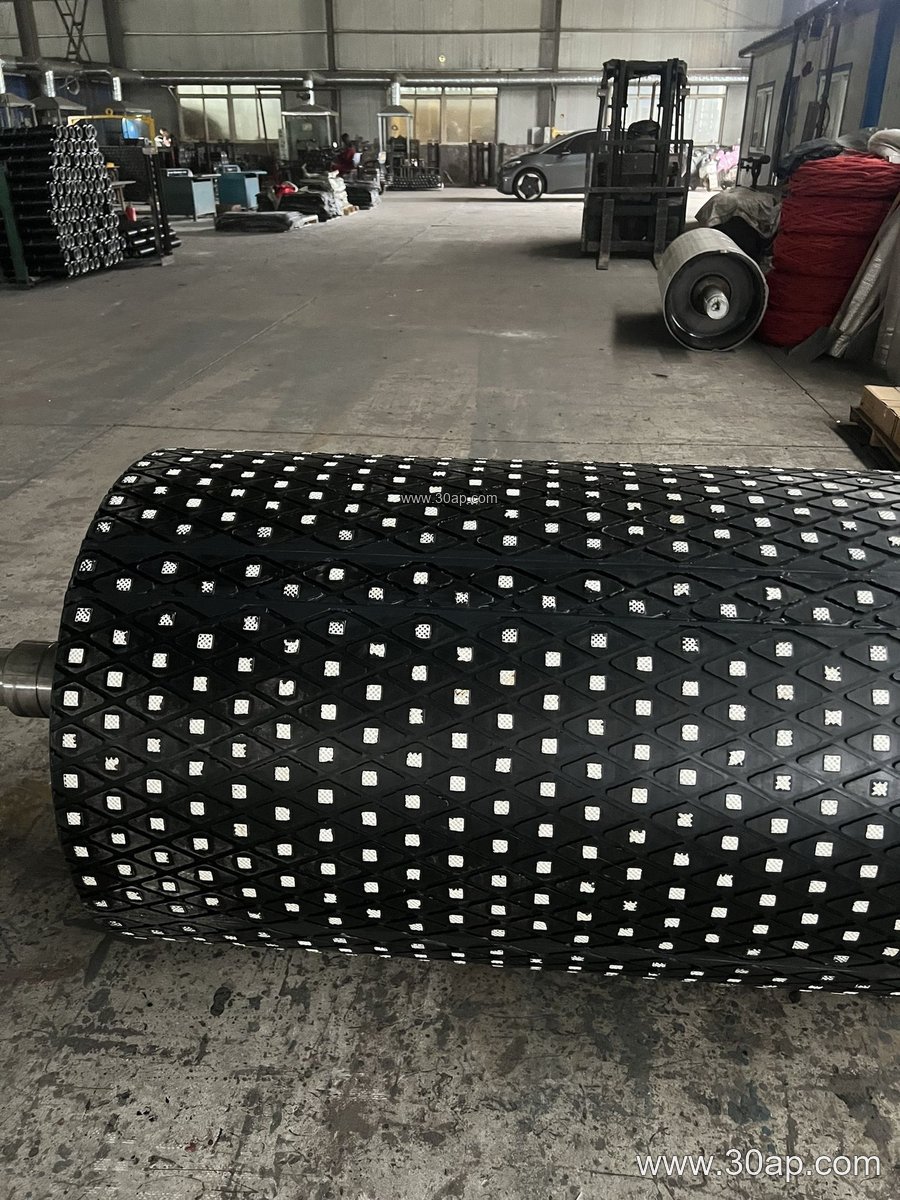
- Lagging options: To improve traction and protect the belt, surfaces may be plain, rubber-lagged (cold-bonded or hot-vulcanized), diamond-patterned, herringbone, or ceramic-lagged. Lagging thickness typically ranges from 8 mm to 20 mm.
- Locking elements: Keyless locking assemblies or shrink discs are often used to secure the hub to the shaft, simplifying installation and maintenance.
The pulley face width is usually wider than the belt width to ensure proper belt tracking. For example, a B800 belt may correspond to a pulley face width of approximately 950 mm, while a B1200 belt might use a face width around 1400 mm. These are common references, and actual dimensions are determined by the conveyor design.
Applications in Heavy Industries
High-strength pulleys are indispensable in environments where reliability is paramount. In underground coal mining, they drive and guide conveyor belts that transport coal from the face to the surface. In cement plants, they handle clinker and raw materials under dusty, abrasive conditions. Power plants rely on them for coal feeding systems, while quarries and aggregate operations use them in primary and secondary crushing circuits.
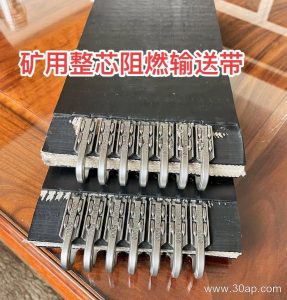
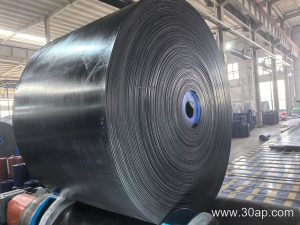
They are also found in port bulk terminals, steel mills, and fertilizer plants, often paired with heavy-duty conveyor belts such as EP conveyor belt, steel cord conveyor belt, or flame retardant conveyor belt to ensure safe and efficient material flow. The pulley must match the belt’s tension requirements and environmental challenges, whether it is abrasion, heat, or oil exposure.
Selection and Specification Guidance
Choosing the right high-strength pulley involves more than just belt width. Key factors include:
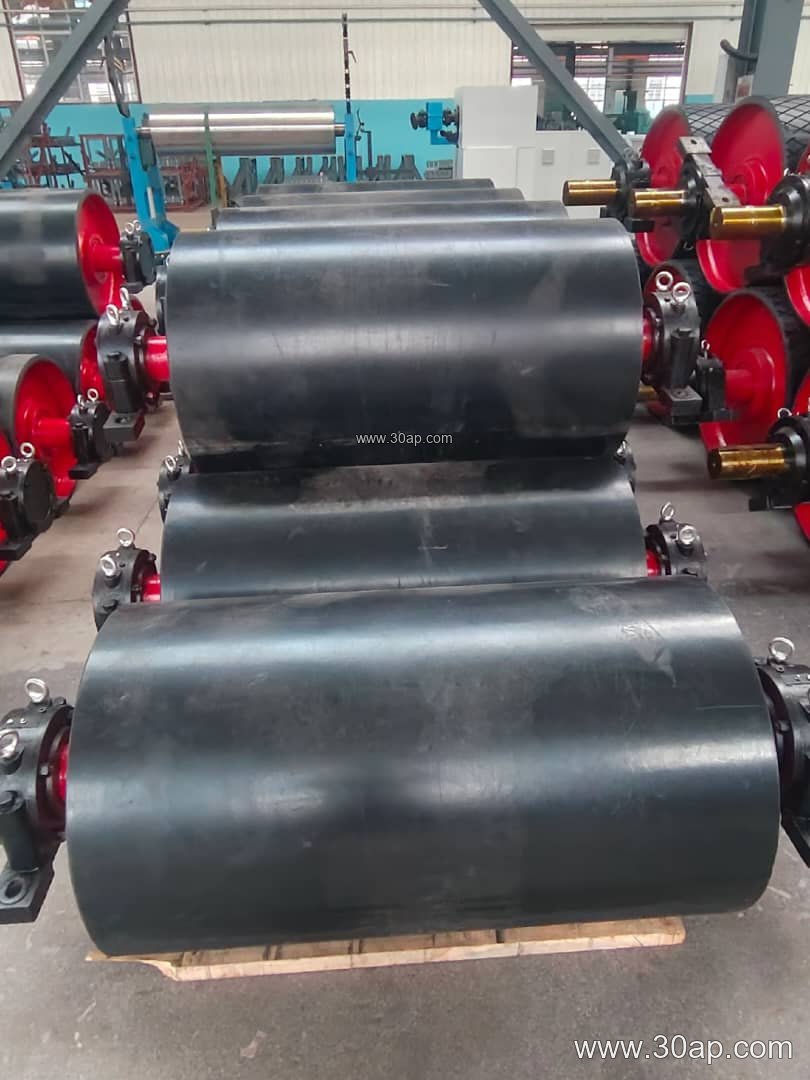
- Belt tension and power: Determines shaft diameter, bearing size, and shell thickness.
- Belt width: Pulley face width typically exceeds belt width by 100–200 mm. Common combinations include B800 × Ø500, B1200 × Ø1000, and B1400 × Ø800, but these are not fixed rules; each conveyor design dictates the optimal pairing.
- Loading conditions: Shock loads, continuous operation, and material abrasiveness influence the choice of lagging and bearing type.
- Environmental factors: Corrosive or wet conditions may require special coatings or stainless steel components.
It is important not to assume a fixed shaft diameter based solely on belt width; shaft size must be calculated from torque and load. Similarly, one belt width can accommodate various pulley diameters depending on the required wrap angle and space constraints.
Maintenance and Longevity
Regular inspection of the pulley surface, lagging, and bearings helps prevent unplanned downtime. Worn lagging can be replaced to restore friction, while bearing lubrication and alignment checks ensure smooth rotation. In high-strength pulleys, the use of quality locking elements and proper installation torque extends service life. When integrated with well-maintained conveyor components like idler rollers and conveyor brackets, the entire system operates more efficiently.
For more information on conveyor pulleys and related components, visit our website at https://www.yourdomain.com/high-strength-pulley.