What a Carbon Steel Conveyor Bracket Does
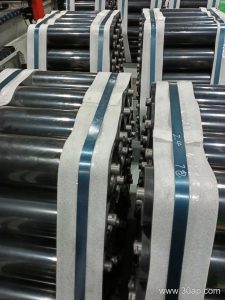
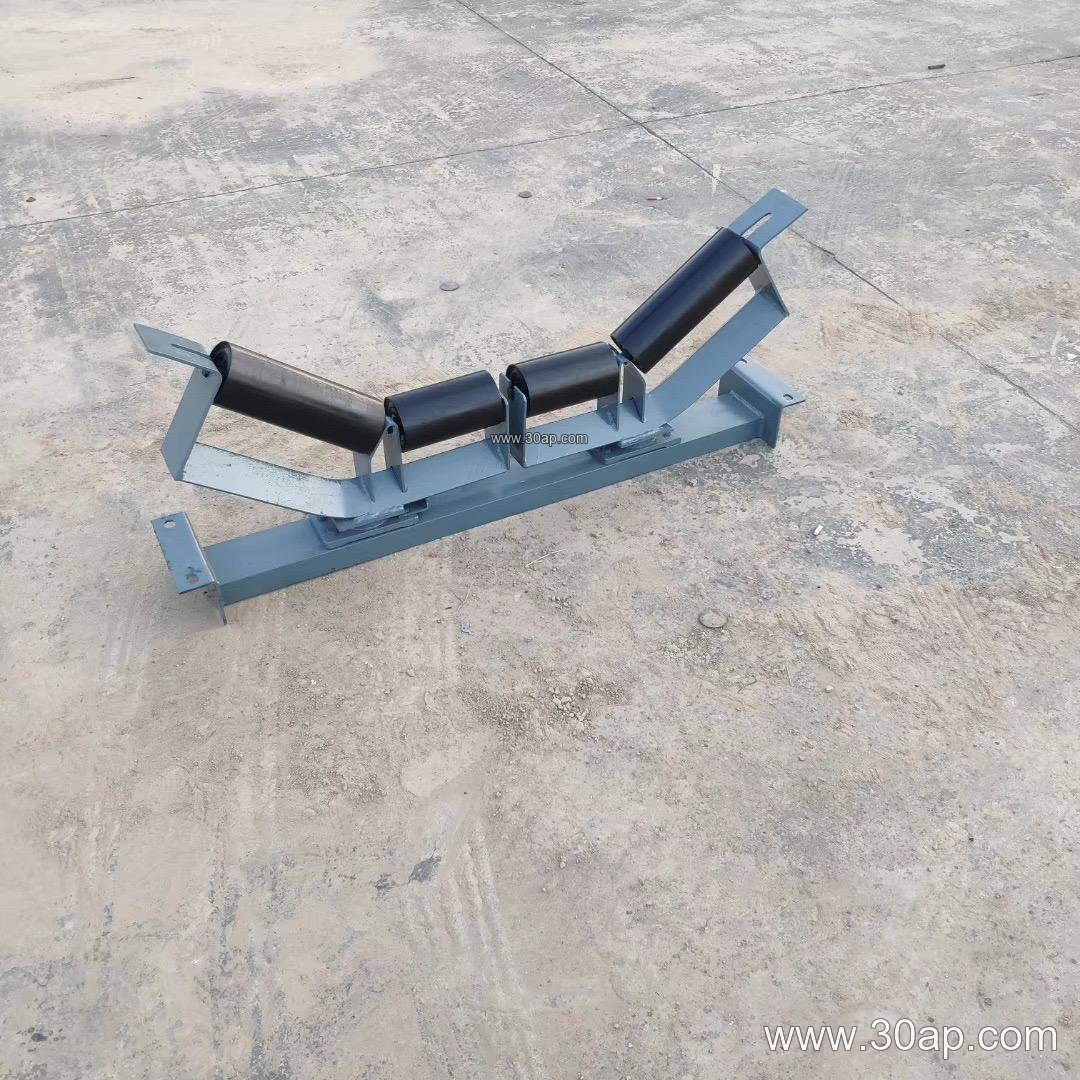
A carbon steel conveyor bracket is the structural support that holds the idler roller in place along a belt conveyor. It connects the roller shaft to the conveyor frame and sets the position, angle, and height of the roller under the conveyor belt. In a typical troughing arrangement, three rollers sit in a bracket that forms a trough shape, keeping bulk material centered on the belt. The bracket carries the weight of the belt, the material load, and the dynamic forces from impact and tracking, so its material and geometry matter as much as the roller itself.
The same component is often called a carbon steel idler bracket or conveyor roller bracket. These names describe the same product; the subtype qualifier (troughing, return, transition, and so on) always stays attached because each bracket type has a different job on the conveyor.
How the Bracket Is Built
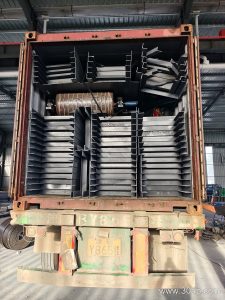
Most brackets are fabricated from angle steel, channel steel, or folded steel plate. The common manufacturing route is cutting, punching or drilling mounting holes, bending, and welding. A well-made bracket has square mounting faces, consistent hole spacing, and welds that will not crack under vibration. Surface treatment is usually painting or galvanizing to resist corrosion in dusty or damp conditions.
Because the bracket is made of carbon steel rather than stainless or aluminum, it offers a good balance of strength and cost for heavy bulk handling. That is why it appears in so many conveying systems, from a small aggregate line to a long overland conveyor.
Bracket Types and Where They Sit
Different positions on the conveyor call for different bracket designs. The table below shows common types and their typical role.
- Troughing bracket (upper) – supports the carrying rollers that form the trough; common trough angles are 20, 30, 35, and 45 degrees.
- Transition bracket – eases the belt from flat to troughed shape near the tail pulley.
- Return bracket (flat or V-type) – supports the return belt and helps keep it centered.
- Impact bracket – reinforced to absorb shock at loading points.
- Self-aligning bracket – allows slight rotation to correct belt mistracking.
- Adjustable bracket – lets the trough angle be changed within a range on site.
A forward-tilted bracket, commonly about 1.5 to 2 degrees, is sometimes used to encourage belt tracking. These subtypes are not interchangeable: a return bracket cannot replace a troughing bracket, and a transition bracket serves a different purpose again.
Sizes and Reference Parameters
Bracket dimensions follow belt width, trough angle, and roller diameter. The table below lists common reference values; actual hole spacing and beam length are determined by the conveyor design.
| Belt width | Trough angle | Roller diameter | Typical bracket style |
|---|---|---|---|
| B500 | 20–30 degrees | Ø89 | Upper troughing, fixed |
| B650 | 30 degrees | Ø89 / Ø108 | Upper troughing, adjustable |
| B800 | 35 degrees | Ø108 | Troughing, transition |
| B1000 | 35–45 degrees | Ø108 / Ø133 | Troughing, impact |
| B1200 | 45 degrees | Ø133 | Troughing, self-aligning |
| B1400 | 35–45 degrees | Ø133 / Ø159 | Heavy-duty troughing |
| B1600 | 35–45 degrees | Ø159 | Heavy-duty troughing |
| B1800–B2200 | 35–45 degrees | Ø159 / Ø194 | Heavy-duty, transition |
These pairings are examples, not fixed rules. One belt width can accept several roller diameters and trough angles depending on load, speed, and material. Buyers should confirm the mounting hole pattern, beam length, and roller shaft size with the conveyor designer rather than assuming a bracket fits from belt width alone.
Where These Brackets Are Used
Carbon steel conveyor brackets appear wherever bulk material moves on a belt. In a stone crushing and screening line, troughing brackets carry the belt under coarse rock, while impact brackets absorb shock below the crusher discharge. In a coal washing plant or power plant coal yard, flame retardant and anti-static belts run on sturdy steel brackets that must tolerate dust and vibration. Cement plants use them on clinker and raw meal conveyors, and port terminals rely on them under wide belts handling ore and aggregates.
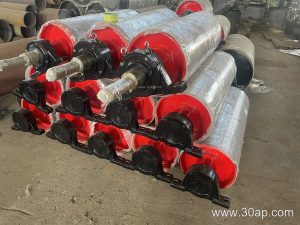
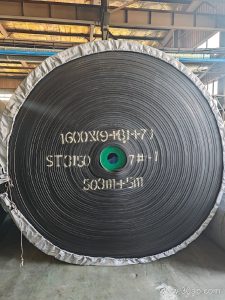
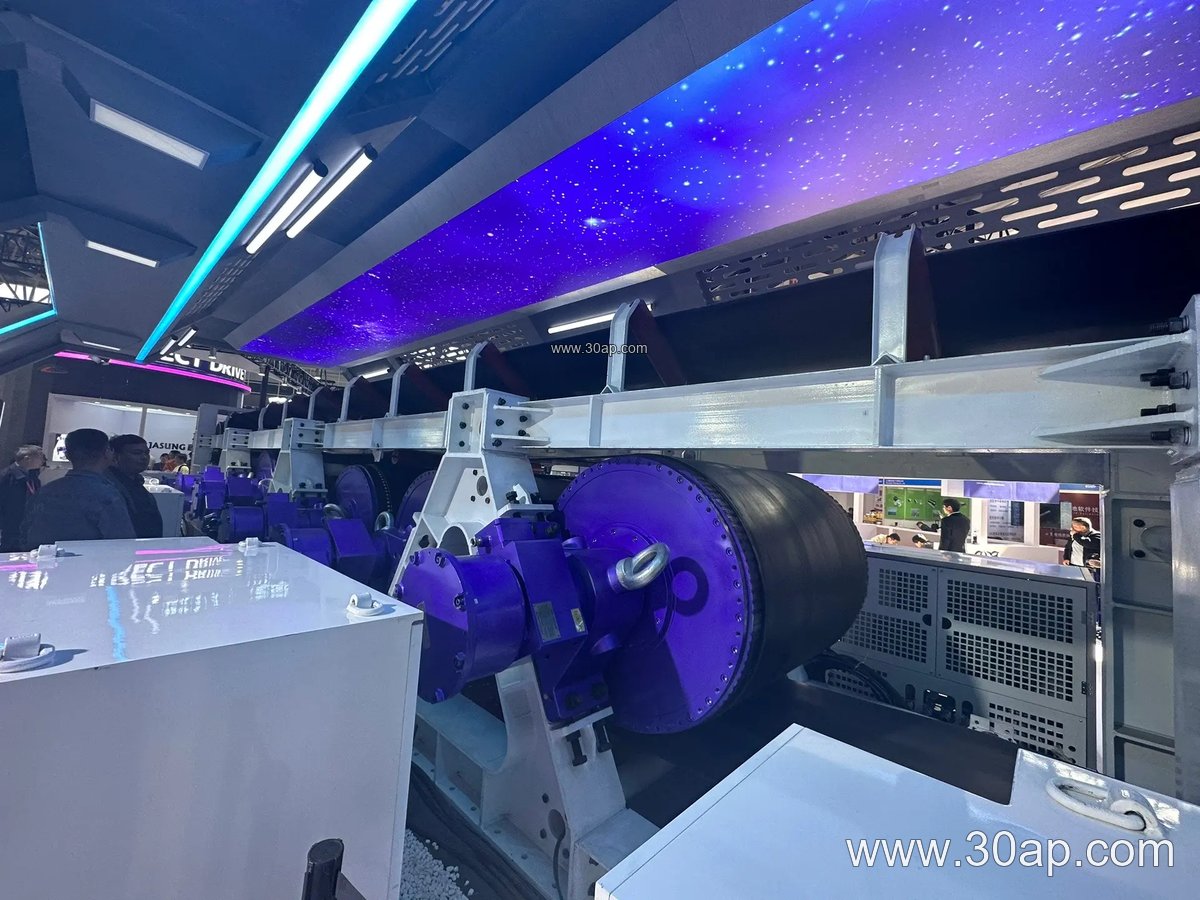
The bracket also works together with the conveyor pulley at the head and tail, the idler roller along the run, and the belt itself. A worn bracket can cause roller misalignment, edge wear, and spillage, so matching bracket quality to the duty is important.
Buyer Checklist
Before ordering, confirm the conveyor frame dimensions, the required trough angle, the roller diameter, and the mounting hole spacing. Ask about steel thickness, weld quality, and surface treatment. For dusty or wet sites, specify galvanized or well-painted brackets. Keep spares for high-wear positions such as loading points and transition zones. A bracket is a low-cost part, but a failed one can stop a whole conveyor line.