What Is a Conveyor Parts Pulley
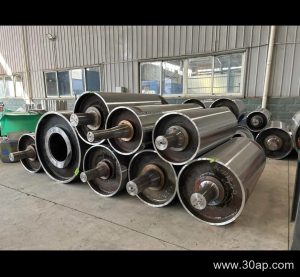
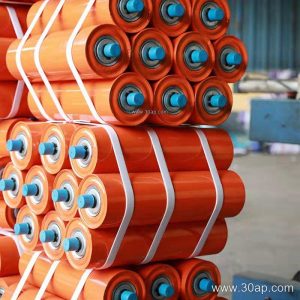
A conveyor parts pulley is a rotating cylindrical component that transmits power, changes belt direction, or maintains tension in a belt conveyor system. Often called a conveyor pulley in short, it serves as the interface between the drive unit and the conveyor belt. Unlike an idler roller that primarily supports the belt, a pulley performs a functional role in motion transfer or redirection. In quarry, coal mining, and power plant coal handling, these pulleys are critical for reliable operation.
Construction and Key Components
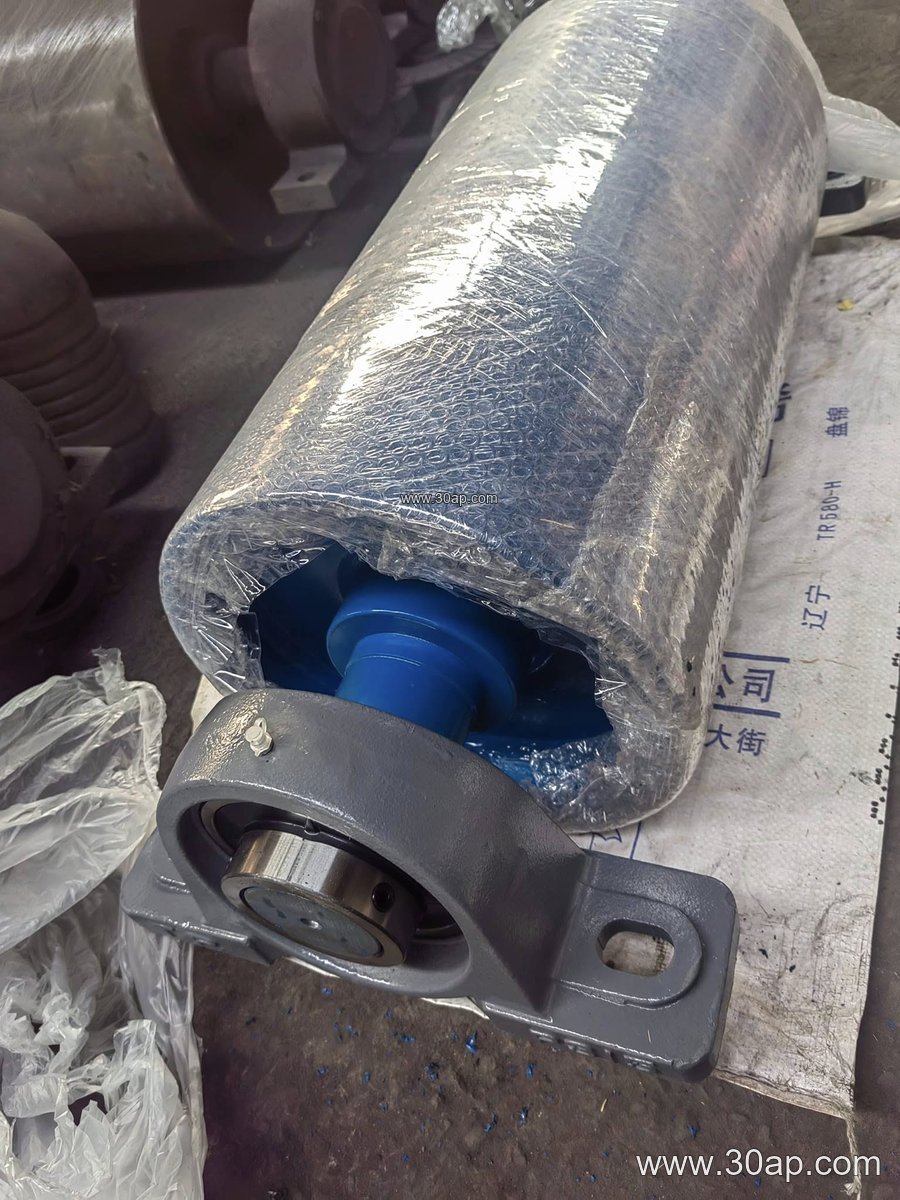
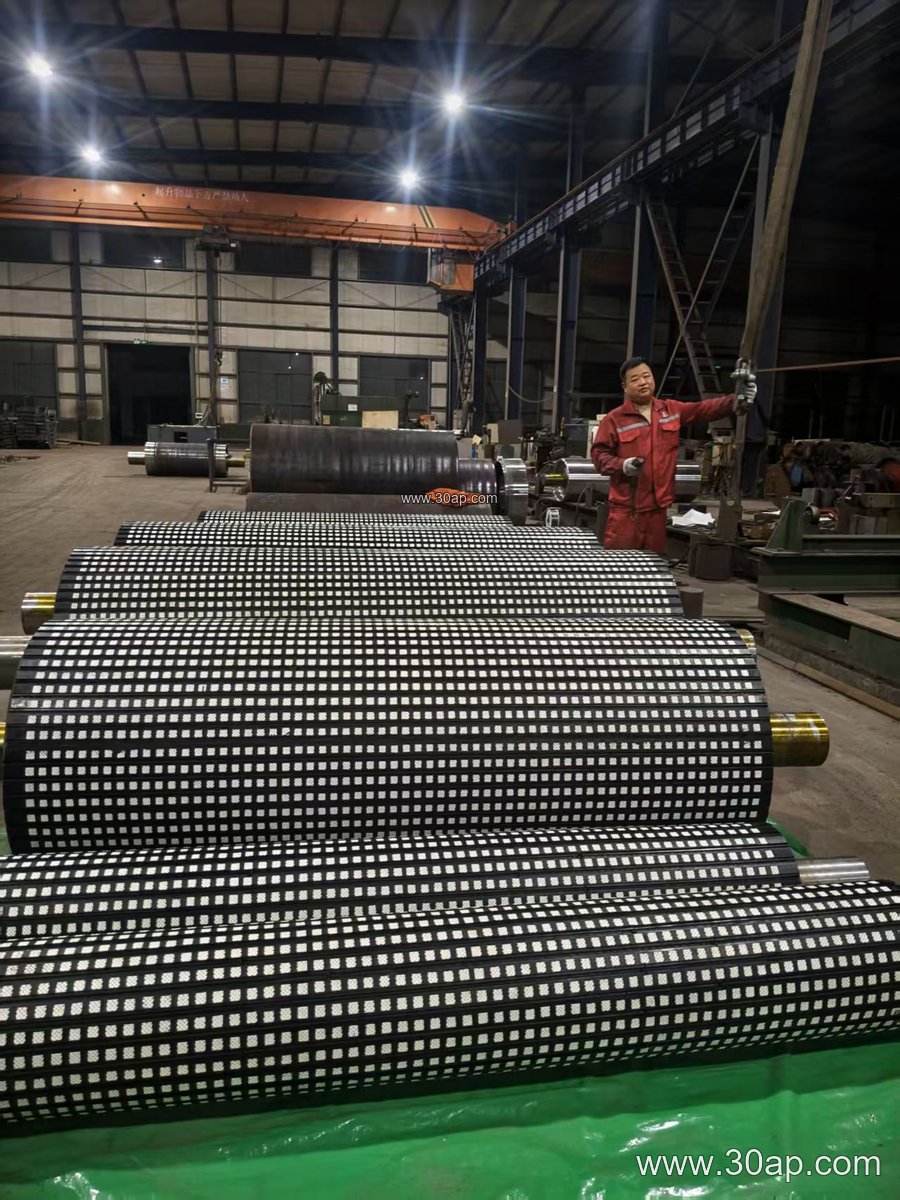
A typical conveyor parts pulley consists of a cylindrical shell, shaft, hubs, and end discs. The shell can be smooth or covered with rubber, ceramic, or other materials to improve grip or wear resistance. Shaft diameter is determined by torque and load, commonly ranging from Ø50 to Ø200 mm, not simply by belt width. Bearing housings and locking assemblies connect the shaft to the structure. For aggressive environments, such as iron ore or copper ore handling, abrasion-resistant lagging is often applied.
Main Types and Their Roles
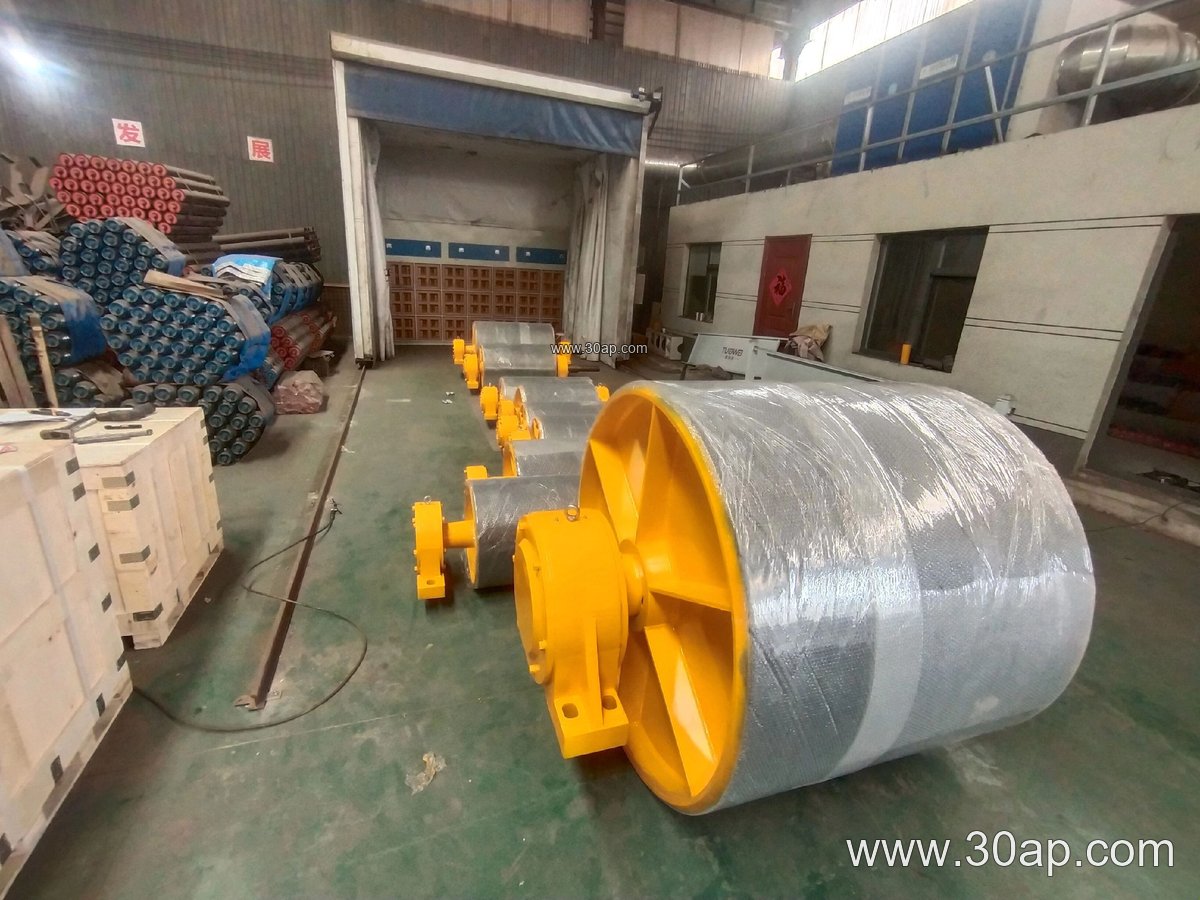
Drive pulleys, also known as head pulleys, transmit power to the belt and are usually lagged for traction. Tail pulleys at the rear end redirect the belt and may also serve as take-up points. Bend pulleys change belt direction without driving, commonly found in vertical curves or tensioning systems. These subtypes are not interchangeable; each is designed for a specific position and function. Other types like snub or wing pulleys exist, but drive, tail, and bend cover the majority of needs.
Where They Are Used
In a limestone quarry, a conveyor parts pulley on the head end drives a 1200mm wide belt carrying crushed stone. In a coal washing plant, tail pulleys with rubber lagging handle wet, abrasive material. Cement plants use bend pulleys to route belts through tight spaces around clinker silos. Power plants rely on heavy-duty pulleys for coal conveyors, often paired with flame retardant conveyor belts. The choice of pulley surface—plain, rubber lagged, or ceramic—depends on the material and environmental conditions.
Matching Pulley to Belt and System
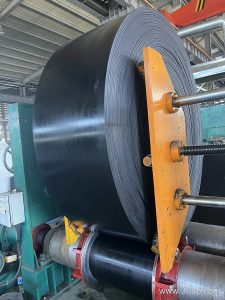
Pulley face width is typically slightly wider than the belt width. For example, a B800 belt often uses a pulley face around 950 mm, and a B1200 belt about 1400 mm. Common combinations include B800 × Ø500 and B1200 × Ø1000, but these are not fixed rules; diameter is selected based on belt tension, wrap angle, and space constraints. When specifying, consider the conveyor belt type: an EP conveyor belt or steel cord conveyor belt may require different pulley diameters for optimal fatigue life. Always consult the belt manufacturer’s recommendations for minimum pulley diameters.
Surface Options and Lagging
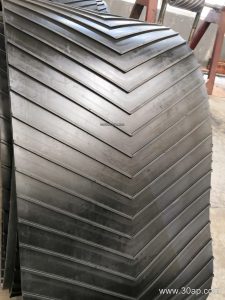
Lagging improves friction between pulley and belt, reducing slip. Plain steel is used in clean, low-tension applications. Rubber lagging (cold-bonded or hot-vulcanized) is common for general bulk handling. Diamond or herringbone patterns enhance water shedding in wet conditions, such as in sand and gravel plants. Ceramic lagging provides exceptional wear resistance in high-abrasion settings like iron ore or copper ore conveyors. Lagging thickness typically ranges from 8 to 20 mm, chosen according to duty.
Buyer’s Checklist
- Confirm the pulley’s role: drive, tail, bend, or take-up.
- Verify belt width and pulley face width (e.g., B650 belt with ~750 mm face).
- Determine required shaft diameter from torque and load, not just belt width.
- Select lagging type based on material abrasiveness and moisture.
- Check compatibility with conveyor belt type, such as heat resistant conveyor belt in cement kiln areas.
- Ensure proper alignment with conveyor brackets and idler rollers for smooth operation.
For more information on conveyor components, visit example.com/conveyor-pulley or example.com/belt-pulley. Our expertise covers pulleys for mining conveyor belt systems and aggregate conveyor belt lines.