What a Conveyor Bracket Does on the Line
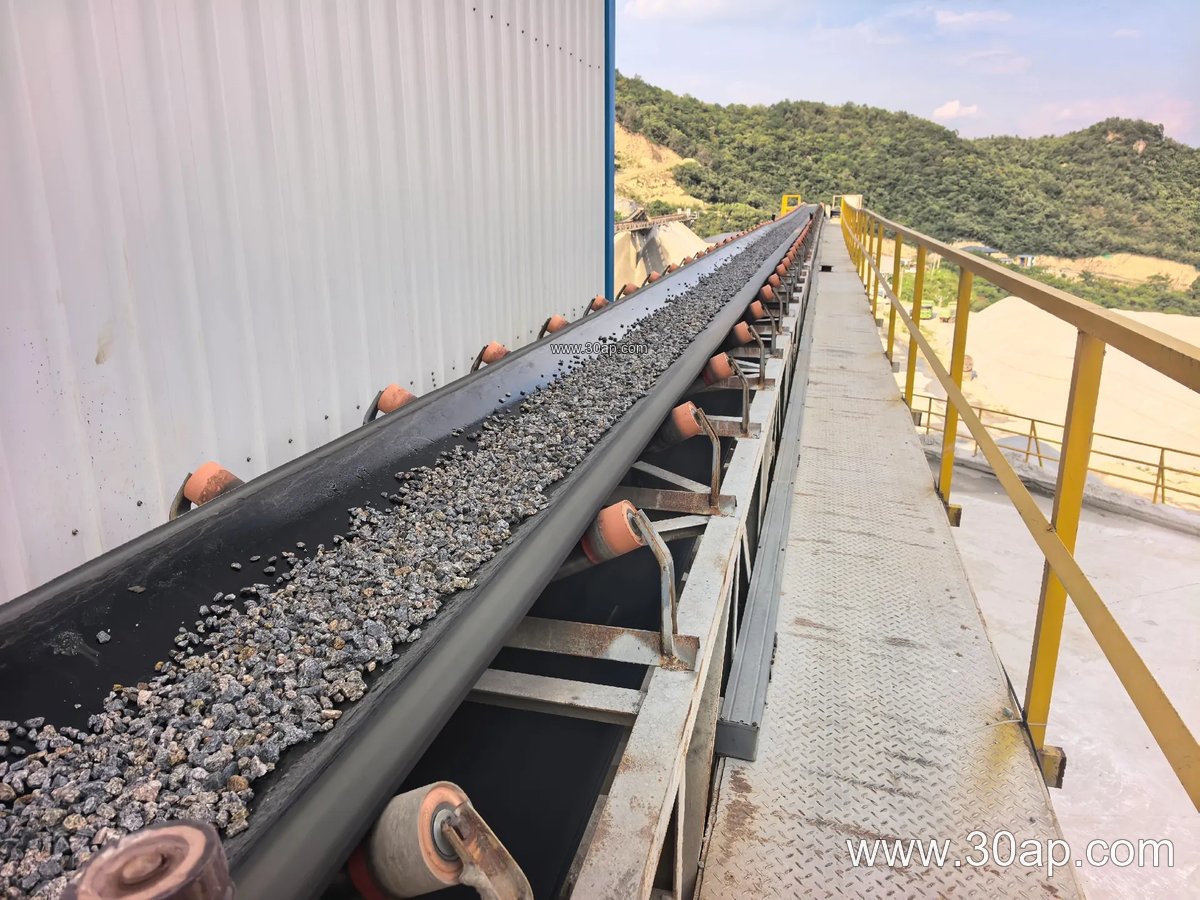
A conveyor bracket is the structural interface between the conveyor frame and the rotating components that carry the belt. In practice, it is the steel support that holds idler roller assemblies at the correct height, angle, and spacing so the belt keeps its shape under load. In a quarry, a cement plant, or a power plant coal yard, the bracket is rarely the most visible part of the system, but it decides how evenly the belt sits, how well the idlers turn, and how quickly a maintenance team can replace a worn roller.
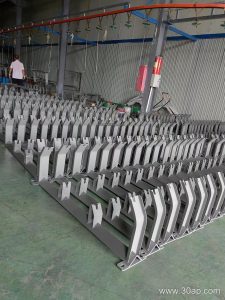
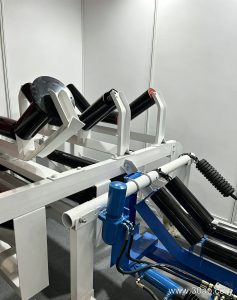
The bracket is often described by its function rather than its shape. A troughing bracket positions three idlers in a trough profile; a return bracket supports the belt on its way back; a transition bracket eases the belt from flat to troughed. These are distinct roles, and each is designed around the belt path it serves.
How the Bracket Is Built
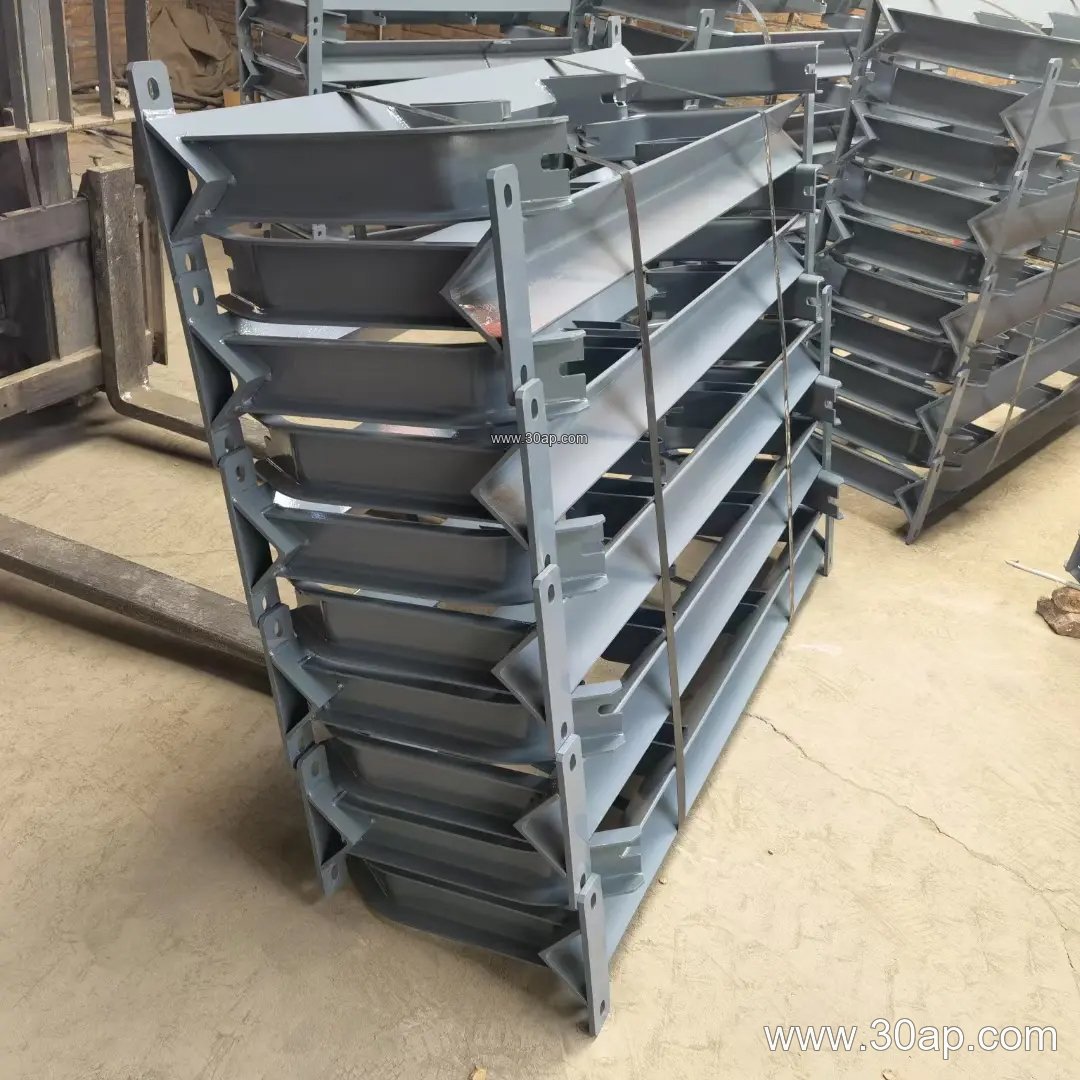
Most conveyor brackets are fabricated from angle steel, channel steel, or folded steel plate. The frame needs enough stiffness to resist bending between supports and enough accuracy to keep the idler shafts aligned. Welded brackets are common, and bolted designs allow adjustment or replacement without cutting the frame.
Key details a buyer should check include the mounting hole pattern, the crossbeam length, and the way the bracket attaches to the main frame. These dimensions usually follow the belt width and the trough angle, so they should be confirmed against the actual conveyor drawing rather than assumed from a catalog number.
Common bracket forms
- Troughing bracket for the carrying side, often with 20, 30, 35, or 45 degree trough angles
- Return bracket or V-return bracket for the lower belt run
- Impact bracket under the loading point, used with impact idlers
- Self-aligning bracket for belt tracking
- Transition bracket near pulleys to reduce belt stress
- Adjustable bracket that can be set between common trough angles
Matching Bracket, Belt, and Idler
A conveyor bracket should be selected together with the belt and the idlers, not in isolation. A B800 belt running at a 35 degree trough angle typically uses idlers around Ø108, while a wider B1200 line at 45 degrees may call for Ø133 idlers. These are common reference combinations, not fixed rules, and the final choice depends on load, belt tension, and frame design.
The belt itself matters too. A heavy-duty mining conveyor belt or a steel cord conveyor belt carries higher tension and needs a stiffer support structure than a light fabric core belt. In dusty or wet conditions, an abrasion resistant conveyor belt may be paired with well-sealed idlers and brackets that shed material rather than trap it.
| Bracket type | Typical duty | Notes |
|---|---|---|
| Troughing bracket | Carrying side | 20 to 45 degree trough angles |
| Return bracket | Return side | Flat or V-shaped support |
| Impact bracket | Loading zone | Used with impact idlers |
| Self-aligning bracket | Belt tracking | Corrects minor misalignment |
| Adjustable bracket | Variable profile | Can be set between common angles |
Where Brackets Are Used
In a limestone quarry, troughing brackets hold the idlers that support a quarry conveyor belt through the crushing and screening circuit. In a coal-fired power plant, the coal handling system relies on steady bracket alignment to keep the belt centered during long runs. Similar needs appear in cement plants, steel plants, and port loading facilities.
On a wash plant line, a flame retardant conveyor belt may run alongside brackets chosen for easy cleaning and quick roller changes. The bracket does not touch the material directly, but its alignment affects wear on the belt edge and on every idler roller in the frame.
Buyer Checklist
- Confirm belt width, trough angle, and idler diameter before ordering
- Check mounting hole spacing and crossbeam length against the frame drawing
- Decide between fixed and adjustable brackets based on how often the profile changes
- Match bracket material and finish to the site conditions, such as dust, moisture, or heat
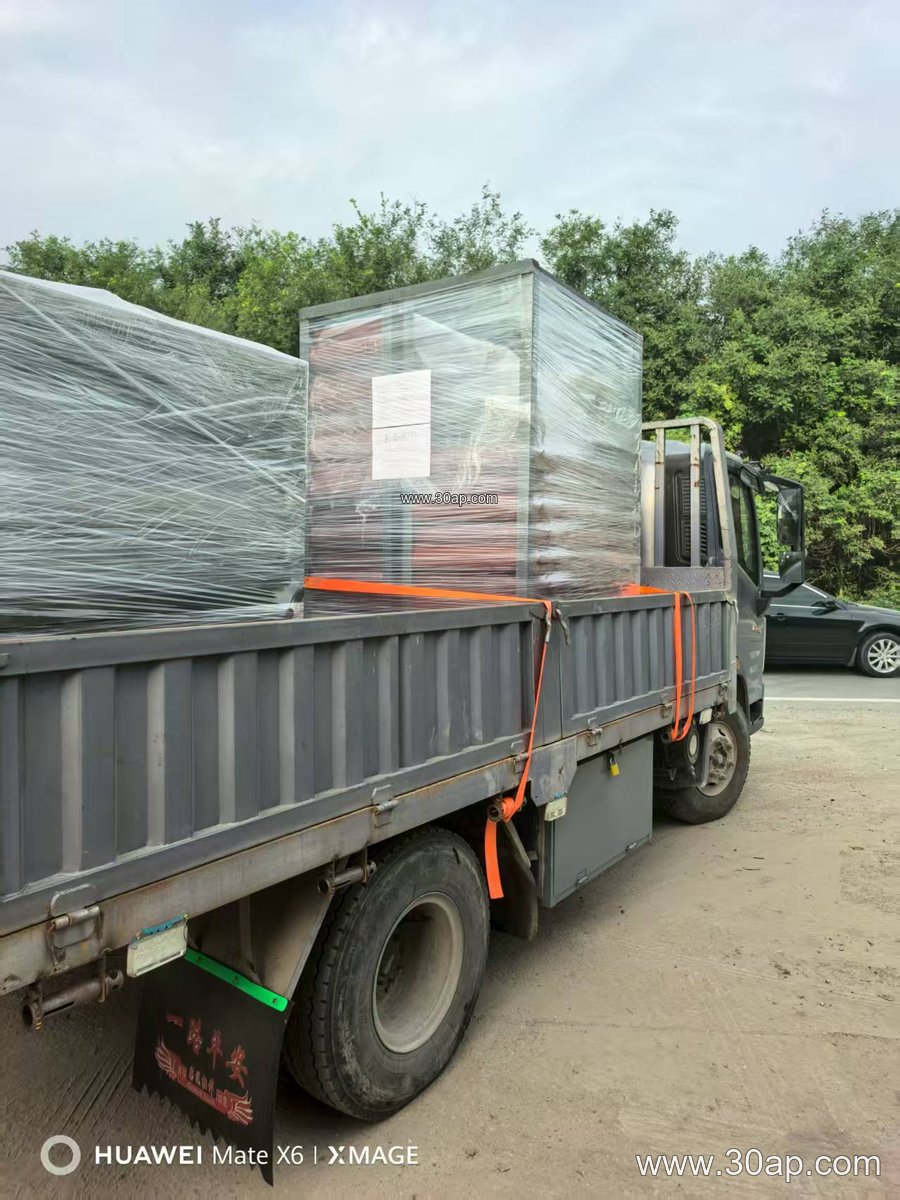
- Plan spare brackets for high-wear zones near loading points and transitions
A well-chosen conveyor bracket keeps the belt profile stable and makes routine idler replacement faster. Buyers who treat it as part of the whole conveyor system, rather than a generic steel part, usually get longer belt life and fewer tracking problems.