What a Carrying Trough Idler Does
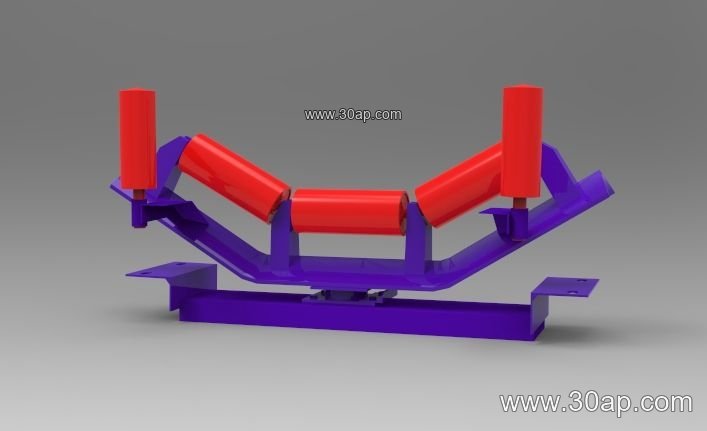
A carrying trough idler is the upper idler assembly that supports the loaded side of a conveyor belt. Its three-roller arrangement forms a trough that keeps bulk material centered as the belt moves. In a quarry, a cement plant, or a power plant coal yard, this component directly influences belt tracking, spillage, and the life of the conveyor belt. The carrying trough idler is sometimes called an upper troughing idler or a carrying idler set, and those names refer to the same product.
Construction and Common Configurations
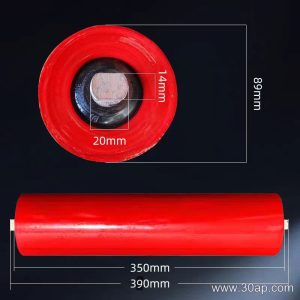
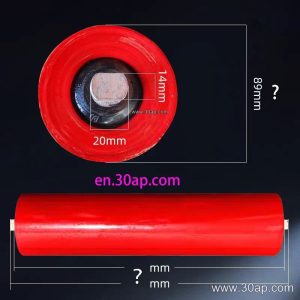
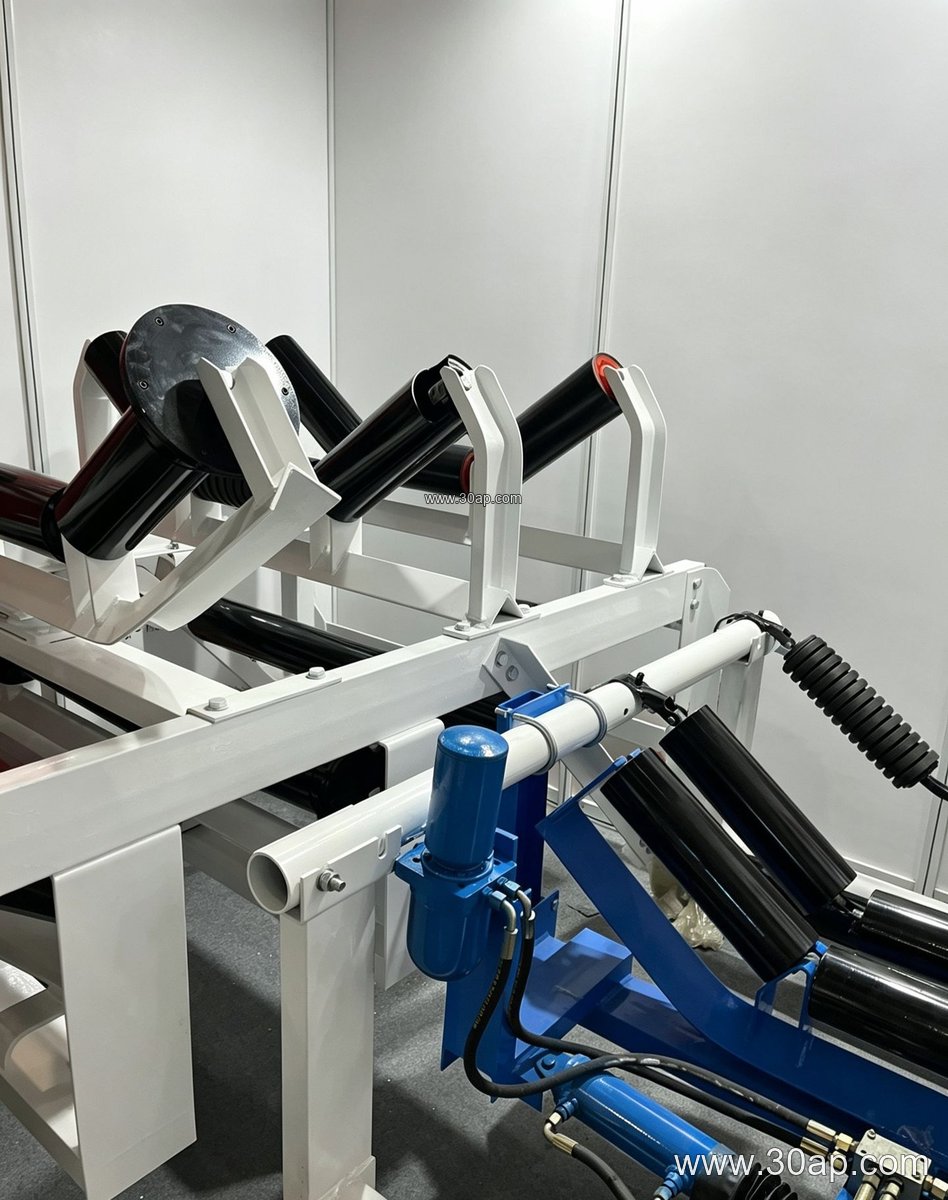
The assembly usually consists of a steel frame, three idler rollers, and bearing housings. Rollers may use steel tube, nylon, ceramic, or rubber-disc surfaces depending on the duty. Common roller diameters include Ø89, Ø102, Ø108, Ø127, and Ø133 mm, with larger sizes such as Ø159 and Ø178 mm used in heavy-duty mining and port applications. Trough angles are typically 20, 30, 35, or 45 degrees. The idler length varies with belt width, trough angle, and frame design; for example, a three-roll trough set on a B800 belt often uses side rollers around 315 mm long, while a B1200 set may use rollers near 465 mm. These are reference examples, not fixed matches.
Bearing and Seal Choices
Bearing sizes such as 6204, 6205, 6305, 6306, 6308, and 6310 appear across different roller diameters. A buyer should confirm the bearing series and seal type rather than assuming that one bearing fits every roller. Dusty conditions in a limestone mine or aggregate line make labyrinth seals and effective grease retention important.
Where It Fits on the Conveyor
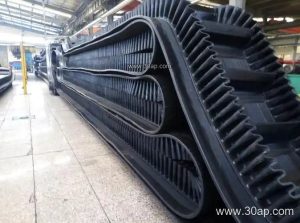
The carrying trough idler sits on the load-carrying run, between the tail pulley and the head pulley. It is not a substitute for a drive pulley, tail pulley, or bend pulley; those are different components with different functions. On a long overland conveyor or a plant transfer belt, the carrying idlers are spaced along the frame to control belt sag. In a coal mining conveyor or a crusher conveyor, impact idlers may be used near the loading point, while standard trough idlers handle the steady run. A skirted conveyor belt or a corrugated sidewall belt may need a different frame arrangement, so the idler set should match the belt profile.
Selection Points for Buyers
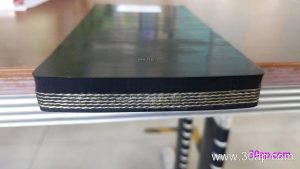
Start with belt width, trough angle, and material load. A B650 belt and a B1400 belt will not use the same idler dimensions, and a 35-degree trough is not automatically better than a 30-degree trough for every material. Consider the conveyor belt type as well: an EP conveyor belt, NN conveyor belt, or steel cord conveyor belt has different flexibility and load behavior, which affects idler spacing and roller diameter. In dusty or corrosive sites, roller surface and seal quality matter more than a single size number. Ask for the frame drawing, roller length, shaft end detail, and bearing designation so the carrying trough idler fits the existing conveyor bracket.
Maintenance and Operational Notes
Check for seized rollers, worn shells, and material buildup on the frame. A dragging roller can wear the conveyor belt quickly and increase motor load. In a port or ship loading conveyor, salt air may accelerate corrosion, so inspection intervals should reflect the environment. Keep spare idler rollers and bearing housings on hand for critical belts. For a more complete conveyor setup, review the conveyor pulley alignment and the conveyor bracket condition at the same time, since misalignment at either end can cause the belt to ride off the trough.