What a Conveyor Frame Does on the Line
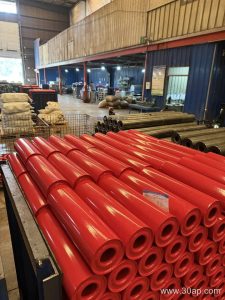
A conveyor frame is the structural backbone that holds every rotating component in line, keeps the belt tracking true, and carries the load from the tail end to the discharge point. In a quarry crushing circuit or a power plant coal yard, the frame is the part that quietly determines whether the belt runs smoothly or wanders off the pulleys. It is not a single item but a system of brackets and beams that positions idler rollers at the correct trough angle and height above the ground.
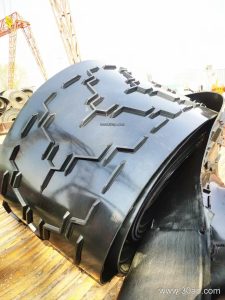
Frames are usually fabricated from angle steel, channel steel, or folded steel plate. The choice depends on span, load, and whether the structure needs to be portable or bolted down permanently. A well-built frame distributes the weight of a loaded Rubber Conveyor Belt evenly across the rollers, which reduces stress on bearings and extends service life.
How the Frame Is Put Together
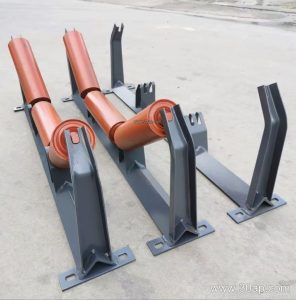
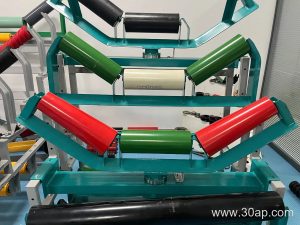
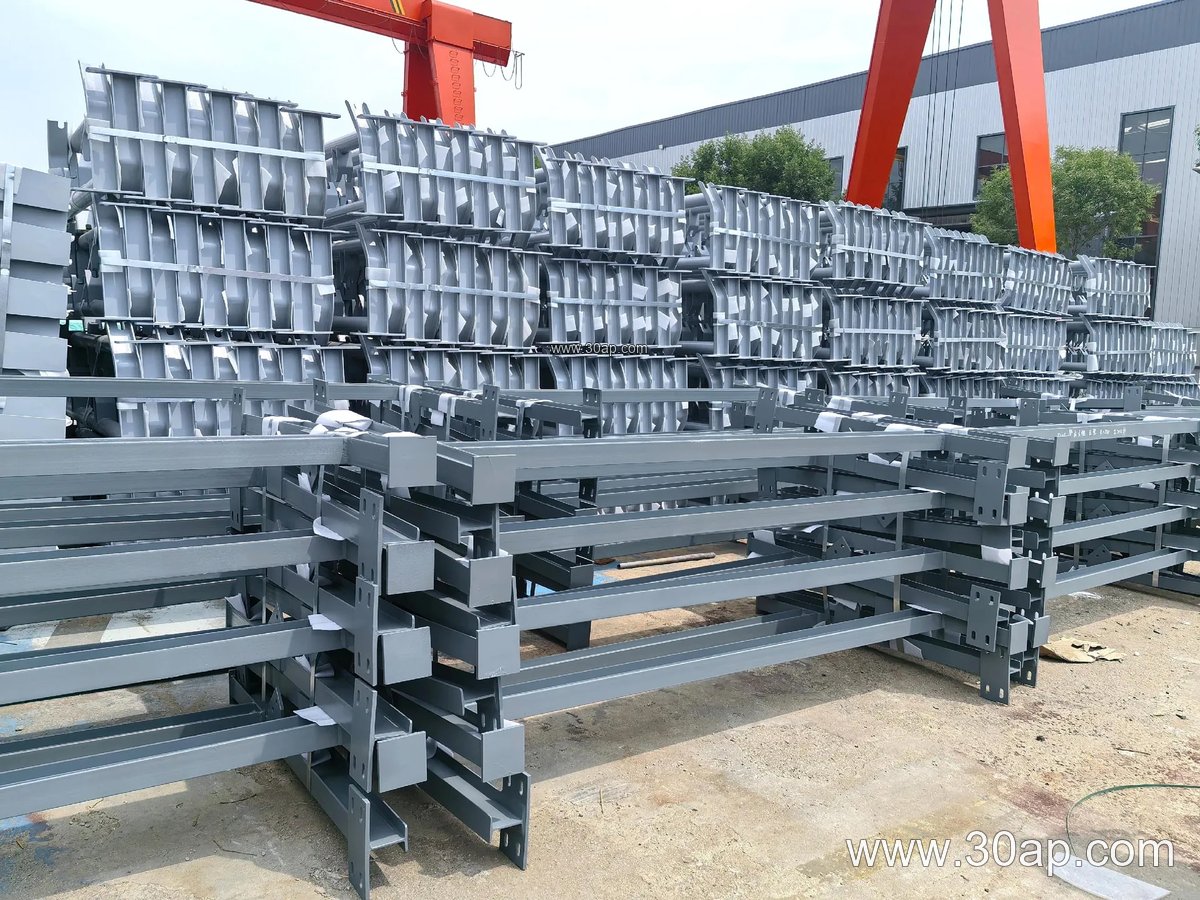
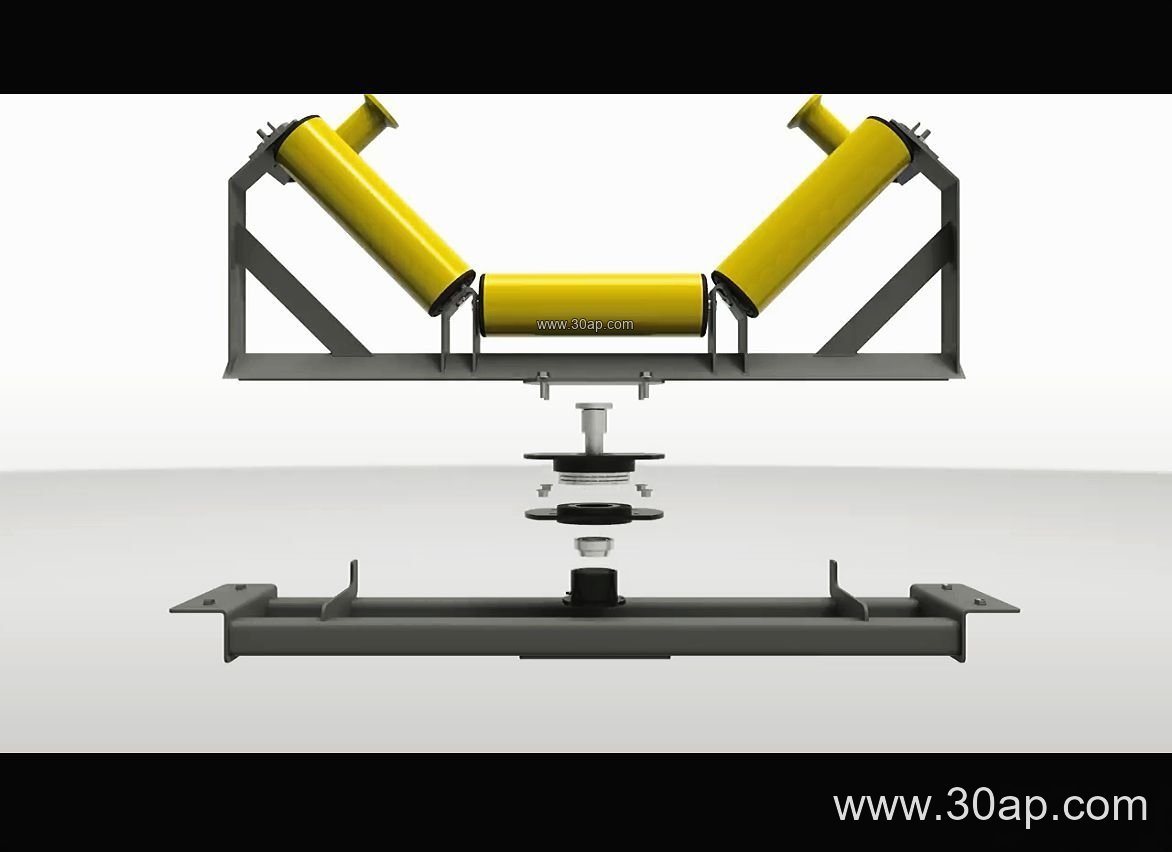
A typical stringer frame consists of two longitudinal beams joined by cross members. On top, troughing brackets hold three-roller sets at a set angle; on the return side, flat or V-shaped brackets support the belt. Transition brackets ease the belt from flat to troughed profile near the pulleys, while impact brackets with cushioning rollers sit under the loading zone.
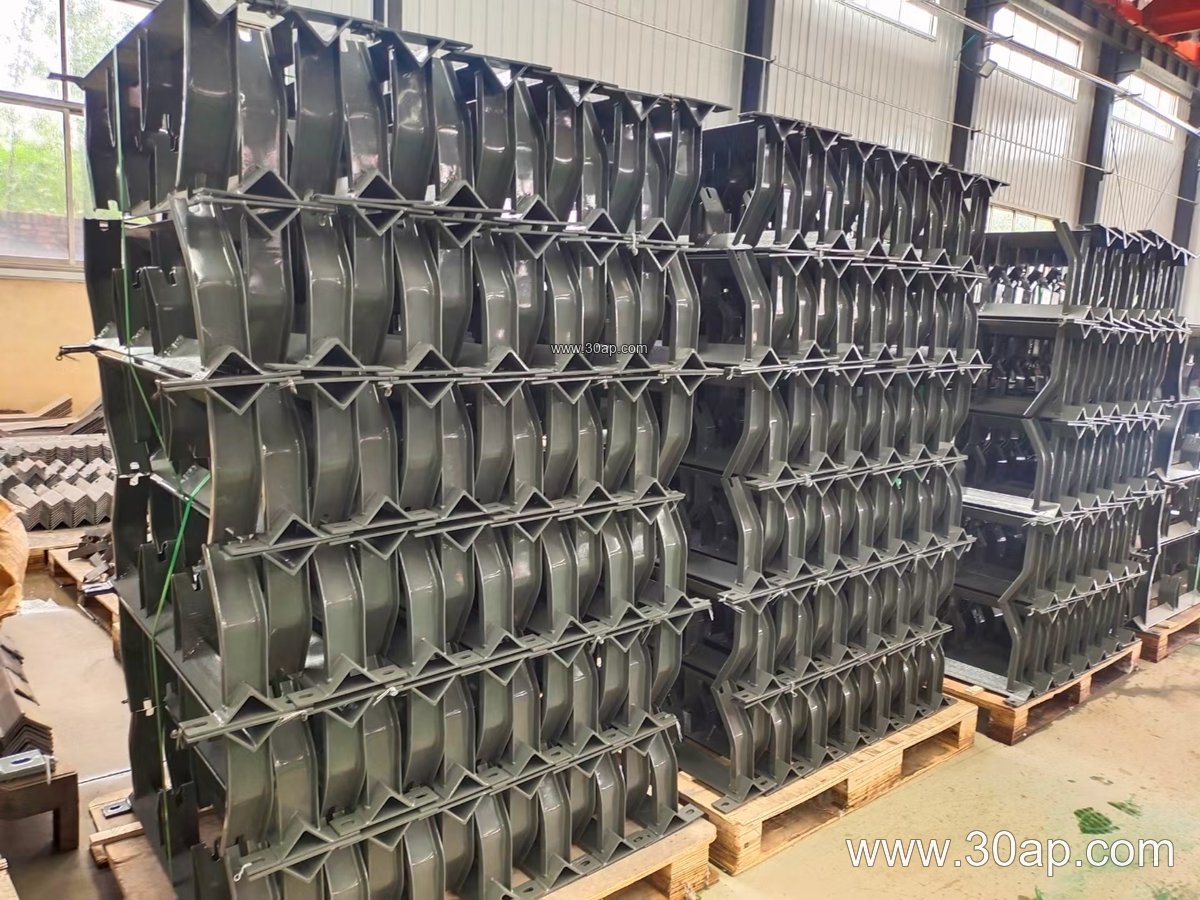
Mounting hole spacing and cross member length change with belt width and trough angle, so these are always determined by design rather than fixed. A frame built for B800 does not share the same dimensions as one for B1400, even though the principle is identical.
Common Frame Types and Where They Fit
- Troughing frame – carries the loaded run, usually at 20, 30, 35, or 45 degrees.
- Return frame – flat or V-shaped, supports the empty side of the belt.
- Transition frame – guides the belt between flat and troughed sections.
- Impact frame – reinforced section beneath the feed point.
- Self-aligning frame – fitted with training brackets to correct belt drift.
- Adjustable frame – allows the trough angle to be changed on site.
Forward-leaning brackets, often set at about 1.5 to 2 degrees, help the belt center itself on the load side. These are a useful comparison to fixed brackets when tracking problems are persistent, but they serve a different purpose than a standard troughing bracket.
Matching Frame, Belt, and Roller
Frame selection starts with the belt width and the load. A B650 line handling aggregate may use 30-degree troughing with Ø89 rollers, while a B1200 iron ore duty might call for 45-degree troughs and Ø133 rollers. Neither combination is a rule; each is a starting point that the designer confirms against belt tension and material weight.
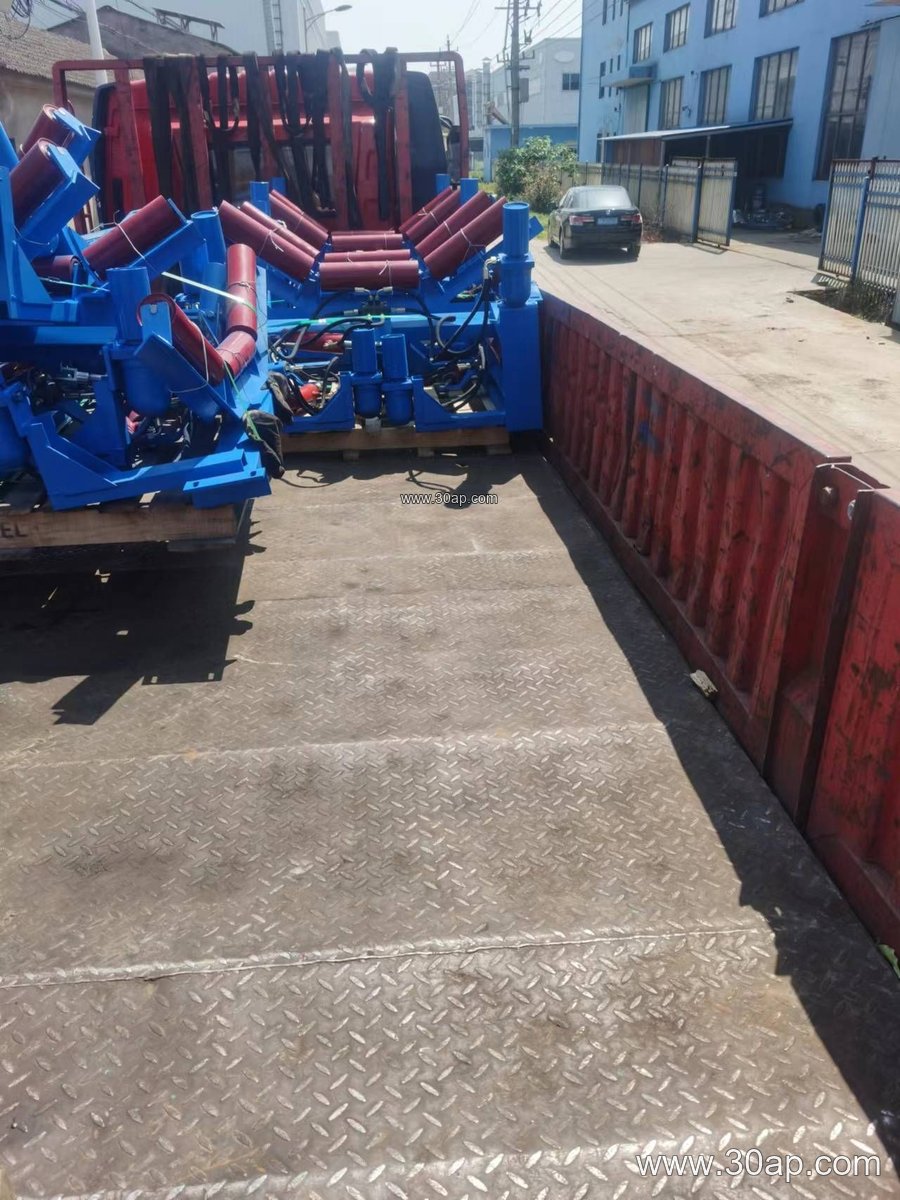
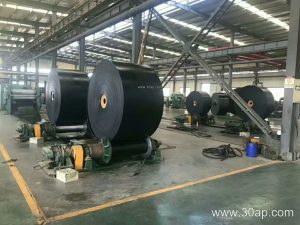
Heavy-duty mining conveyor belts, including Steel Cord Conveyor Belt grades, place higher loads on the frame, so beam size and bracket thickness increase accordingly. Heat Resistant Conveyor Belt applications in cement plants may also require frames that keep rollers clear of hot material spillage.
Typical Industries and Layouts
In a limestone mine or a sand and gravel line, frames are often skid-mounted and moved as the pit advances. In a cement plant or a steel plant sintering line, frames are fixed to concrete foundations with anchor bolts. Port ship loaders use long, rigid frames with closely spaced idlers to control belt sag over the boom.
Whatever the site, the frame must align with the conveyor pulley centerlines at both ends. Misalignment here is a common cause of edge wear on the belt and premature idler roller failure.
Buyer Checklist
- Confirm belt width, trough angle, and roller diameter as a set.
- Ask for bracket material and finish, especially outdoors or in wet conditions.
- Check that mounting holes suit the chosen idler roller bearing housing.
- Verify transition and impact zones are included, not added later.
- Confirm whether the frame is fixed or adjustable for future changes.
For more on matching frames with belts and rollers, see www.example.com/conveyor-frame and www.example.com/idler-roller. A frame that fits the belt, the load, and the site will keep a conveyor running quietly for years.