What an Idler Bracket Does on a Conveyor
An idler bracket is the structural component that holds conveyor idler rollers in the correct position and angle along a conveyor frame. Sometimes called a conveyor bracket or idler frame bracket, it connects the roller assembly to the main stringer or crossbeam, transferring the load of the belt and material into the conveyor structure. In a quarry or a cement plant, these brackets are the quiet workhorses that keep the belt tracking smoothly from the loading point to the discharge.
The bracket is not a glamorous part, but its geometry decides how well the belt is supported. A poorly aligned bracket can cause edge wear, material spillage, and premature roller failure, no matter how good the conveyor belt itself may be.
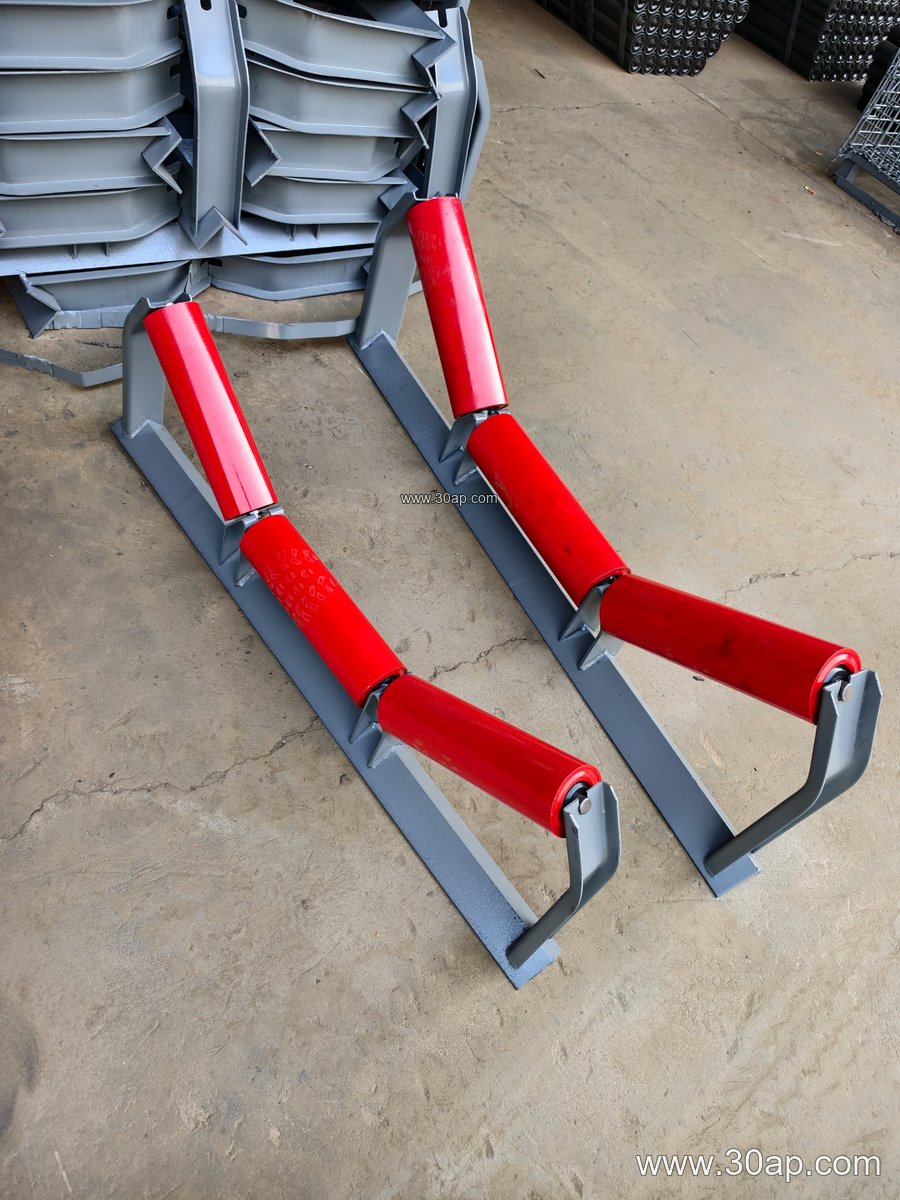
How an Idler Bracket Is Built
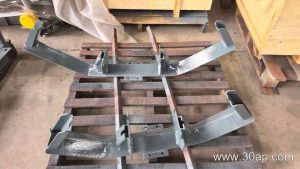
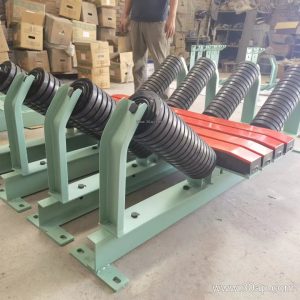
Most brackets are fabricated from angle steel, channel steel, or folded steel plate. The fabrication method matters: folded plate brackets tend to be lighter and stiffer, while channel and angle designs are straightforward to weld and repair in the field. Slots and mounting holes are positioned so the idler roller can be dropped in or bolted down, and the bracket feet attach to the conveyor frame with bolts or welded tabs.
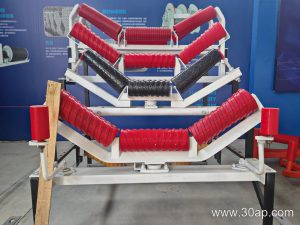
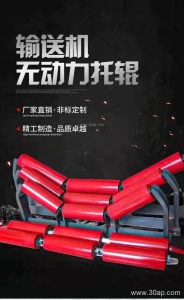
Common configurations include troughing brackets for the carrying side, return brackets for the lower strand, and transition or impact brackets near loading zones. Adjustable versions allow the trough angle to be set between positions, which helps when a belt needs fine tuning rather than a fixed geometry.
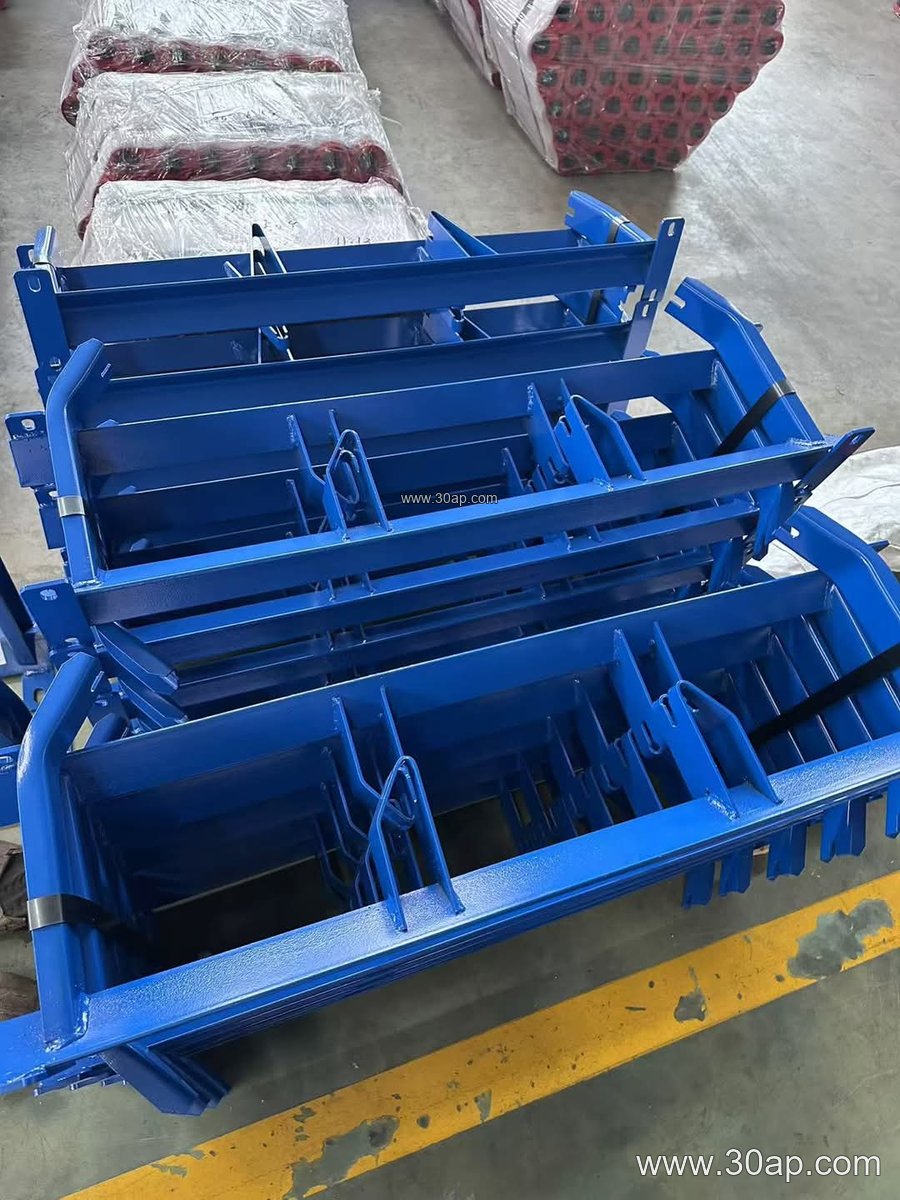
Matching Bracket Geometry to Belt and Roller
The bracket must suit the belt width, the trough angle, and the roller diameter together. These are not independent choices, and no single belt width locks you into one trough angle or one roller size. The table below shows typical reference combinations; final values are determined by conveyor design.
| Belt Width | Typical Trough Angle | Typical Roller Diameter |
|---|---|---|
| B500 / B650 | 20° to 30° | Ø89 |
| B800 / B1000 | 30° to 35° | Ø108 |
| B1200 / B1400 | 35° to 45° | Ø133 |
| B1600 / B1800 | 35° to 45° | Ø159 |
| B2000 / B2200 | 35° to 45° | Ø194 |
Mounting hole spacing and crossbeam length change with belt width and trough angle, so these dimensions should always be confirmed against the actual frame drawing rather than assumed.
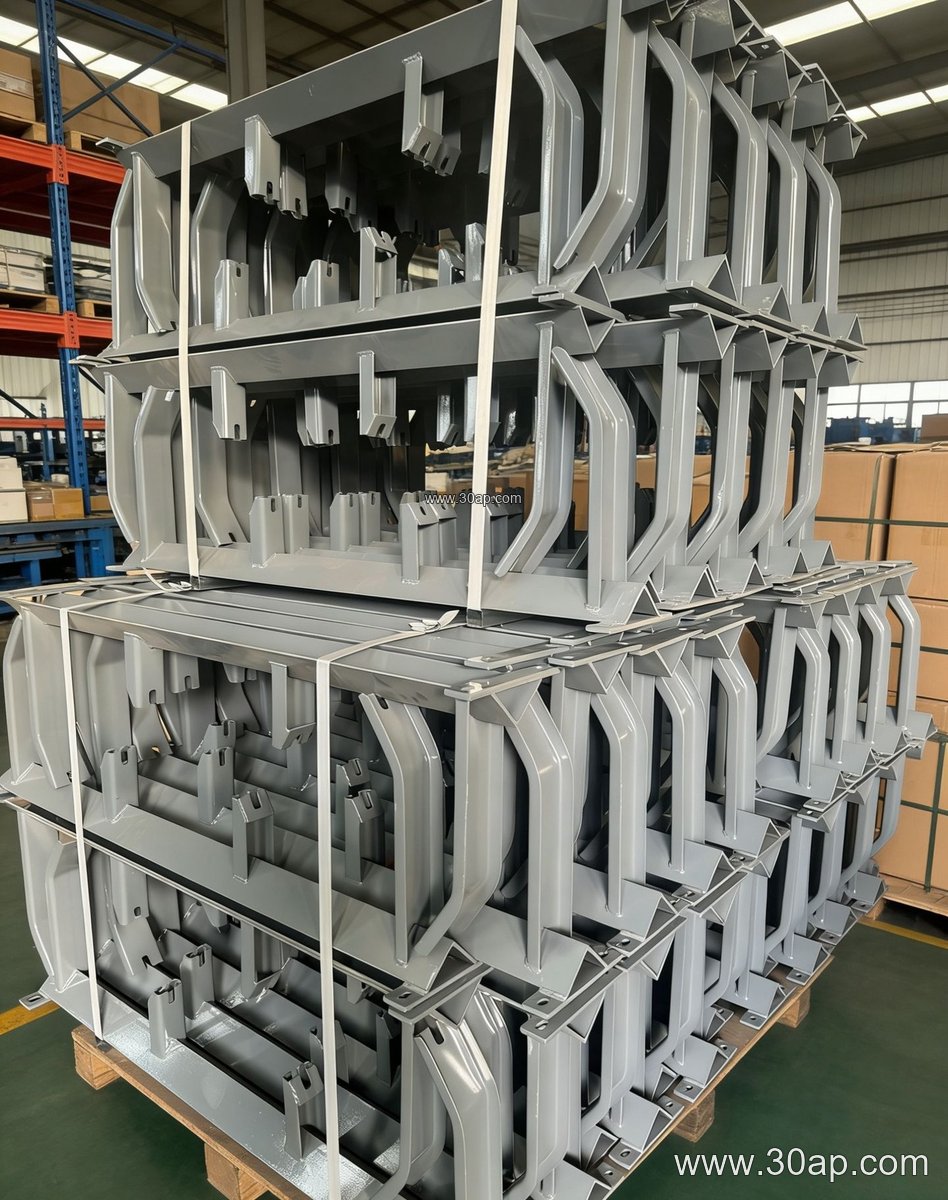
Where Idler Brackets Are Used
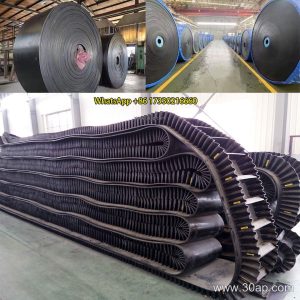
You will find them in almost any bulk handling line. In a coal preparation plant, flame retardant conveyor belt runs over troughing brackets that must resist dust and vibration. In a limestone quarry, heavy-duty mining conveyor belt carries crushed rock across long spans, and the brackets are sized to handle impact at the transfer points. Power plant coal yards, port ship loaders, and aggregate plants all rely on the same basic principle: a stable bracket keeps the idler roller square to the belt.
Fixed and adjustable brackets serve different needs. Fixed brackets are common on long straight runs where geometry never changes. Adjustable or transition brackets are useful at curves, near drive and tail pulleys, and at loading points where belt training needs correction.
Selection and Maintenance Notes for Buyers
- Confirm the belt width, trough angle, and roller diameter as a set before ordering.
- Check the mounting hole pattern against the existing conveyor frame.
- Match bracket material and coating to the environment, such as wet washing circuits or dusty coal handling.
- Inspect brackets for bending, loose bolts, and corrosion during routine roller changes.
- Keep spare brackets for high-wear positions near crushers and transfer chutes.
A bracket that is slightly out of alignment will shorten roller life and stress the belt edges. Regular checks are inexpensive compared with unplanned downtime. For more on conveyor components, visit mqindustries.com/conveyor-pulley or mqindustries.com/idler-roller to see how brackets fit into the wider system.