What the Ø133 Conveyor Idler Is
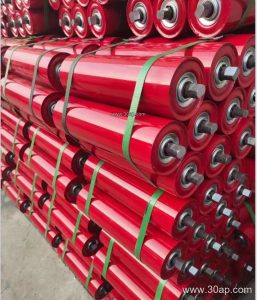
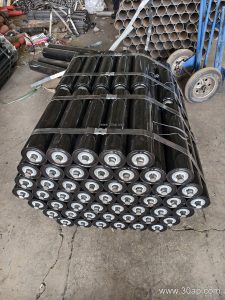
The Ø133 conveyor idler is a carrying or returning roller with a nominal shell diameter of 133 mm. It sits under or over the conveyor belt on a bulk handling line, supporting the belt and the material load while allowing the belt to travel with low friction. In many plants this size is treated as a mid-to-heavy duty roller: large enough to handle coarse rock and wet material, yet still practical for standard frame spacing on medium and wide belts. The same component is often called a 133 mm idler roller or Ø133 carrying roller in purchase documents.
Because the roller diameter is fixed at 133 mm, the surrounding hardware matters just as much. Bracket height, roller length, shaft ends and the trough angle all have to match the frame. A roller that fits one station may not fit the next, even when the diameter is identical.
How a Ø133 Idler Roller Is Built
A typical unit combines a steel tube shell, welded end caps, a through shaft, bearing housings and a multi-stage seal. The shell is usually machined for balance, since an out-of-balance roller vibrates and wears both itself and the belt. Bearing selection follows load and speed rather than diameter alone; common bearings in this class include 6305, 6306 and 6308, but the correct choice depends on the calculated radial load and the manufacturer’s design.
Sealing is the detail that decides service life in dusty conditions. Labyrinth seals, contact seals and grease-filled cavities are common approaches. In a quarry or a coal handling plant, fine grit that reaches the bearing race will destroy the roller long before the shell wears out.
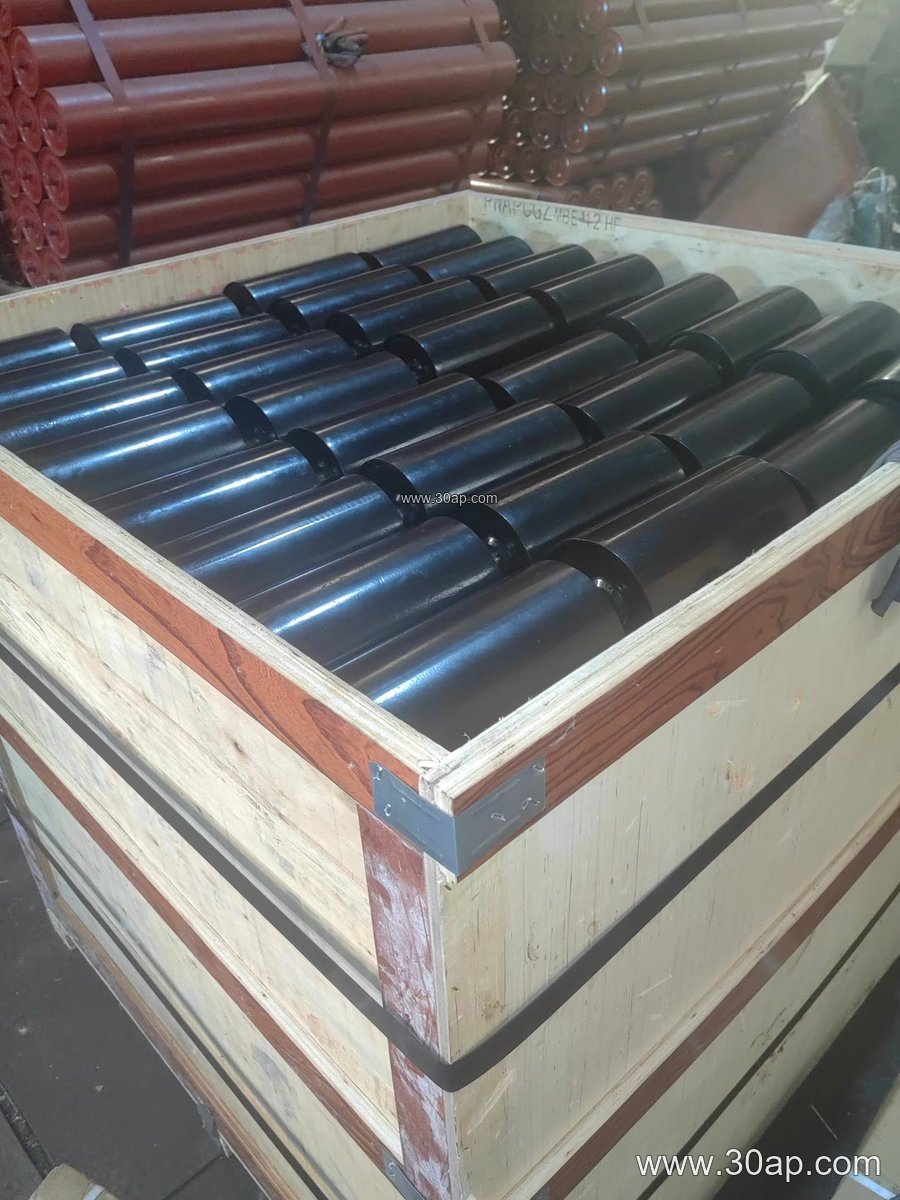
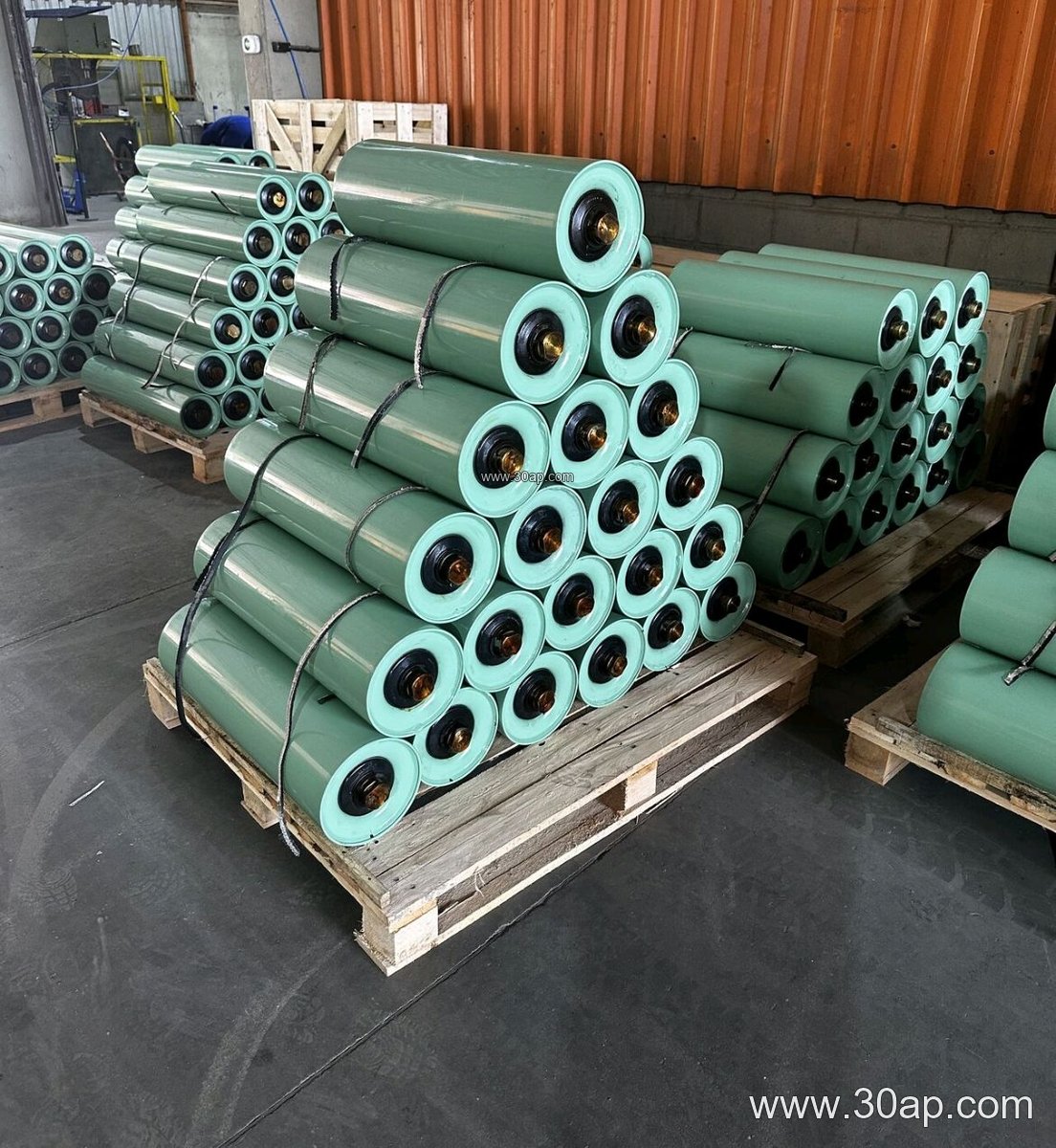
Surface form also varies. Plain steel shells suit clean, moderate applications. Rubber rings are added at load points to absorb impact. Nylon or ceramic covers may be used where sticky material builds up or abrasion is severe. Each option changes weight and cost, so the choice should follow the duty, not habit.
Where It Fits on the Conveyor
The Ø133 roller appears in several positions. In a three-roll troughing set it forms the side rolls or the centre roll, depending on the frame design. It can serve as a flat return roller under the belt, as a V-return roll in training arrangements, or as an impact roller at a transfer chute. Self-aligning versions with tapered ends are used where belt tracking is a persistent problem.
Two industries where this diameter is often seen are limestone quarries and coal-fired power plant coal handling. In a quarry, heavy run-of-mine rock and sharp edges demand robust shells and good sealing. In a power plant, fugitive coal dust and continuous operation put the focus on bearing protection and predictable replacement intervals. Cement plants, iron ore concentrators and port bulk terminals are other settings where the same roller family is used.
Matching Diameter, Belt Width and Trough Angle
Roller length is not determined by diameter. It follows belt width, trough angle and the roll arrangement. The table below shows common reference values for three-roll troughing sets; side rolls and centre rolls may differ, and final dimensions should be confirmed against the frame drawing.
| Belt width | Typical roll length (reference) | Typical trough angles |
|---|---|---|
| B500 | about 200 mm | 20°, 30°, 35° |
| B650 | about 250 mm | 20°, 30°, 35° |
| B800 | about 315 mm | 30°, 35°, 45° |
| B1000 | about 380 mm | 30°, 35°, 45° |
| B1200 | about 465 mm | 30°, 35°, 45° |
| B1400 | about 530 mm | 30°, 35°, 45° |
| B1600 | about 600 mm | 30°, 35°, 45° |
These figures are examples, not fixed pairings. A 133 mm roller can be used across a range of belt widths as long as the frame, shaft and load rating are correct. Do not assume a shaft diameter from belt width alone; the shaft must be sized for the actual load and the bracket connection.
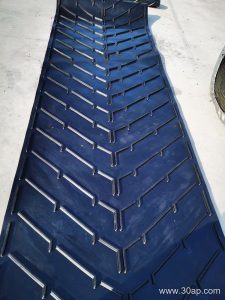
The trough angle affects how the belt and material sit. A 20° set is gentle and suits light, easy-flowing loads. A 35° or 45° set deepens the trough and increases capacity, but it also raises the load on the side rolls and can stress the belt edges. The material being carried matters too: a heavy-duty mining conveyor belt or an abrasion resistant conveyor belt may tolerate sharper troughing than a thin fabric belt.
What Buyers Should Check Before Ordering
- Duty and load: estimate the material weight per metre, belt weight and impact at transfer points. A crusher discharge is far harsher than a clean return run.
- Sealing and bearing: ask how the seal is arranged and which bearing is fitted. In dusty service, seal quality is often more important than shell thickness.
- Roller length and shaft ends: match the existing frame and bracket, and confirm the fixing method.
- Surface form: plain, rubber-ringed or covered, chosen for impact, build-up or abrasion.
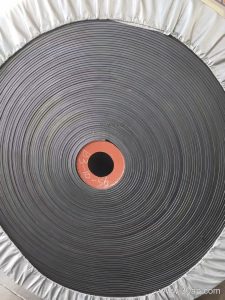
- Belt compatibility: check that the roller spacing and trough angle suit the belt, whether it is an EP conveyor belt, an NN conveyor belt or a steel cord conveyor belt.
- Spares consistency: a plant that standardises on one diameter and one bracket type simplifies maintenance and reduces stock.
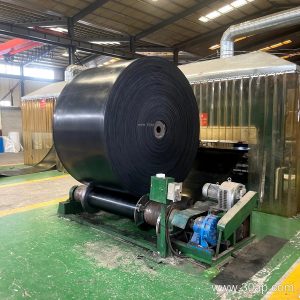
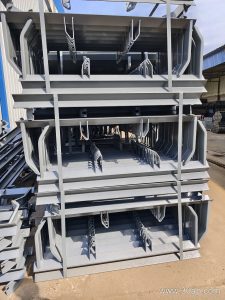
For a complete conveyor line, the idler works alongside the conveyor pulley, the conveyor bracket and the belt itself. A wear problem that looks like a roller fault is sometimes a belt tracking or loading issue, so inspection should cover the whole station. Buyers comparing quotations should ask for the shell thickness, bearing designation, seal type and dimensional drawing rather than judging on diameter alone.
Maintenance Notes
Seized rollers drag on the belt and raise power demand; worn shells can cut or scuff the cover. Periodic checks for noise, heat, wobble and material build-up are simple and effective. Replacing a failed roller promptly protects the belt, which is usually the most expensive single item on the line. Keeping a small stock of the correct Ø133 units, matched to the plant’s frame and bracket pattern, is a practical way to avoid long stoppages.