What a Construction Industry Conveyor Belt Is
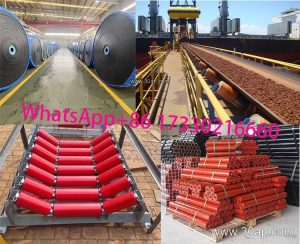
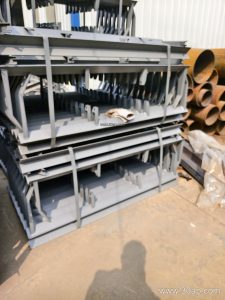
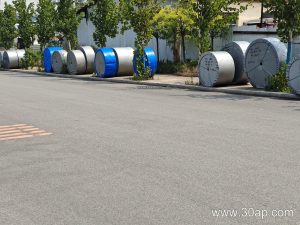
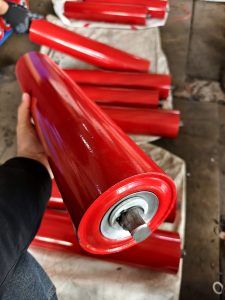
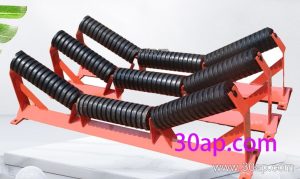
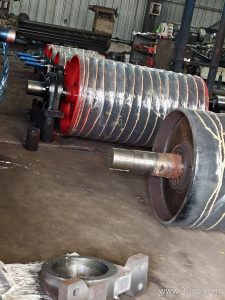
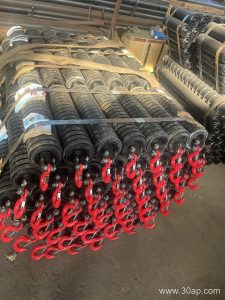
A construction industry conveyor belt is the endless loop that carries aggregate, sand, gravel, cement clinker, crushed rock, and recycled debris across a site or processing plant. It is a heavy-duty fabric or steel-reinforced rubber band, often simply called a construction conveyor belt, that runs over conveyor pulleys and idler rollers supported by conveyor brackets. The belt is the wear surface and the power-transmitting element; the pulleys drive and redirect it, while the idlers carry the load. In construction, belts must tolerate sharp edges, abrasive dust, impact from large lumps, and weather exposure.
How the Belt Is Built
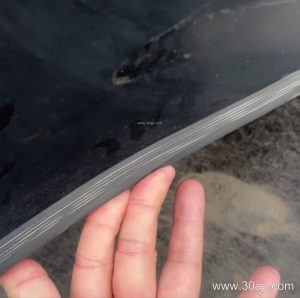
Most construction belts use a multi-ply fabric core or a steel cord core. Fabric plies provide flexibility and resistance to tearing; steel cord gives very high tensile strength for long lifts and high tonnages. Cover rubber grades are selected for the job: abrasion resistant for sand and gravel, heat resistant near asphalt or cement kilns, oil resistant where fuel or hydraulic fluid may drip, and flame retardant for enclosed or underground work. Edge construction, skim coats between plies, and breaker fabrics all influence durability. A typical construction belt may be an EP conveyor belt with 3 to 6 plies, or a steel cord belt for main haulage.
Common Types and Where They Fit
- EP conveyor belt – polyester-cotton fabric core, widely used for aggregate and general site conveying; EP200 to EP1000 are common strength classes.
- NN conveyor belt – nylon fabric core with good fatigue resistance; useful on mobile plant and transfer conveyors.
- Steel cord conveyor belt – for high-strength, long-distance haulage in quarries and mines; ST1000 to ST2500 are typical design grades.
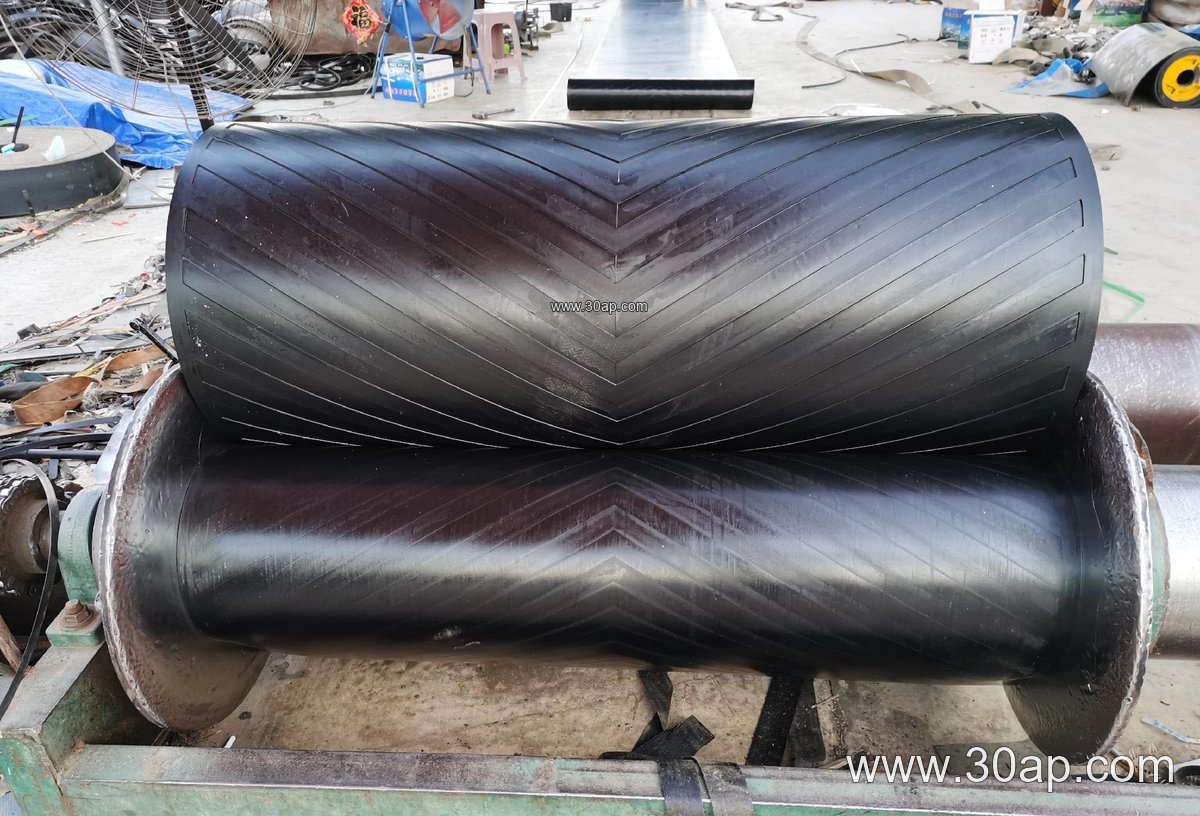
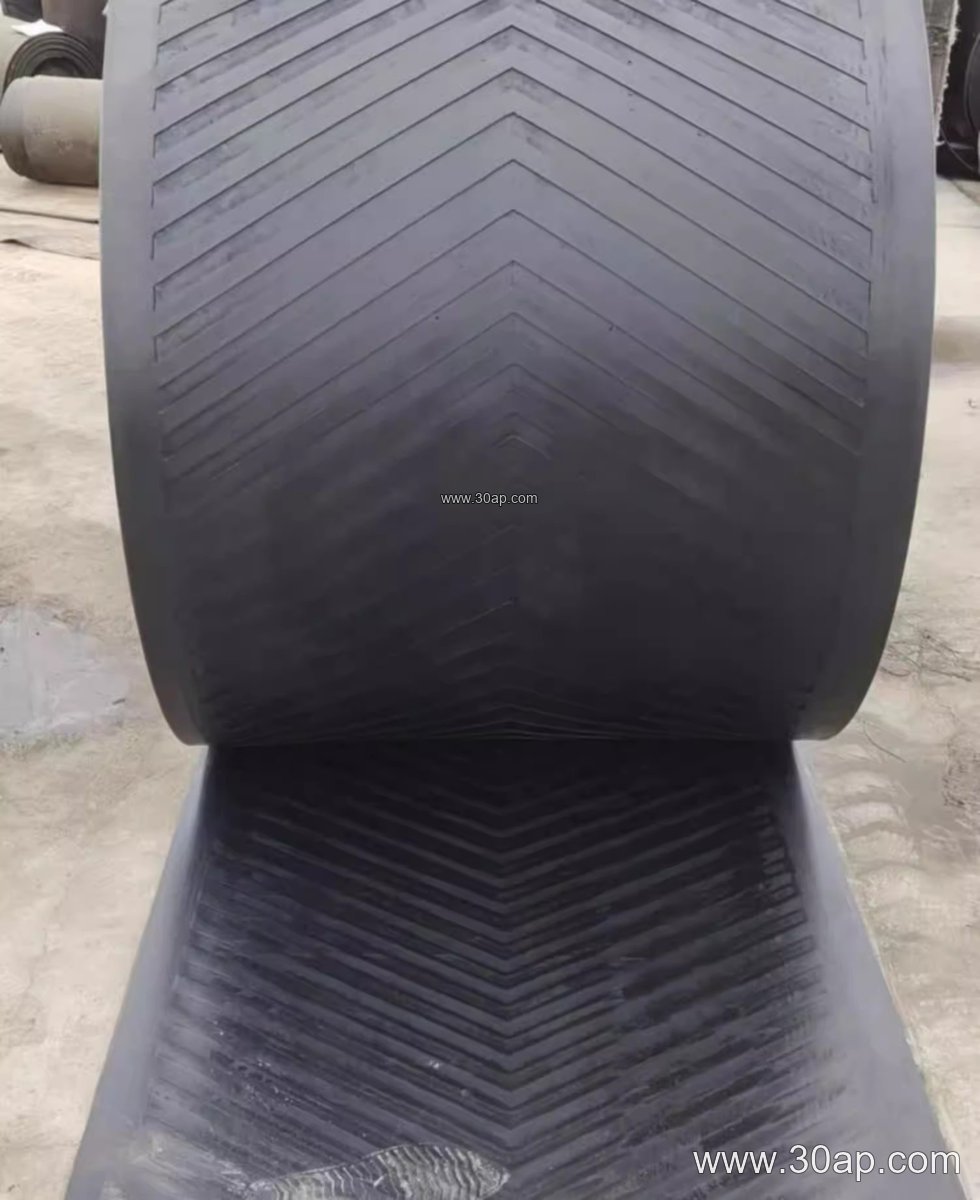
- Chevron conveyor belt – raised pattern to prevent roll-back on inclines; common on crusher feed and stockpile conveyors.
- Corrugated sidewall conveyor belt – with cleats and sidewalls for steep inclines and confined spaces.
- Pipe conveyor belt – encloses the material to control dust and spillage in urban or sensitive sites.
- Heat resistant and flame retardant belts – for cement plant, power plant, and underground mining conditions.
Widths usually range from B500 to B2000, with B800 and B1000 common on aggregate plants, and B1200 to B1600 used on high-capacity quarry and port conveyors. Cover thickness often follows patterns such as 4+2 mm or 6+2 mm, but final selection depends on lump size and drop height.
Where Construction Belts Are Used
Construction sites, sand and gravel pits, stone crushing plants, cement plants, concrete batching plants, and recycling yards all rely on these belts. They feed crushers, screen decks, stockpiles, and load-out systems. In mining and quarrying, heavy-duty mining conveyor belts handle rock and ore; in cement plants, heat resistant grades carry clinker; near water or tunnels, flame retardant and anti-static belts may be required. A construction industry conveyor belt also appears on portable conveyors and trench-fill systems where flexibility and quick setup matter.
Buyer Checklist
Before ordering, define the material, lump size, tonnage per hour, incline, and ambient conditions. Confirm the belt width and ply or cord strength with the conveyor design, not by habit. Check pulley diameters and idler spacing with the belt manufacturer’s recommendations, because a thick, stiff belt needs larger pulleys. Ask for the cover grade and thickness, edge type, and whether the belt will be spliced on site or supplied endless. For hot or oily conditions, specify the appropriate heat resistant or oil resistant compound. For underground coal work, flame retardant and anti-static properties are usually mandatory.
Maintenance matters as much as initial choice. Keep idlers turning, avoid material buildup on pulleys, and track the belt regularly. A well-matched belt, pulley, and idler roller set reduces edge damage and extends service life across construction, quarry, and cement operations.