What an 800mm Drive Pulley Does on a Conveyor
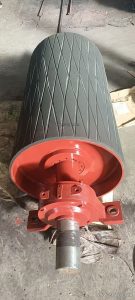
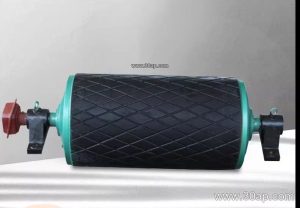
An 800mm drive pulley is the head-end drum that transmits motor torque into the conveyor belt, pulling the loaded strand toward the discharge point. Its 800 mm nominal diameter gives it enough wrap contact and bending radius for medium to wide belts, making it a common choice in limestone quarries, cement clinker lines, coal handling plants, and aggregate crushing circuits. In those settings, the pulley works together with idler rollers, the conveyor bracket, and the belt itself, so matching it to the rest of the conveyor matters more than the number on its own.
Unlike a tail pulley, which mainly guides and tensions the return strand, the drive pulley carries the full working tension and must transfer friction without slipping. A bend pulley only changes belt direction and is never a substitute for the head drive unit. This distinction guides both design and purchasing decisions.
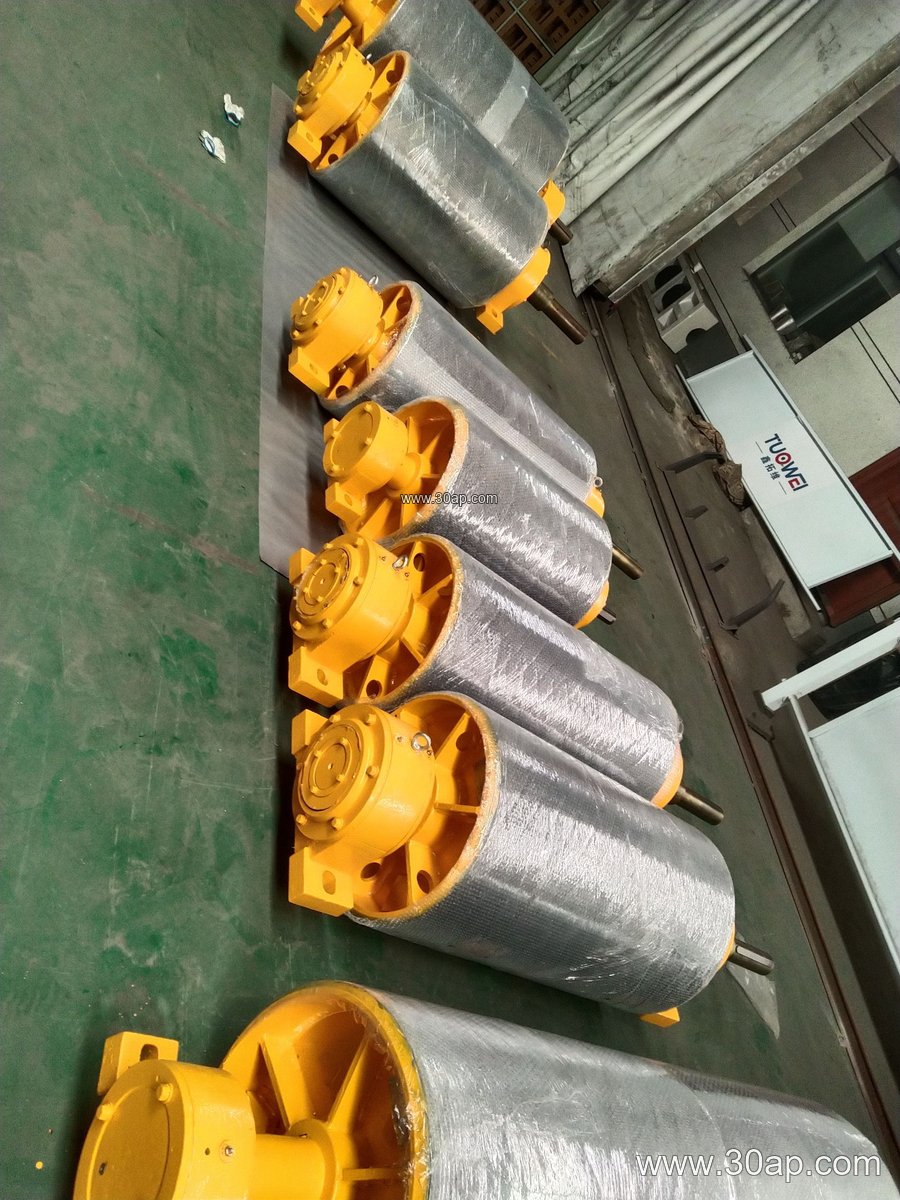
Construction and Surface Options
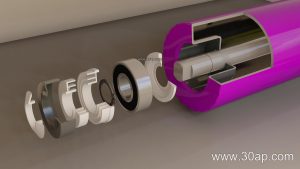
The drum body is usually a welded steel shell with machined end discs, keyed hubs, and a shaft sized by torque and radial load rather than by belt width alone. Common shaft diameters run from Ø100 to Ø200 for this class of pulley, with the final value confirmed by the drive calculation. Shell face width is normally a little wider than the belt: an 800 mm belt typically pairs with a shell around 950 mm, though wider face widths are also built.
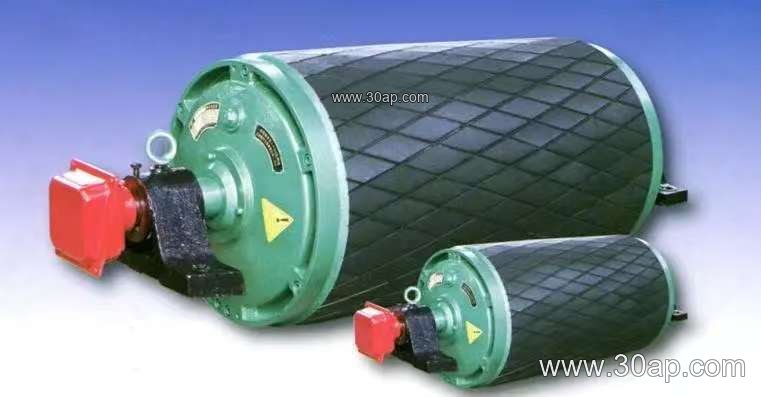
Surface treatment decides grip and wear life:
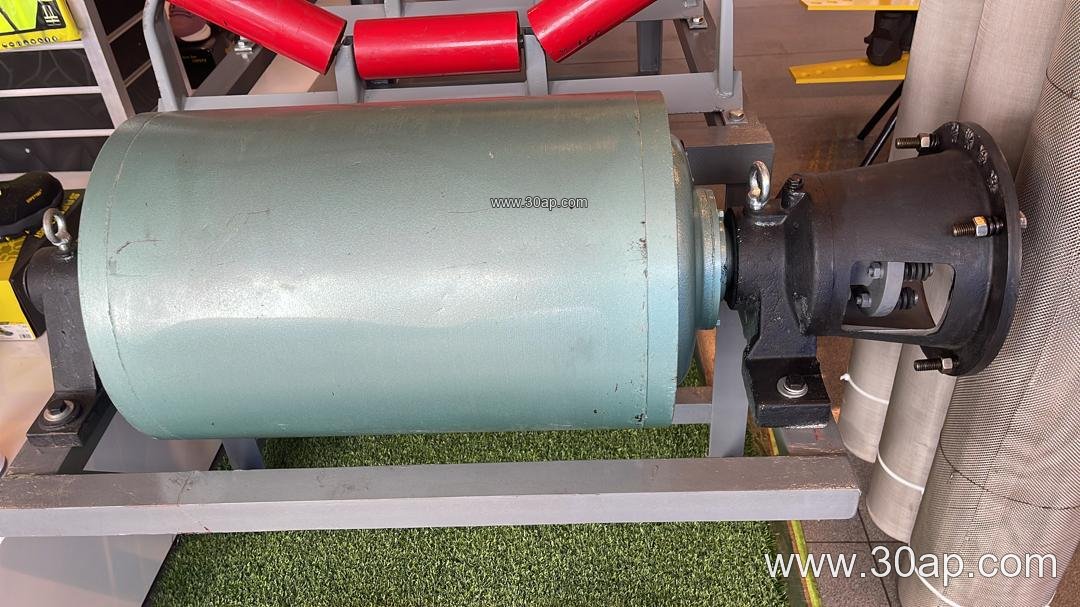
- Plain finished shell for light duty or where slip is controlled elsewhere
- Cold-bonded rubber lagging in 8, 10, or 12 mm for general bulk handling
- Hot-vulcanized rubber lagging in 12, 15, or 20 mm for high-tension drives
- Diamond or herringbone grooved lagging to shed water and fines
- Ceramic lagging for abrasive ore and wet conditions
Lagging thickness and pattern should follow the duty, not a default. A quarry conveyor moving wet limestone may benefit from grooved rubber, while a coal yard handling dry fuel often uses plain or lightly grooved lagging.
Pairing With the Belt and Related Components
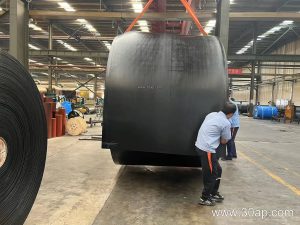
The pulley diameter and the belt carcass must suit each other. A stiff Steel Cord Conveyor Belt or a heavy Multi-Ply Fabric Core Conveyor Belt needs a larger bending radius than a thin EP Conveyor Belt, and an 800 mm drum is often a practical compromise on medium-capacity lines. Where the belt is a Chevron Conveyor Belt or a Corrugated Sidewall Conveyor Belt, check that cleat height and sidewall profile clear the pulley face and any skirted conveyor belt transitions nearby.
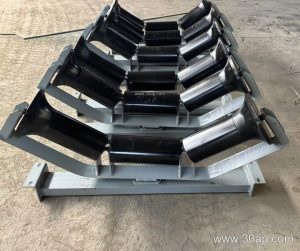
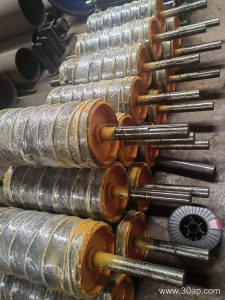
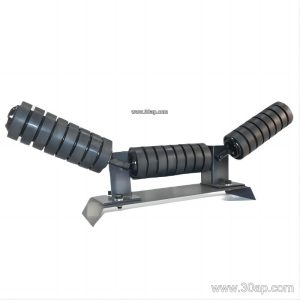
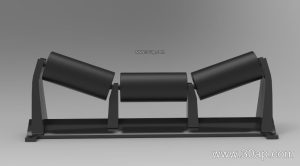
Downstream of the drive, the conveyor belt runs over idler rollers that support the load, while the conveyor bracket holds the pulley bearing housings in alignment. Misalignment between the drive pulley and the first troughing idler set is a frequent cause of edge wear, so installation tolerances deserve attention.
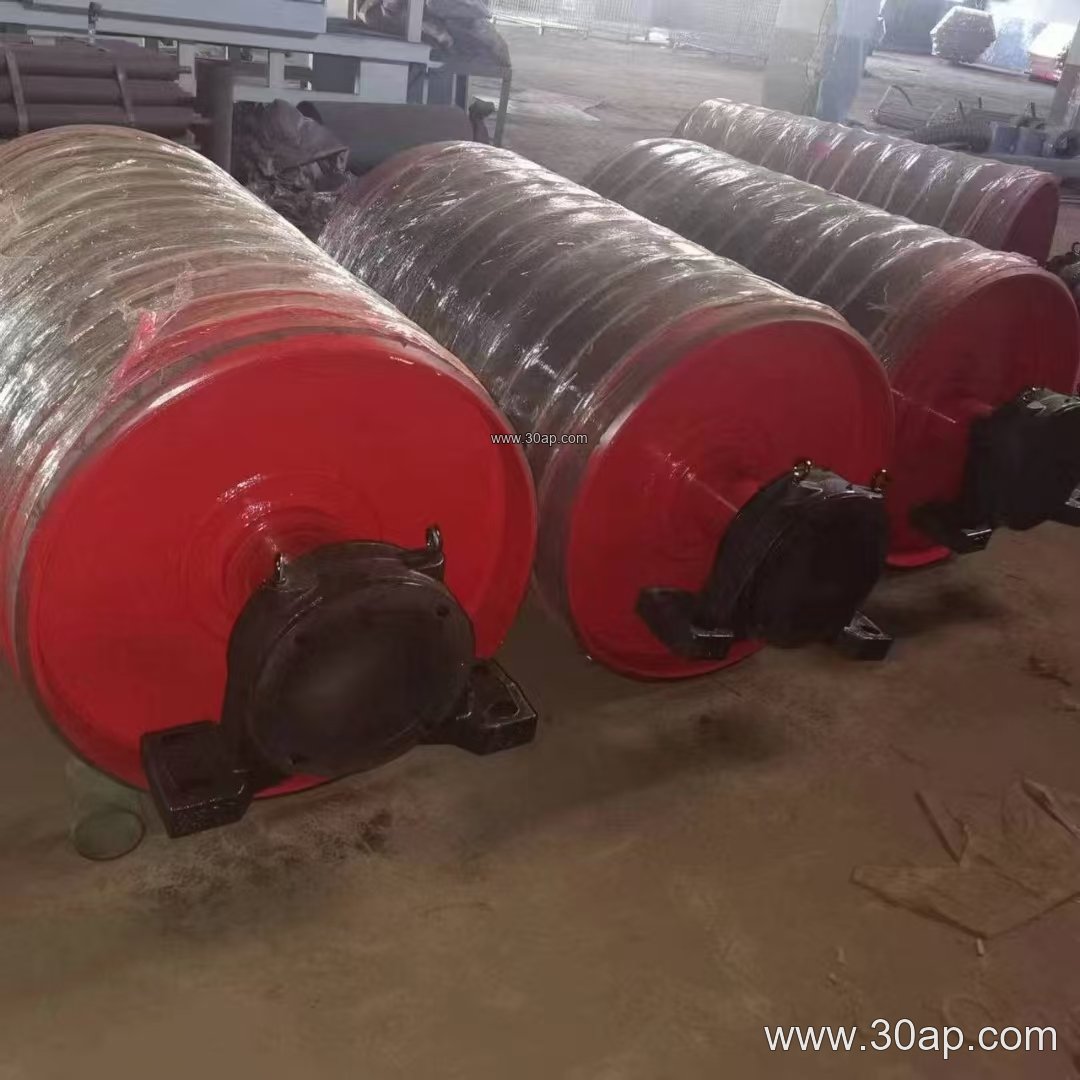
Typical Service Conditions
In a limestone quarry or sand and gravel plant, dust and occasional water make lagging grip critical. In a cement plant, heat from clinker can radiate toward the head end, so bearing lubrication and lagging compound should be checked against temperature. In a power plant coal yard, a Flame Retardant Conveyor Belt is often specified, and the drive pulley should be inspected for rubber build-up that can affect tracking. Iron ore and copper ore operations place more emphasis on abrasion resistance, where ceramic or thick hot-vulcanized lagging earns its cost.
Buyer Checklist
Before ordering, confirm the belt width, the required diameter, the shaft size from the torque calculation, the lagging type and thickness, and the bearing arrangement. Ask for the shell face width and the balance grade, and state whether the pulley is for a head drive, a tension position, or another location. Request the shaft and hub drawing so the coupling and conveyor bracket fit correctly. Finally, plan a spare lagging kit and a wear inspection interval, because a worn drive pulley surface shows up first as belt slip and then as reduced throughput.