What Rubber Pulley Lagging Does on a Conveyor
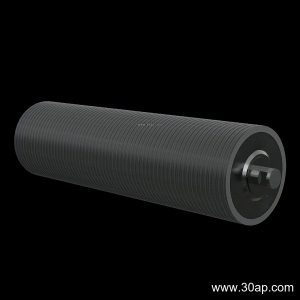
Rubber pulley lagging is the rubber layer bonded to the shell of a conveyor pulley to raise friction between the drum and the belt, protect the shell from wear, and keep the belt tracking more steadily. In a quarry, a cement plant, or a coal handling system, the pulley is often the quiet component that decides whether the whole line runs smoothly. A conveyor pulley with good lagging transmits drive torque without slip, sheds fines and moisture at the contact point, and absorbs some of the impact that would otherwise reach the shell.
The lagging is not a belt and does not replace one. It works together with the conveyor belt, whether that is an EP conveyor belt, an NN conveyor belt, or a steel cord conveyor belt, and with the idler roller set that supports the belt along the run. For heavy-duty mining conveyor belt circuits, the condition of the lagging often matters as much as the belt itself.
How the Lagging Is Built
Most rubber pulley lagging is supplied either as pre-formed strips and sheets that are cold-bonded or hot-vulcanized onto the pulley shell, or as cast rubber applied in a workshop. The rubber compound is chosen for abrasion resistance, oil resistance, or flame retardant properties depending on the duty. Thickness commonly falls in the 8 mm to 20 mm range, with 10 mm and 12 mm being frequent choices for general service and 15 mm or 20 mm used where wear is severe.
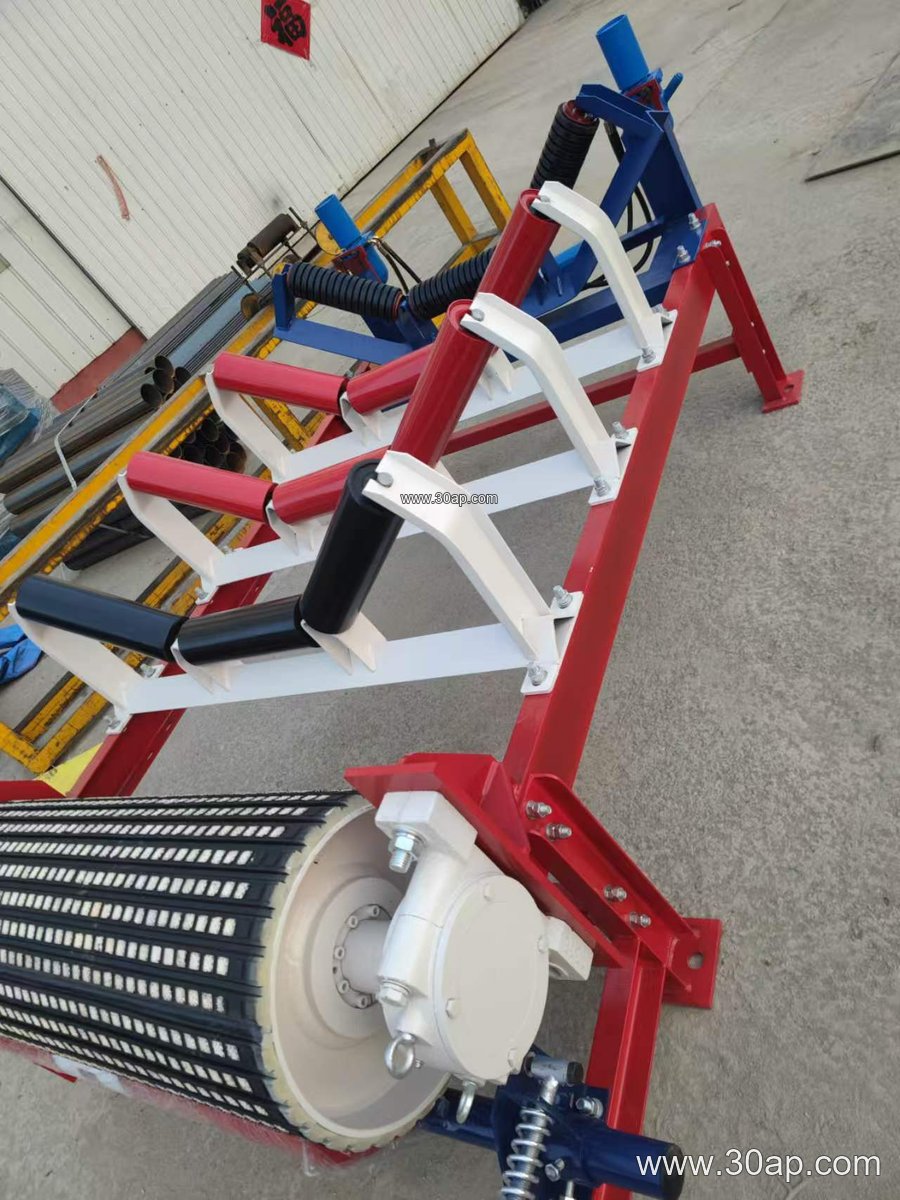
Surface form is a key decision. Plain (smooth) lagging is used where the belt must release cleanly. Diamond or herringbone patterns improve water and fines evacuation on drive pulleys. Ceramic lagging is chosen for high-torque drives in wet or muddy conditions. The bond quality between rubber and shell determines life more than the pattern alone, so surface preparation before application is critical.
Where It Is Used
Lagging appears on drive pulleys, tail pulleys, and bend pulleys, and each position has its own expectation. On a drive pulley, the priority is torque transmission and slip prevention. On a tail pulley, the focus shifts toward protection from abrasive material and self-cleaning behavior. On a bend or snub pulley, the lagging mainly guards the shell and helps maintain belt wrap.
Typical sites include limestone quarries, iron ore and copper ore concentrators, coal washing plants, cement clinker lines, power plant coal handling, port bulk terminals, and aggregate crushing and screening plants. In these settings the pulley is often working alongside a heat resistant conveyor belt, an abrasion resistant conveyor belt, or a flame retardant conveyor belt, and the lagging compound should be selected with that environment in mind.
Matching Lagging to Pulley Size
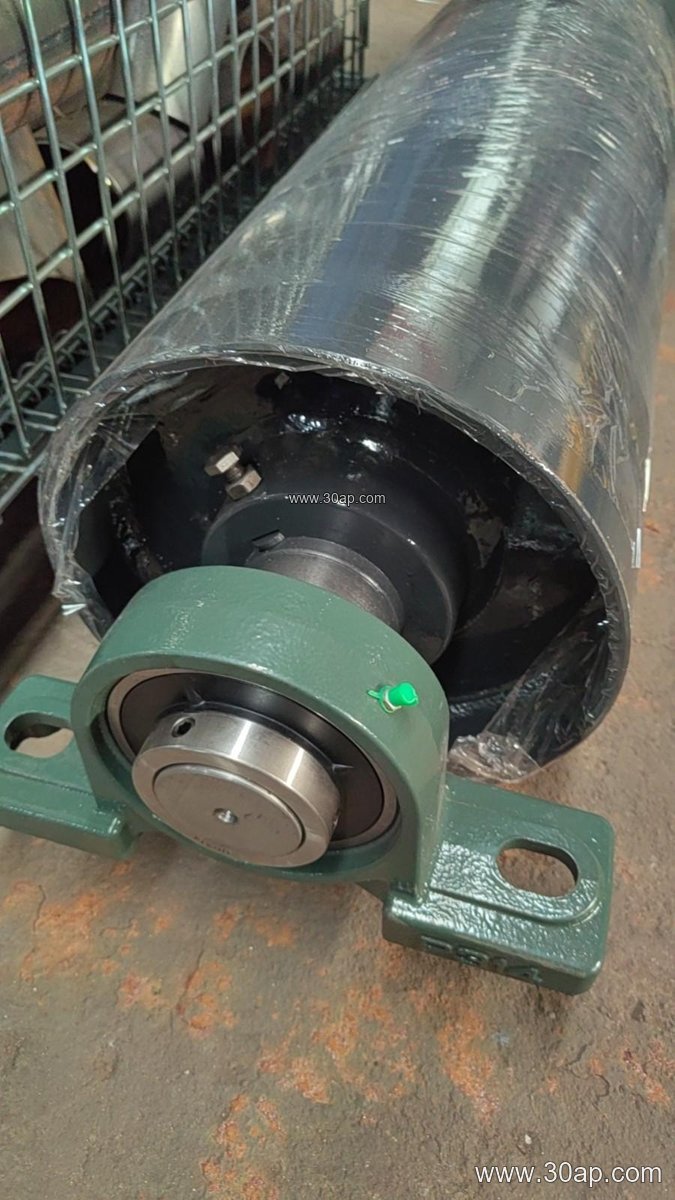
Buyers often ask how lagging relates to belt width and pulley diameter. The pulley face width is normally somewhat wider than the belt, and the diameter is set by the required torque and belt wrap rather than by belt width alone. The table below gives common reference combinations; actual values are determined by design.
| Belt width | Typical pulley face width | Common pulley diameter | Typical lagging thickness |
|---|---|---|---|
| B500 | about 600 mm | Ø250 to Ø400 | 8 to 10 mm |
| B650 | about 750 mm | Ø315 to Ø500 | 10 mm |
| B800 | about 950 mm | Ø400 to Ø630 | 10 to 12 mm |
| B1000 | about 1150 mm | Ø500 to Ø800 | 12 to 15 mm |
| B1200 | about 1400 mm | Ø630 to Ø1000 | 12 to 15 mm |
| B1400 | about 1600 mm | Ø800 to Ø1250 | 15 mm |
| B1600 | about 1800 mm | Ø1000 to Ø1400 | 15 to 20 mm |
| B1800 | about 2000 mm | Ø1250 to Ø1600 | 20 mm |
Shaft diameter is a separate matter and is sized by torque and load, typically in the Ø50 to Ø200 range for these pulleys. It should never be assumed from belt width alone.
What a Buyer Should Check
- Compound type: abrasion resistant, oil resistant, flame retardant, or anti-static, matched to the site.
- Surface pattern: plain, diamond, herringbone, or ceramic, chosen for the pulley position and moisture level.
- Thickness and bond method: cold bond versus hot vulcanized, and whether the workshop can handle the pulley diameter.
- Balance and concentricity after lagging, especially on high-speed drive pulleys.
- Compatibility with the conveyor bracket and bearing arrangement during removal and refitting.
On a well-run site, lagging is checked at the same time as the belt splice and the idler roller condition. A worn or glazed surface is a warning sign, and replacing lagging before the shell is damaged is far cheaper than replacing the pulley. For more on matching drums with belts such as EP1000 or ST1600 conveyor belt constructions, or with skirted conveyor belt and corrugated sidewall conveyor belt profiles, the pulley supplier and belt supplier should compare notes early.
Rubber pulley lagging is a small part of the conveyor, but it is one of the few that touches both the drive and the belt every second of operation. Choosing it by duty rather than by habit keeps quarries, coal plants, and cement lines running with fewer stoppages.