What the Support Frame Does
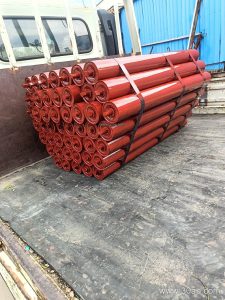
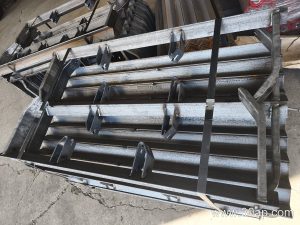
On any belt conveyor, the conveyor belt support frame is the steel structure that holds the idler roller sets in the right position under the belt. It is not a small accessory. In a limestone quarry or a cement plant, a poorly aligned frame will wear the belt edge, throw material off the line and shorten roller life. The frame sets the trough angle, controls the gap between rollers and anchors everything to the conveyor stringers.
When buyers ask for a “bracket” they often mean the same item. Conveyor bracket, idler support frame and roller frame are used loosely in the trade, but they all describe the steel section that mounts conveyor idlers to the conveyor structure.
Construction and Common Forms
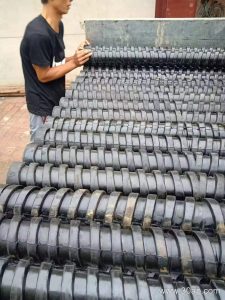
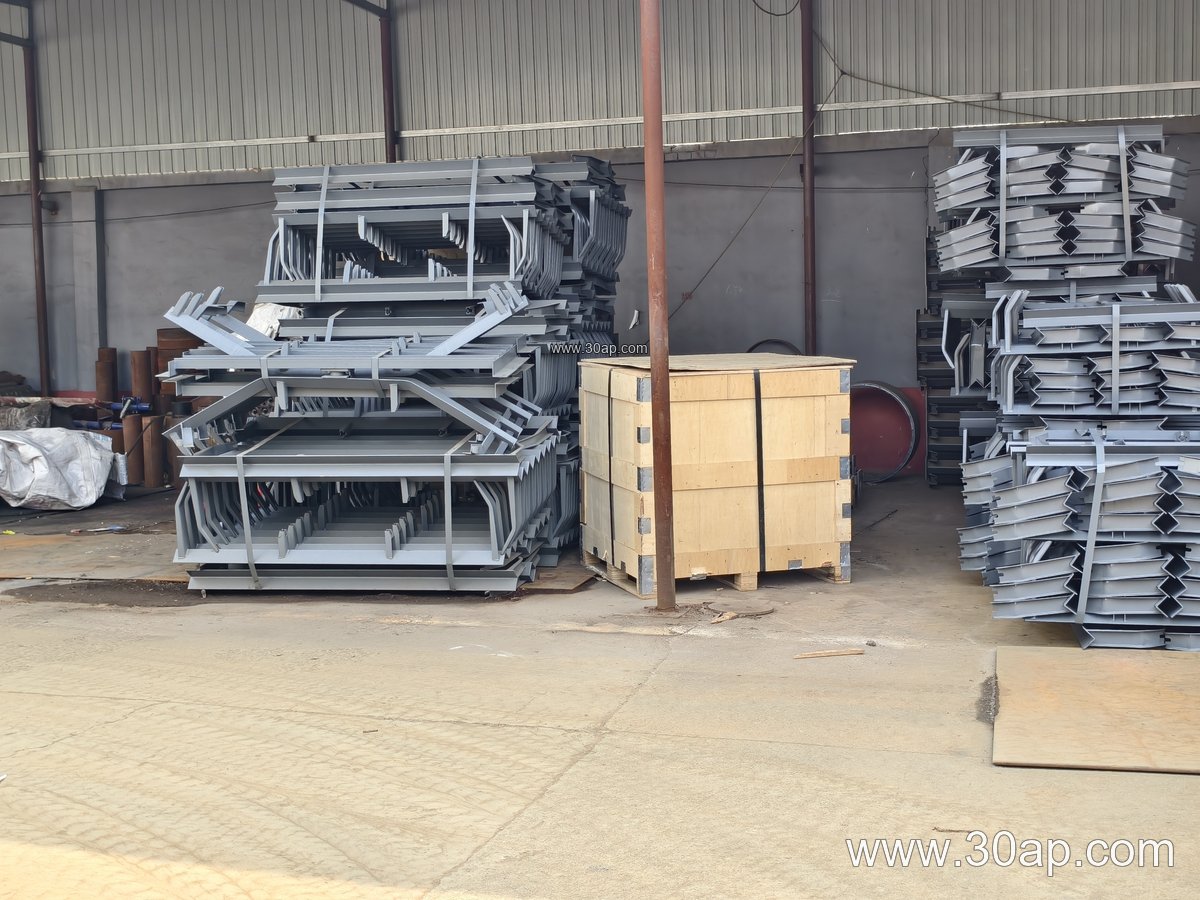
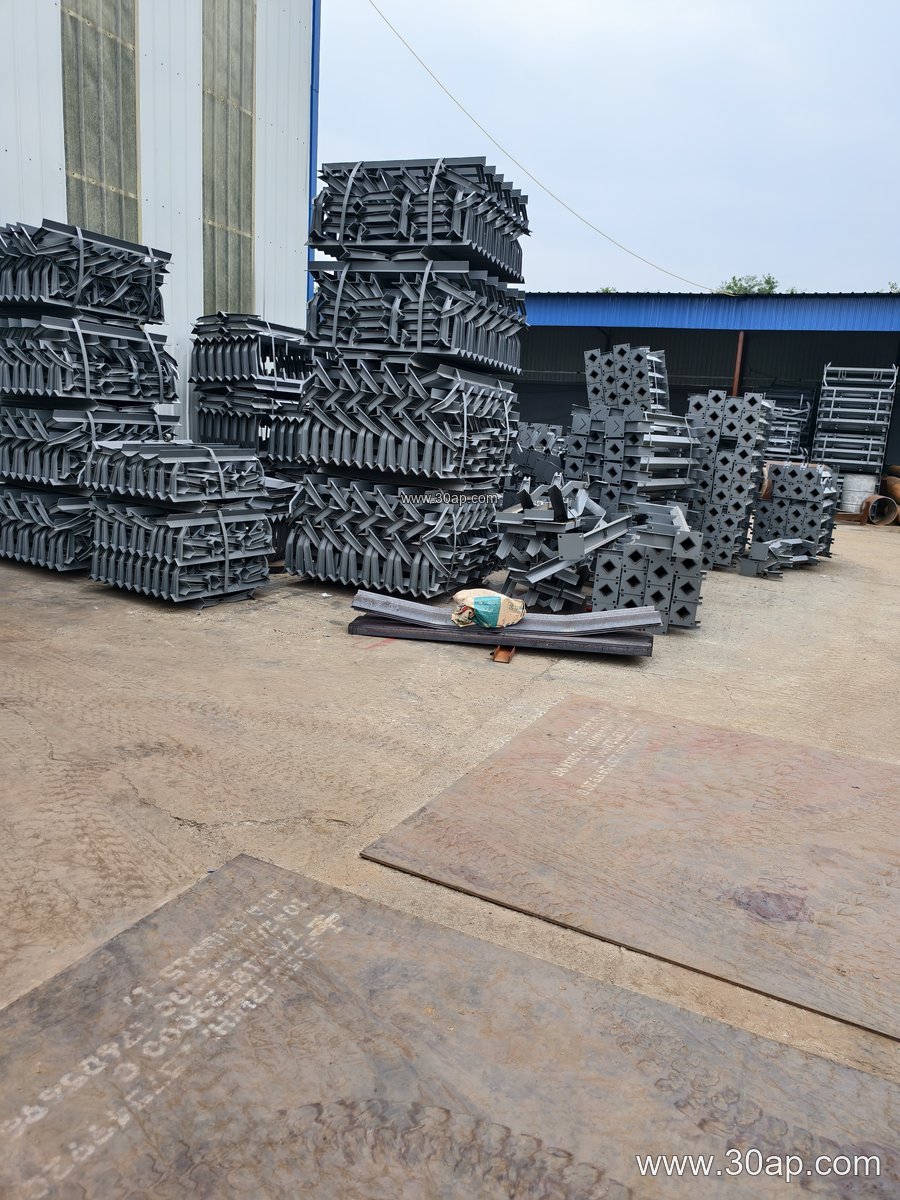
Most frames are built from angle steel, channel steel or folded plate. The choice depends on belt width, load and whether the frame must be adjustable. Powder coating or galvanizing is common for outdoor installations such as a port or a power plant coal yard.
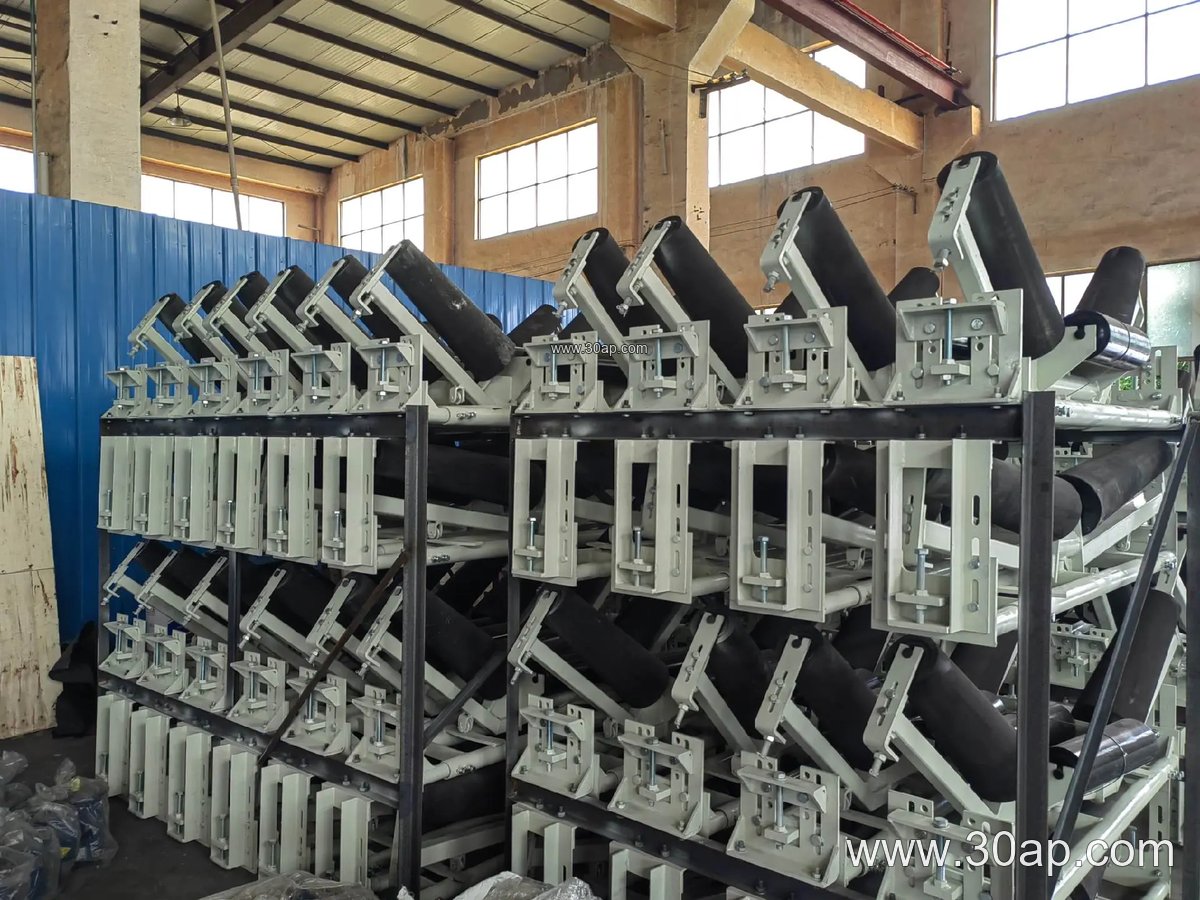
The main types in daily use include:
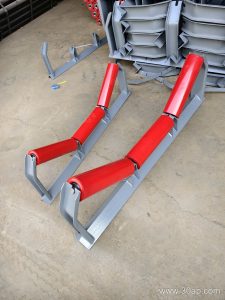
- Troughing frames for the carrying run, usually with three rollers
- Transition frames near the head and tail
- Return frames, flat or V-shaped
- Impact frames under loading points
- Self-aligning frames for belt tracking
- Hanging frames for lighter or mobile conveyors
- Adjustable frames that allow the trough angle to be changed
A troughing frame and a return frame are not interchangeable. Drive pulley, tail pulley and bend pulley are also separate parts and should never be ordered as substitutes for one another.
Matching Frame to Belt and Roller
Trough angle and roller diameter work together with belt width. Common trough angles are 20, 30, 35 and 45 degrees. Adjustable frames can be set between these values on site. A slight forward tilt of about 1.5 to 2 degrees is sometimes used in the carrying idlers to help tracking.
Typical reference combinations look like this:
| Belt width | Trough angle | Roller diameter |
|---|---|---|
| B650 | 30 degrees | Ø89 |
| B800 | 35 degrees | Ø108 |
| B1200 | 45 degrees | Ø133 |
| B1400 | 35 degrees | Ø159 |
| B1800 | 45 degrees | Ø194 |
These are examples only. One belt width can be used with more than one trough angle or roller size, and mounting hole spacing and cross beam length change with the design. A frame for a B1000 line in a sand and gravel plant may look quite different from a frame for the same width in an iron ore terminal.
Where Frames Are Used
You will find these frames in almost every bulk handling line. In a coal washing plant they carry heavy, wet loads and need strong impact sections at the transfer points. In a stone crushing and screening circuit, dust and shock loading make sturdy troughing frames and buffer frames essential. In a steel plant sintering line, heat and abrasion affect both the frame coating and the roller choice.
The belt itself matters too. A heavy-duty mining conveyor belt or a high abrasion resistant conveyor belt may need a wider roller spacing and a stronger frame than a light food grade conveyor belt on a packing line. Where a steep incline is used, a chevron conveyor belt or corrugated sidewall conveyor belt changes the loading pattern, so the frame layout near the feed point should be reviewed.
What a Buyer Should Check
Before ordering, confirm belt width, trough angle, roller diameter and the mounting dimensions of the stringers. Ask whether the frame is fixed or adjustable, and whether it is for the carrying or return side. Check the steel thickness and surface treatment for the site conditions, especially in a port, a fertilizer plant or a tunnel spoil line.
Delivery should include a drawing showing hole spacing and beam length. A frame that does not match the conveyor pulley and idler roller positions will cause tracking problems that no adjustment can fully fix.
For related belt and roller references, see rubber conveyor belt and conveyor pulley pages on the site.