What an Idler Bracket Does on a Conveyor
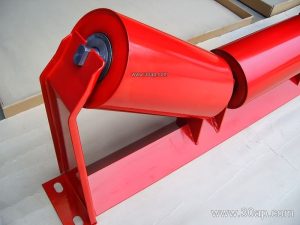
An idler bracket is the structural support that holds conveyor idlers in the correct position along the frame. It is a small component compared with a conveyor pulley, yet it controls whether the belt tracks smoothly or drifts, whether the trough keeps its shape under load, and how quickly worn rollers can be replaced. In a quarry, a power plant coal yard, or a crushing and screening line, the bracket is usually the first part a maintenance team inspects after a belt misalignment complaint.
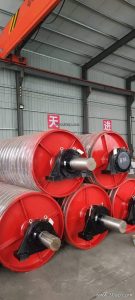
Also called a conveyor bracket or idler support bracket, the part is not interchangeable with a pulley frame. Drive pulleys, tail pulleys, and bend pulleys each need their own mounting structures, and those assemblies serve different mechanical duties. A bracket for a carrying idler simply positions a roller; a pulley assembly transmits torque and belt tension.
How the Bracket Is Built
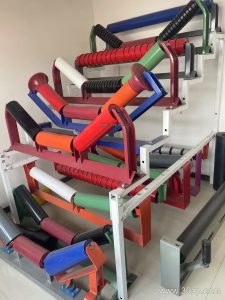
Most brackets are fabricated from angle steel, channel steel, or folded steel plate. The forming method affects stiffness and weight more than appearance. A folded plate bracket can be lighter while keeping a clean mounting face, while a channel steel design is often chosen where impact loads from large rock are expected.
Typical features include:
- Slotted or drilled mounting holes for height and angle adjustment
- Welded or bolted end plates that connect to the main conveyor frame
- Roller seats or pins sized to match the idler shaft
- Reinforcing ribs at the load-bearing corners
Mounting hole spacing and crossbeam length are not fixed values. They follow belt width, trough angle, and the specific frame design, so a buyer should always confirm these dimensions against the existing structure.
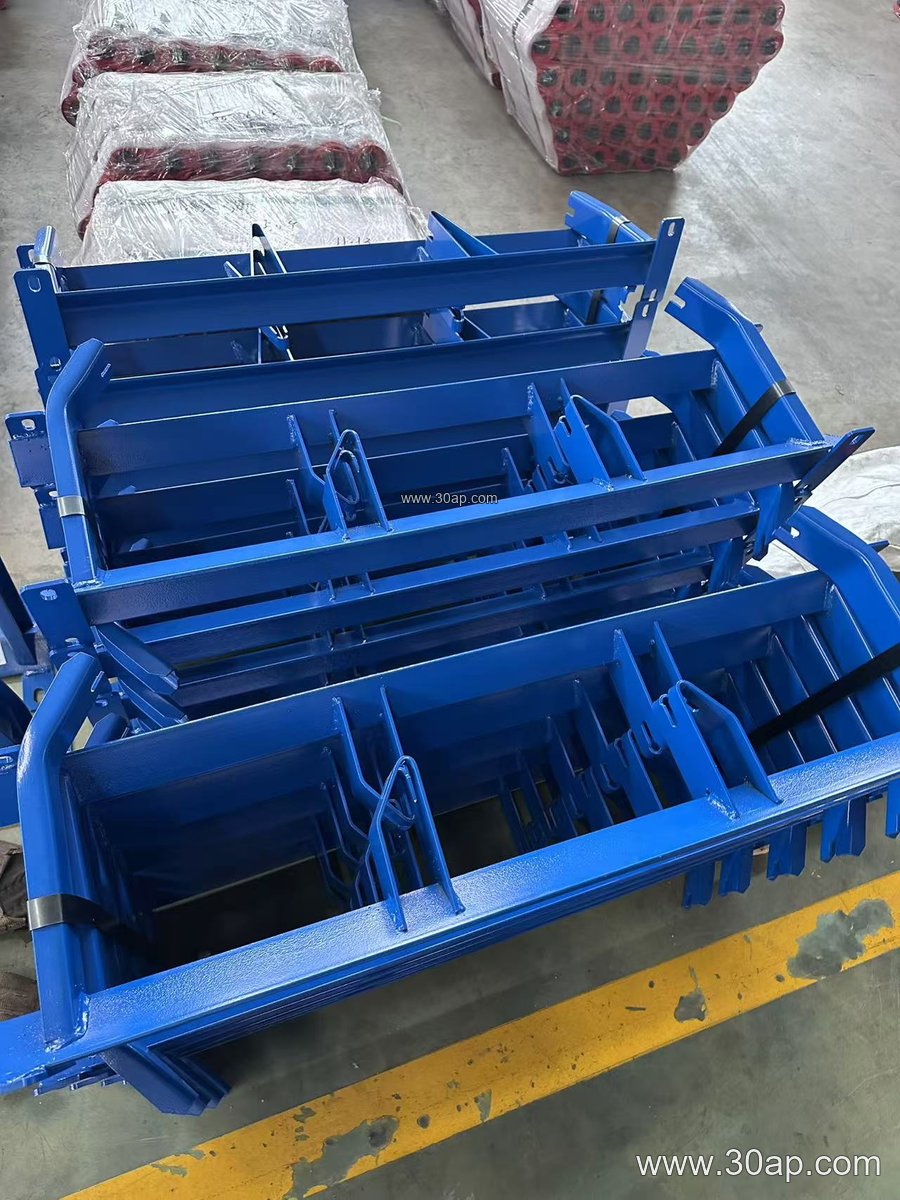
Trough Angle and Belt Width Go Together
The trough angle determines how deeply the belt sits in the idler set. Common values are 20, 30, 35, and 45 degrees. A 30 degree trough is widely used for general bulk material, while 35 or 45 degrees helps contain a wider load in high-capacity lines. Adjustable brackets allow the same frame to serve several angles, which is useful during commissioning or when a plant changes its material flow.
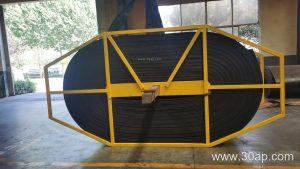
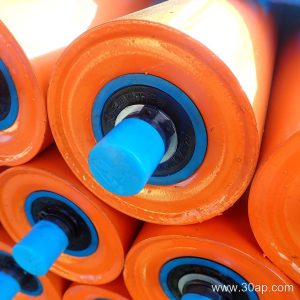
Belt width and roller diameter are selected as a set, not as a fixed pairing. Examples such as B800 with 35 degrees and Ø108 rollers, or B1200 with 45 degrees and Ø133 rollers, appear in real projects, but other combinations are equally valid depending on load and belt stiffness. A 650mm belt may run with Ø89 idlers in a light duty line, while a 1800mm conveyor in an iron ore terminal may use Ø159 or Ø194 rollers. For the belt itself, a heavy-duty mining conveyor belt, an abrasion resistant conveyor belt, or a heat resistant conveyor belt each imposes different demands on the idler and bracket assembly.
Types and Where They Fit
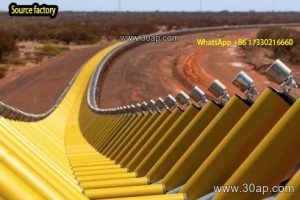
Bracket naming usually follows the idler position it supports. Carrying side brackets hold the troughing idlers; return side brackets hold flat or V-return idlers. Transition brackets sit near the pulley and gradually change the belt profile. Impact brackets are placed under loading points, and self-aligning brackets work with training idlers to correct drift.
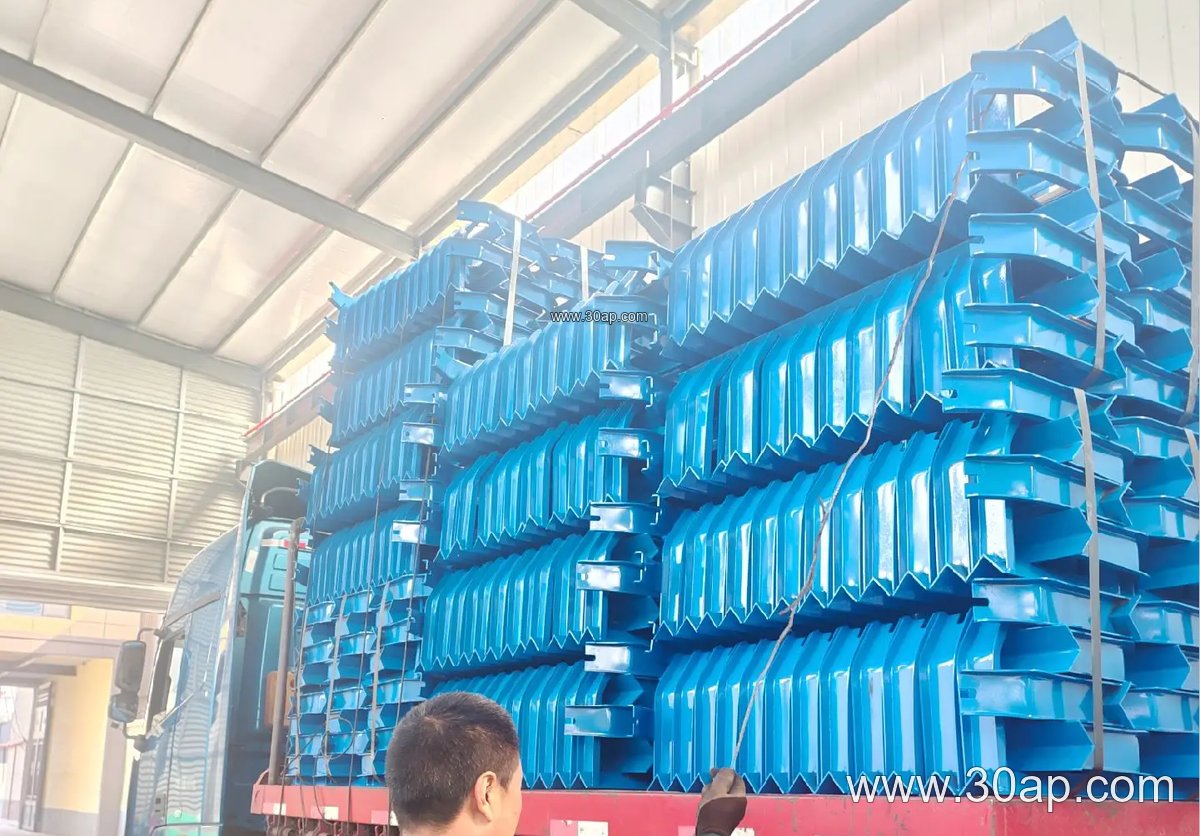
A comparison with the return side is useful. A lower flat bracket and a V-return bracket both support the empty belt, but the V shape helps center the belt and shed loose material. Neither can replace a carrying bracket, because the belt profile and load direction are different.
In a coal handling plant, flame retardant conveyor belt and anti-static conveyor belt are common, and the brackets near the transfer point often need extra stiffness. In a cement plant, dust buildup makes easy roller removal a practical requirement, so open bracket designs are often preferred.
Buyer Checklist
Before ordering, collect the belt width, trough angle, idler diameter, and frame hole pattern. Confirm the material and surface treatment, since a painted bracket and a galvanized bracket behave differently in wet or corrosive service. Ask whether the bracket is fixed or adjustable, and check that the roller seat matches the shaft end.
During operation, inspect brackets after any belt tracking adjustment. A bent bracket can imitate a worn roller, and replacing rollers without checking the support often repeats the same fault. For plants running steel cord conveyor belt or multi-ply fabric core conveyor belt, the bracket load path deserves a review whenever belt tension is increased.
At gypsumindustry.com, idler bracket enquiries are usually matched with conveyor idler roller and conveyor pulley data so the whole support line is checked together. A bracket that fits the frame and the roller is a small part, but it keeps the conveyor belt running true.