What a Five-Roll Idler Bracket Does
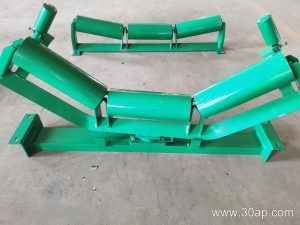
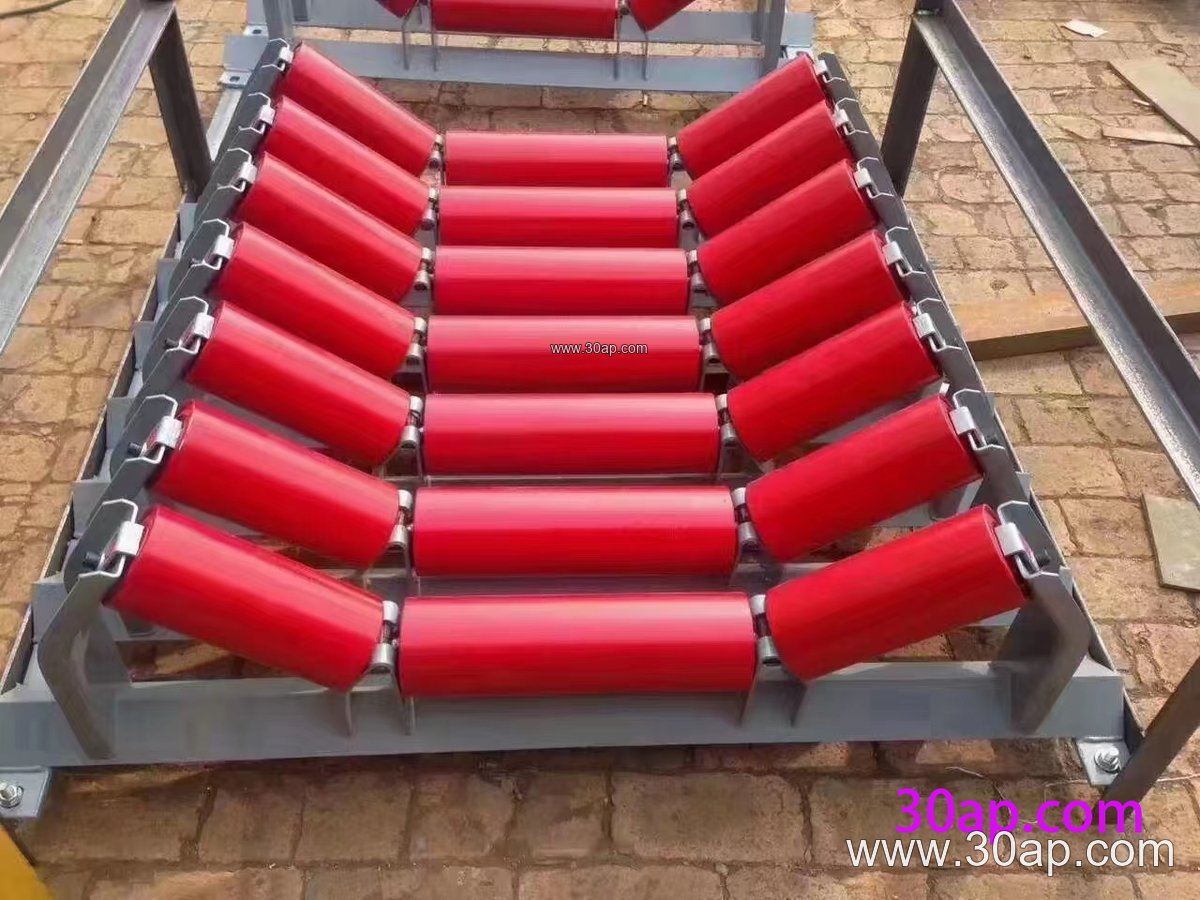
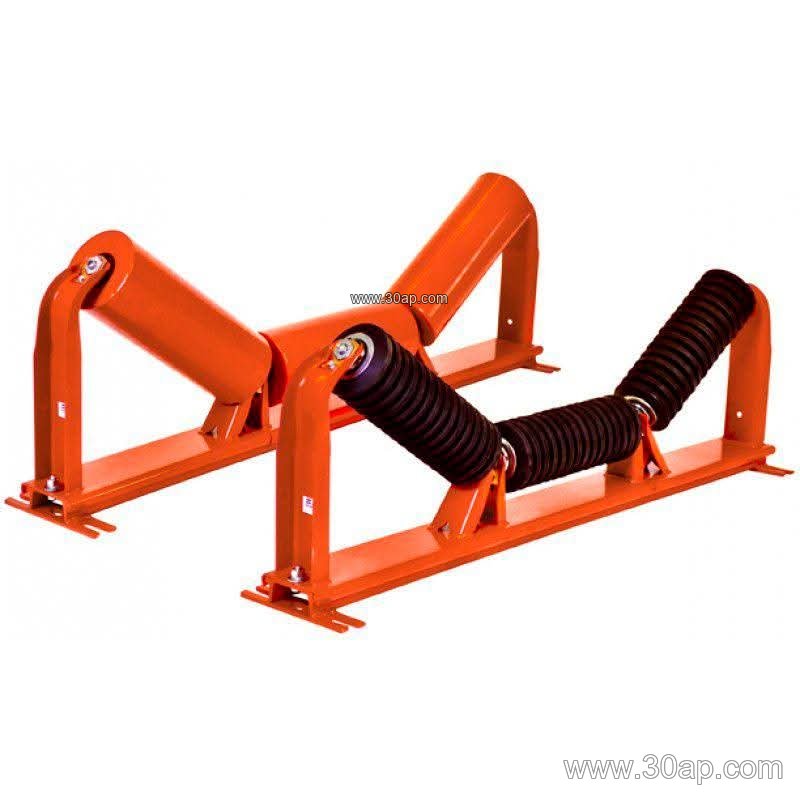
A five-roll idler bracket is a support frame that carries five idler rollers under the carrying side of a conveyor belt. Instead of the familiar three-roll trough set, it adds two extra rolls so the belt rests on a wider, more gradual curve. This spreads the weight of bulk material across more contact points, which helps on lines handling large lumps, high tonnage, or belts that need a deeper trough profile. In a quarry, a cement plant, or a power plant coal yard, the bracket is often the quiet component that decides how smoothly the whole conveyor pulley line runs.
The frame usually works together with a conveyor bracket system that positions each roll at a set angle. The result is a cradle-like profile that keeps material centred and reduces spillage at transfer points.
Construction and Mounting Position
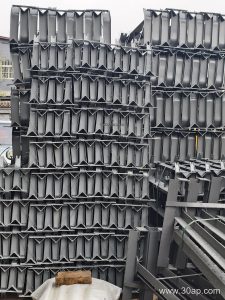
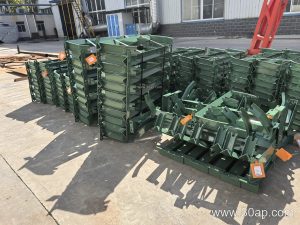
Most five-roll idler brackets are fabricated from angle steel, channel steel, or folded steel plate. The two outer rolls sit at the main trough angle, while the additional rolls create an intermediate transition zone. A typical build includes:
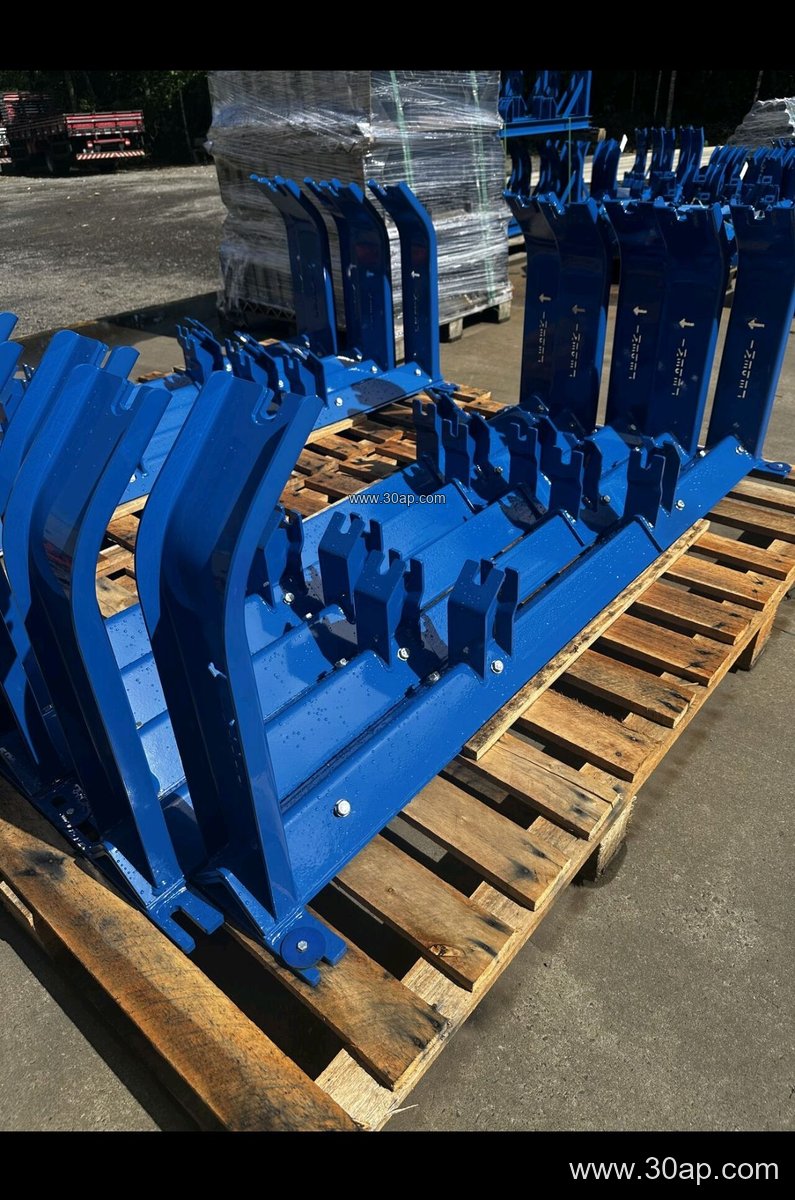
- A cross beam sized to the belt width
- Roller seats drilled or slotted for the chosen idler roller diameter
- Mounting feet that bolt to the conveyor stringer
- Optional shimming or adjustable seats for fine alignment
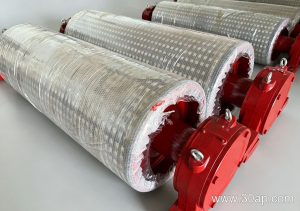
The bracket is installed on the carrying side, between the tail and head sections, and it should not be confused with a bend pulley, which changes belt direction rather than supporting the load. A conveyor pulley at the drive or tail end performs a completely different job, so the bracket belongs to the load-carrying run only.
Trough Angle and Roller Size Matching
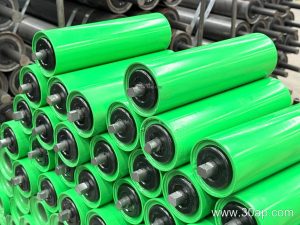
The five-roll layout lets designers choose a total trough angle that suits the material. Common trough angles are 20, 30, 35, and 45 degrees, and the five-roll arrangement is often used where a deep trough is wanted without over-stressing the belt at the outer edges. Roller diameters such as Ø89, Ø108, Ø133, Ø159, and Ø194 are matched to belt width and load. A few reference combinations are shown below; these are examples, not fixed rules.
| Belt Width | Typical Trough Angle | Example Roller Diameter |
|---|---|---|
| B650 | 30 degrees | Ø89 |
| B800 | 35 degrees | Ø108 |
| B1000 | 35 degrees | Ø133 |
| B1200 | 45 degrees | Ø133 |
| B1400 | 45 degrees | Ø159 |
| B1600 | 45 degrees | Ø159 or Ø194 |
Installation hole spacing and cross beam length change with belt width and trough angle, so they are confirmed per design rather than taken as a single standard figure. A bracket that suits a B800 line will not automatically suit a B1800 wide conveyor belt without new drawings.
Where It Fits in the Conveyor System
Five-roll brackets are common in limestone mines, iron ore handling, washing plants, and crushing and screening circuits. They also appear in cement plant clinker lines and in power plant coal conveying where the belt carries a heavy, abrasive load. On a long overland route, the extra rolls reduce the point load on each idler roller, which can extend roller bearing life. The bracket pairs naturally with an abrasion resistant conveyor belt or a heavy-duty mining conveyor belt, and on inclined sections it may sit near a chevron conveyor belt or a corrugated sidewall conveyor belt where material containment matters.
Buyer Checklist
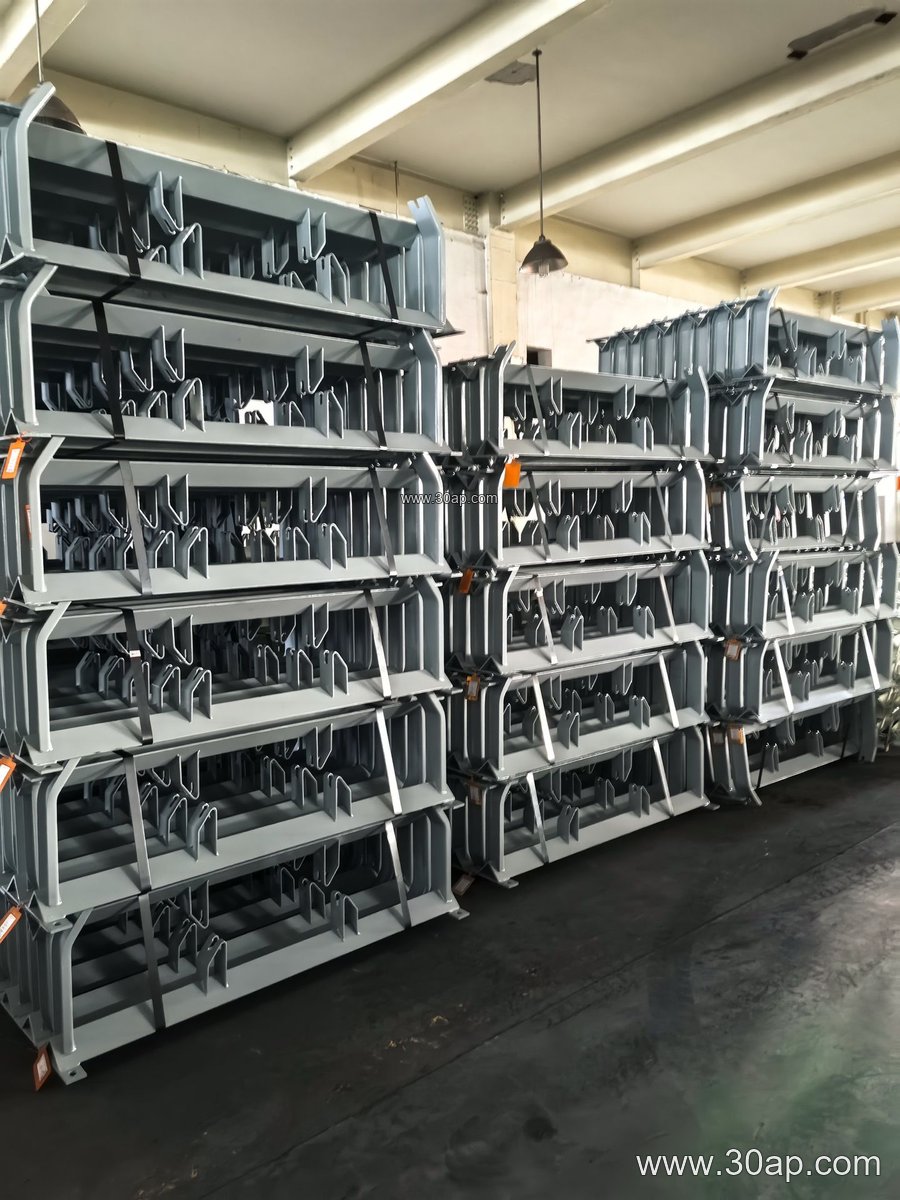
Before ordering, confirm the belt width, the required trough angle, the roller diameter, and the stringer bolt pattern. Ask whether the frame is fixed or adjustable, since an adjustable version can be set between common trough angles during commissioning. Check the steel thickness and the finish, and confirm whether the bracket is designed for a standard three-roll conversion or a dedicated five-roll set. Buyers working with steel cord conveyor belt or high strength conveyor belt often need a stiffer frame, so the load rating should be stated clearly. Finally, keep spare brackets and idler rollers on site so a damaged unit does not stop the line.
For matching conveyor components, visit www.example.com/conveyor-bracket and www.example.com/idler-roller to review bracket and roller options together.