What an Integral Pulley Is
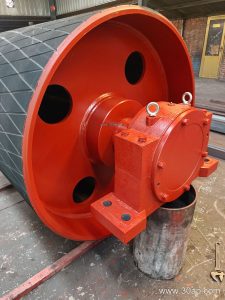
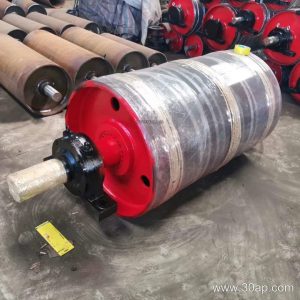
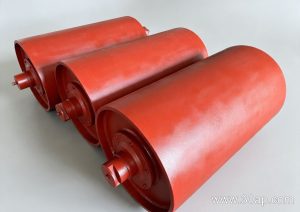
An integral pulley is a conveyor pulley whose shell, end discs, and hub assembly are constructed as one continuous welded unit rather than a shell slipped over a separate shaft with keyed hubs. In many conveyor lines this component is simply called a conveyor pulley, and the integral build is what distinguishes it from pulleys assembled from bolted or shrink-fitted parts. Because the shell and discs share a single welded structure, the load path from the belt to the shaft is shorter and more direct, which helps in demanding duty such as a quarry conveyor belt line or a power plant coal handling circuit.
Buyers often meet this product on the drive side of a belt conveyor, but the same integral construction is used for tail, bend, and take-up positions. It should not be confused with a drive pulley, tail pulley, or bend pulley as a category; those names describe the pulley’s position and function, while integral refers to how the body is built.
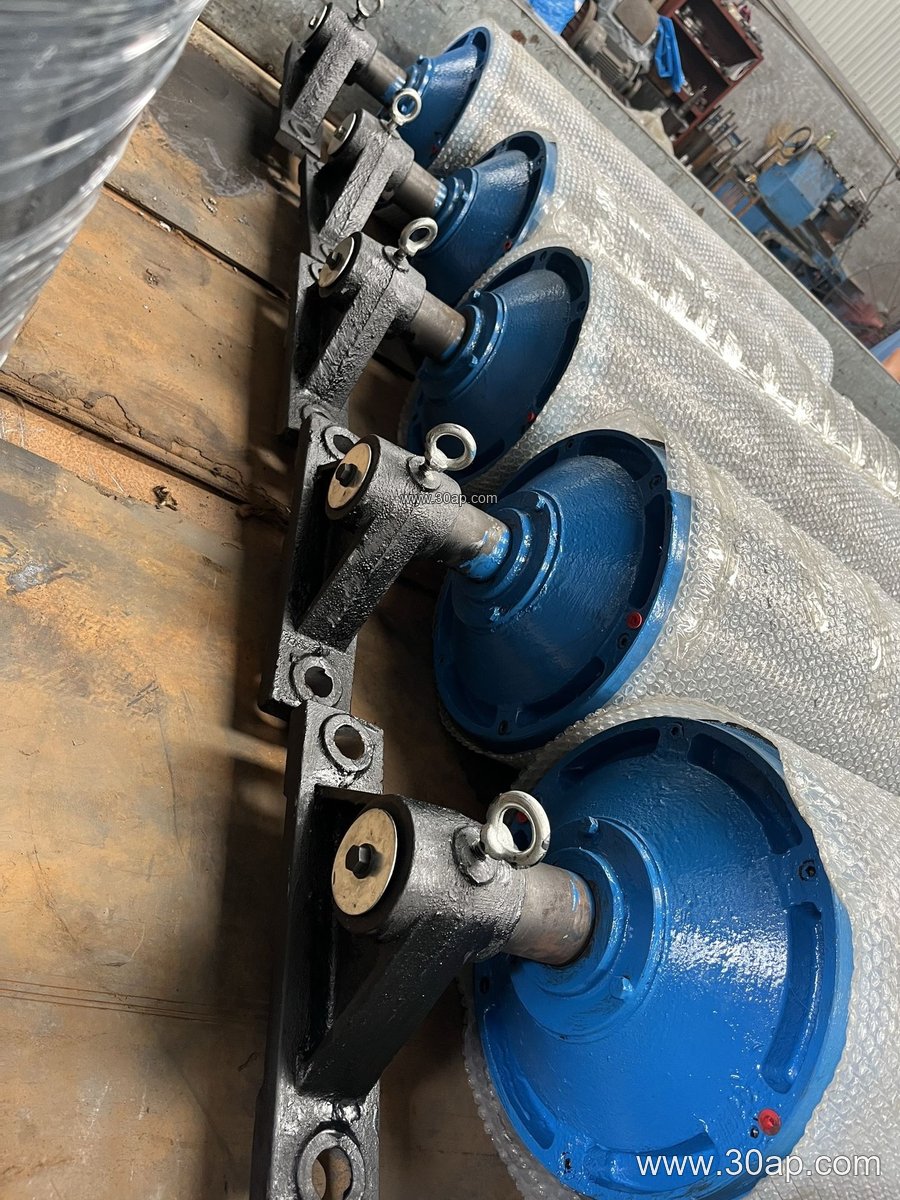
How the Body Is Built
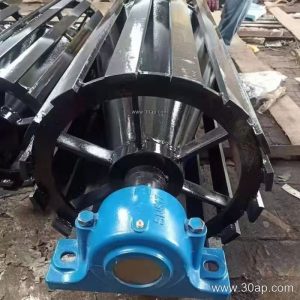
The typical integral pulley starts with a rolled steel shell, to which end discs are welded. The shaft passes through the discs and is welded or fitted into hub sections that are part of the same assembly. After welding, the unit is machined so the shell runs true and the shaft ends align with the bearing centers. This is why runout and balance matter more than the raw steel thickness alone.
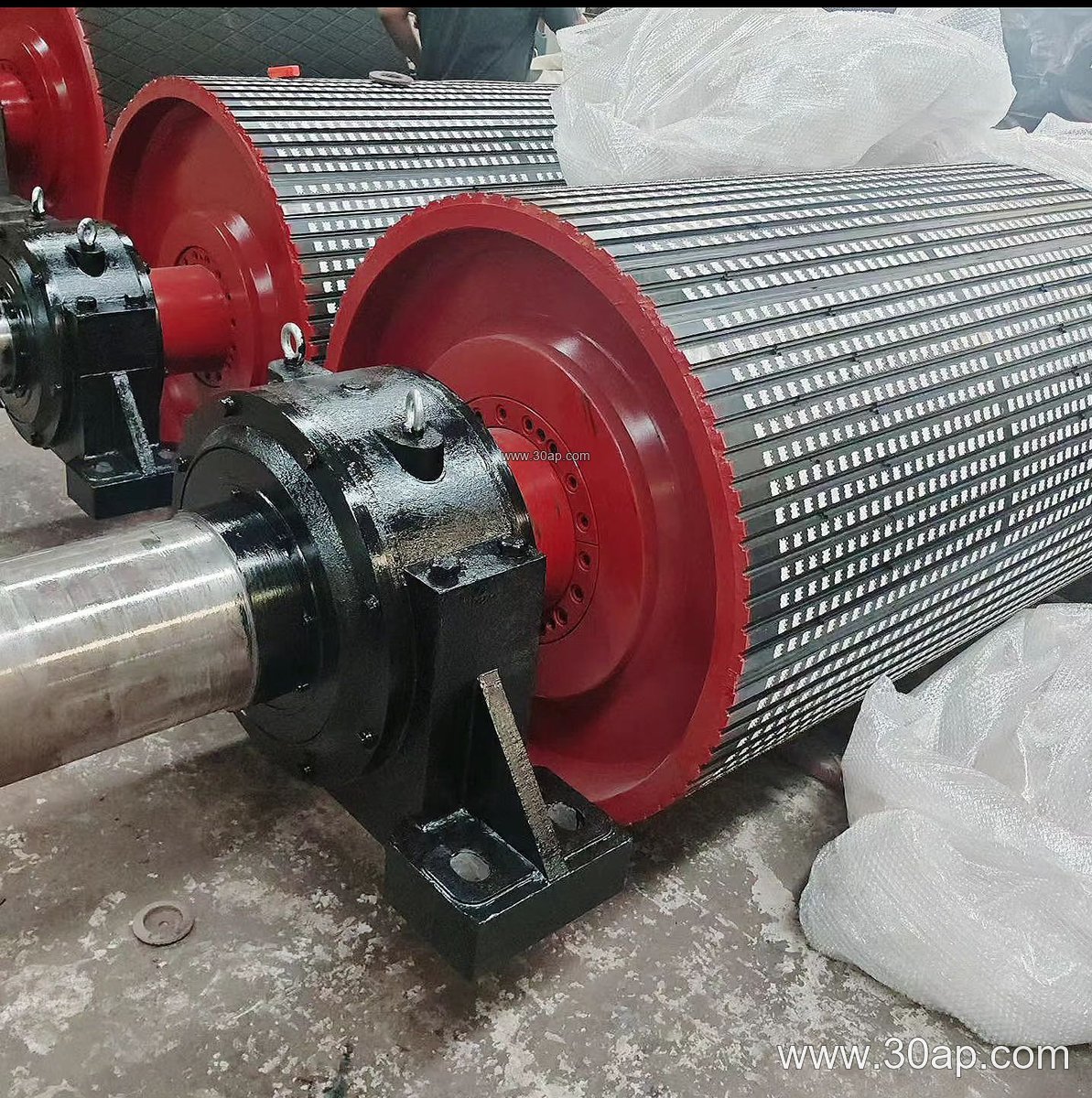
Surface treatment is chosen for grip and wear. Plain finish suits light duty and cleaning-friendly lines, while rubber lagging in diamond or herringbone patterns improves traction on wet or dusty belts. Ceramic lagging is used where abrasion is severe. Common lagging thicknesses are 8, 10, 12, 15, and 20 mm, and the choice should follow the belt tension and the material being carried rather than a single default.
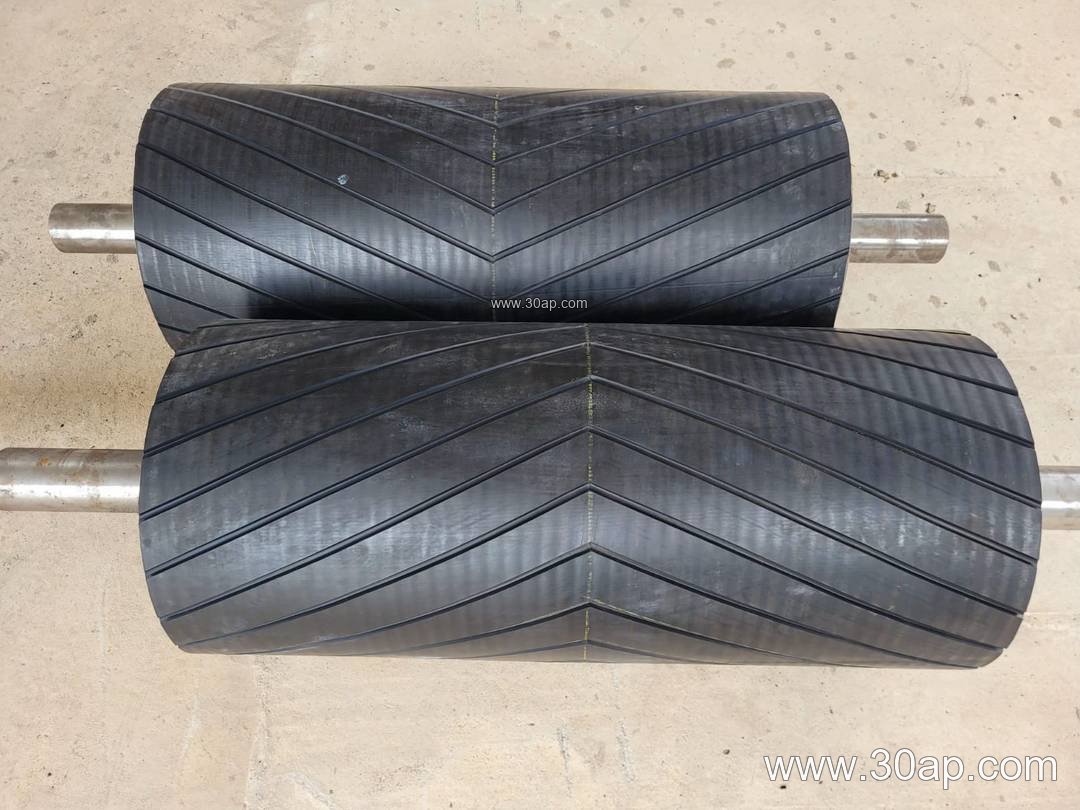
- Shell and end discs welded into one body
- Shaft integrated with the hub structure
- Machined running surface and balanced assembly
- Optional lagging for grip and wear protection
Where It Fits on the Line
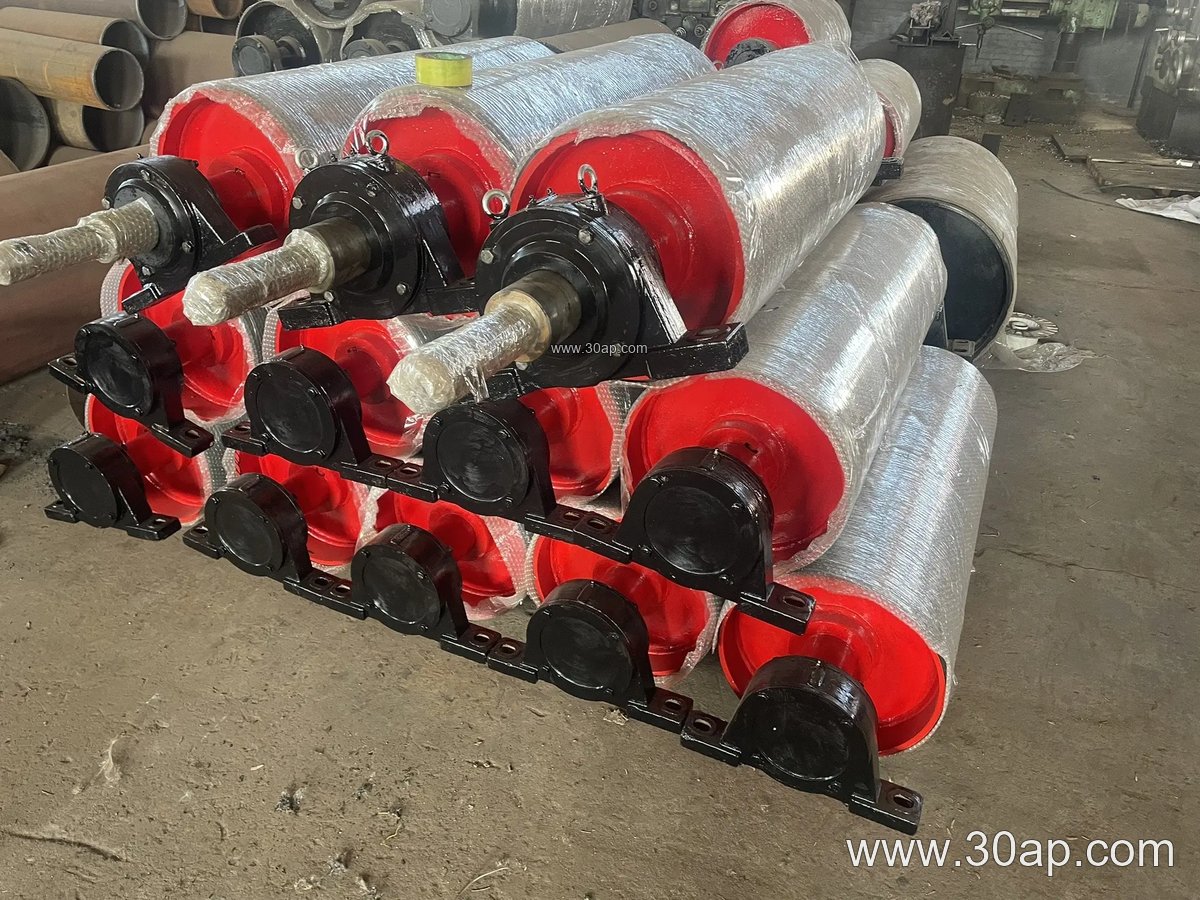
In a limestone mine or aggregate plant, the integral pulley is often the head or drive unit that pulls an abrasion resistant conveyor belt through the crushing and screening circuit. In a cement plant it may serve on clinker or raw material belts, where dust and heat demand a robust shell. At a port bulk terminal, a large diameter integral pulley can handle a wide belt carrying ore or grain. The same product also appears as a bend or take-up pulley where space is tight and a compact welded body is easier to install.
Position matters for selection. A drive pulley needs enough lagging friction and shell strength for the starting torque. A tail pulley must shed material and resist impact. A bend pulley mainly changes belt direction and carries lower tension. These are different duties, so the integral build should be specified with the position in mind, together with the conveyor bracket and bearing arrangement.
Common Sizes and Reference Data
The table below gives typical reference combinations. These are common examples, not fixed rules, and final dimensions are set by the conveyor design.
| Belt width | Typical shell face width | Example diameter |
|---|---|---|
| B500 | about 600 mm | Ø250 to Ø400 |
| B650 | about 750 mm | Ø315 to Ø500 |
| B800 | about 950 mm | Ø400 to Ø630 |
| B1000 | about 1150 mm | Ø500 to Ø800 |
| B1200 | about 1400 mm | Ø630 to Ø1000 |
| B1400 | about 1600 mm | Ø800 to Ø1250 |
| B1600 | about 1800 mm | Ø1000 to Ø1400 |
Shaft diameter is determined by torque and load, not by belt width alone. A B1200 pulley may use a Ø120 shaft in one design and a larger shaft in another, depending on the drive and the belt tension. Shell face width is normally a little wider than the belt so the belt tracks safely.
Buyer Checklist
Before ordering, confirm the belt width, the working tension, the pulley position, and the ambient conditions. Ask whether the belt is an EP conveyor belt, a steel cord conveyor belt, or a flame retardant conveyor belt for underground coal mining, because tension and safety requirements change the shell and shaft sizing. Check the lagging type and thickness, the bearing style, and the mounting interface with the conveyor bracket. For a food grade or heat resistant conveyor belt line, confirm that the lagging and finish suit the environment.
Also review maintenance access. A welded integral body is strong, but it must still be inspectable for cracks at the disc-to-shell weld. Keep the pulley and the adjacent idler roller and conveyor belt clean, and check lagging wear at each shutdown. For more on matching pulleys with belts and rollers, see conveyor pulley and conveyor belt guidance.
Installation and Care
Align the pulley with the belt centerline and check that the shaft is level across the frame. Poor alignment loads one bearing and shortens lagging life. After the first days of running, recheck bolts and bearing temperature. In a coal mine or a dusty sand plant, schedule cleaning so fines do not pack between the belt and the shell. With correct selection and routine checks, an integral pulley gives long service on both heavy-duty mining conveyor belts and lighter bulk material conveyor belts.