What a Conveyor Loading Point Impact Idler Does
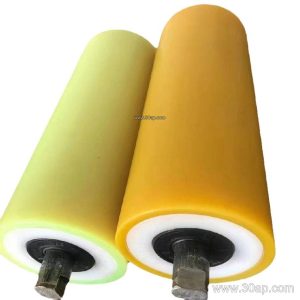
At the transfer point where material drops onto the belt, the conveyor loading point impact idler absorbs the force of falling rock, ore, or aggregate. Unlike a standard carrying idler, this impact idler is fitted with rubber rings or a rubber-covered shell that cushions the belt and prevents damage to the carcass. In a quarry conveyor belt line or a coal mining conveyor belt system, the impact bed sits directly under the chute, protecting the belt from punctures and edge tears.
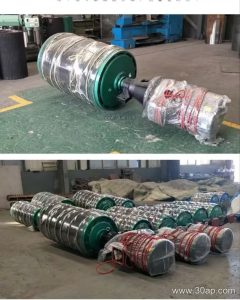
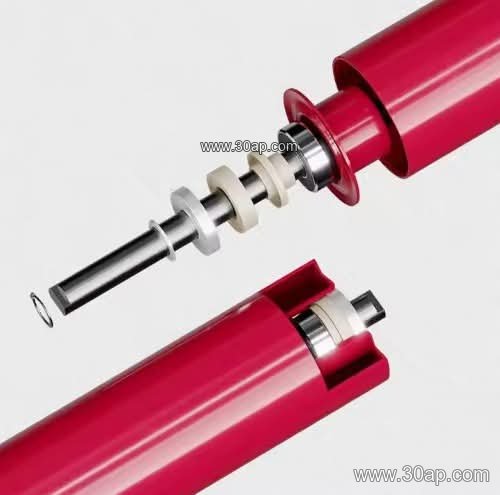
The impact idler roller is mounted on a sturdy conveyor bracket and shares the same frame as the troughing set. While a drive pulley or tail pulley handles tension and motion, the impact idler is purely a support component. It is not a replacement for a bend pulley or any other pulley type; each has a distinct role in the conveyor pulley assembly.
Construction and Key Components
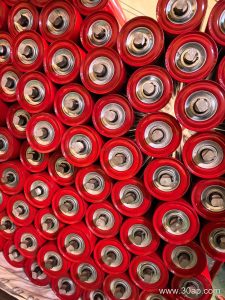
A typical impact idler uses a heavy-gauge steel tube with molded rubber rings, or a solid rubber disc surface. The rubber rings are spaced to allow material fines to fall through, reducing build-up. Bearings are usually selected from common sizes such as 6205, 6305, or 6308, depending on load and shaft design. The shaft is supported by sealed bearing housings that resist dust and water ingress.
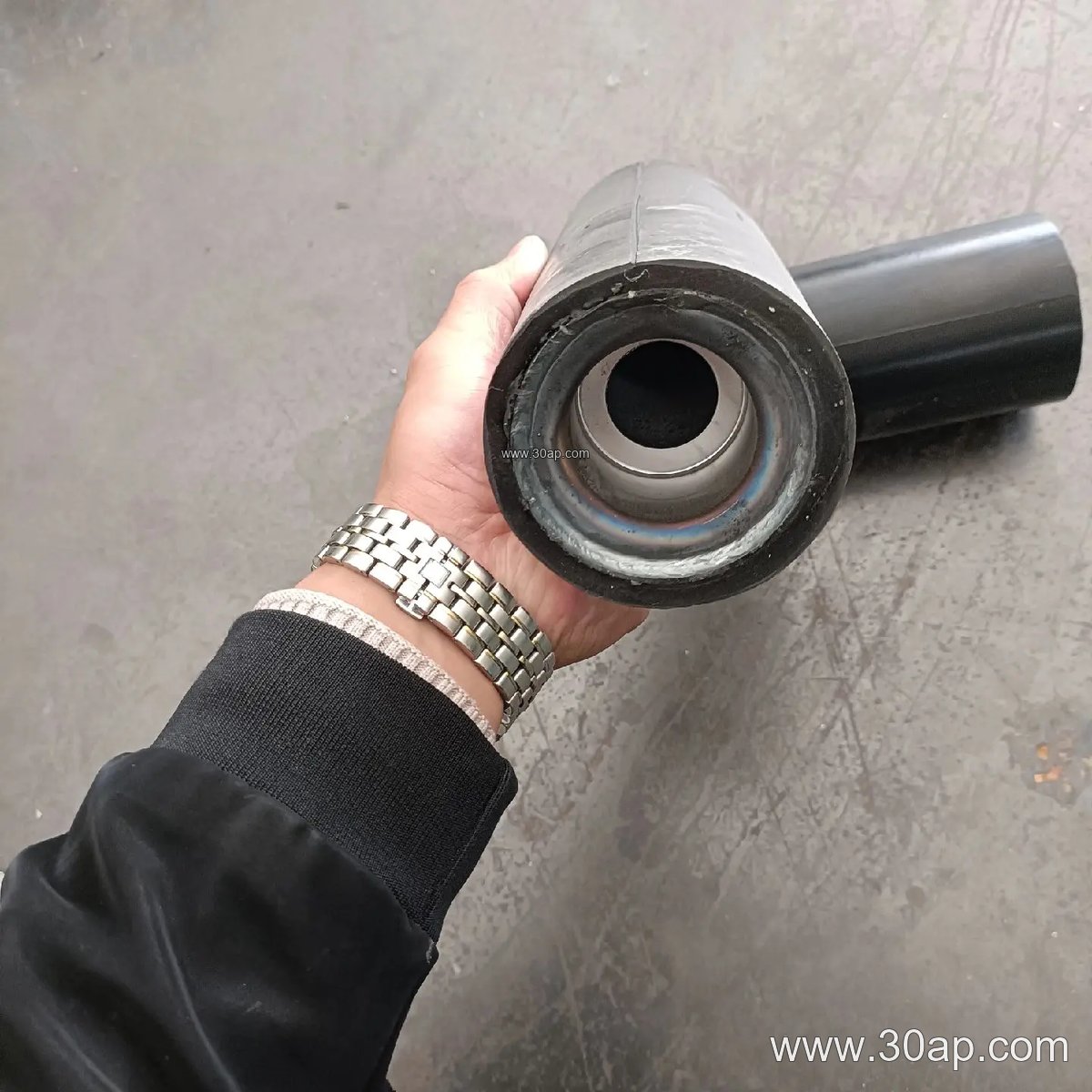
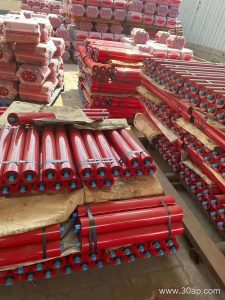
For a three-roll troughing arrangement, the center roll may be shorter than the side rolls, and the trough angle is often 35 degrees or 45 degrees to contain the load. Roller diameter choices include Ø102, Ø127, Ø133, Ø159, and Ø178 mm, with larger diameters offering more resistance to impact. Belt widths from B650 to B2000 are common in bulk material handling, but the exact roller length is determined by belt width, trough angle, and idler arrangement.
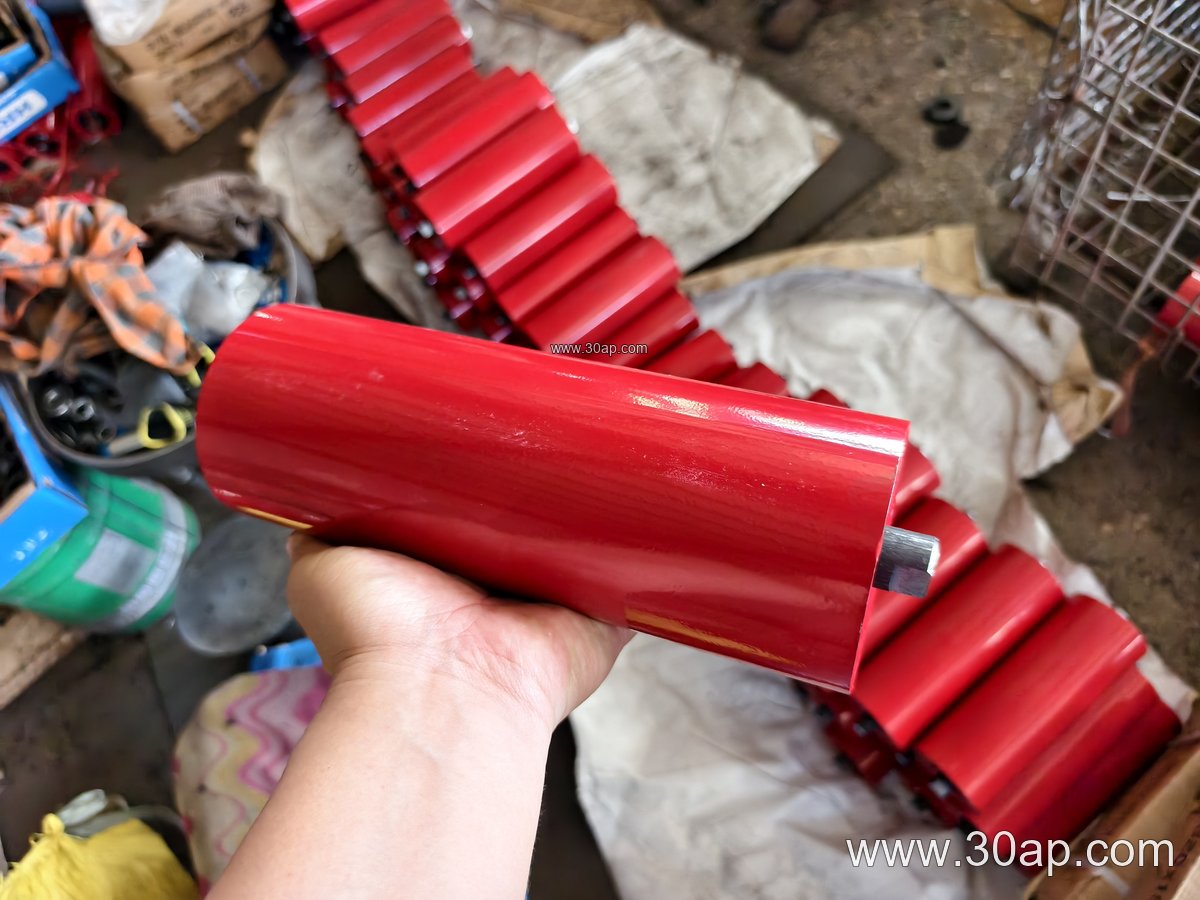
Where Impact Idlers Are Used
These idlers are essential in crushing and screening plants, cement plants, and power plant coal handling systems. In a sand and gravel line, the impact idler sits below the primary crusher discharge. In an iron ore or copper ore transfer station, it protects the conveyor belt from sharp lumps. Underground coal mining conveyor belt systems also rely on flame retardant conveyor belt and impact idlers to maintain safety and belt life.
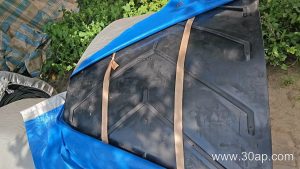
Other industries include steel plants, sinter plants, port ship loading, and tunneling spoil removal. The impact idler is often paired with a rubber conveyor belt or an EP conveyor belt, and in high-abrasion areas, an abrasion resistant conveyor belt is used. For coal mines, a fire resistant conveyor belt or anti-static conveyor belt may be specified alongside the impact idler.
Selection and Sizing Notes
Buyers should match the impact idler to the belt width and the maximum lump size. A common reference table for three-roll troughing idlers is shown below. These values are typical examples, not fixed rules; side and center roll lengths can vary.
| Belt Width | Typical Roller Length (mm) | Common Roller Diameter (mm) |
|---|---|---|
| B500 | 200 | Ø89, Ø102 |
| B650 | 250 | Ø102, Ø108 |
| B800 | 315 | Ø108, Ø127 |
| B1000 | 380 | Ø127, Ø133 |
| B1200 | 465 | Ø133, Ø159 |
| B1400 | 530 | Ø159, Ø178 |
| B1600 | 600 | Ø159, Ø178 |
| B1800 | 670 | Ø178, Ø194 |
| B2000 | 750 | Ø194, Ø219 |
For heavy-duty mining conveyor belt applications, a larger shaft and bearing size may be required. The impact idler should be installed with a slight forward tilt if the conveyor design calls for it, but the main goal is to support the belt without excessive friction. Always confirm the idler load rating with the conveyor designer.
Maintenance and Buyer Checklist
Regular inspection of the rubber rings for wear or chunking is important. Worn rings reduce cushioning and can expose the belt to impact damage. Check that the idler rotates freely and that the bearing seals are intact. In a dusty cement plant or a wet aggregate conveyor belt line, sealed bearings last longer.
When purchasing, specify the belt width, trough angle, roller diameter, and bearing size. Mention if the environment requires a heat resistant conveyor belt or oil resistant conveyor belt, as these may affect the idler selection. Also consider the conveyor bracket dimensions to ensure proper fit. A well-chosen impact idler protects the belt and reduces downtime in any bulk material handling operation.