What a Food Grade Conveyor Belt Is
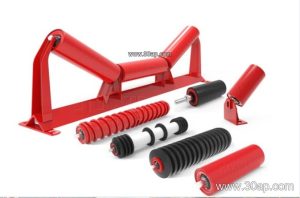
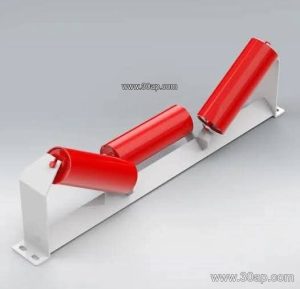
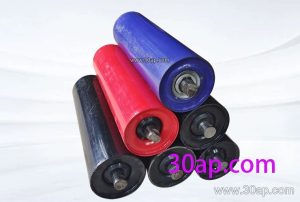
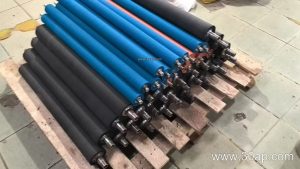
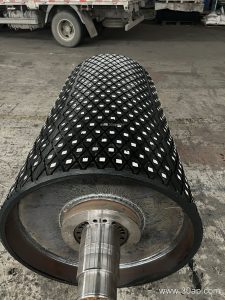
A food grade conveyor belt is a belt designed for conveying food, food ingredients, and food-contact packaging in hygienic processing environments. It is a general-purpose product family rather than a single compound: the belt may use a fabric core with a food-grade cover, or a synthetic carcass with a smooth, easily cleaned surface. Buyers often meet the same product under the name food-safe conveyor belt or hygienic conveyor belt, and these expressions refer to the same product category. Where the belt is used in a processing line, it usually runs over conveyor pulleys, idler rollers, and a conveyor bracket that together define the belt path and the cleaning access.
Construction and Surface Options
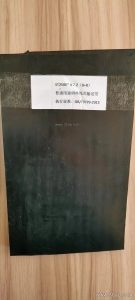
Most food grade belting is built from a fabric core — for example an EP Conveyor Belt carcass — covered on both faces with a food-contact grade rubber or polymer. The carcass provides tensile strength, while the cover provides a non-toxic, low-absorption surface that can be wiped, washed, or sprayed. Common constructions include two to four plies for general conveying, with cover gauges such as 3+1.5 mm or 4+2 mm for light to medium duty. Heavier lines may use a thicker top cover where product abrasion or frequent cleaning is expected.
Surface finish matters as much as compound. Smooth covers suit general dry goods, while lightly textured surfaces can help with small parts and inclined runs. Compared with a Corrugated Sidewall Conveyor Belt that is built for steep, contained transfer, a standard food grade belt is usually a flat, open belt for horizontal or gently inclined conveying. The food-safe requirement does not change the need for proper tracking, so the conveyor pulley alignment and the idler roller spacing still follow normal engineering practice.
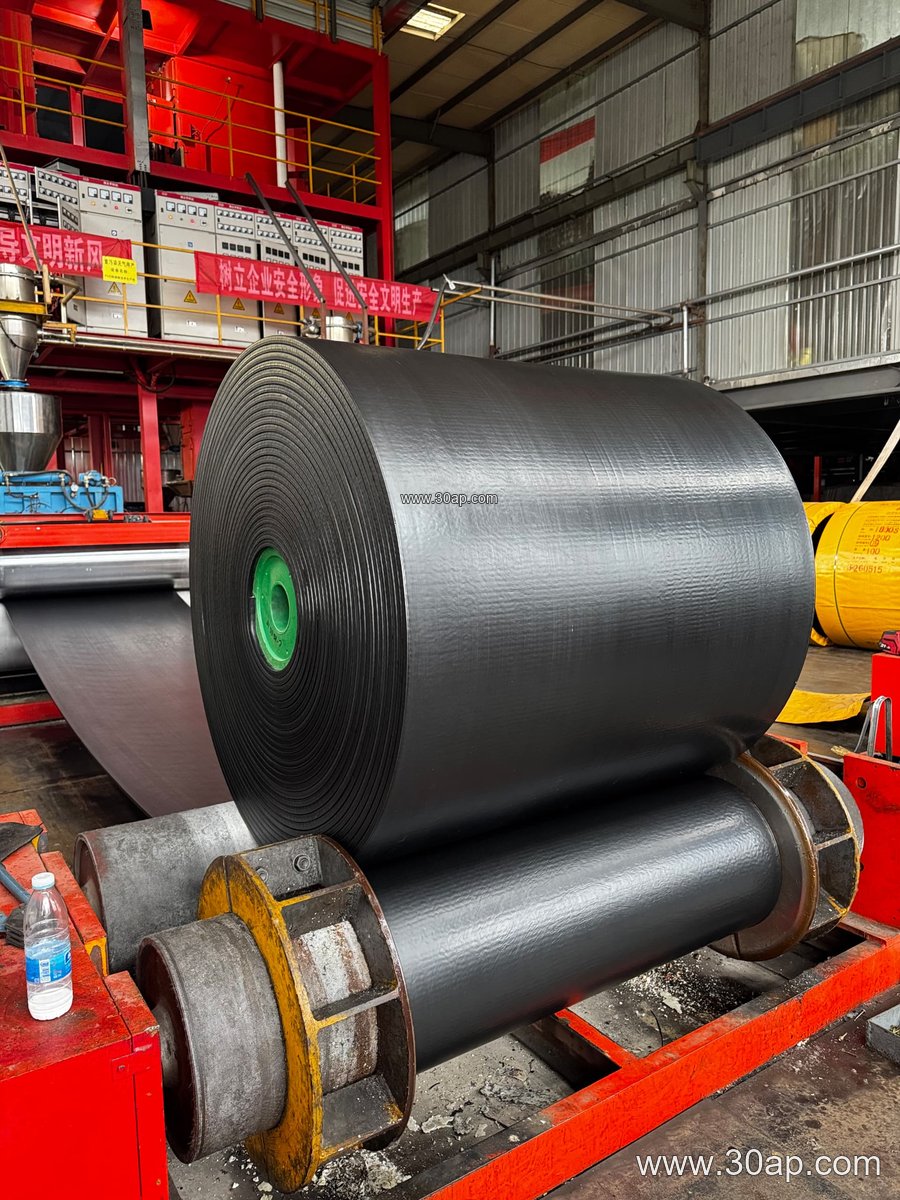
Typical Reference Data
The values below are reference examples only; actual specifications are confirmed by the belt manufacturer and the line design.
- Fabric core options: EP or NN carcass, 2 to 6 plies
- Common belt widths: B500, B650, B800, B1000, B1200, B1400
- Cover gauges: 3+1.5 mm, 4+2 mm, 5+2 mm, 6+2 mm
- Surface forms: smooth, lightly textured, anti-static where needed
- Typical strength grades: EP200 to EP1000, selected by load and length
No single belt width is tied to a single pulley diameter, and the shaft size is a function of the pulley design, not the belt width alone.
Where It Is Used
Food grade belting appears in bakeries, snack lines, confectionery plants, grain and flour handling, vegetable and fruit grading, dairy and beverage packaging, and meat and seafood processing where the belt does not directly contact raw product. It is also found in food-grade storage and transfer systems that feed packaging machines. In plants that also handle non-food bulk materials, a food-safe belt is kept separate from a Mining Conveyor Belt or a heavy Abrasion Resistant Conveyor Belt used on raw-material intake. The same hygienic logic applies in cement, power plant, and quarry operations when small food-contact or additive streams are handled on a dedicated line.
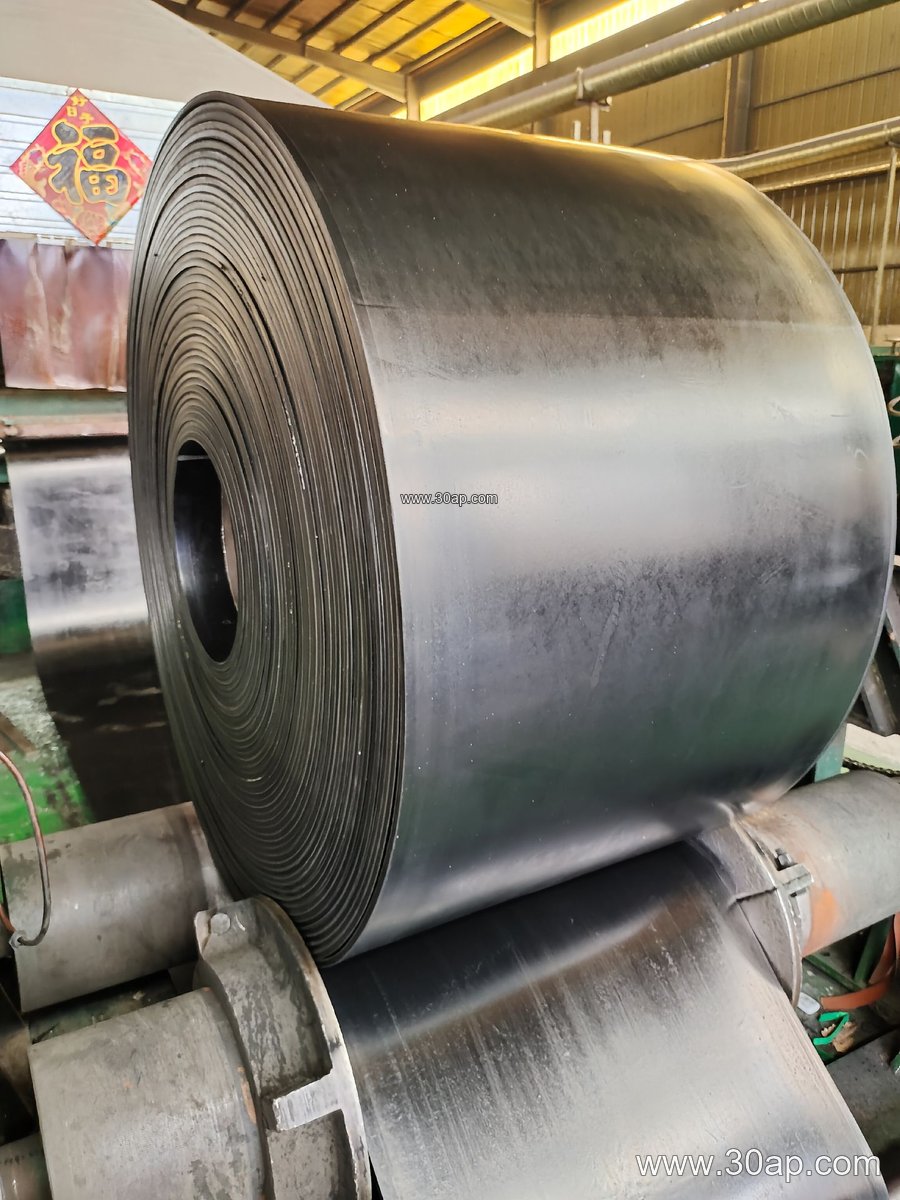
Selection Points for Buyers
Start with the product: particle size, temperature, moisture, oil or fat content, and whether the belt touches the food directly. A dry biscuit line and a chilled dough line need different cover behavior. Confirm the required tensile grade against the conveyor length and load; a short inspection conveyor and a long packaging feed conveyor rarely need the same carcass. Check the pulley and idler roller layout so the belt can be cleaned underneath and at the discharge.
- Confirm food-contact suitability with the belt supplier in writing.
- Match cover hardness and surface to cleaning method and product stickiness.
- Specify anti-static or flame-retardant behavior only where the plant requires it; do not assume it is standard.
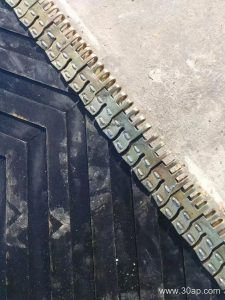
- Plan belt splicing: an Endless Conveyor Belt may suit a fixed line, while open belts suit lines that need replacement access.
- Keep spare belt, fasteners, and cleaning tools compatible with the installed conveyor pulley and idler roller set.
Installation and Maintenance Notes
Track the belt with the tail and bend pulleys before tensioning, and keep the conveyor bracket and frame free of product build-up. Clean the return side as well as the carry side; residue under the belt is a common hygiene problem. Inspect edges for fraying and covers for cuts, and replace damaged sections before they trap product. Store spare rolls flat, away from sunlight and oil, and record the belt grade and width so reordering is straightforward.
For related equipment and specification questions, see chinabeltconveyor.com Food Grade Conveyor Belt pages and the idler roller and conveyor pulley references on the same site.