What a Conveyor Belt Support Frame Does
A conveyor belt support frame is the structural backbone that holds idlers in the right position so the belt can carry material without sagging, drifting, or spilling. In a typical bulk handling line, the frame is bolted to the conveyor stringers and carries the idler roller sets that shape the belt into a trough on the carrying side and keep it flat or V-shaped on the return side. The frame itself does not move; its job is to keep geometry stable under load, vibration, and the constant pull of a tensioned belt. Sites such as a limestone quarry, a cement plant, or a power plant coal yard all depend on this quiet component more than operators usually notice.
How the Frame Is Built
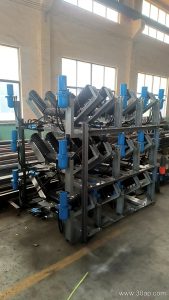
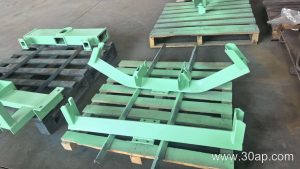
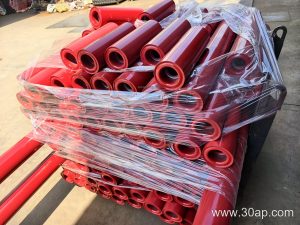
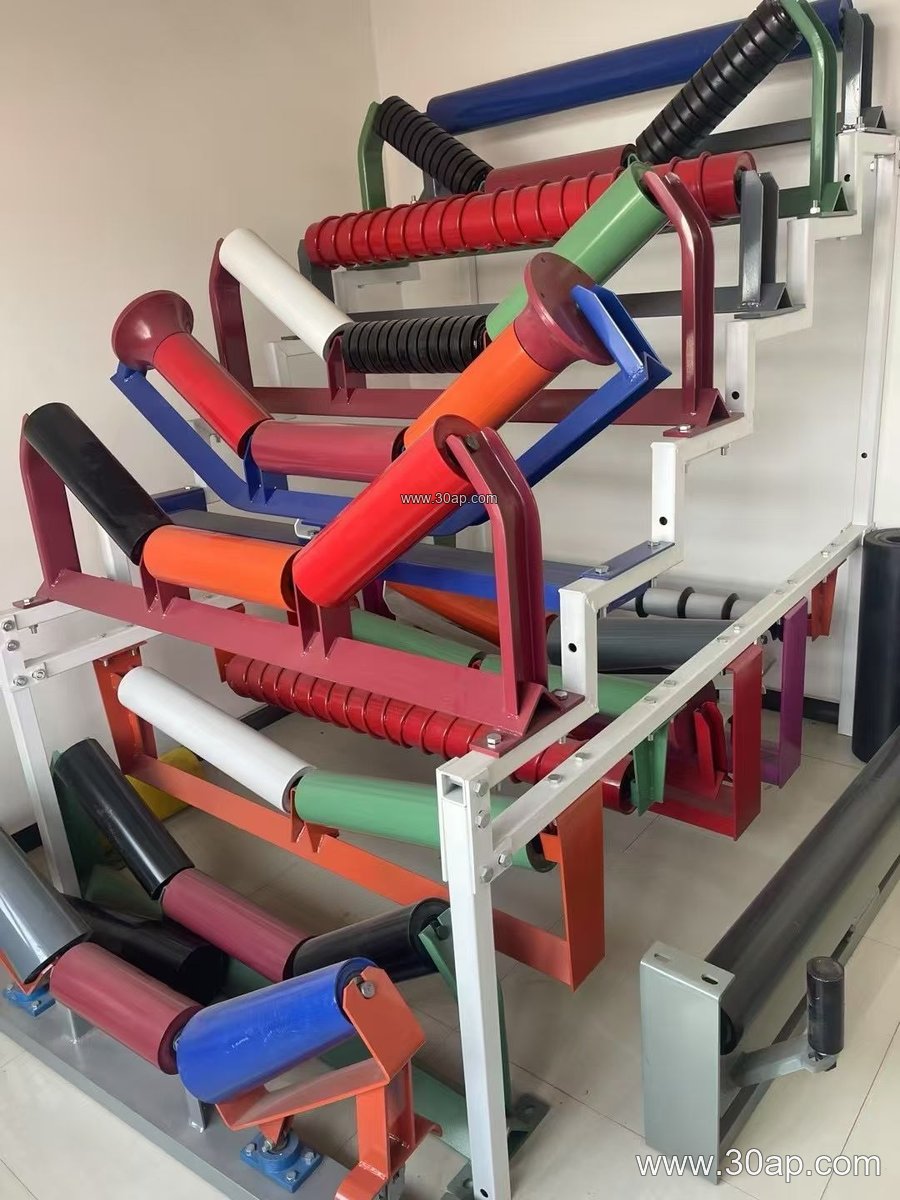
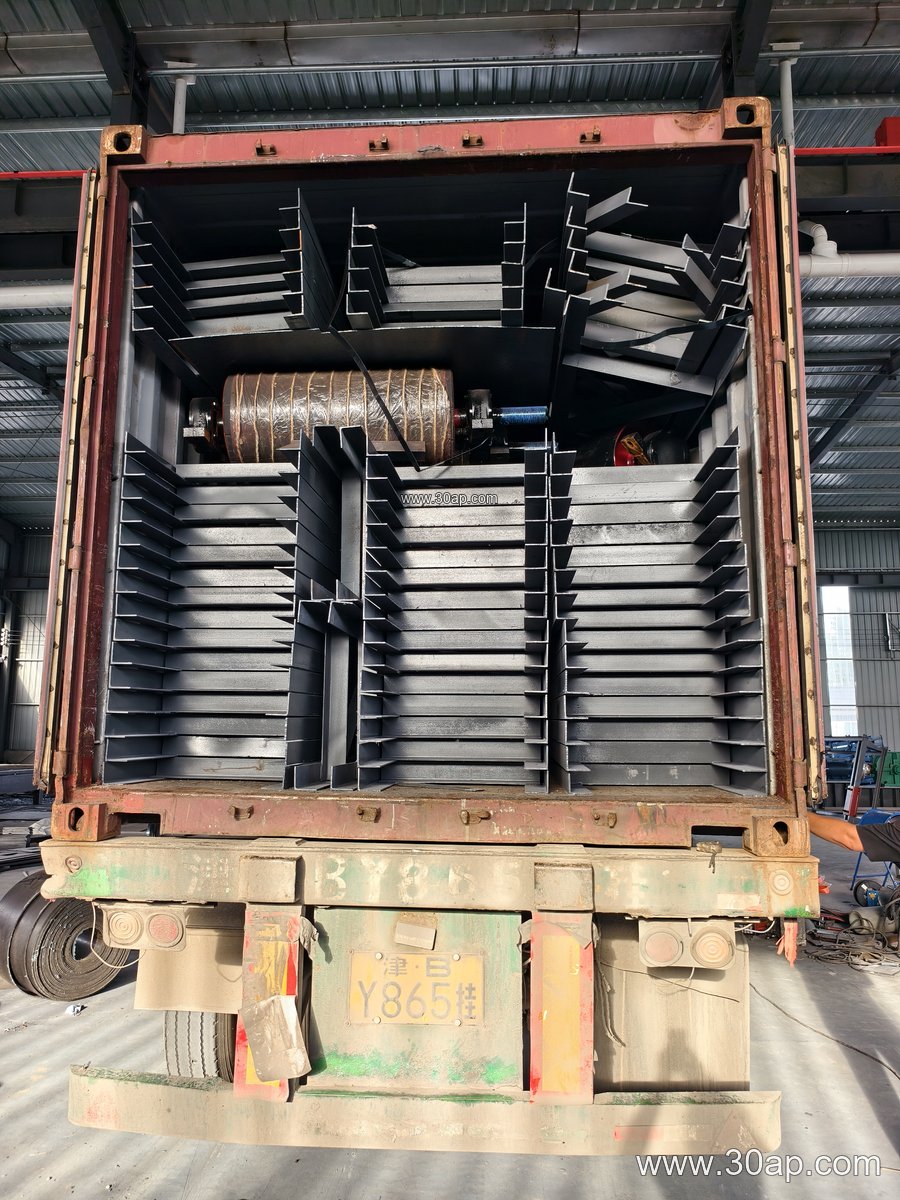
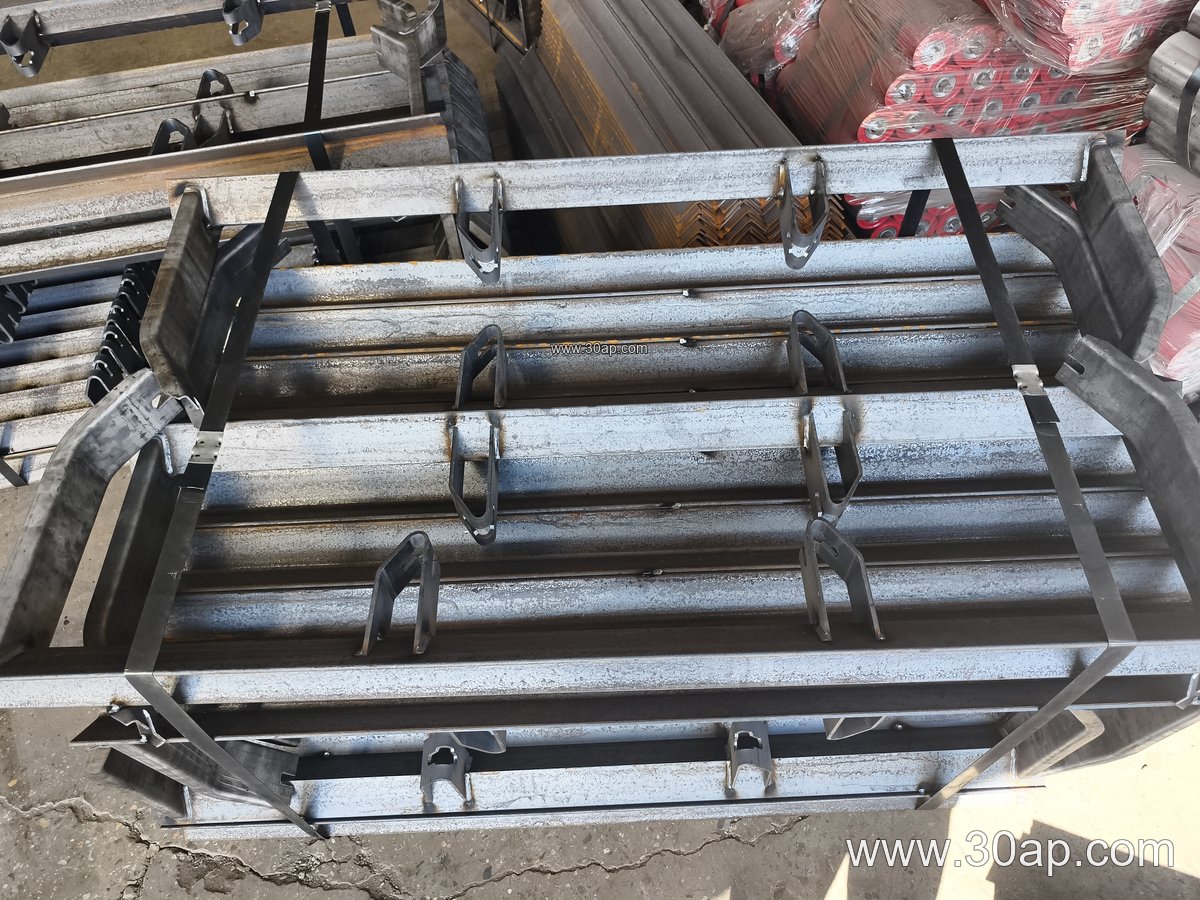
Most frames are fabricated from angle steel, channel steel, or folded steel plate. The crossbeam length and mounting hole spacing follow the belt width, trough angle, and idler diameter, so they are set by design rather than by a single standard number. A frame may be fixed or adjustable, and the adjustable version lets crews set the trough angle across a range instead of locking in one geometry.
- Upper troughing frame carrying three idlers at 20, 30, 35, or 45 degrees
- Transition frame easing the belt from flat to troughed profile near pulleys
- Return frame with flat or V-shaped idlers under the empty strand
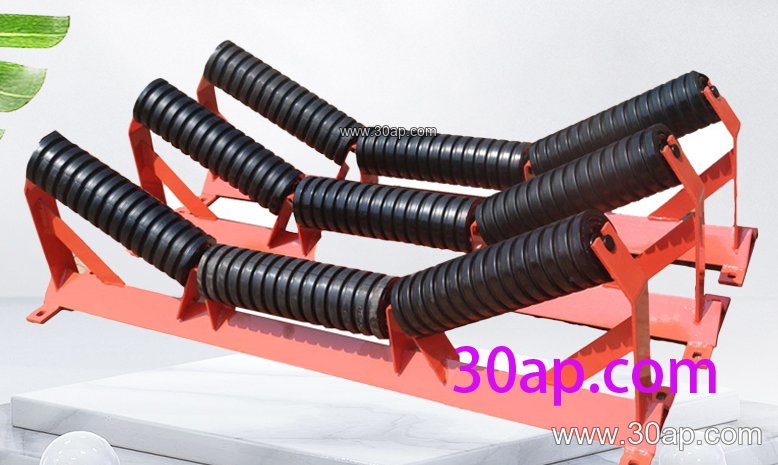
- Impact frame with cushioning idlers below the loading point
- Self-aligning frame with forward-tilted or spiral idlers to correct belt drift
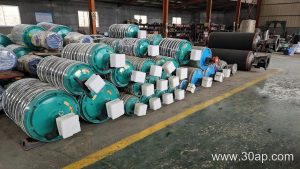
A common example is a B800 frame at 35 degrees with Ø108 idlers; a wider B1200 line might run 45 degrees with Ø133 rollers. These are reference combinations, not fixed rules, and a B650 frame at 30 degrees with Ø89 idlers is equally normal in lighter service. The same structure often cooperates with a conveyor bracket at the stringer connection, and the idler roller fit must match the frame slot before delivery.
Where These Frames Are Used
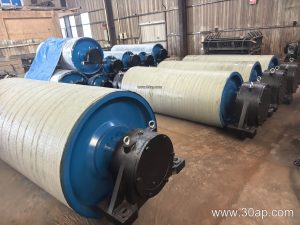
You will find conveyor belt support frames on overland and in-plant conveyors in sand and gravel lines, crushing and screening circuits, iron ore handling, sinter plants, fertilizer granulation, and grain silos. In a coal preparation plant or an underground coal mining conveyor, flame retardant conveyor belt and anti-static conveyor belt are common, and the frame must hold alignment through long runs and tight transfer points. A quarry conveyor belt or aggregate conveyor belt line typically uses heavy troughing frames at the loading zone, while a port conveyor belt handling bulk material may use wide frames up to B2200 for high tonnage.
Matching Frame, Idler, and Belt
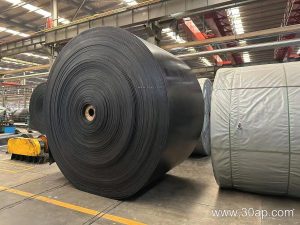
Selection starts with belt width, because the frame crossbeam must span the belt and position the wing idlers correctly. Trough angle then follows material characteristics: fine, free-flowing cargo usually suits 20 to 30 degrees, while lumpy rock and ore often call for 35 to 45 degrees to keep the load centered. Idler diameter should support the belt and load without excessive sag, and it is chosen with belt tension, speed, and lump size in mind rather than from belt width alone. A steel cord conveyor belt or high strength conveyor belt running at high tension may need stiffer frames and larger rollers than a fabric core conveyor belt on the same width. Heat resistant conveyor belt in a cement kiln area and oil resistant conveyor belt in recycling plants also influence idler bearing selection and frame spacing.
Buyer Checklist
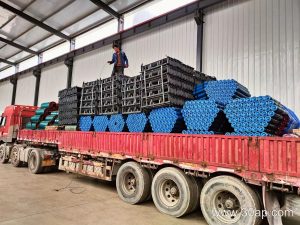
Before ordering, confirm the belt width, trough angle range, idler diameter, mounting hole pattern, and whether the run needs fixed or adjustable frames. Ask for the frame drawing with crossbeam length and hole spacing, since these change with width and angle. Check the paint or galvanizing for the site environment, and confirm that the frame profile clears the belt edge during startup and shutdown. For a mining conveyor belt or a heavy-duty mining conveyor belt installation, specify impact frames at transfer points and self-aligning frames on long straight sections. Discuss spare parts with the supplier so replacement idler rollers and brackets match the original frame. A consistent frame standard across a plant reduces maintenance confusion, especially where EP conveyor belt, NN conveyor belt, and rubber conveyor belt lines share the same gallery.