What the Product Is
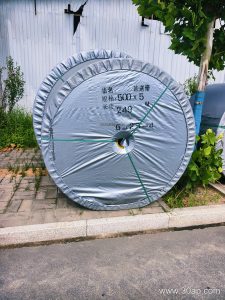
A Mining Flame Retardant Conveyor Belt is a heavy-duty rubber belt engineered to carry coal, ore, aggregate and other bulk materials while resisting ignition and limiting flame spread. It is the same product often specified as a flame retardant conveyor belt or a fire resistant conveyor belt for underground and surface mining duty. The key difference from a standard rubber conveyor belt is the compound: the cover and skim rubber are formulated so the belt will not readily sustain combustion, which matters most in coal mining, tunnels and enclosed transfer houses.
It is not a substitute for a heat resistant conveyor belt. Where the load itself is hot clinker or sinter, a Heat Resistant Conveyor Belt is the correct choice. Flame retardancy addresses ignition risk, not thermal ageing.
Construction and Core Options
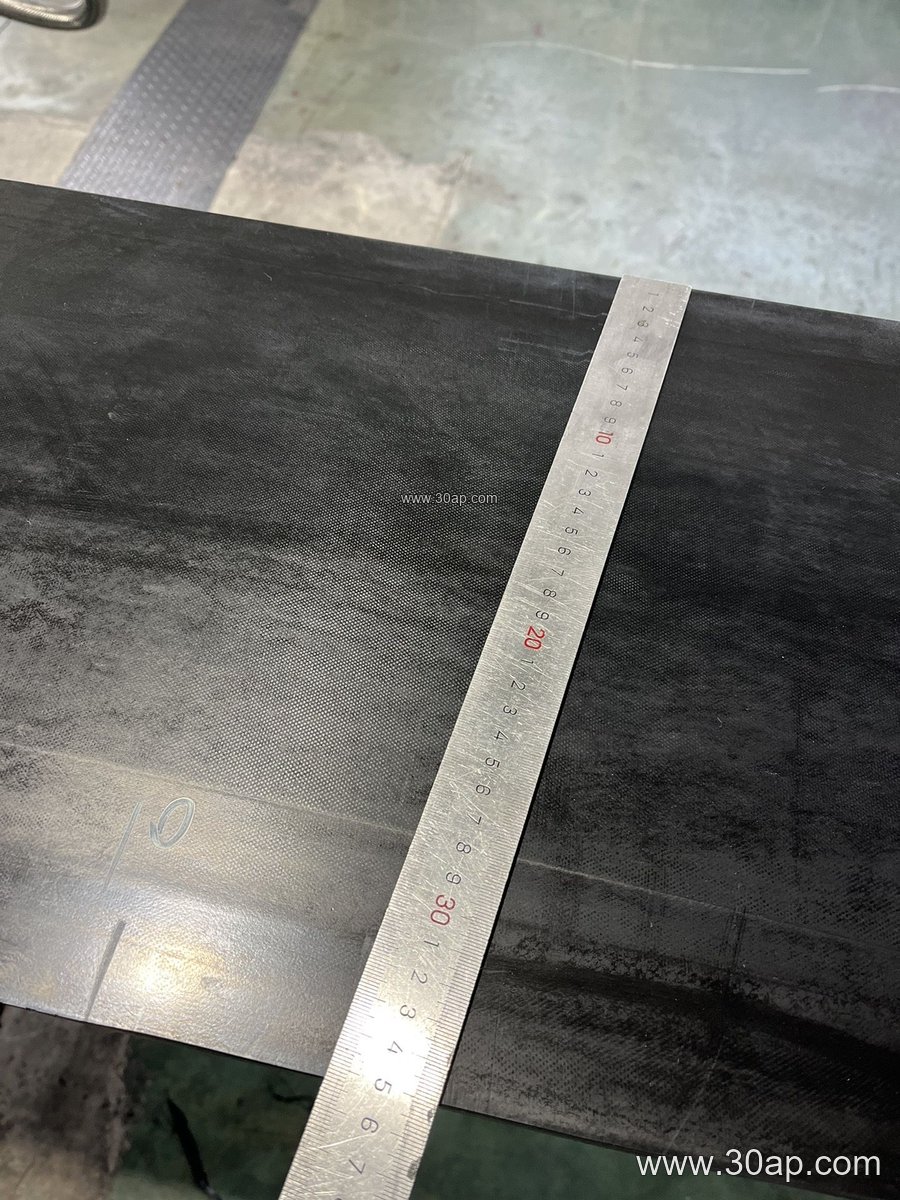
The belt is built from a fabric or steel carcass covered with flame retardant rubber on both faces. Buyers usually choose between an EP Conveyor Belt (polyester warp, nylon weft) and an NN Conveyor Belt (nylon warp and weft). Both are Fabric Core Conveyor Belt designs. For long lifts and high tension, a Steel Cord Conveyor Belt is used instead.
- Fabric carcass: typically 2 to 6 plies in a Multi-Ply Fabric Core Conveyor Belt, giving good troughability and impact absorption.
- Steel cord carcass: fewer splices, higher tensile strength, better for main trunk lines.
- Solid woven PVC or PVG belts are common underground; PVG combines fabric with PVC and rubber covers.
- Edge protection and skim layers are designed to reduce water ingress and ply separation.
Typical Strength and Width Reference
The table below shows common reference values. Actual ratings depend on the manufacturer and the belt design; treat them as orientation, not a fixed catalogue promise.
| Item | Common reference values |
|---|---|
| Fabric strengths | EP200, EP315, EP400, EP500, EP630, EP800, EP1000, EP1250, EP1600 |
| Steel cord strengths | ST1000, ST1250, ST1600, ST2000, ST2500, ST3150 |
| Belt widths | B500, B650, B800, B1000, B1200, B1400, B1600, B1800, B2000 |
| Cover thickness | 3+1.5, 4+2, 5+2, 6+2, 8+3 mm |
| Carcass plies | 2 to 6 layers, or steel cord |
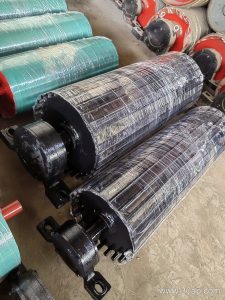
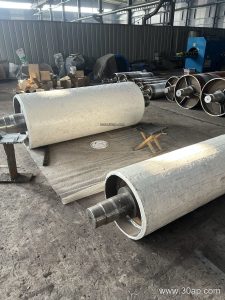
Belt width is matched to the conveyor frame and the load profile; it does not fix the pulley diameter on its own. Drive, tail and bend pulleys are separate components and are sized from the belt tension, wrap angle and shaft load, not from width alone.
Where It Is Used
The belt appears across coal mining, cement plants, power plants, quarries and sand making plants. Typical duties include:
- Coal mining conveyor belt on development and main haulage drifts.
- Underground coal mining conveyor belt where ignition risk is highest.
- Cement conveyor belt feeding crushers and raw mills.
- Quarry conveyor belt and aggregate conveyor belt on stockpile and transfer lines.
- Power plant conveyor belt handling coal from the yard to the bunker.
- Iron ore conveyor belt and copper ore conveyor belt in mineral processing.
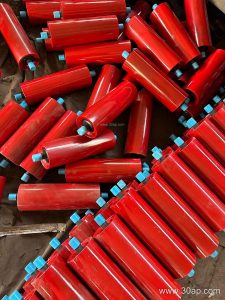
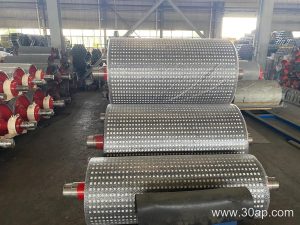
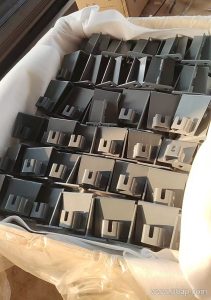
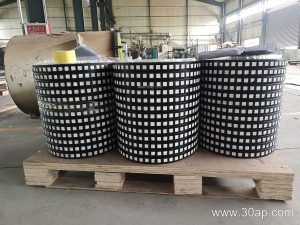
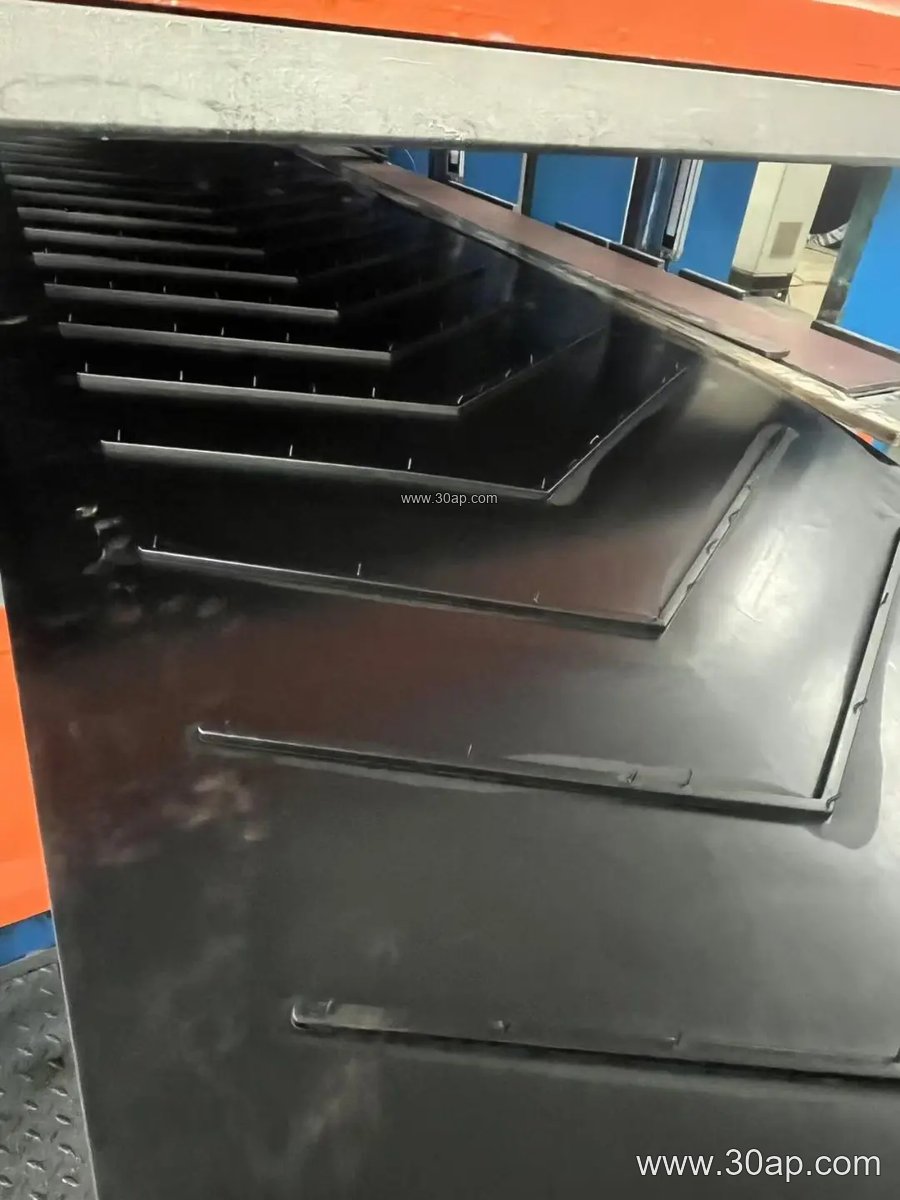
On these lines the belt runs over idler rollers, wraps a conveyor pulley at each end, and is held by a conveyor bracket assembly. Flame retardant covers are also paired with anti-static properties and, where needed, abrasion resistant conveyor belt compounds for sharp rock.
Selection Notes for Buyers
Start with the material: lump size, moisture, temperature and whether the belt runs underground. Then confirm the required tensile grade against the calculated tension, and check the cover thickness against abrasion and impact. A high abrasion resistant conveyor belt grade may be worth the cost on crusher discharge, while a standard flame retardant cover is enough on clean coal lines.
Ask for the flame test method the supplier uses and the test report that goes with the batch. Confirm splice type, because an endless conveyor belt joint must use compatible flame retardant materials. Check that the belt is anti-static where dust is present, and verify the cover grade is suitable for oily or wet conditions if those apply.
Installation and Maintenance
Alignment matters more than many operators expect. Misaligned belts rub the frame and wear the edges, and a flame retardant cover will still fail if it is physically damaged. Keep idler rollers turning freely, inspect the conveyor pulley lagging for wear, and check that the conveyor bracket bolts stay tight. Store spare belt rolls away from direct sunlight and oil, and keep the roll elevated off the ground.
For more detail on matching belt, roller and pulley specifications, visit conveyorbeltingpro.com and review the flame retardant conveyor belt range before ordering.