What an Underground Conveyor Belt Does
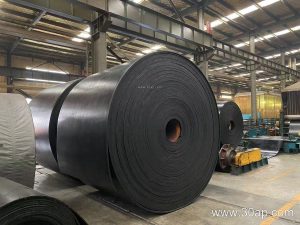
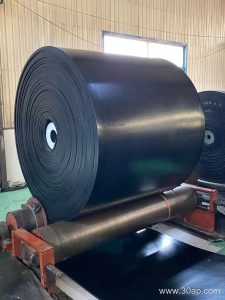
An underground conveyor belt is the load-carrying element of a conveyor system installed in mines, tunnels and other below-surface operations. It runs between a drive pulley and a tail pulley, supported by idler rollers and held in line by conveyor brackets and frames. The belt moves coal, ore, rock, aggregate or other bulk material from a working face or loading point to a shaft, incline or surface transfer. Because the route is often confined, wet and dusty, the belt is expected to track well, resist abrasion and meet the fire-safety requirements set for the site.
The same product is also called an underground mining conveyor belt or, in coal work, an underground coal mining conveyor belt. These are descriptions of the duty and location rather than separate constructions; the carcass and cover compound still determine what the belt can handle.
Construction of the Belt
Most underground belts use a fabric core or a steel cord carcass. Fabric types include EP conveyor belt (polyester warp, nylon weft), NN conveyor belt (nylon warp and weft), and multi-ply fabric core conveyor belt with two to six plies. Steel cord conveyor belt is chosen when the route is long or the tension is high. A rubber conveyor belt usually has a top cover, a bottom cover and skim layers between plies.
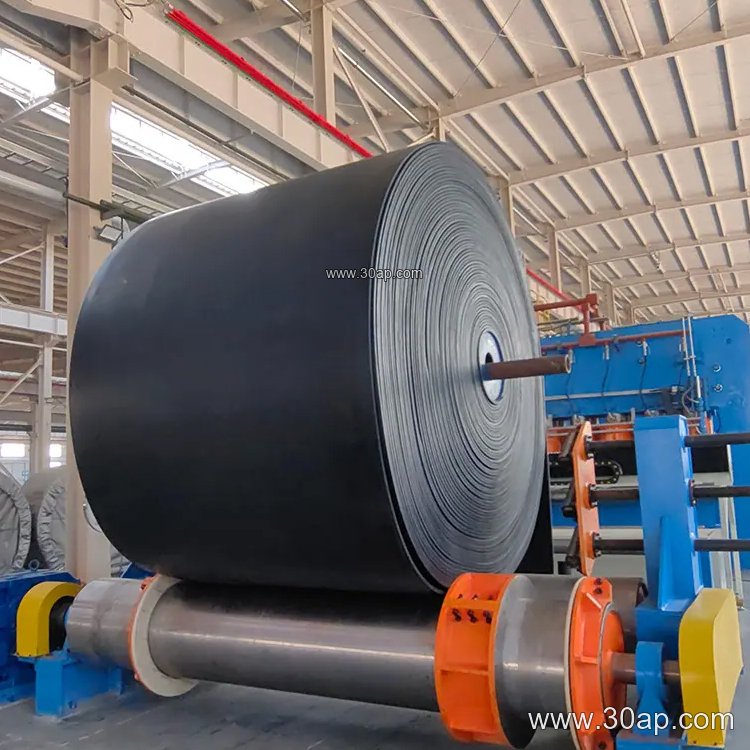
Cover compounds are matched to the environment: abrasion resistant conveyor belt for sharp rock, flame retardant conveyor belt and fire resistant conveyor belt for coal and gassy workings, oil resistant conveyor belt near lubricated machinery, and cold resistant or anti-static versions where needed. PVG conveyor belt and PVC conveyor belt are common in coal mines because their covers can be formulated for flame resistance.
Common Reference Data
The figures below are typical reference values, not fixed combinations. Final construction is confirmed by the conveyor design.
| Item | Common reference values |
|---|---|
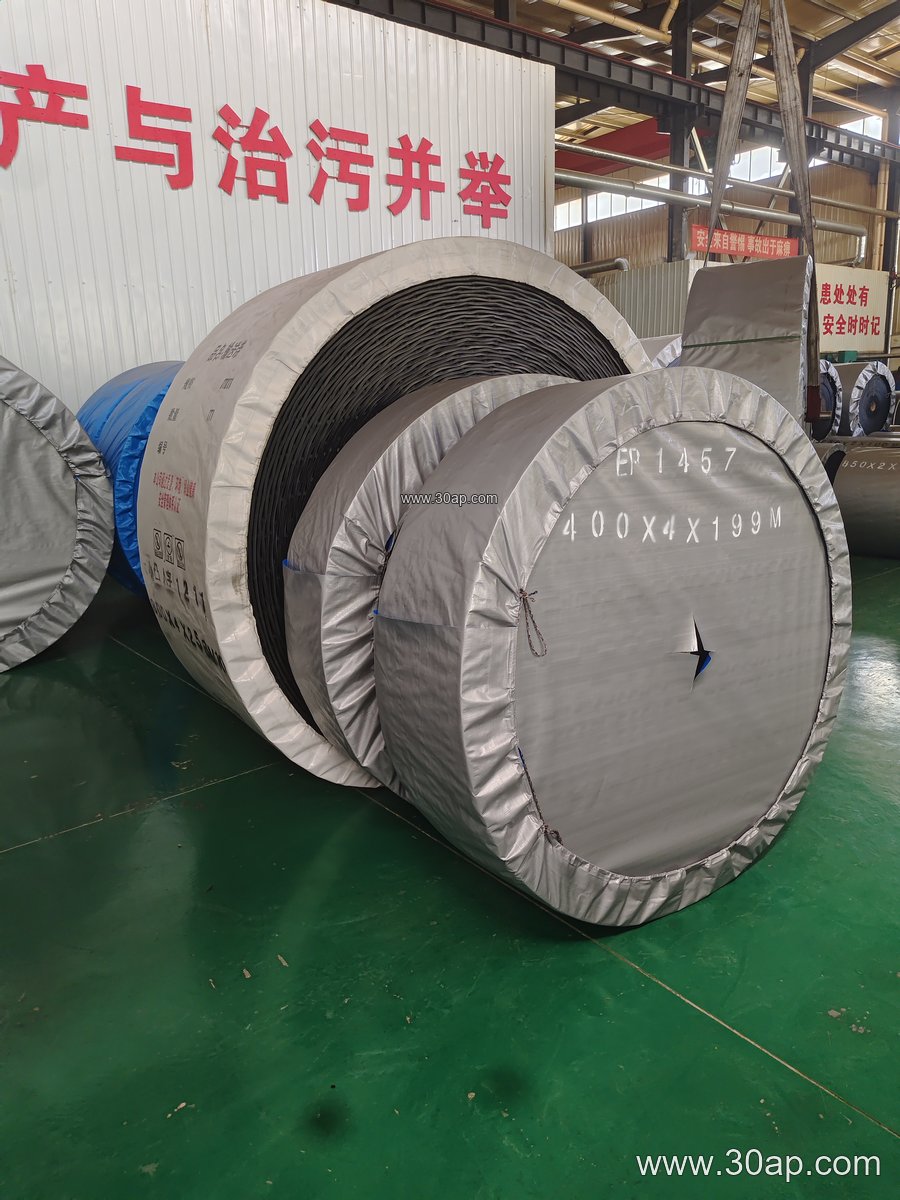
| Fabric strength grades | EP200, EP315, EP400, EP500, EP630, EP800, EP1000, EP1250, EP1600, EP2000 |
| Belt width | B500, B650, B800, B1000, B1200, B1400, B1600, B1800, B2000 |
| Cover thickness | 3+1.5, 4+2, 5+2, 6+2, 8+3 mm |
| Carcass plies | Usually 2 to 6 layers for fabric cores |
Where It Is Used
- Coal mining conveyor belt duties in longwall and development headings
- Metal mines handling iron ore, copper ore and gold ore
- Tunneling and underground crushing stations
- Underground transfer points feeding a hoist or incline
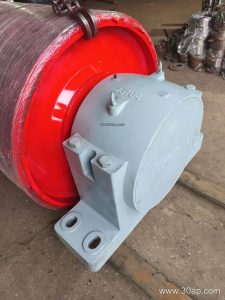
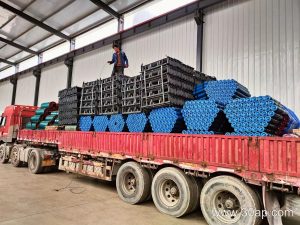
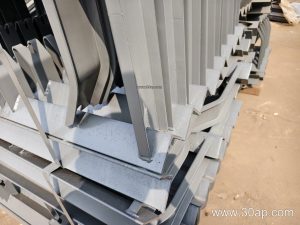
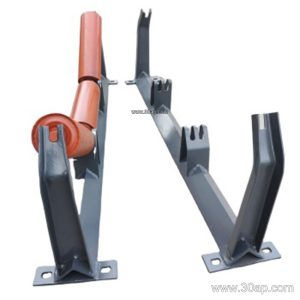
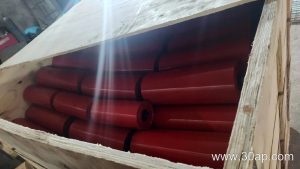
Related equipment works alongside the belt: the conveyor pulley at each end, idler roller sets on the carrying and return sides, and conveyor bracket assemblies that keep the structure aligned. On steep or space-limited routes, a chevron conveyor belt or corrugated sidewall belt may be considered, but the main subject here remains the flat underground belt that carries the bulk of the tonnage.
Selection Points for Buyers
Start with the material: lump size, moisture, temperature and abrasiveness. A high abrasion resistant conveyor belt is not automatically the right answer if the load is oily or hot. Check the maximum tension the drive must transmit and compare it with the rated strength of the carcass. Confirm the belt width fits the existing structure and that the pulley and idler roller arrangement can support the belt and load.
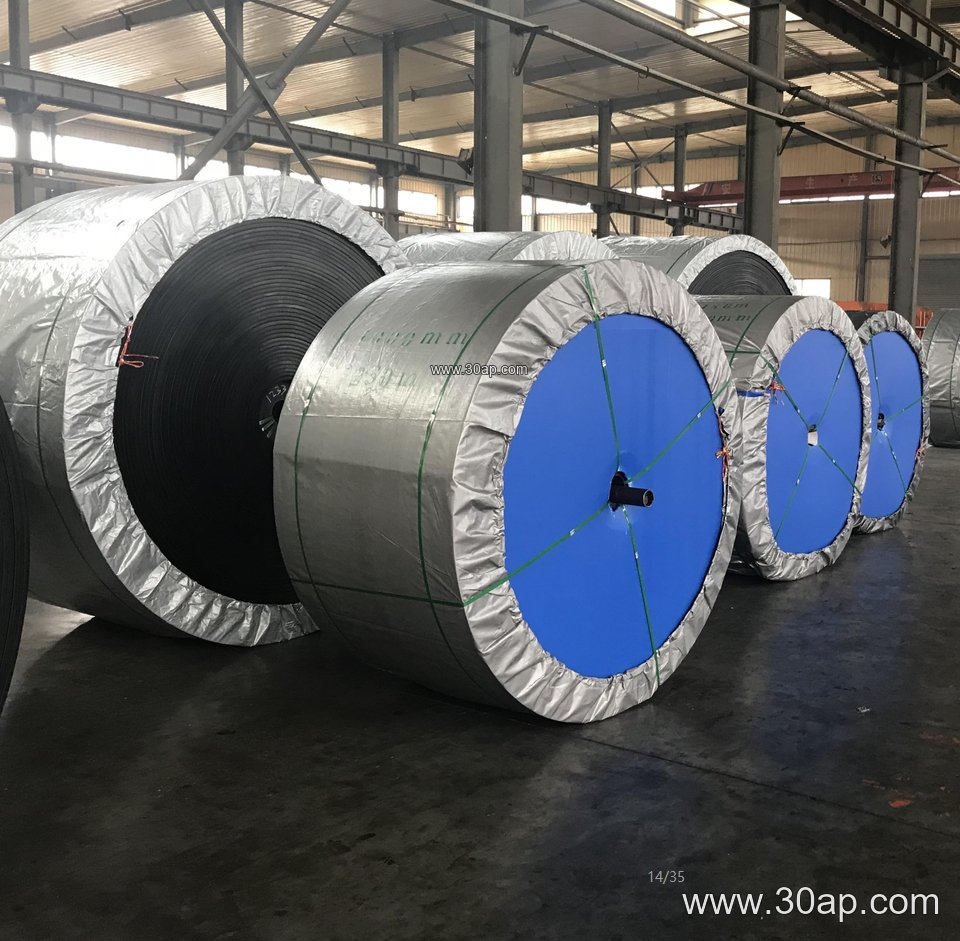
Fire safety matters underground. In coal workings, specify a flame retardant conveyor belt or fire resistant conveyor belt that meets the site requirement, and ask for the test documentation that applies. For dusty atmospheres, anti-static properties are often requested as well.
Splice method affects downtime. Endless conveyor belt supplied as a finished loop reduces field splicing, while open-length belt is joined on site. Whichever is chosen, the splice strength should suit the duty.
Installation and Maintenance
Correct alignment at the tail pulley and proper idler roller spacing prevent edge damage and spillage. Keep the belt tension within the design range; too little tension causes slip at the drive pulley, too much strains the carcass. Inspect covers for cuts and worn spots, and repair small damage before it reaches the fabric. Clean return-side idler rollers regularly in wet or sticky conditions.
Store spare belt flat and away from heat, and record the strength grade, width and cover thickness so replacements match. For larger projects in mining, quarry, cement, power plant or port service, buyers often request a data sheet showing grade, width, cover and carcass before ordering. Matching those details to the conveyor design is the surest way to get reliable service from an underground conveyor belt.