What a 1600mm Conveyor Belt Is
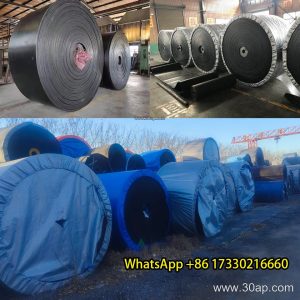
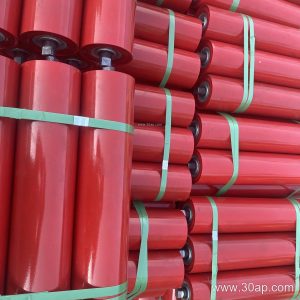
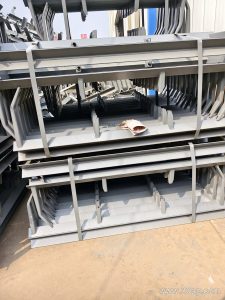
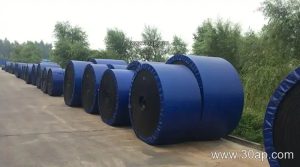
A 1600mm conveyor belt is a wide, heavy-duty belt designed for high-capacity bulk material handling. With a nominal width of 1600 millimeters, it is commonly found in primary crushing circuits, stockyard feed lines, and long overland conveyors where large tonnages must move efficiently. In many plants, this width is paired with robust conveyor pulleys, idler rollers, and conveyor brackets sized for the load. The belt itself is a composite structure: a tension-bearing carcass, top and bottom cover rubber, and edge protection. The carcass may be fabric or steel cord, and the cover compound is selected to resist abrasion, heat, oil, or fire depending on the duty.
Construction and Common Configurations
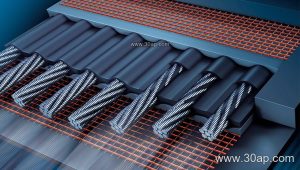
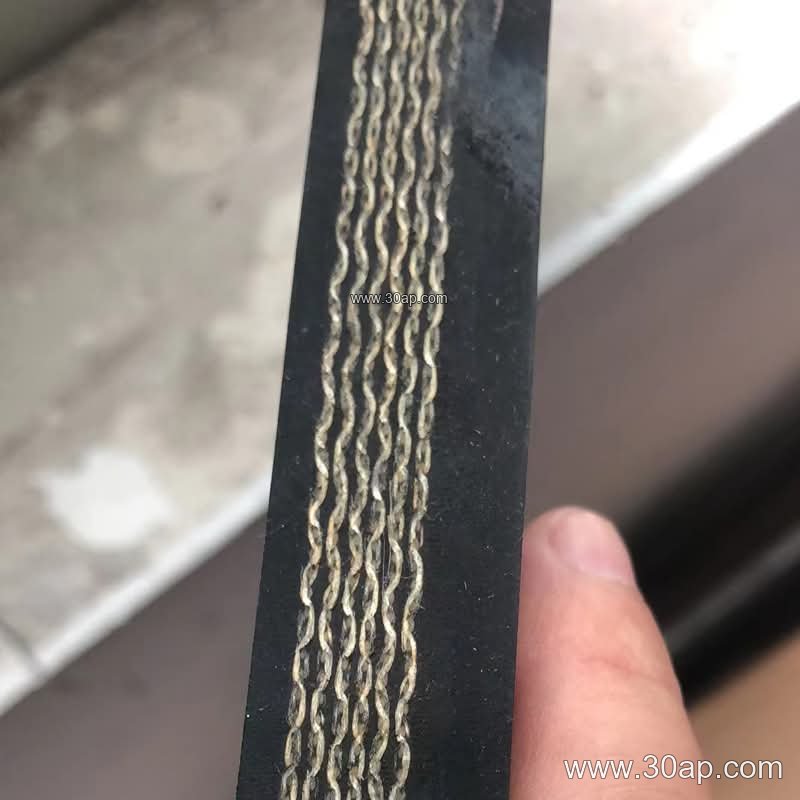
The build of a 1600mm conveyor belt starts with the carcass. Multi-ply fabric core belts, such as EP or NN types, use several layers of synthetic fabric bonded in rubber. Steel cord belts use parallel brass-plated wires for very high tension and long center distances. Cover rubber thickness is specified separately for the carrying side and pulley side; common combinations include 4+2 mm, 5+2 mm, and 6+2 mm, with heavier covers for sharp, abrasive rock. Edge construction may be cut-edge or molded-edge, and the belt can be supplied as an endless conveyor belt vulcanized to length or in open lengths for mechanical splicing.
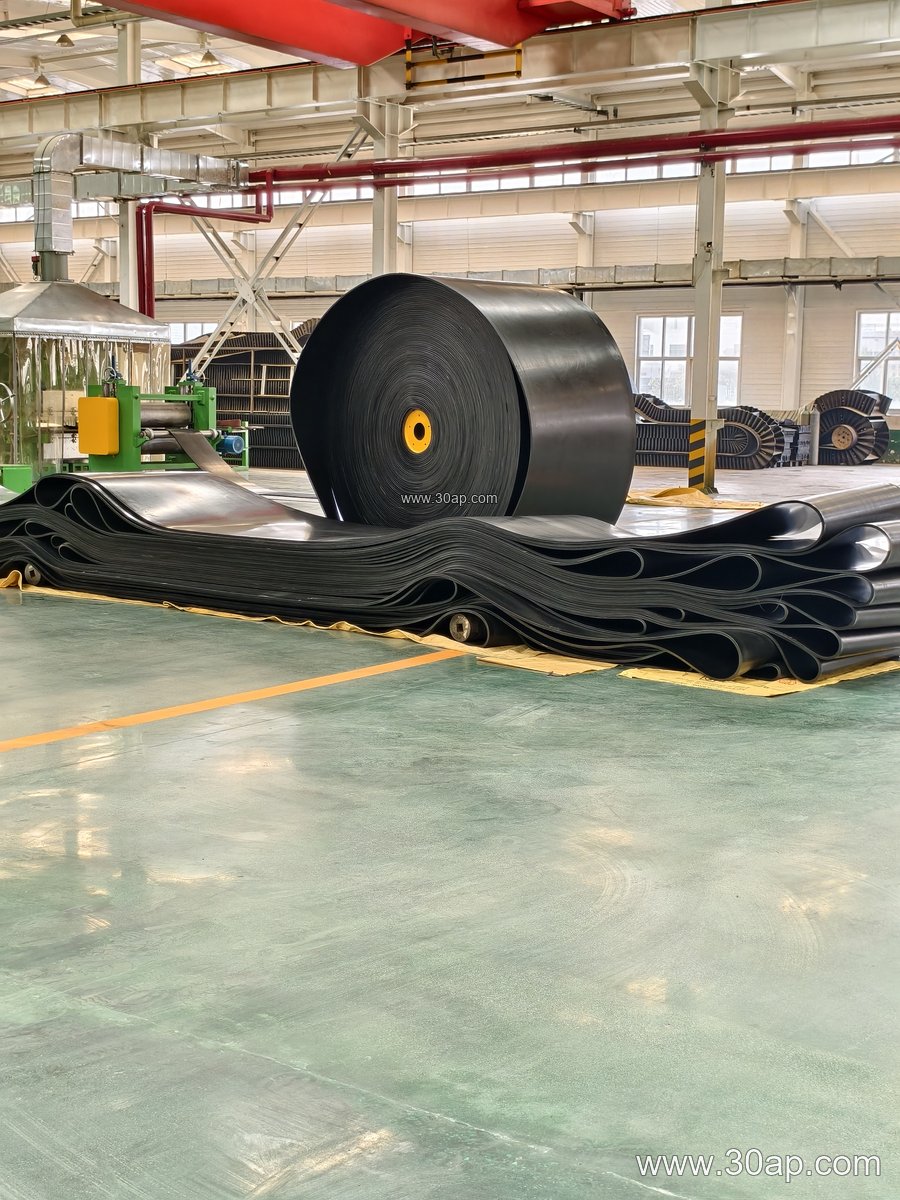
Specialty builds include chevron conveyor belts with raised cleats for inclined transport, corrugated sidewall belts with cross-stabilized base belts for steep angles, and pipe conveyor belts that form a closed tube to contain dust. Flame retardant and anti-static grades are often specified for coal mining conveyors and underground coal mining conveyors. Heat resistant conveyor belt grades suit cement plant and steel plant applications where clinker or sinter carries residual heat.
Where 1600mm Belts Are Used
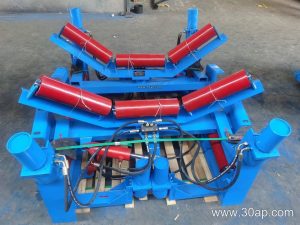
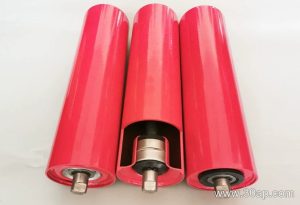
This belt width is common in mining, quarrying, and heavy aggregate operations. A 1600mm conveyor belt can be found on primary crusher discharge conveyors, overland conveyors at copper ore and iron ore mines, and ship loading lines at ports. In the cement industry, it may feed raw mills or transport clinker, while power plants use it for coal handling. Sand and gravel plants, stone crushing lines, and recycling facilities also employ wide belts where throughput is high. Because the belt is wide, matching idler rollers and conveyor pulleys must be selected to support the load and maintain proper troughing.
Specifications and Selection Notes
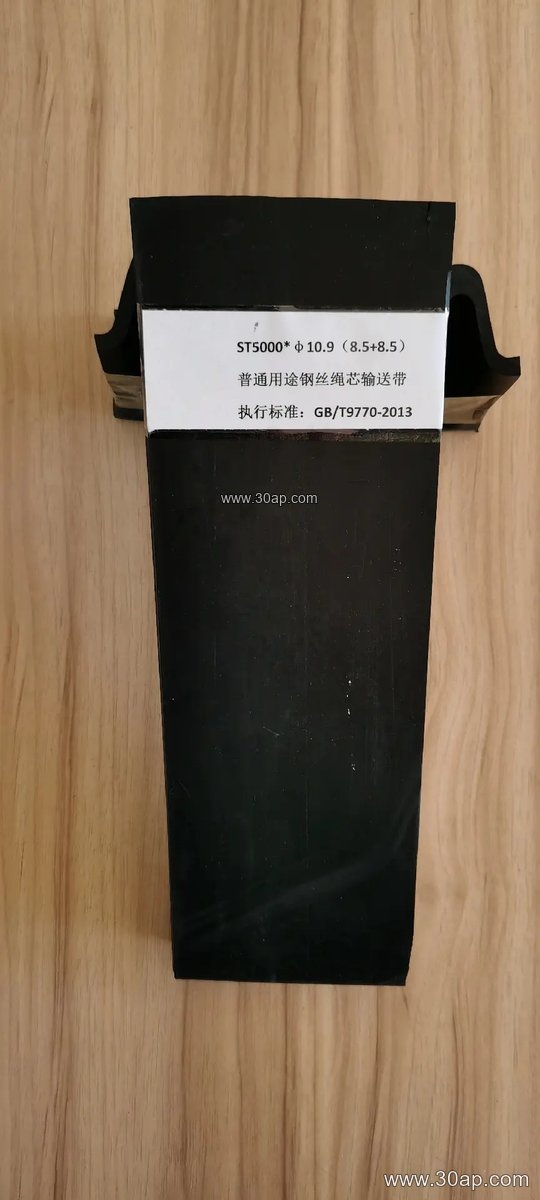
Belt width is only one part of the specification. Buyers should define the carcass type, strength grade, number of plies, cover thickness, and cover quality. For fabric belts, strength grades such as EP400, EP630, EP1000, and EP1250 are common; steel cord grades like ST1600 and ST2000 may be used for high-tension duties. The table below lists representative parameters for a 1600mm belt; actual values depend on the conveyor design and manufacturer.
| Parameter | Typical Range or Example |
|---|---|
| Belt width | 1600 mm |
| Carcass type | EP fabric, NN fabric, steel cord |
| Strength grade | EP400 to EP1250; ST1600 to ST2000 for steel cord |
| Number of plies | 2 to 6 (fabric core) |
| Top cover thickness | 4 mm to 8 mm |
| Bottom cover thickness | 1.5 mm to 3 mm |
| Cover quality | Abrasion resistant, heat resistant, flame retardant, oil resistant |
Selection should consider material lump size, drop height, belt speed, trough angle, and ambient conditions. A high abrasion resistant conveyor belt may be needed for sharp granite, while a cold resistant grade suits freezing climates. Impact resistant belts are useful at transfer points. The belt width does not dictate a single pulley diameter; drive pulleys, tail pulleys, and bend pulleys are sized from belt tension, wrap angle, and load, not from width alone.
Maintenance and Buyer Checklist
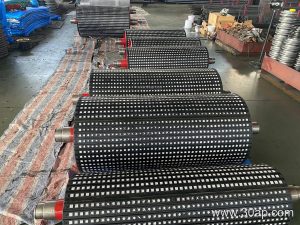
Proper tracking and tension are essential for long service life. Inspect idler rollers for seizure, check conveyor pulleys for lagging wear, and verify that conveyor brackets remain aligned. Keep the belt cleaner adjusted to prevent material buildup. When ordering, specify the exact width, carcass, cover thickness, splice type, and any required resistance properties. For a 1600mm conveyor belt, confirm that the conveyor structure and components are rated for the belt’s weight and operating tension. Buyers can request a technical data sheet showing cover hardness, tensile strength, and elongation to compare offers. For related components such as conveyor belt, idler roller, and conveyor pulley, ensure dimensional compatibility with the 1600mm width and the conveyor’s design.