What a Loading Point Impact Idler Does
A conveyor loading point impact idler is a specialized roller installed directly beneath the chute or transfer point where bulk material first lands on the conveyor belt. Its primary job is to absorb the violent impact of falling rock, ore, or aggregate, protecting the belt from punctures, gouges, and rapid wear. Unlike standard carrying idlers that support the belt along its length, impact idlers are built with resilient surfaces and reinforced structures to withstand repeated shock loads. In industries such as mining, quarrying, cement production, and power plant coal handling, this component is essential for maintaining belt integrity and reducing downtime.
The impact idler also helps maintain the belt’s trough shape at the critical loading zone, preventing material spillage and ensuring smooth transition of the load. Without proper impact absorption, the conveyor belt—especially heavy-duty types like steel cord or multi-ply fabric—can suffer premature failure, leading to costly replacements and production losses.
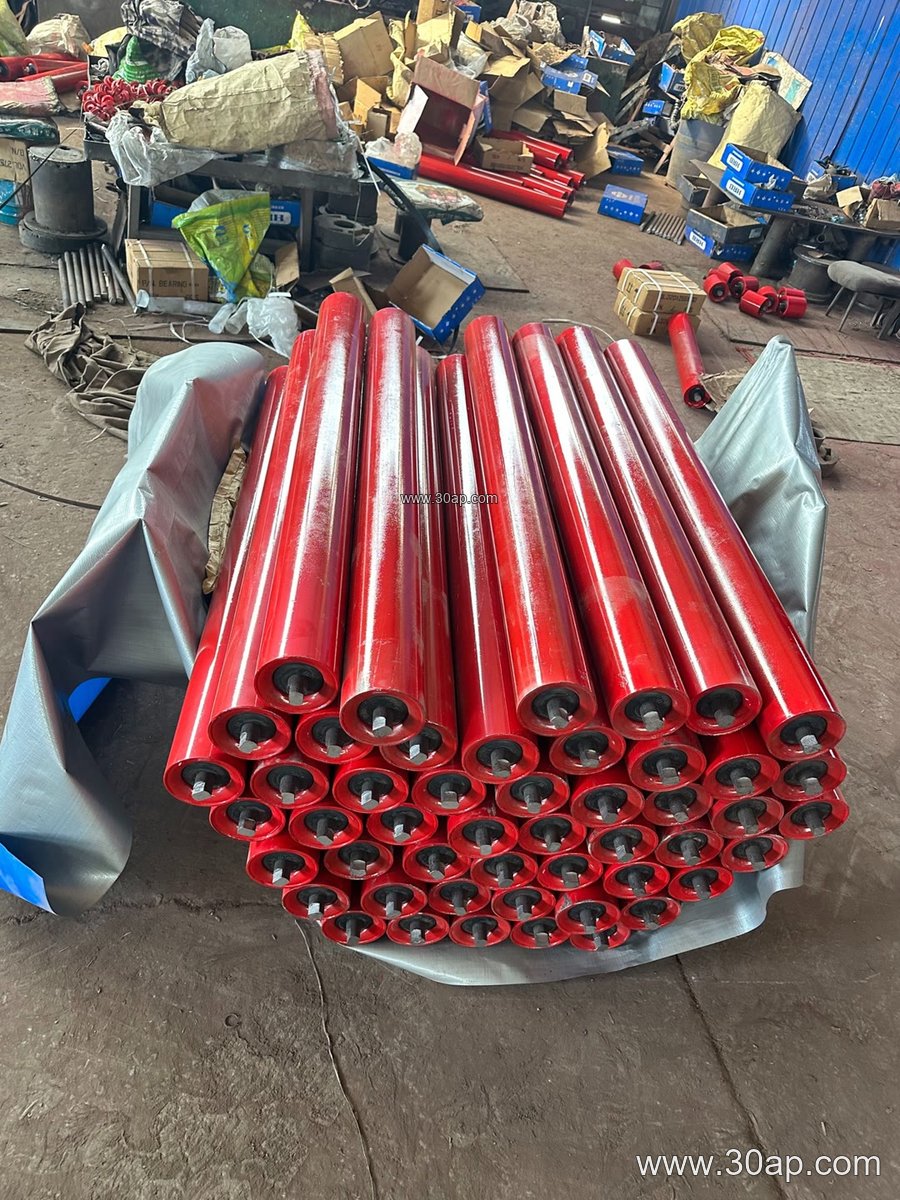
Construction and Key Components
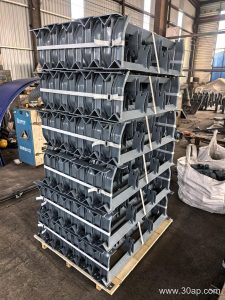
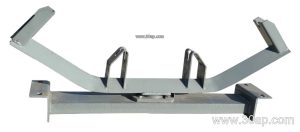
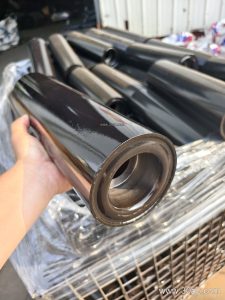
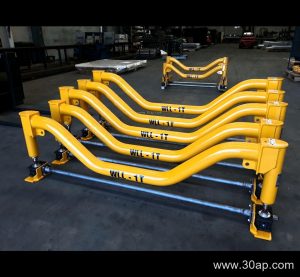
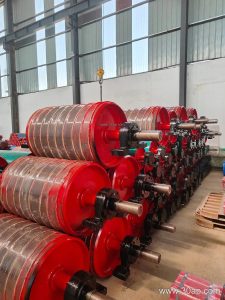
A typical impact idler consists of a sturdy steel tube or shaft, bearing housings, and a series of rubber rings or discs that form the contact surface. These rubber rings are the defining feature, providing elasticity to cushion the falling material. The idler is mounted on a frame—often a three-roll troughing set—with the center roll positioned to take the brunt of the impact. The rubber rings may be natural rubber or synthetic blends, chosen for high resilience and abrasion resistance. Some designs incorporate a steel-reinforced core for extra strength.
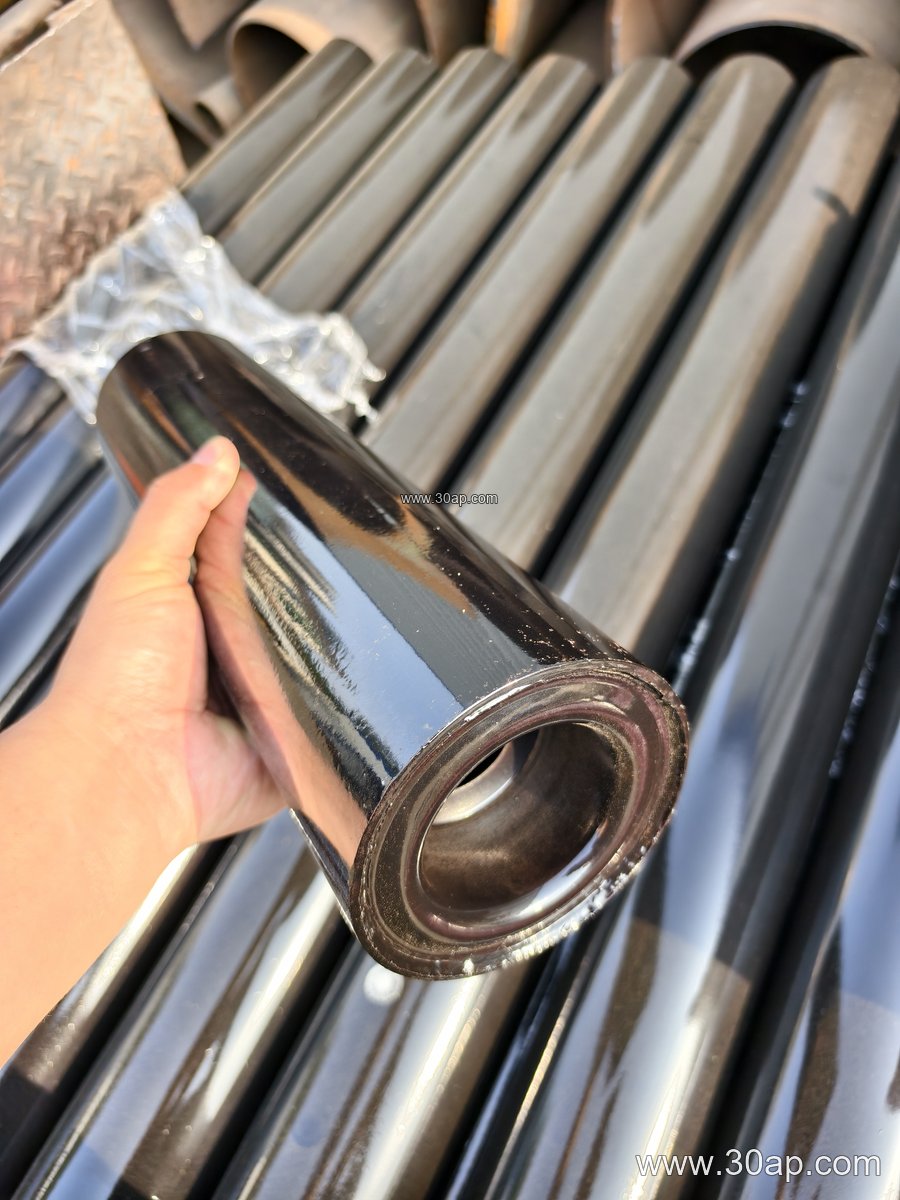
Bearings are another critical element. Common bearing sizes for impact idlers include 6204, 6205, 6305, 6306, and 6308, selected based on load and speed requirements. The bearing housing is sealed to keep out dust and moisture, which is vital in harsh environments like coal mines or cement plants. Roller diameters typically range from Ø89 to Ø219 mm, with larger diameters offering greater load capacity and impact resistance. The roll length varies with belt width and trough angle—for example, a three-roll set for a 1200 mm belt might use rolls around 465 mm long, but this is not a fixed rule and should be confirmed by design calculations.
Where Impact Idlers Are Used
These idlers are indispensable in any conveyor system handling heavy, lumpy materials. In the mining sector, they are found at the discharge point of crushers, screens, and feeders, where large chunks of ore or rock fall onto the belt. Underground coal mining operations rely on impact idlers to protect flame retardant conveyor belts from sharp coal lumps. Quarries and aggregate plants use them under primary crushers to shield abrasion resistant conveyor belts from stone impact. Cement plants employ impact idlers at kiln feed and clinker transfer points, while power plants use them in coal handling systems to prevent damage to heat resistant or fire resistant belts.
Other applications include port ship loaders, steel plant sinter lines, and recycling facilities. In each case, the impact idler extends belt life and reduces maintenance costs by mitigating shock loads.
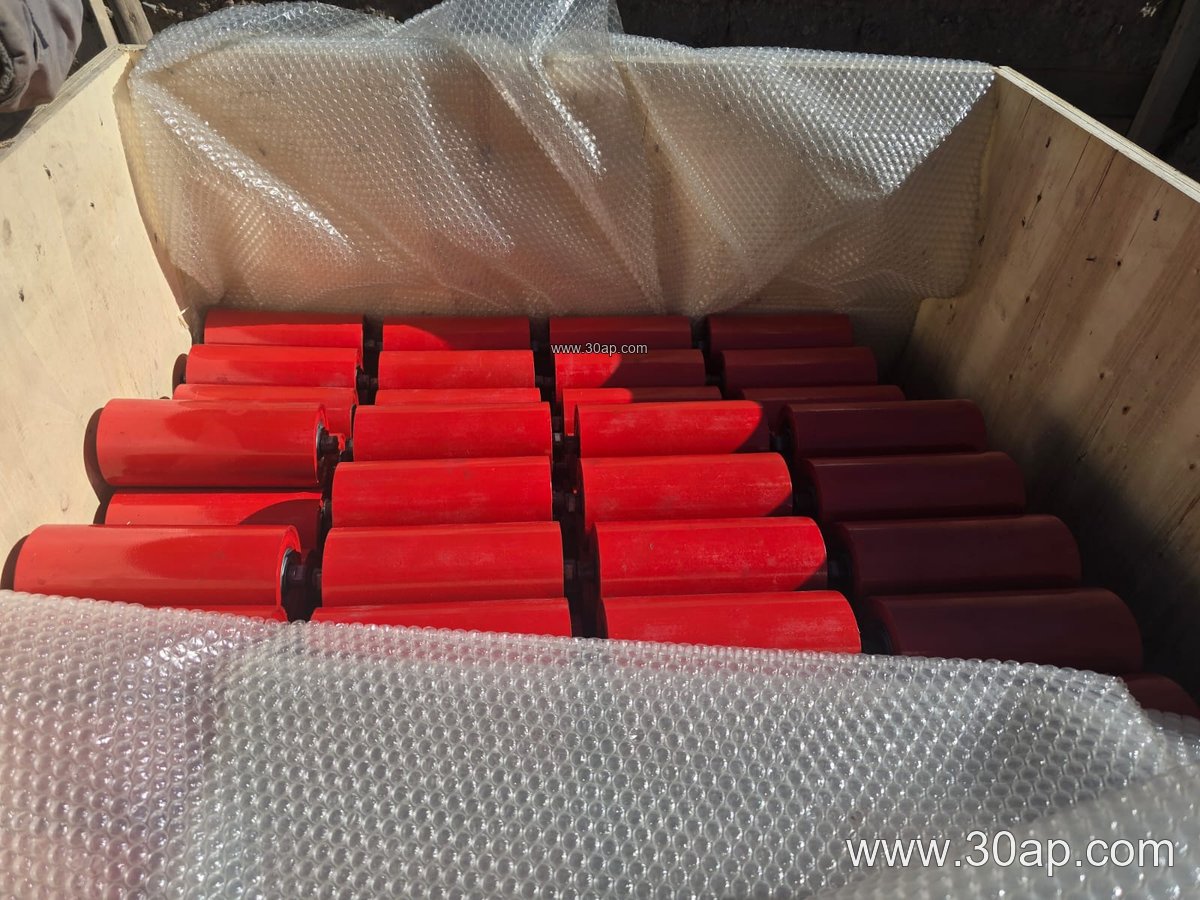
Selection and Specification Considerations
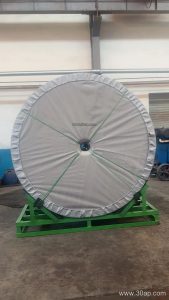
Choosing the right impact idler involves several factors. First, assess the material’s lump size, drop height, and throughput to estimate impact energy. This determines the required roller diameter and rubber ring thickness. Belt width is also critical—common widths like 650 mm, 800 mm, 1000 mm, 1200 mm, and 1400 mm each require specific idler lengths and trough angles (typically 20°, 30°, 35°, or 45°). The belt type matters too: a steel cord conveyor belt may require more robust impact protection than an EP conveyor belt, while a chevron conveyor belt might need special consideration due to its surface pattern.
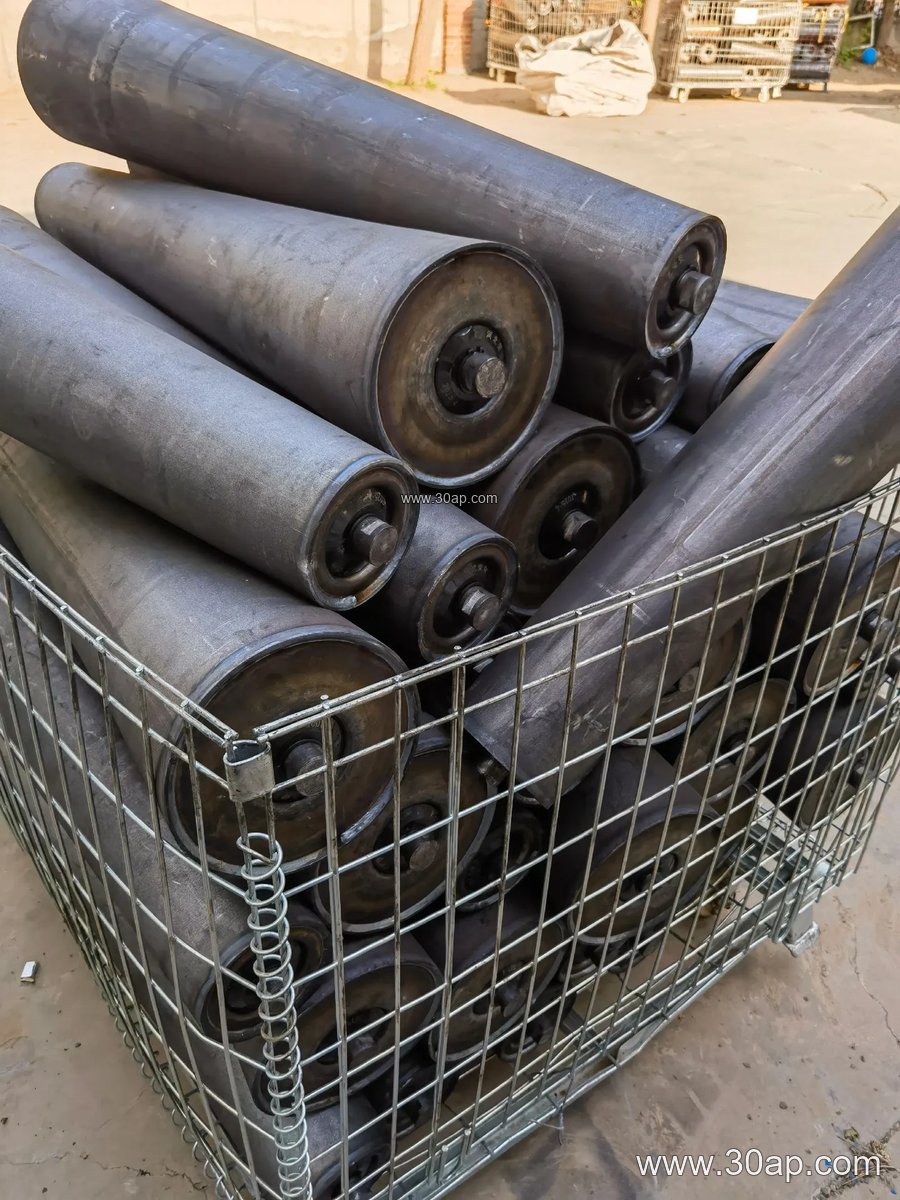
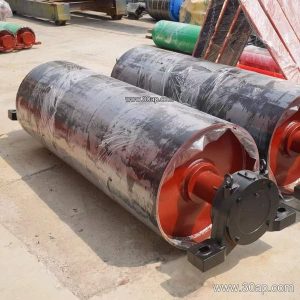
Environmental conditions influence material choices. In coal mines, flame retardant and anti-static properties are essential; in cold climates, cold resistant rubber rings prevent cracking. For corrosive environments, oil resistant or acid resistant rubber compounds may be specified. Bearing selection should match the load and speed, with common sizes like 6205 or 6306 often used. Always consult the conveyor designer to ensure compatibility with the conveyor pulley and bracket system.
Installation and Maintenance Tips
Proper installation ensures optimal performance. Impact idlers should be aligned squarely with the belt and positioned so the rubber rings are just touching the belt without excessive pressure. The frame must be rigid to prevent vibration. Regular inspection is key: check for worn or damaged rubber rings, replace them promptly to avoid belt damage. Lubricate bearings according to the manufacturer’s schedule, and keep the area clean to prevent material buildup. In dusty operations, consider sealed-for-life bearings.
Monitoring belt tracking at the loading point helps identify misalignment early. If the impact idler is part of a troughing set, ensure all rolls rotate freely. Following these practices maximizes the service life of both the idler and the conveyor belt.