What a Drive Pulley Does on a Conveyor
The drive pulley is the powered drum that transmits motion to the conveyor belt. Often called the head pulley when it sits at the discharge end, it grips the belt through friction and pulls the loaded strand forward. Its performance affects starting, tracking, and belt life across industries such as quarrying, cement clinker handling, coal washing, and power plant coal feeding. A well-matched drive pulley keeps the belt running smoothly even when the load varies.
Construction and Surface Options
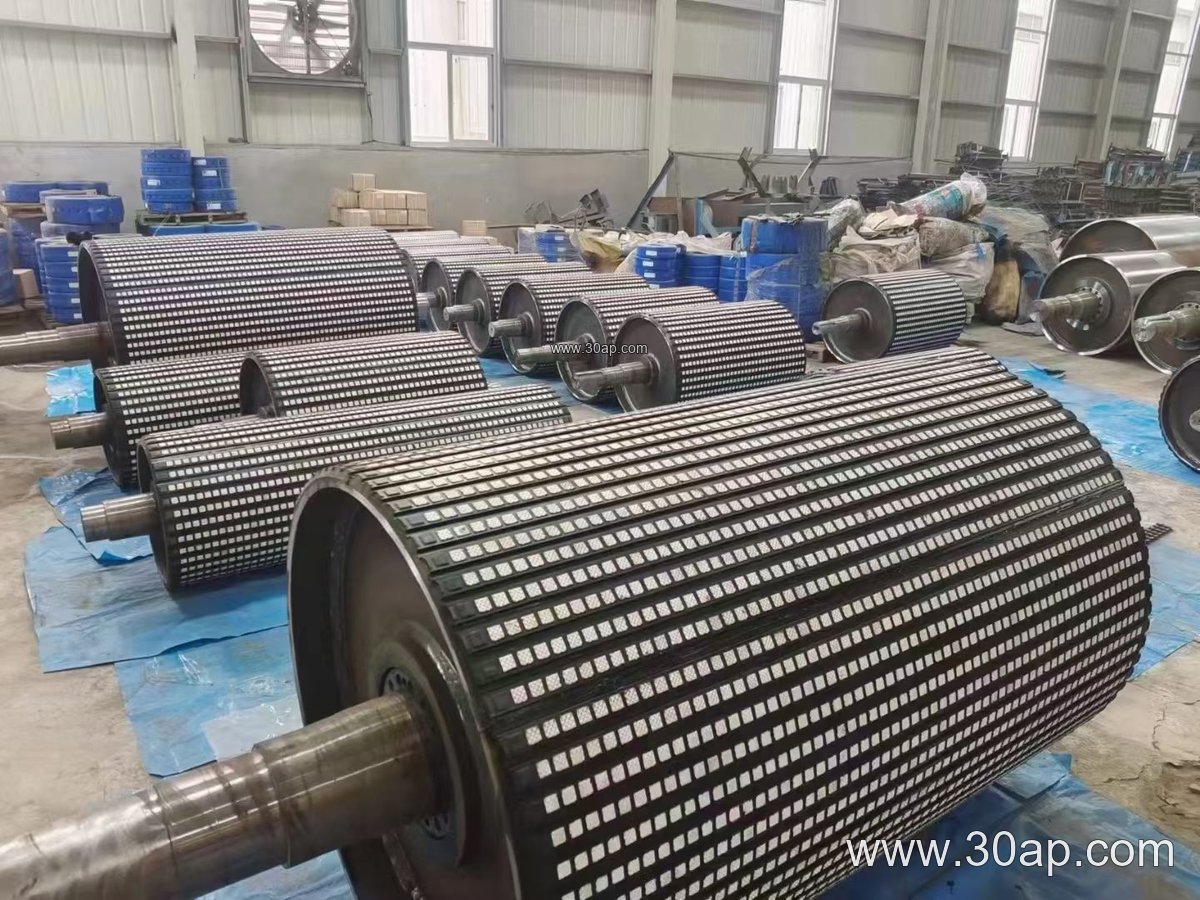
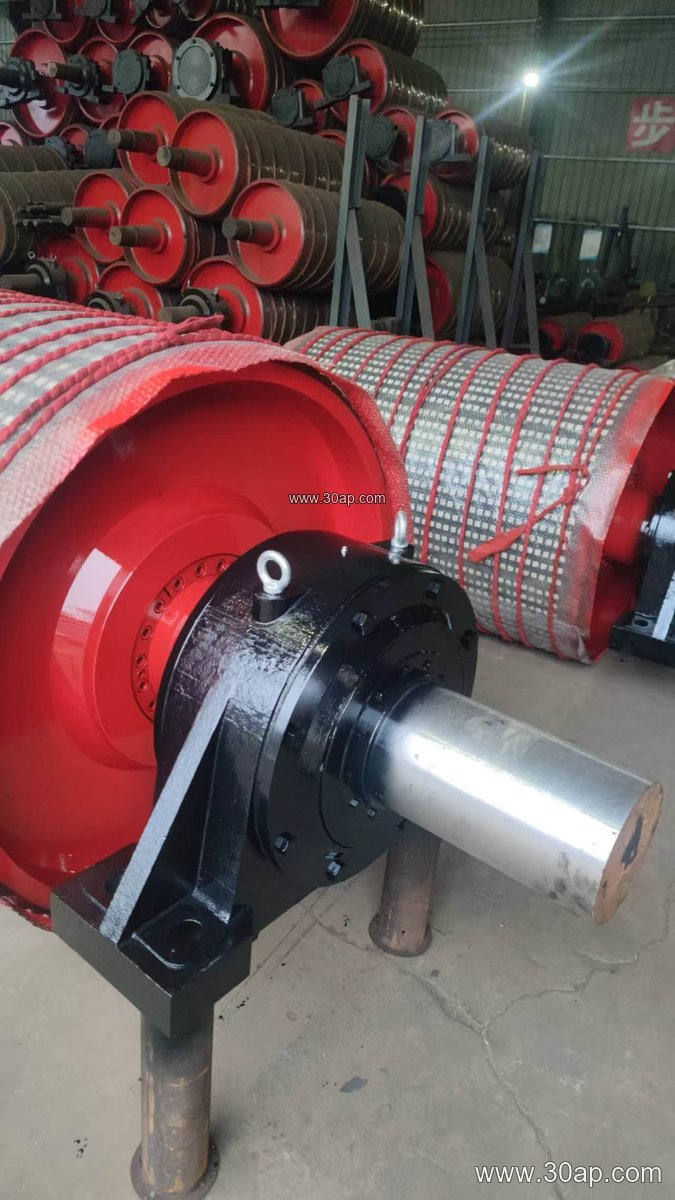
Most drive pulleys are built from a steel shell, end discs, and a shaft sized by torque and load rather than by belt width alone. The shell surface may be plain, or it may carry lagging to improve grip. Common lagging choices include cold-bonded rubber, hot-vulcanized rubber, diamond pattern, herringbone pattern, and ceramic lagging. Lagging thickness is often 8, 10, 12, 15, or 20 mm, selected according to duty and belt tension. The right surface helps prevent slip without over-stressing the belt.
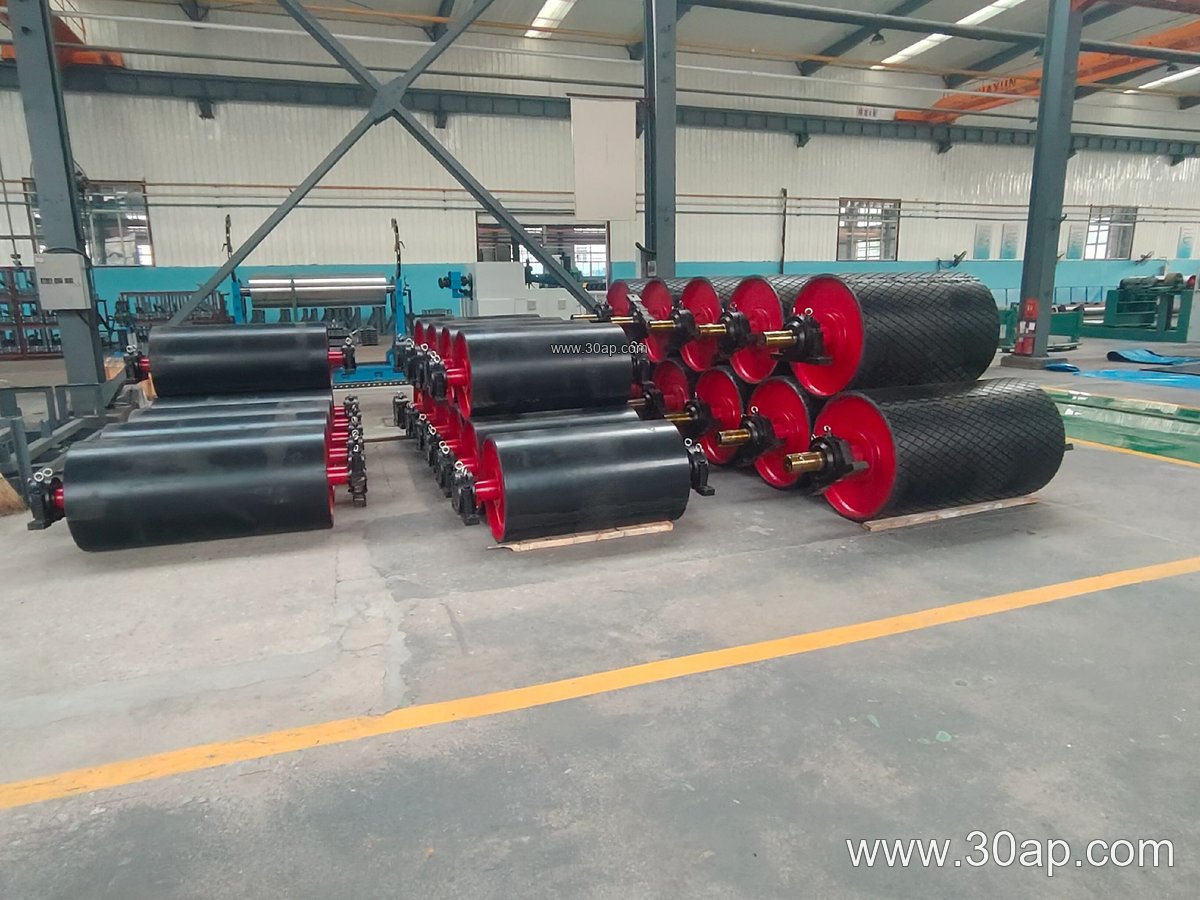
For reference, typical combinations might include B800 × Ø500, B1200 × Ø1000, or B1400 × Ø800. These are examples only; final diameter and shaft size are determined by conveyor design, not by a fixed rule linking one belt width to one pulley size. Shell face width usually exceeds belt width, for instance about 950 mm for B800 and about 1400 mm for B1200.
Where It Fits in the Conveyor System
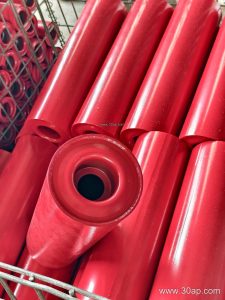
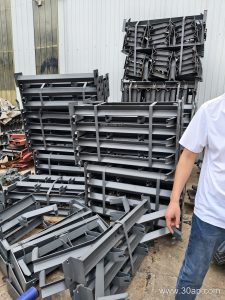
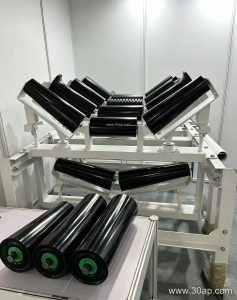
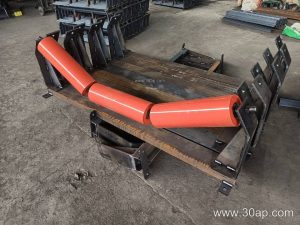
The drive pulley is not interchangeable with a tail pulley or a bend pulley. The tail pulley returns the belt at the rear, while a bend pulley changes belt direction without driving. In a typical circuit, the drive pulley works with conveyor idler rollers, a conveyor bracket, and a properly tensioned belt. In a quarry or aggregate line, a heavy-duty mining conveyor belt may run over a drive pulley with diamond lagging, while a coal mining conveyor belt in an underground mine may require flame retardant and anti-static properties. Similar arrangements appear in cement plants, steel plants, and port bulk terminals.
Matching the Pulley to the Belt and Load
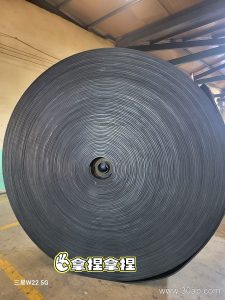
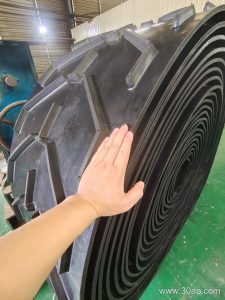
Belt construction influences drive pulley selection. A steel cord conveyor belt carries high tension and may need a larger diameter to limit bending stress. An EP conveyor belt or multi-ply fabric core conveyor belt is common in medium-duty service, while a heat resistant conveyor belt in a cement or sinter plant may call for careful lagging choice. Abrasion resistant conveyor belts in crusher and screen circuits benefit from durable lagging that maintains friction. The drive pulley should be sized with the conveyor designer so that belt and pulley work together, not as separate parts.
Specification Reference
Use these ranges as general reference, not as fixed supply promises. Final values depend on torque, belt tension, and layout.
| Parameter | Common reference values |
|---|---|
| Belt width (B) | B400, B500, B650, B800, B1000, B1200, B1400, B1600, B1800, B2000 |
| Pulley diameter | Ø200, Ø250, Ø315, Ø400, Ø500, Ø630, Ø800, Ø1000, Ø1250, Ø1400 |
| Lagging thickness | 8, 10, 12, 15, 20 mm |
| Shaft diameter | Ø50 to Ø200 mm, sized by torque and load |
Buyer Checklist
- Confirm the drive pulley position (head or other drive location) and the belt width, such as 800mm conveyor belt or 1200mm conveyor belt.
- State the belt type, for example EP conveyor belt, NN conveyor belt, or steel cord conveyor belt, because tension affects diameter and shaft size.
- Select lagging surface and thickness for the environment; ceramic or diamond lagging may suit wet or dusty conditions.
- Check that the pulley works with the existing conveyor idler roller and conveyor bracket dimensions.
- Ask for a drawing showing shell face width, shaft diameter, and keyway before ordering.
Whether the plant handles limestone, iron ore, or coal, the drive pulley remains a key wear part. Matching it to the belt and the load is more reliable than choosing by belt width alone.