What a Head Pulley Does on a Conveyor
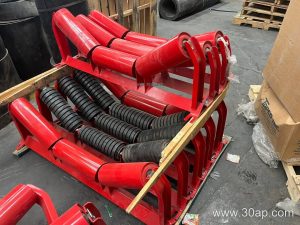
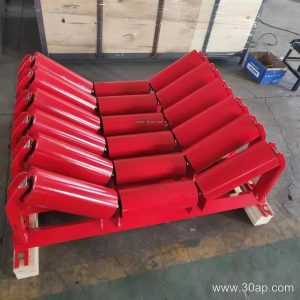
The head pulley, also called the drive pulley or discharge pulley, is the component at the delivery end of a conveyor that transmits power to the belt and discharges the material. It is the main driving element in most belt conveyors, and its design directly affects traction, belt tracking, and discharge trajectory. In a quarry or a sand and gravel line, the head pulley often works with an abrasion resistant conveyor belt and a series of idler rollers to move crushed stone at high volume. The same principle applies in a coal mining conveyor or a cement plant, where reliability and grip are critical.
Construction and Surface Options
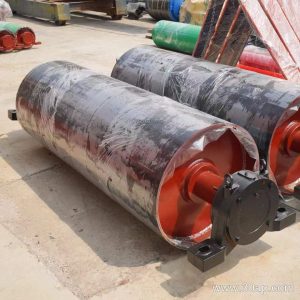
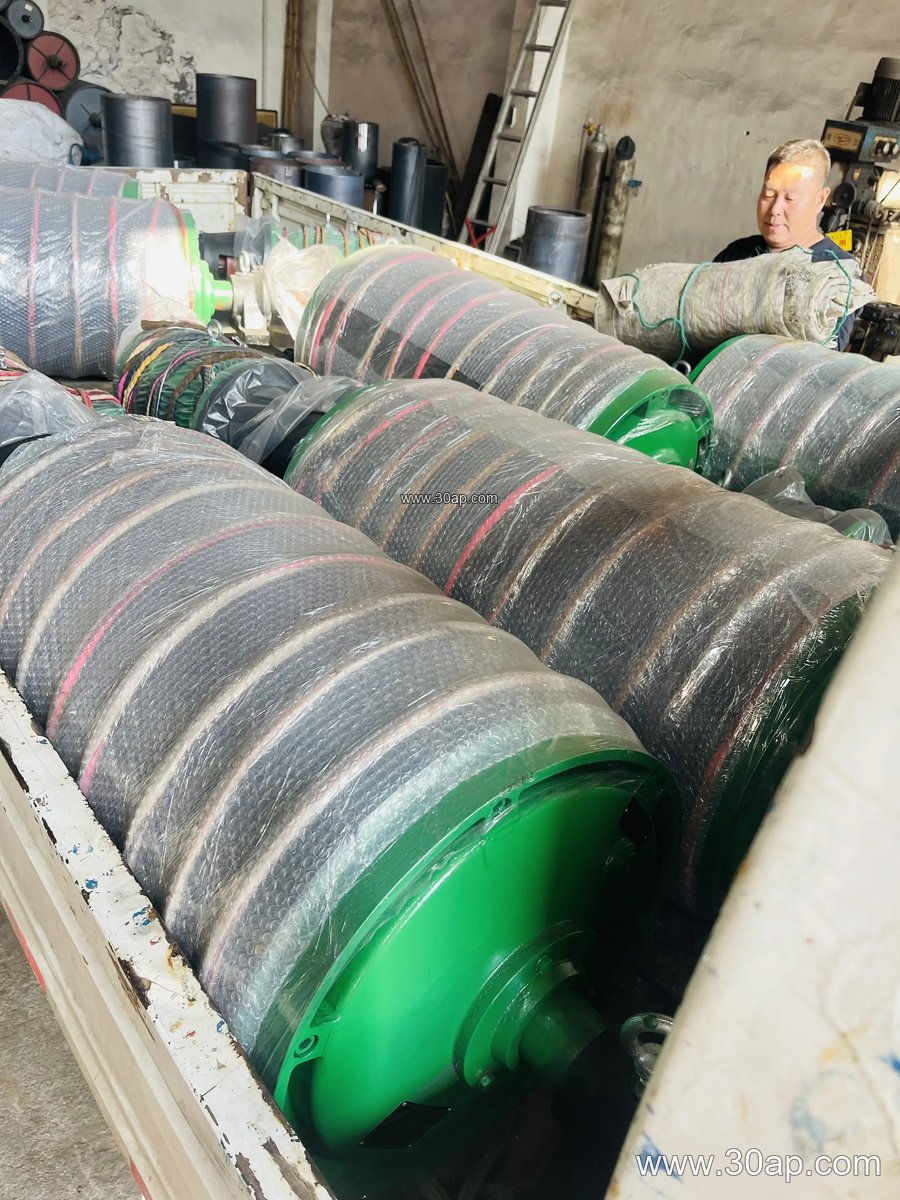
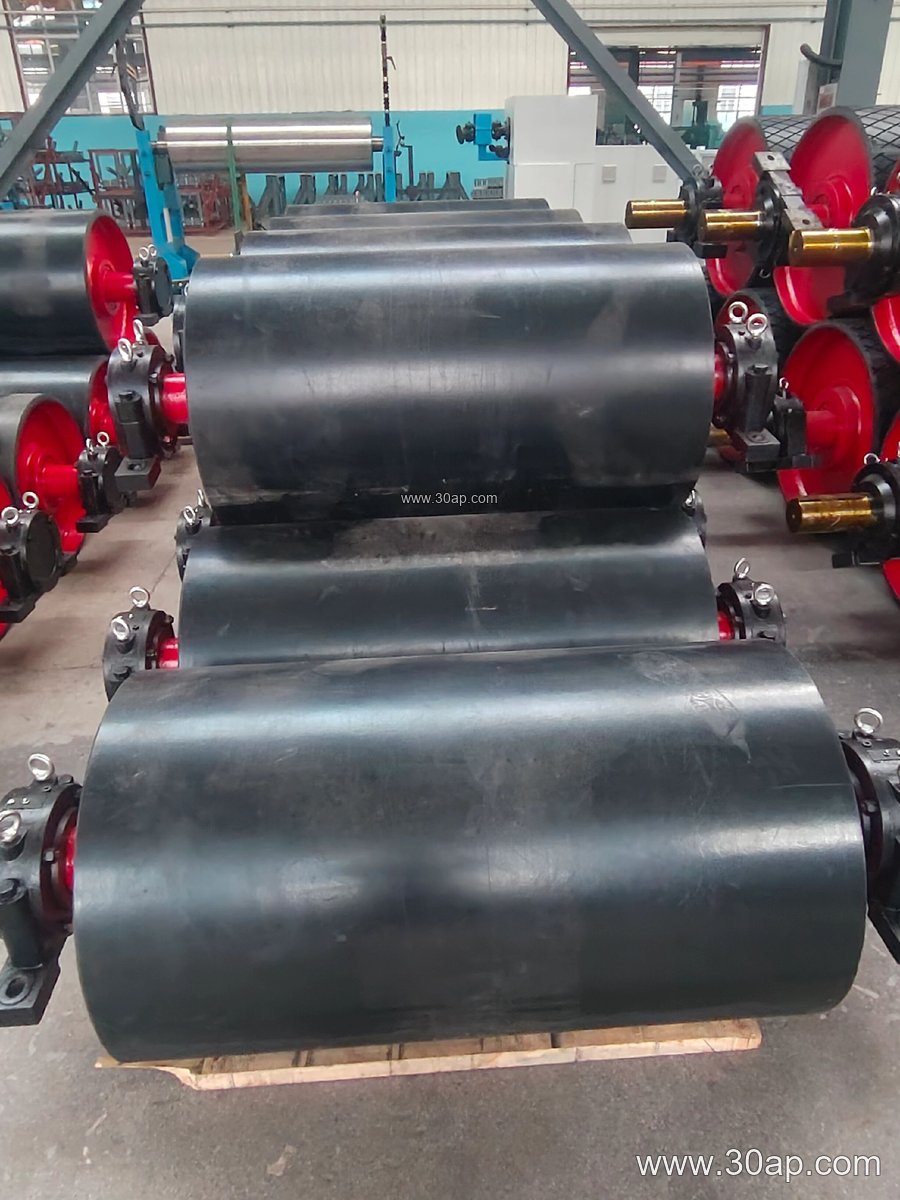
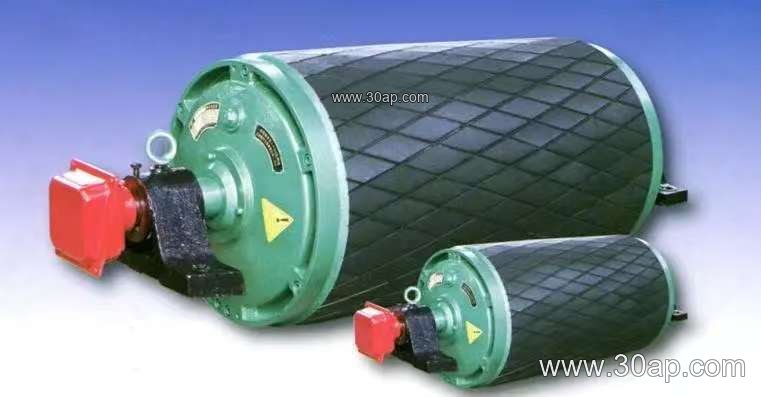
A head pulley is typically built from a steel shell, two end discs, a shaft, and a hub connection. The shell can be plain or covered with rubber, ceramic, or other lagging to improve friction between the pulley and the belt. Common surface forms include smooth, cast rubber, cold-bonded rubber, hot vulcanized rubber, diamond pattern lagging, herringbone lagging, and ceramic lagging. Lagging thickness often ranges from 8 mm to 20 mm, depending on the duty. The pulley face width is usually wider than the belt width to allow for misalignment; for example, a B800 belt may run on a pulley face of about 950 mm, and a B1200 belt on about 1400 mm. These are common references, not fixed rules. Shaft diameter is determined by torque and load, with typical sizes from Ø50 to Ø200 mm, and should never be guessed from belt width alone.
Where It Fits in the System
You will find the head pulley at the discharge point of a conveyor, whether in an underground coal mining conveyor, a power plant coal handling line, or a port bulk terminal. It is often the largest pulley in the drive arrangement and may be coupled with a gearbox and motor. In a typical aggregate conveyor, the head pulley pulls the belt over the carrying idler rollers and returns it through the tail pulley. Other pulley types such as the tail pulley, bend pulley, and take-up pulley serve different functions—the tail pulley redirects the belt at the loading end, while a bend pulley changes belt direction without driving. They are not interchangeable with the head pulley, but they work together to keep the belt running smoothly.
Key Parameters for Buyers
When specifying a head pulley, consider belt width, pulley diameter, face width, shaft diameter, lagging type and thickness, and bearing size. The table below gives common reference combinations; actual selection depends on conveyor design, belt tension, and material characteristics.
| Belt Width (mm) | Pulley Diameter (mm) | Face Width (mm) | Typical Lagging |
|---|---|---|---|
| B500 | Ø400 | 600 | Diamond rubber, 10 mm |
| B650 | Ø500 | 750 | Herringbone rubber, 12 mm |
| B800 | Ø630 | 950 | Plain rubber, 10 mm |
| B1000 | Ø800 | 1150 | Ceramic lagging, 15 mm |
| B1200 | Ø1000 | 1400 | Hot vulcanized rubber, 15 mm |
| B1400 | Ø1250 | 1600 | Diamond rubber, 20 mm |
| B1600 | Ø1400 | 1800 | Ceramic lagging, 20 mm |
These combinations are for reference only. A B1200 belt can be paired with different pulley diameters depending on the required belt tension and space. Similarly, a B800 conveyor might use a Ø500 or Ø630 head pulley. Always confirm shaft size through torque calculation, not by copying a table.
Matching the Head Pulley with the Belt
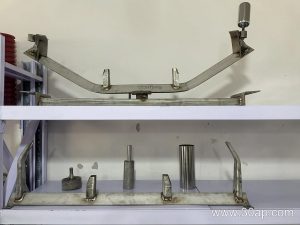
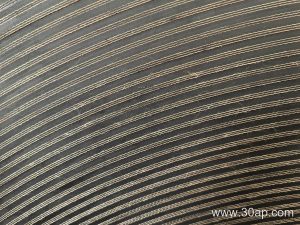
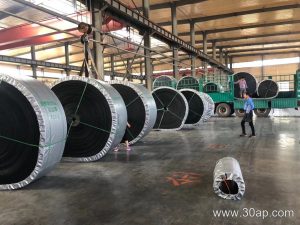
The head pulley must provide enough friction to drive the belt without slippage. Lagging choice matters: diamond or herringbone rubber improves grip in wet or dusty conditions, while ceramic lagging suits high-abrasion environments such as iron ore or copper ore conveyors. For heavy-duty mining conveyor belts, including steel cord conveyor belt and multi-ply fabric core conveyor belt, the pulley diameter should be large enough to avoid excessive belt bending stress. In coal mining, flame retardant conveyor belt and anti-static conveyor belt are common, and the head pulley should be selected with compatible lagging that does not generate static. For food or clean applications, a smooth or food-grade lagging may be preferred. Remember that the head pulley works with the conveyor belt, idler roller, and conveyor bracket to maintain alignment; a poorly specified pulley can cause belt mistracking and premature wear.
Maintenance and Selection Tips
- Check lagging wear regularly; worn lagging reduces traction and can lead to belt slip.
- Inspect shaft and bearing condition during scheduled shutdowns.
- Ensure the pulley is correctly aligned with the conveyor frame and idler rollers.
- For high-tension systems, consider a larger shaft diameter rather than increasing lagging thickness alone.
- When replacing a head pulley, verify face width and diameter against the existing belt and frame dimensions.
Whether you are running a quarry conveyor, a cement plant, or a coal mining operation, the head pulley is a critical investment. Buyers should request detailed drawings, material certificates, and lagging specifications from suppliers. For related components such as conveyor belt, idler roller, and conveyor bracket, work with a supplier who understands the entire conveyor system. At www.beltconveyorparts.com, you can find head pulley options and technical guidance to match your belt width and duty. Proper selection of the head pulley ensures reliable discharge and long service life for your conveyor line.