What a Crusher Conveyor Belt Does
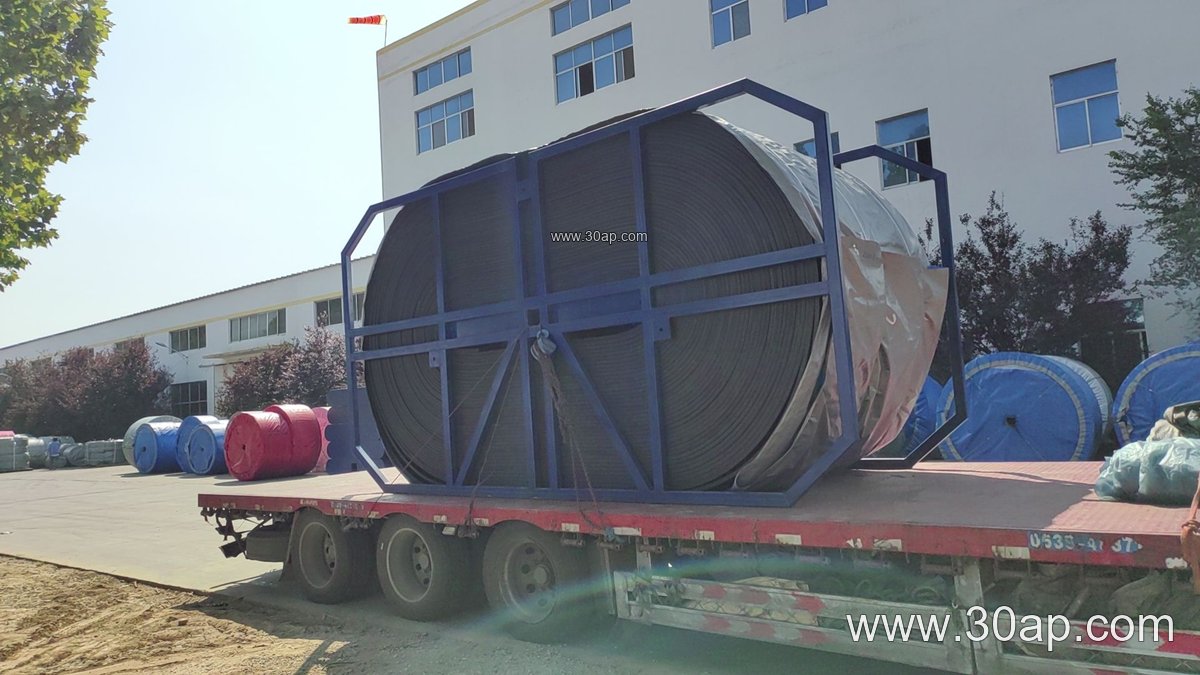
A crusher conveyor belt is the heavy-duty belt that carries crushed rock, ore, or aggregate away from a primary or secondary crusher and feeds it to screens, stockpiles, or the next stage of processing. Because the belt sits directly downstream of the crusher, it handles sharp, hot, and uneven material at a high load rate. This is why the belt is usually specified as a heavy-duty conveyor belt rather than a general-purpose fabric belt.
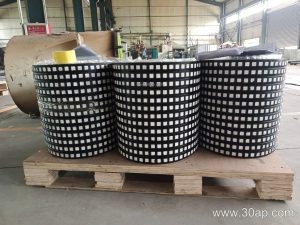
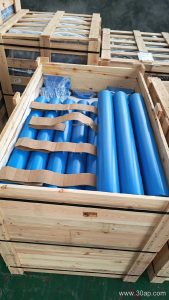
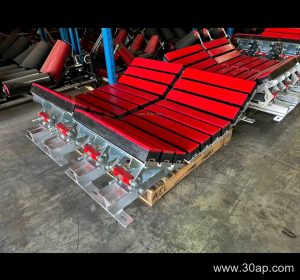
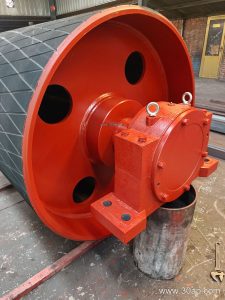
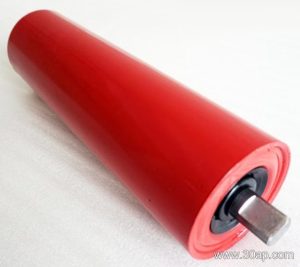
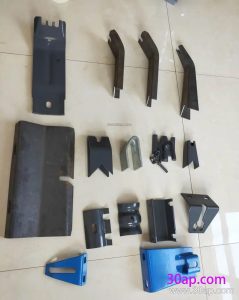
The same product is also described as a stone crushing conveyor belt or rock conveyor belt. In quarry and sand making plant circuits, it often works together with a conveyor pulley, idler roller, and conveyor bracket to keep the line running smoothly.
How the Belt Is Built
The carcass carries the tension, while the cover rubber protects the carcass from impact, abrasion, and moisture. Common carcass options for crusher duty include EP conveyor belt and NN conveyor belt constructions, and for long high-tension runs a steel cord conveyor belt. Multi-ply fabric core belt is often chosen when impact resistance matters more than minimum weight.
Cover compounds are selected for the material being moved. Abrasion resistant conveyor belt grades suit hard rock, heat resistant conveyor belt grades suit clinker or hot sinter, and flame retardant conveyor belt or fire resistant conveyor belt grades are used in coal handling. Oil resistant and cold resistant covers are available where the duty calls for them.
Typical Specifications
The table below shows common reference values. Actual values are set by the conveyor design, and different manufacturers offer different ranges.
| Item | Common reference values |
|---|---|
| Belt width | B500, B650, B800, B1000, B1200, B1400, B1600, B1800, B2000 |
| EP strength grades | EP200, EP315, EP400, EP500, EP630, EP800, EP1000, EP1250, EP1600, EP2000 |
| Steel cord grades | ST1000, ST1250, ST1600, ST2000, ST2500, ST3150 |
| Cover thickness (top + bottom) | 3+1.5, 4+2, 5+2, 6+2, 8+3 mm |
| Fabric plies | 2 to 6 layers, depending on design |
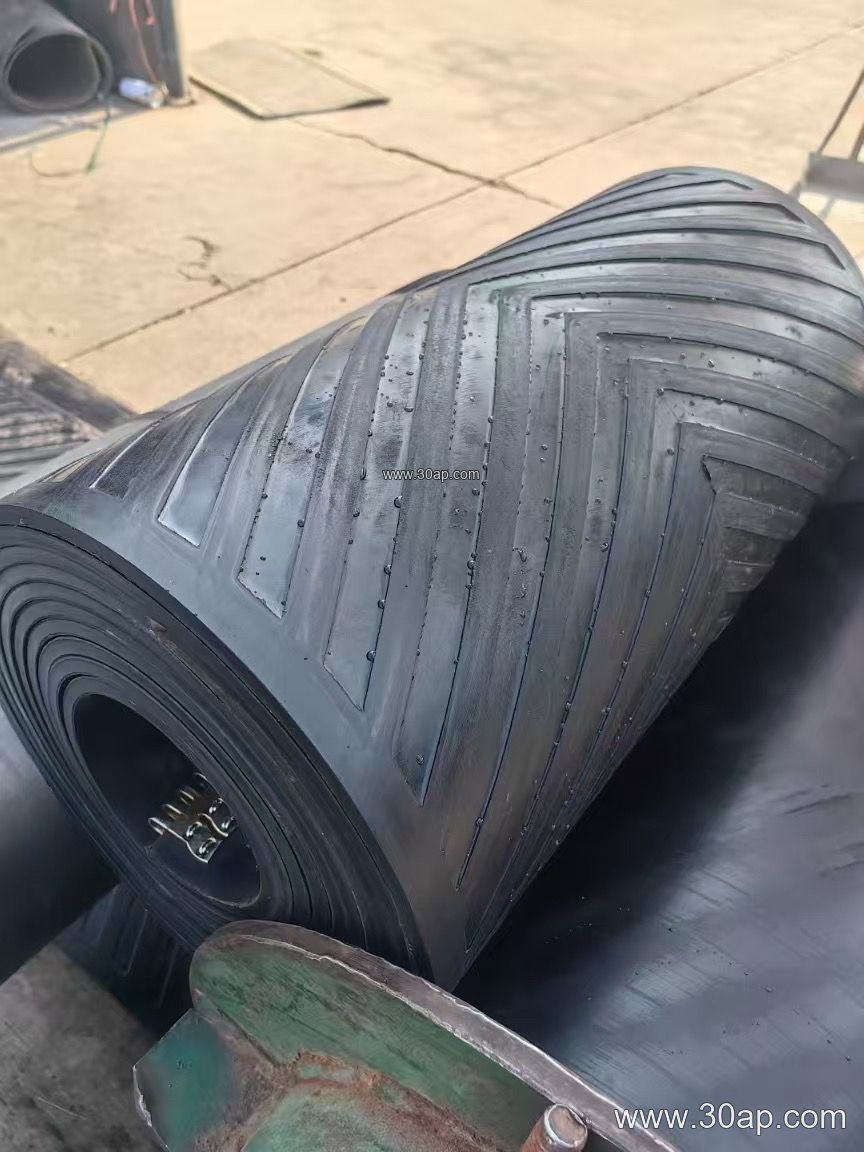
| Surface forms | Smooth, chevron conveyor belt, skirted conveyor belt, corrugated sidewall conveyor belt |
For example, an EP1000 1200mm conveyor belt may be used on a medium-capacity crushing line, while a wider EP1250 1800mm conveyor belt suits high-throughput plants. A 1200mm wide conveyor belt or 1500mm wide conveyor belt is common in aggregate plants, but no single width is mandatory for every crusher.
Where It Is Used
Crusher belts appear across mining, coal, cement, power, and sand and gravel operations. In a coal mining conveyor belt system, flame retardant and anti-static properties are often required. In a cement plant conveyor belt line, heat resistant covers handle clinker. Iron ore conveyor belt and copper ore conveyor belt duties usually demand high abrasion resistance and strong carcass support.
Ports, ship loading, and recycling plants also use bulk material conveyor belt systems with similar construction. In all these settings, the belt, conveyor pulley, idler roller, and conveyor bracket must be matched as one system.
Buyer Checklist
- Confirm the material type, lump size, and drop height at the crusher discharge.
- Check whether impact, heat, oil, or fire risk requires a special cover compound.
- Match belt width and strength grade to the conveyor design, not to a single rule of thumb.
- Decide between smooth, chevron, skirted, or corrugated sidewall forms based on incline and material behavior.
- Ask about cover thickness and ply count together, since both affect service life.
- Review pulley and idler condition before fitting a new belt to avoid premature damage.
Maintenance Notes
Regular inspection of the belt surface, splice area, and edge wear helps prevent unexpected stoppage. Keeping the idler roller turning freely and the conveyor pulley aligned reduces tracking problems. For high abrasion duties, check cover thickness periodically and schedule replacement before the carcass is exposed.
For more information on crusher conveyor belt options, visit www.example.com/crusher-conveyor-belt and review conveyor pulley and idler roller compatibility before ordering.