Why the Conveyor Belt Remains the Backbone of Material Handling
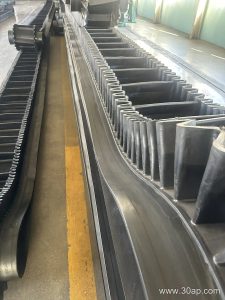
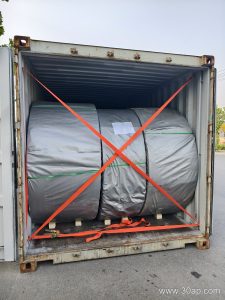
The conveyor belt is not just a rubber loop; it is the precision-engineered artery of modern production lines, warehouses, and mining operations. Selecting the wrong type can stop production, increase maintenance costs, and create safety hazards.
Key Factors to Evaluate Before Purchasing
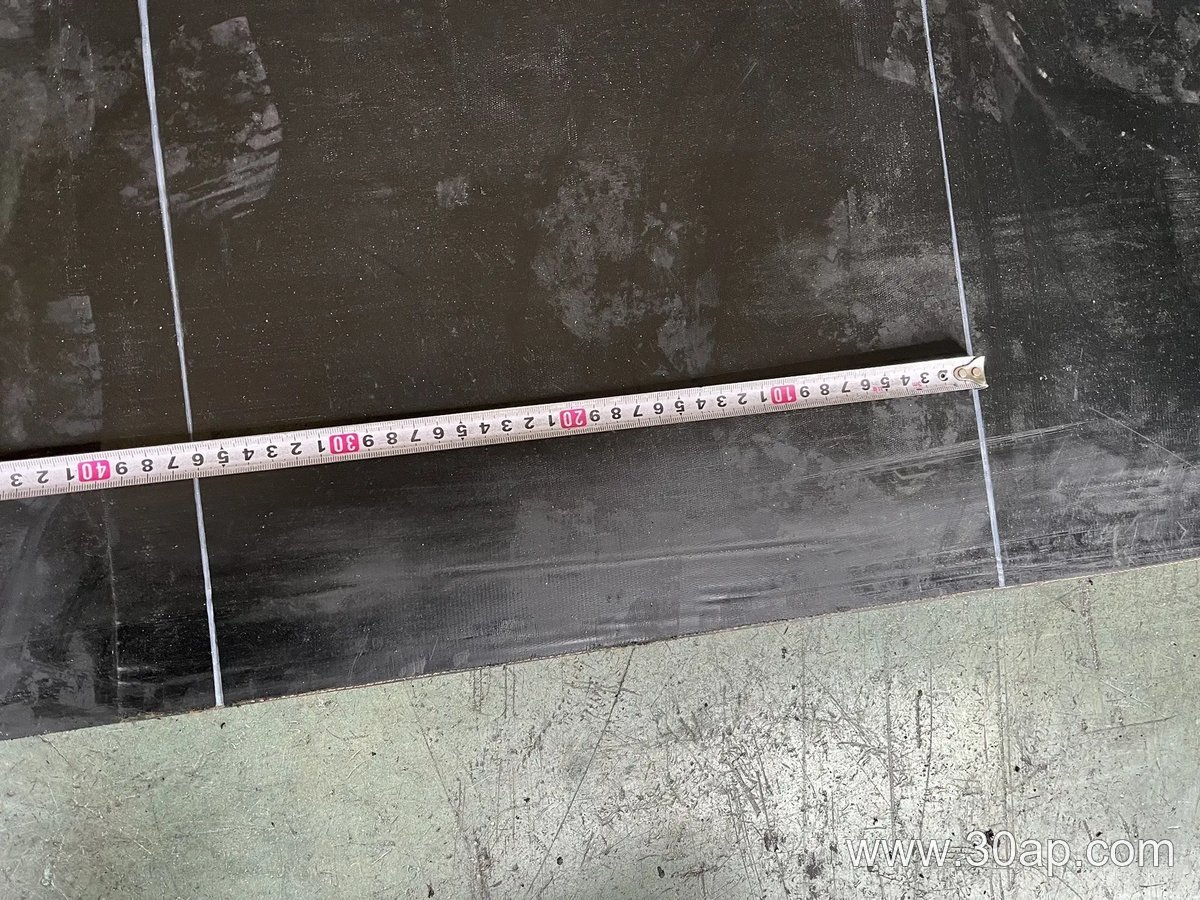
- Load and Material Profile: Determine the maximum weight per meter, abrasiveness, temperature, and oil or chemical exposure. This dictates the cover rubber compound and carcass strength.
- Belt Construction: Choose between fabric (EP/NN) for general use, steel cord for long, high-tension routes, and solid woven for underground or heavy impact applications.
- Operational Environment: For outdoor or dusty settings, consider a belt with superior UV and ozone resistance. For food processing, select a hygienic, washable belt with FDA-approved covers.
Selection and Purchasing Advice
Always request a detailed technical datasheet, including splice strength and elongation at break. Measure your conveyor system’s belt speed, pulley diameters, and troughing angle to avoid premature wear. Compare total cost of ownership—not just price per meter—by factoring in lifespan, energy consumption, and splice downtime. Trust reputable manufacturers that offer on-site vulcanizing support and a clear warranty for splice joints.
Why the Right Idler Roller Determines Conveyor Lifespan
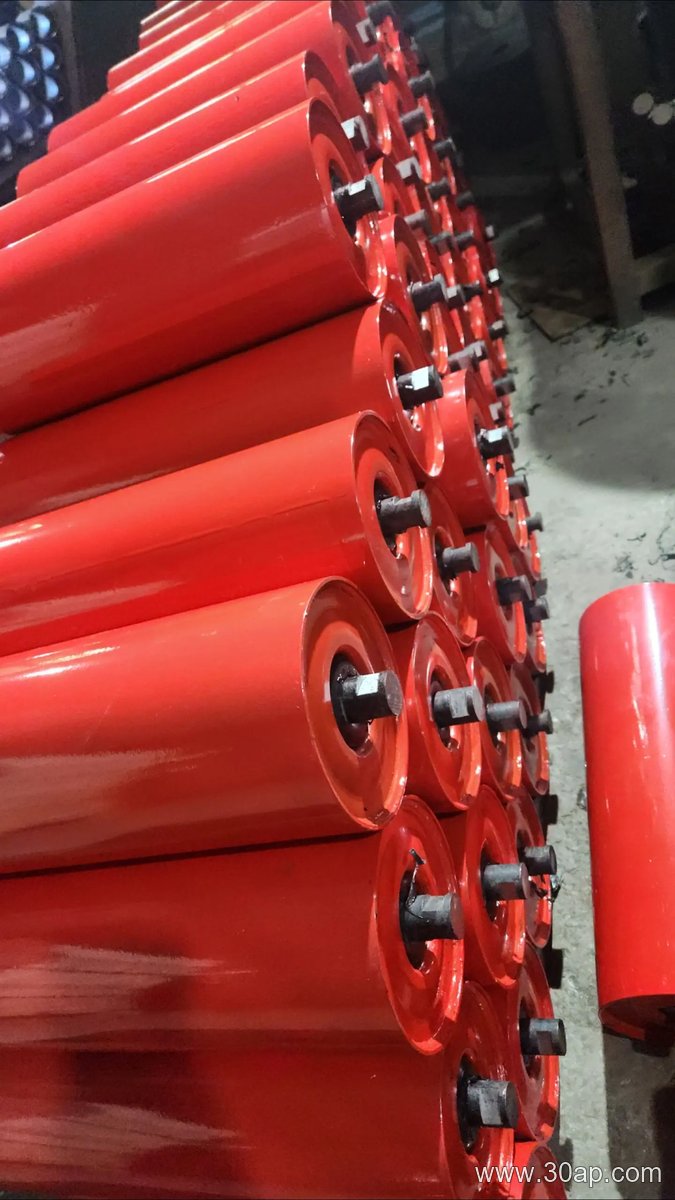
An idler roller is not a passive component—it directly affects belt tracking, energy consumption, and material spillage. Choosing the wrong one can cause premature belt wear and costly downtime.
Key Factors in Idler Roller Specification
- Load rating: Match the roller’s dynamic capacity to your peak tonnage, not just average load.
- Belt speed: Higher speeds require precision-balanced rollers to avoid vibration and noise.
- Environment: For abrasive or corrosive conditions, opt for sealed bearings and rubber or HDPE shells.
Purchasing Advice for Maintenance Teams
Always verify the roller’s shell thickness and bearing clearance tolerance. Ask suppliers for test reports on radial run-out and axial deflection. Also, consider interchangeable mounting frames—this simplifies future replacements. Finally, invest in a spare set for critical conveyor sections; lead times can exceed operational tolerance.
Conveyor Pulley: The Core of Belt System Efficiency
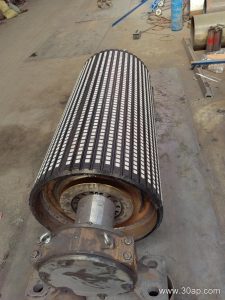
The conveyor pulley is more than a rotating cylinder; it is the structural anchor that drives belt tension, tracking, and torque transfer. Choosing an inferior pulley leads to slippage, misalignment, and premature belt failure.
Key Design Factors to Evaluate
- Shell thickness and diameter – Must match belt width, load weight, and shaft deflection limits.
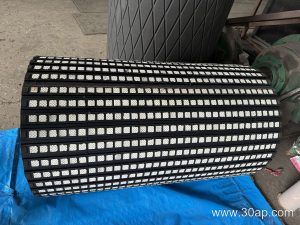
- Lagging material – Rubber or ceramic lagging increases friction and reduces wear, especially in wet or high-torque applications.
- Bearing and hub configuration – Look for taper-lock or keyed hubs that simplify installation and maintenance.
Purchasing and Inspection Advice
Always specify the pulley face width and crown profile for proper belt centering. Request dynamic balancing reports for speeds above 300 m/min. Inspect weld quality and shaft concentricity on arrival; even minor deviations cause vibration and bearing overload.
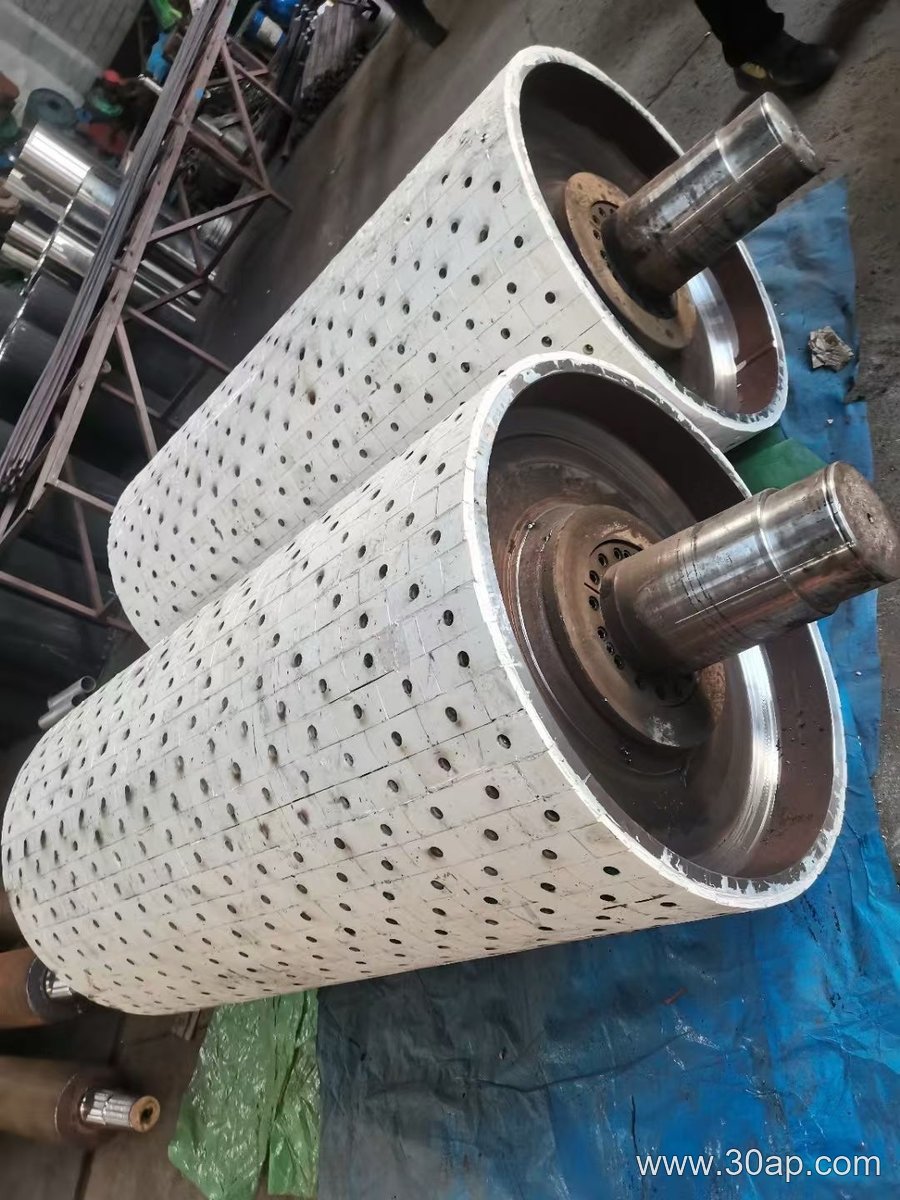
For replacements, measure the existing pulley’s bore, shaft diameter, and bolt pattern. If operating under abrasive materials, opt for a thicker shell or a wear-resistant hard facing. Finally, verify that the pulley’s allowable load exceeds your motor’s starting torque—this prevents catastrophic shaft fatigue.
Why the Conveyor Bracket Dictates System Reliability
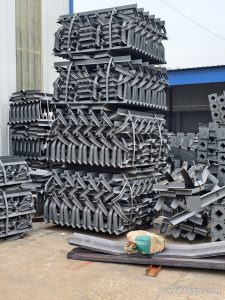
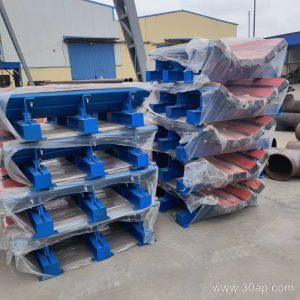
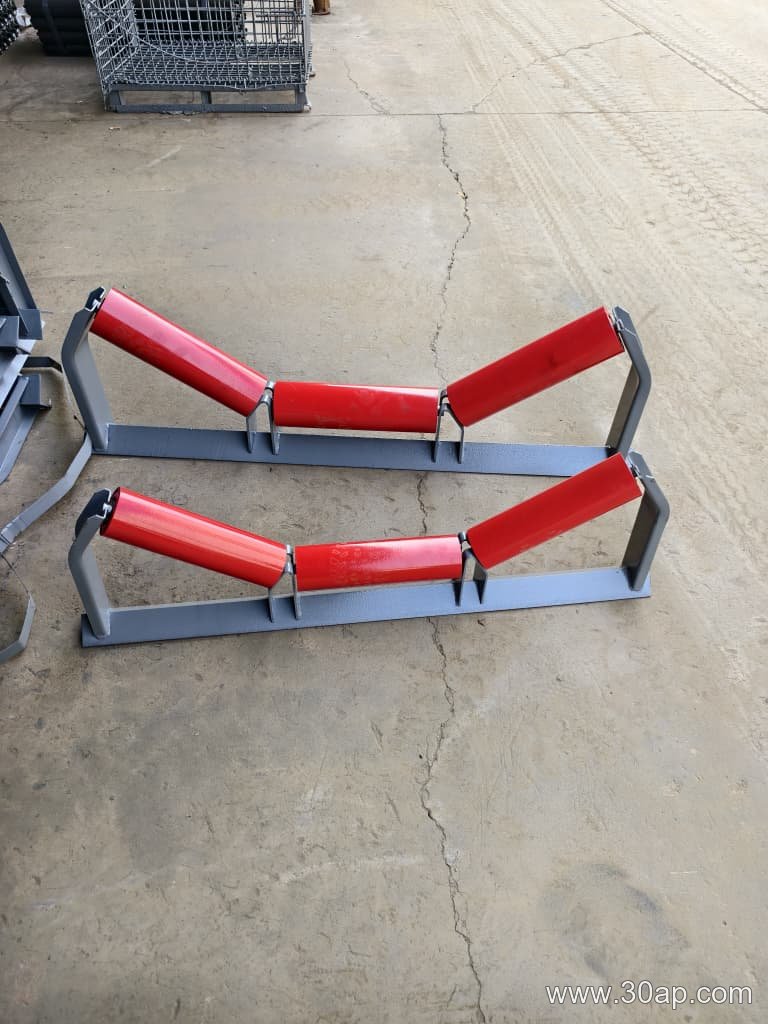
A conveyor bracket is not just a metal angle—it is the load-bearing anchor that aligns rollers, absorbs vibration, and prevents frame sag. Without correctly specified brackets, even premium belting fails prematurely. When selecting, prioritize grade (powder-coated steel for dry, galvanized for washdown), hole pattern compatibility, and adjustable slots for belt tracking.
Critical Selection Criteria
- Load rating: Always exceed peak dynamic load by 25% to avoid fatigue cracking.
- Bolt spacing: Match existing frames or plan for drilling; metric vs. imperial matters.
- Roller shaft diameter: Bracket bore must fit 20mm, 25mm, or custom shafts with tolerance <0.1mm.
Purchasing Advice
Buy from suppliers offering laser-cut, deburred edges and a weld-seam check. Request a sample bracket for a trial fit before bulk order. For corrosive environments, choose 304 stainless with electropolishing—cheaper options rust from the inside out. Always stock 5% spares, as downtime costs far exceed bracket price.