What a Heavy-Duty Belt Conveyor Idler Really Is
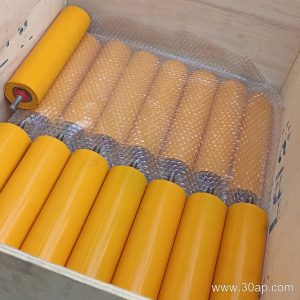
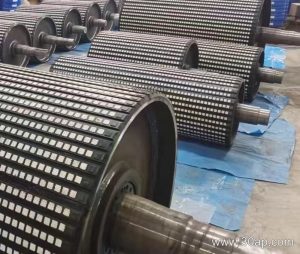
A heavy-duty belt conveyor idler is the rotating roller assembly that supports the loaded conveyor belt along the carrying side and the returning belt underneath. In a quarry, limestone mine, or iron ore transfer line, the belt may carry sharp rock, wet fines, and heavy lumps at the same time, so the idler has to hold its shape, keep turning freely, and resist wear at the shell and at the seal. The same product is also called a heavy-duty conveyor roller or heavy-duty idler roller; these names describe one item, not a pulley. A conveyor pulley at the drive, tail, or bend position does a different job and is not interchangeable with an idler.
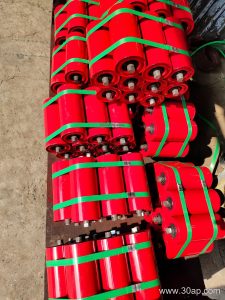
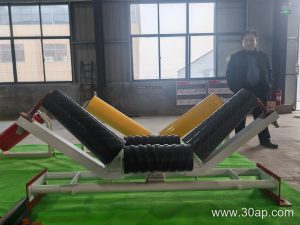
Where the belt path changes direction or receives impact, the idler group may use a trough set with three rolls, a two-roll arrangement, or a single roll. The heavy-duty version usually appears in the carrying run, especially under the loading point, where the belt and the material above it press hardest.
How the Roller Is Put Together
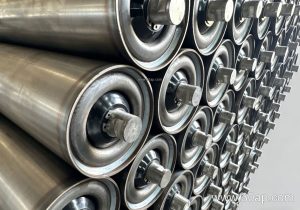
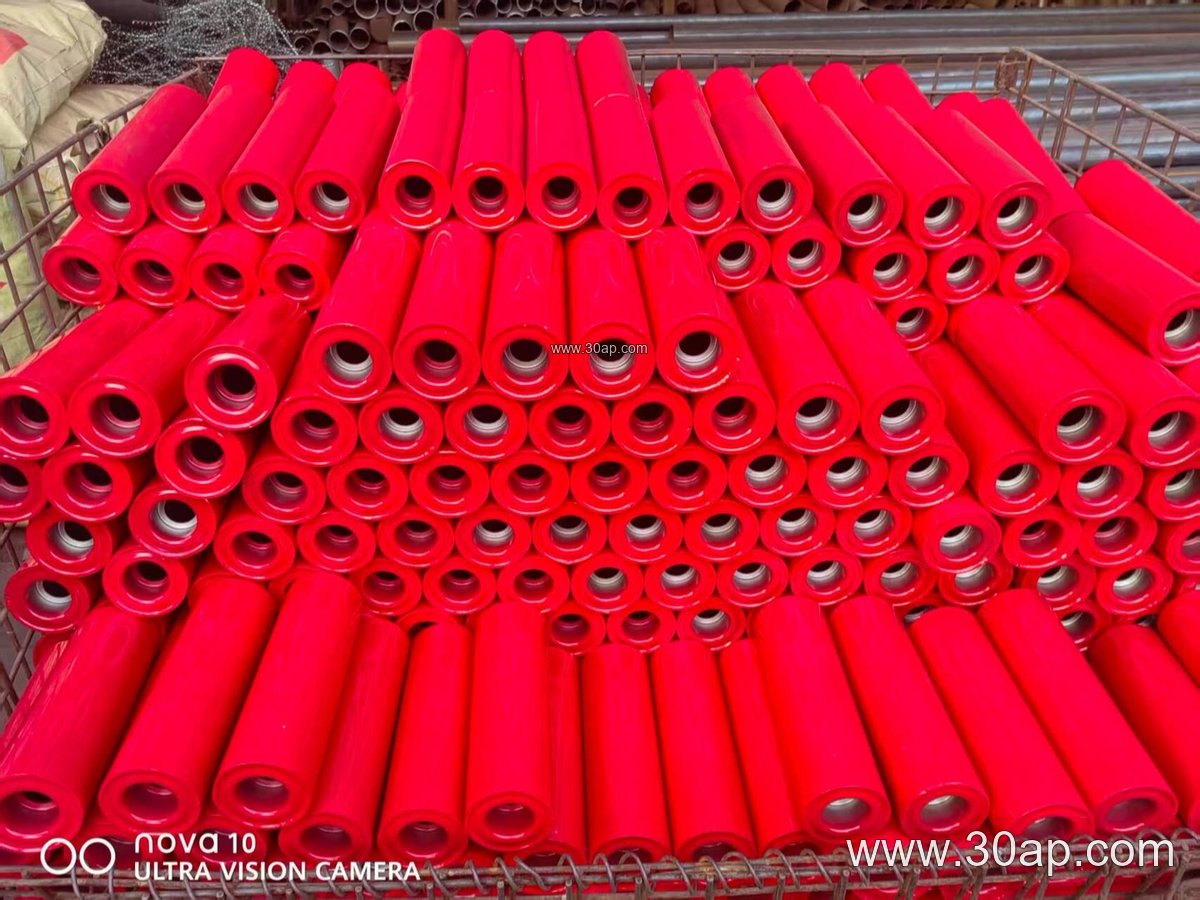
The main parts are the shell, the shaft, the bearing housing, the bearing, and the seal. Shell material is commonly steel tube, and the surface may stay plain steel or carry a rubber ring for cushioning. A nylon or ceramic cover is sometimes chosen where sticky or highly abrasive material builds up. Bearing selection is matched to load and speed rather than to belt width alone; common sizes include 6205, 6305, 6306, 6308, and 6310, and one bearing size can serve more than one roller diameter.
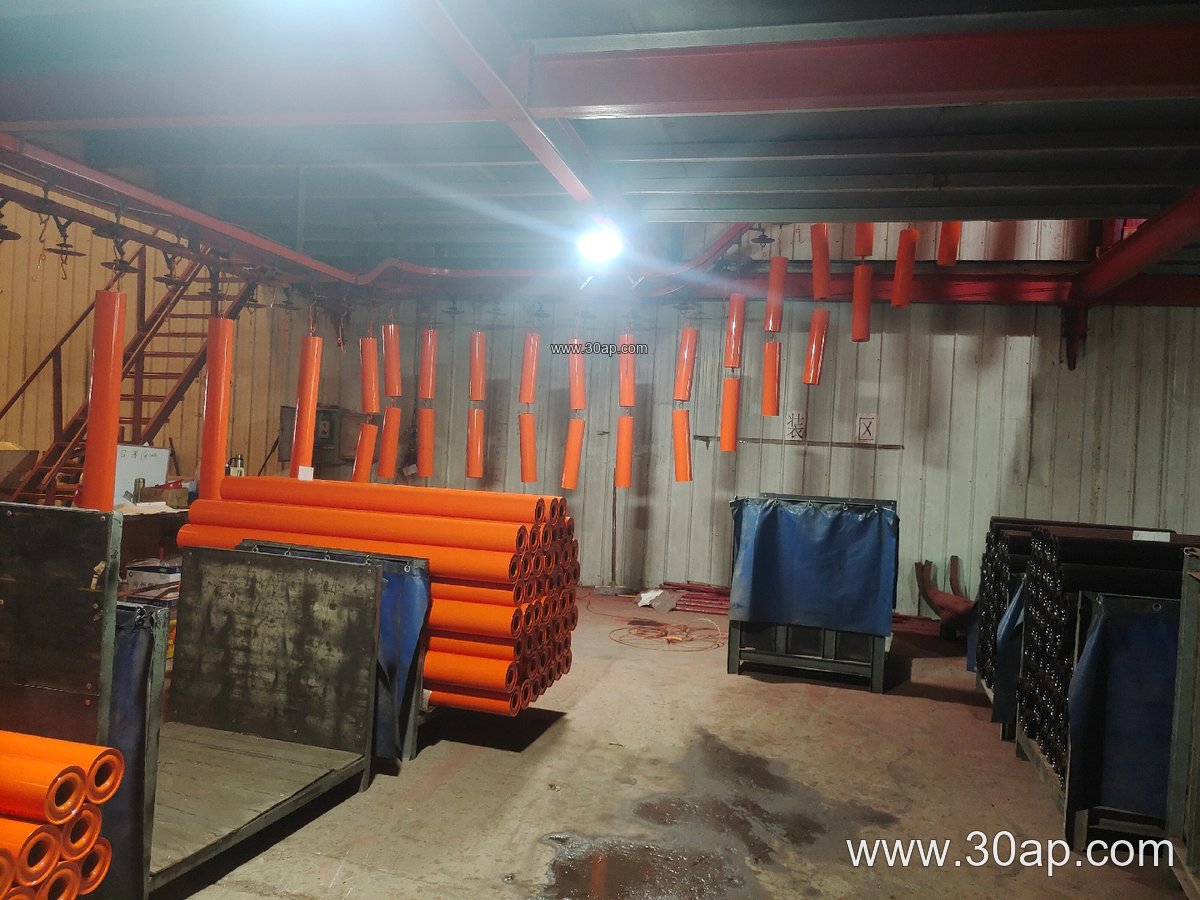
Sealing matters as much as steel thickness in a cement plant or a coal handling system. Dust and water enter through the gap between the end cap and the shaft, so a good labyrinth seal and a well-greased bearing cavity extend service life. The shaft ends fit into a conveyor bracket on the conveyor frame, and the bracket height sets the trough angle of the whole set.
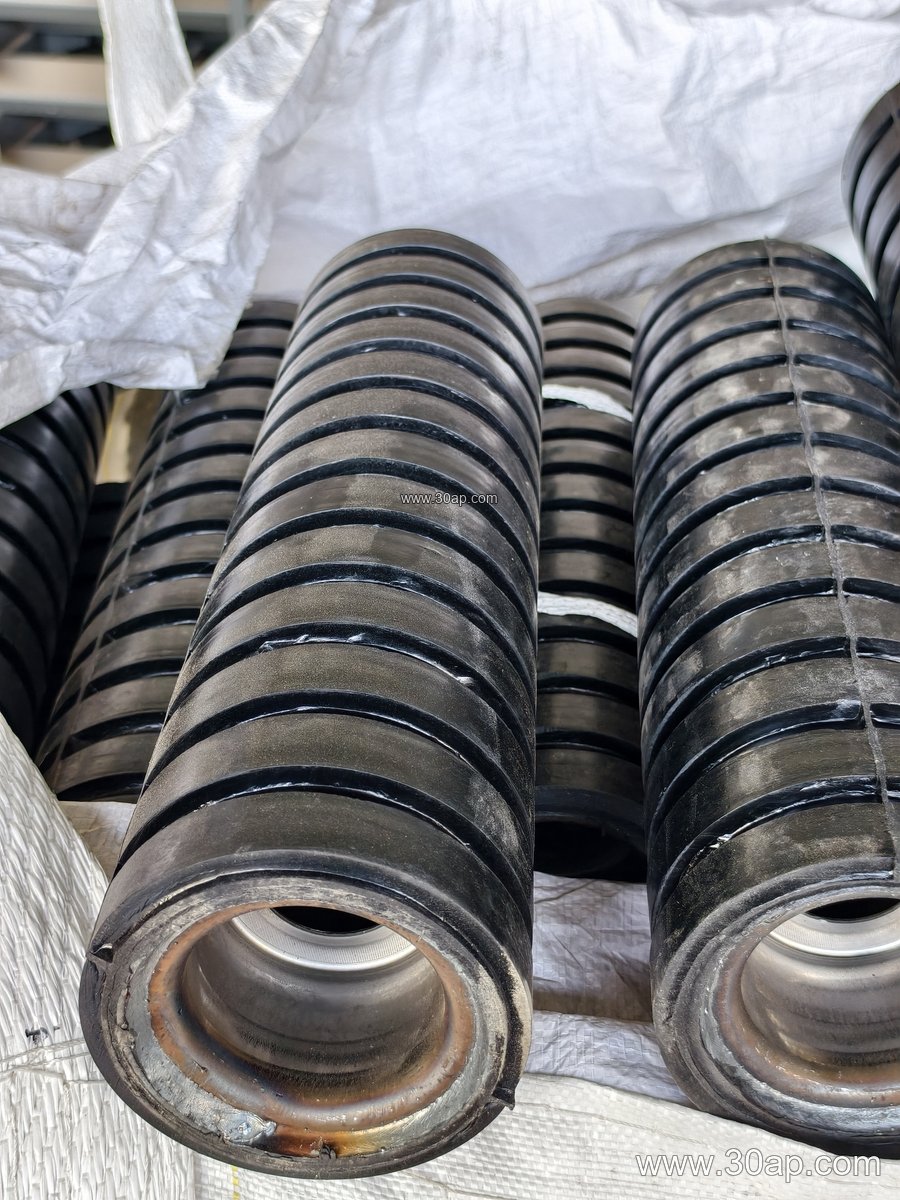
Common reference dimensions
The figures below are typical examples used for planning, not a fixed rule for every conveyor. Final roller length depends on belt width, trough angle, and the roll arrangement.
- Roll diameter: Ø89, Ø102, Ø108, Ø127, Ø133, Ø159, Ø178, Ø194, Ø219
- Belt width: B500, B650, B800, B1000, B1200, B1400, B1600, B1800, B2000
- Trough angle: 20°, 30°, 35°, 45°
- Typical three-roll length: about 200 mm at B500, 250 mm at B650, 315 mm at B800, 380 mm at B1000, 465 mm at B1200, 530 mm at B1400, 600 mm at B1600, 670 mm at B1800
Side rolls and the centre roll can differ in length, and the figures should be checked against the actual frame drawing before ordering.
Where It Fits in the Conveyor Line
In a stone crushing and screening plant, heavy-duty idlers sit under the crusher discharge belt, where lumps fall from a height and the belt needs cushioning support. In a power plant coal yard or a coal washing plant, trough idlers keep the belt profile stable over long runs, while return idlers support the empty strand. A V-shaped return set helps centre the belt and shed stray material. Transition idlers ease the belt from the flat pulley face into the full trough, reducing edge stress.
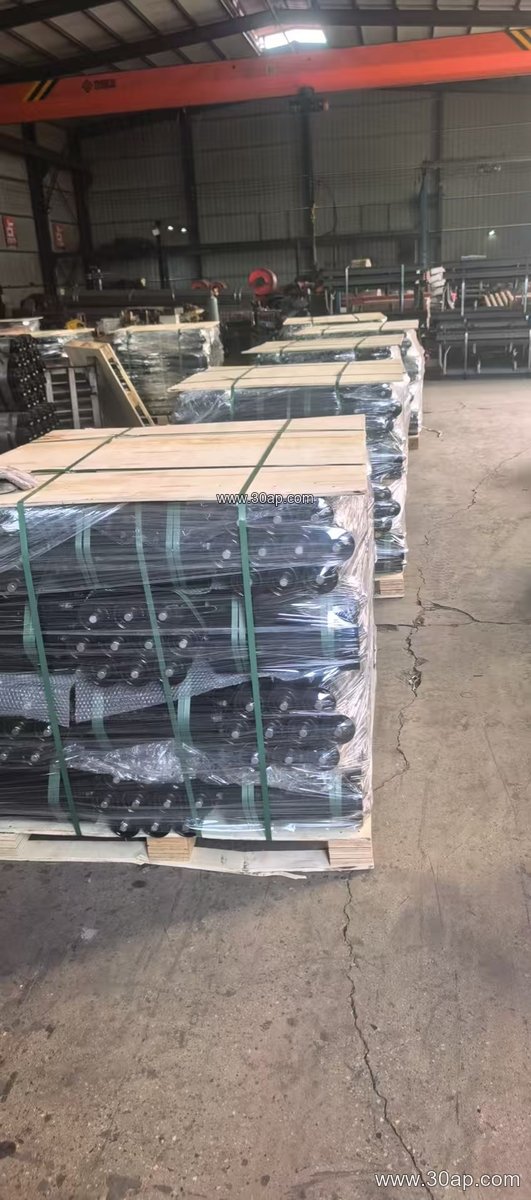
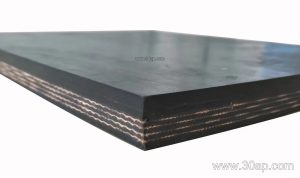
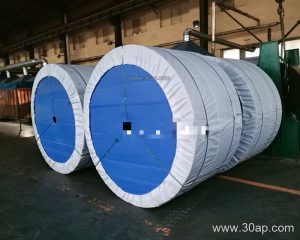
Self-aligning designs, including friction and tapered types, are used where the belt tends to wander. The choice between a plain trough idler and a cushion idler at the load zone depends on drop height and lump size, not on a single standard. Paired with an abrasion resistant conveyor belt or a heavy-duty conveyor belt, the right idler set keeps the whole line running with less spillage and fewer stoppages. For wider belts, such as a 1200mm or 1500mm wide conveyor belt, roller spacing and shaft strength deserve a closer look.
Buyer Checklist Before Ordering
- Confirm belt width, trough angle, and roll arrangement from the frame drawing.
- State the material: rock, ore, coal, clinker, or sand, plus moisture and temperature.
- Ask about shell thickness, bearing size, and seal design rather than diameter alone.
- Check that the shaft ends match the existing conveyor bracket.
- For hot or oily cargo, confirm that the belt and the roller surface are compatible.
Spacing along the line is set by belt sag and load, so a heavy-duty idler should not be treated as a universal drop-in part. A short site survey of the loading point, the transition zone, and the return strand usually prevents the most common replacement mistakes.