What a Heavy-Load Conveyor Pulley Does
A heavy-load conveyor pulley is the driven or non-driven cylindrical component that supports and moves the conveyor belt in high-capacity bulk handling systems. Unlike light-duty pulleys, this class is built for continuous operation under high tension, abrasive material, and significant shock loads. In a copper mine, for example, the head pulley must transmit torque from the drive to a steel cord conveyor belt carrying thousands of tonnes per hour. The same component in a cement plant clinker line faces heat and dust. The design priority is always structural integrity and reliable belt tracking.
Construction and Key Components
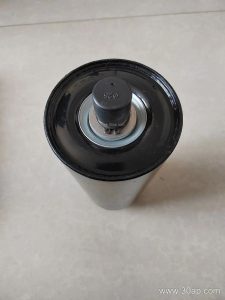
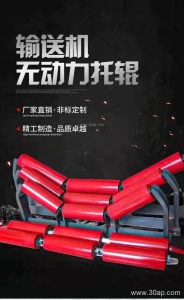
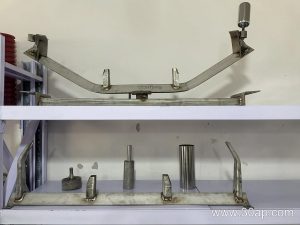
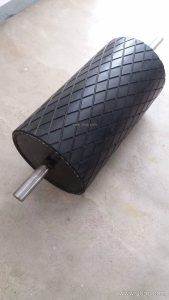
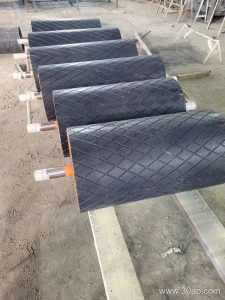
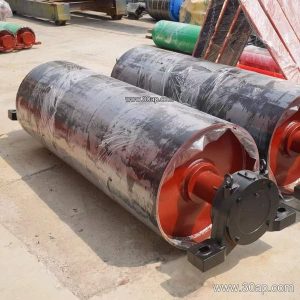
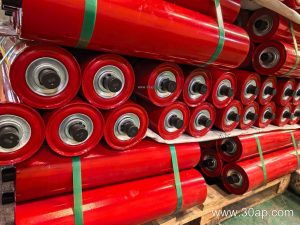
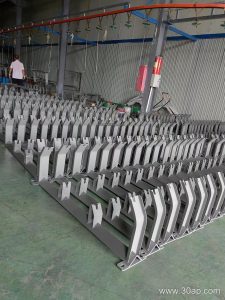
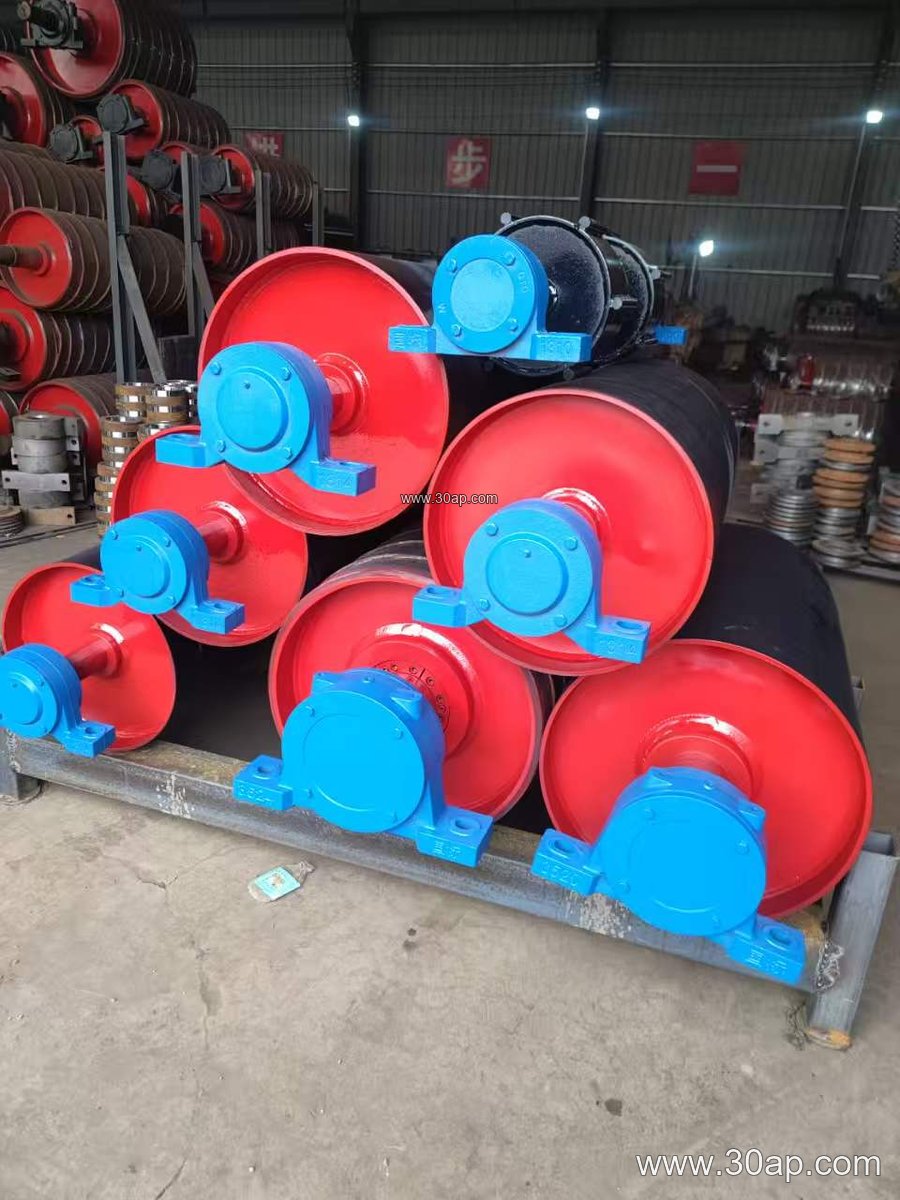
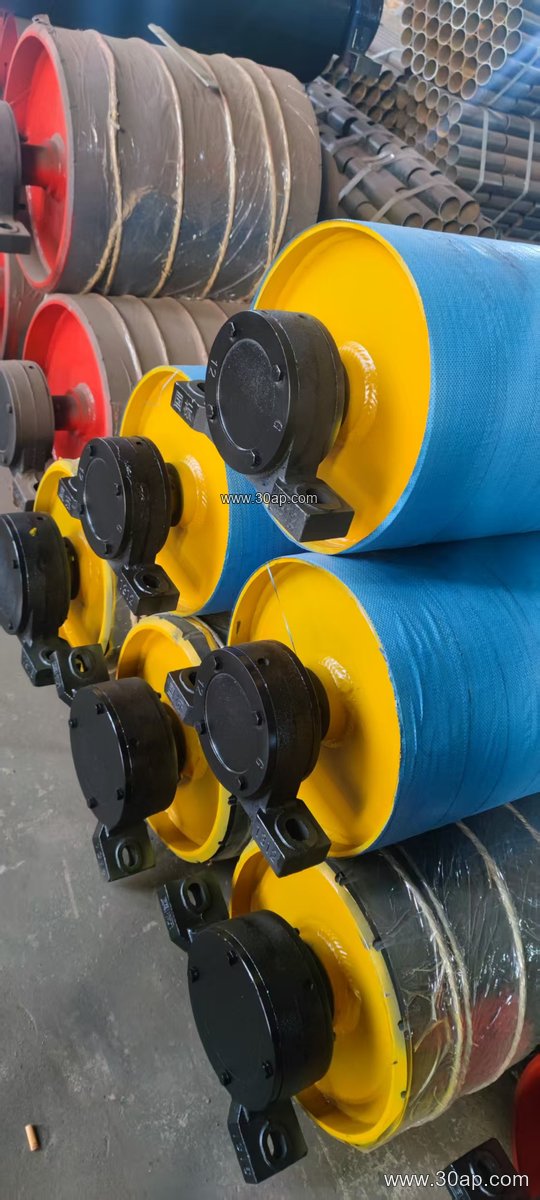
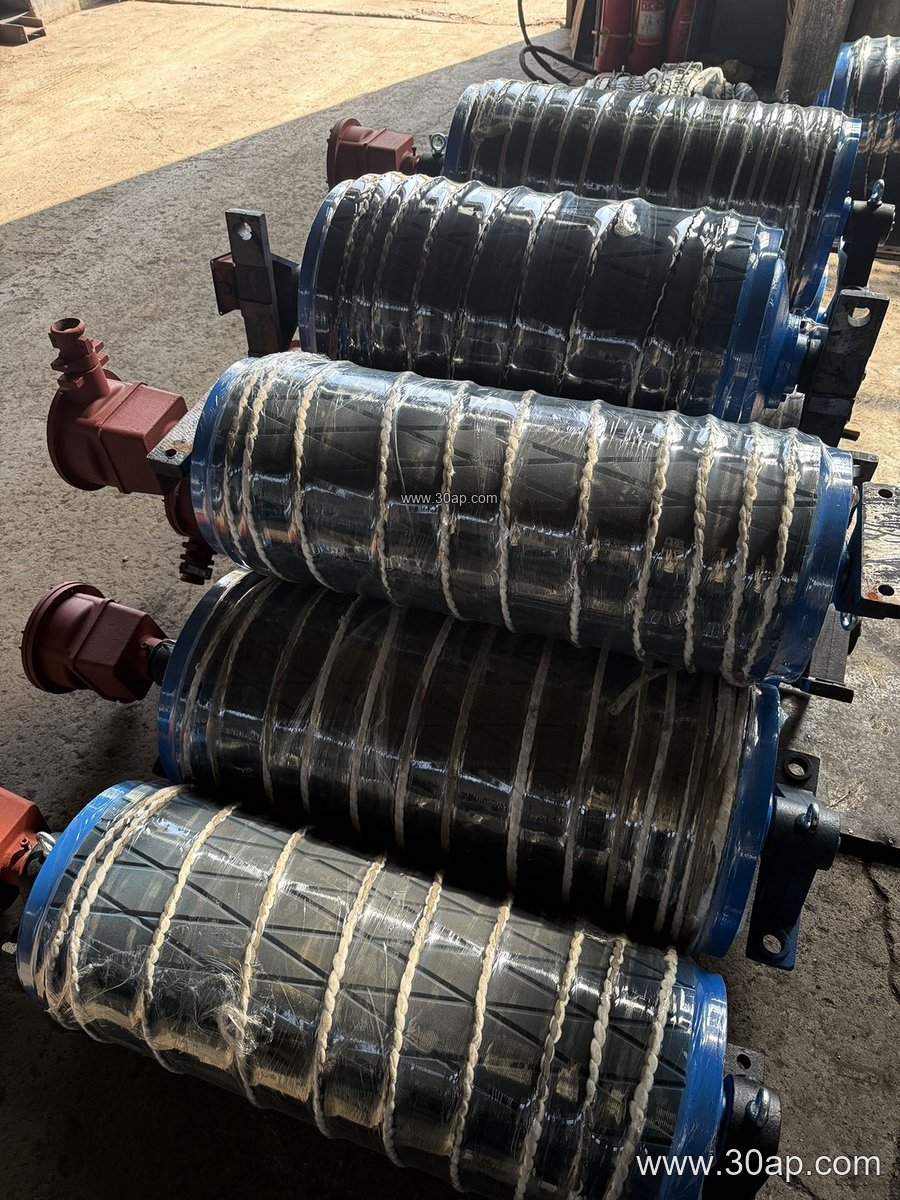
The pulley body typically consists of a rolled steel shell, welded end discs, and a shaft that transfers torque. For heavy-load service, the shell thickness and weld quality are critical. The shaft diameter is determined by torque and load, not by belt width alone. Common shaft sizes range from Ø50 to Ø200 mm depending on the application. Surface lagging is another important feature. Options include plain steel, hot-vulcanized rubber, cold-bonded rubber, diamond pattern, herringbone, and ceramic lagging. Lagging thickness often falls between 8 mm and 20 mm. The pulley face width is usually slightly wider than the belt; for instance, a B1200 belt might use a pulley face around 1400 mm. A heavy-load conveyor pulley may also be supplied with a conveyor bracket for mounting and an idler roller nearby to support the belt return side.
Where It Is Used
These pulleys appear in primary crushing circuits, ship loaders, and plant feed conveyors. In an iron ore terminal, the drive pulley on a 1800 mm wide belt must handle both high tension and wet, sticky ore. In a coal washing plant, flame retardant conveyor belt and anti-static properties are often required, and the pulley must be compatible with those belt constructions. A quarry conveyor belt carrying sharp rock benefits from ceramic lagging on the drive pulley to maintain grip without excessive belt slip. The same heavy-load design is found in power plant coal handling, steel plant sinter lines, and aggregate operations.
Dimensions and Surface Choices
Pulley selection involves matching diameter, face width, shaft size, and lagging to the belt and duty. The table below shows common reference combinations; actual values are determined by design.
| Belt Width (mm) | Typical Pulley Face (mm) | Example Diameter (mm) | Common Lagging |
|---|---|---|---|
| B800 | 950 | Ø500 | Diamond rubber, 10 mm |
| B1000 | 1150 | Ø630 | Herringbone rubber, 12 mm |
| B1200 | 1400 | Ø1000 | Ceramic lagging, 15 mm |
| B1400 | 1600 | Ø800 | Hot-vulcanized rubber, 10 mm |
| B1800 | 2000 | Ø1250 | Diamond rubber, 15 mm |
Note that a single belt width can pair with multiple pulley diameters depending on tension and space. For high-abrasion service, ceramic or diamond lagging is preferred. For heat exposure, heat resistant conveyor belt grades should be matched with suitable lagging. In underground coal mining, flame retardant conveyor belt and anti-static requirements influence the entire pulley assembly, including the choice of cold resistant conveyor belt in colder climates.
Buyer Checklist
- Confirm the belt type and tension: EP conveyor belt, steel cord conveyor belt, or multi-ply fabric core conveyor belt each impose different loads.
- Specify the pulley role: drive, tail, bend, or take-up. These are not interchangeable, and each has distinct design features.
- Select lagging based on material: abrasive rock calls for ceramic or diamond pattern; oily material may need oil resistant conveyor belt and smooth lagging.
- Check shaft diameter against torque, not just belt width. A B1400 belt may use a Ø160 mm shaft in one design and a different size in another.
- Consider environmental factors: a cold resistant conveyor belt in a freezer tunnel or a heat resistant conveyor belt near a kiln demands compatible pulley bearing and lagging materials.
- Verify mounting interfaces with conveyor bracket dimensions and available space for the idler roller return path.
A heavy-load conveyor pulley is a long-term investment. Buyers should request detailed drawings showing shell thickness, weld inspection, lagging adhesion, and balancing grade. For a quarry conveyor belt or an ore conveyor belt system, the pulley is only as good as its integration with the belt and the supporting structure. At www.sdtxrubber.com, you can explore related components such as rubber conveyor belt and conveyor pulley options to complete the system design.